


Orange Floral Jug
An orange floral jug brings vibrant ceramic artistry to your interior, offering hand-painted patterns that charm collectors.
Orange Floral Jug
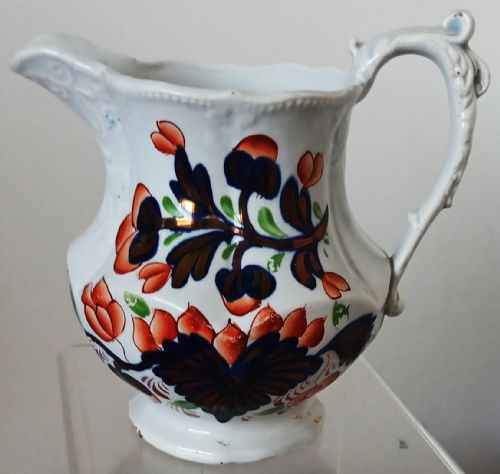
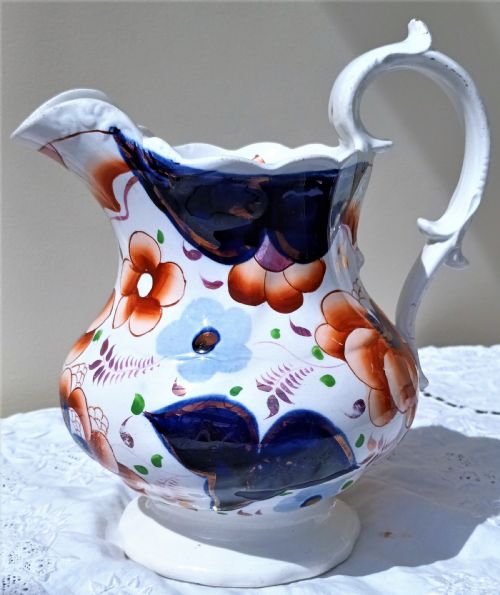
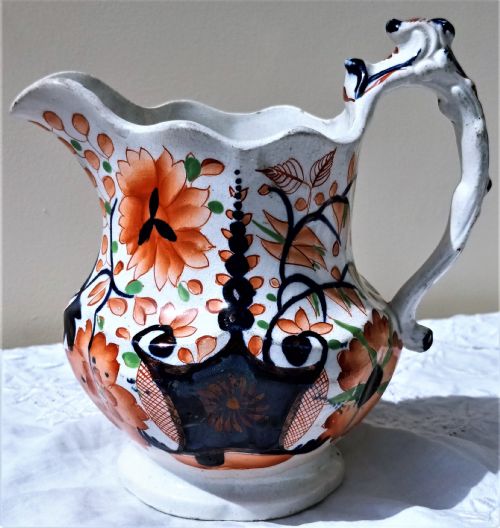
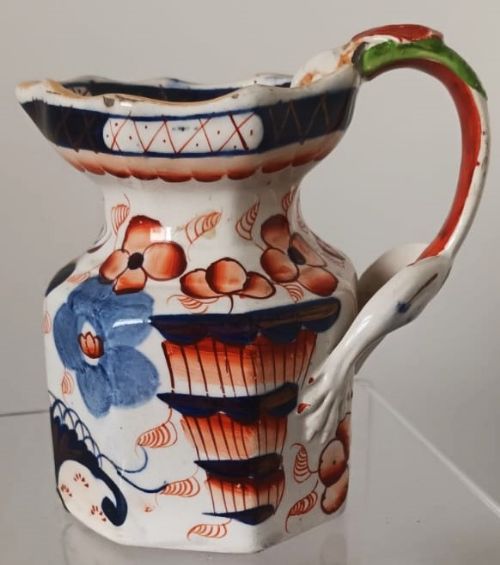
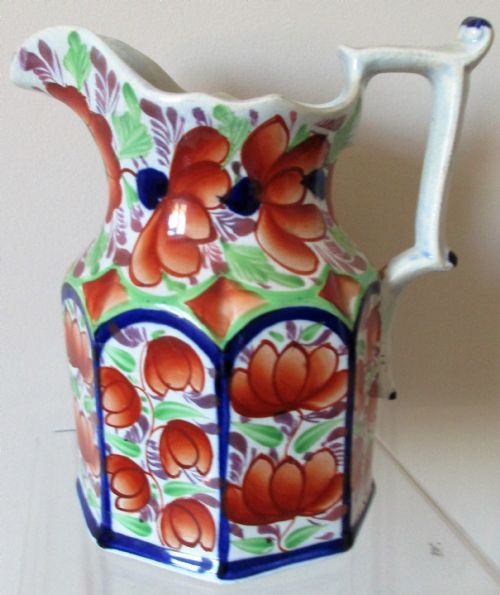
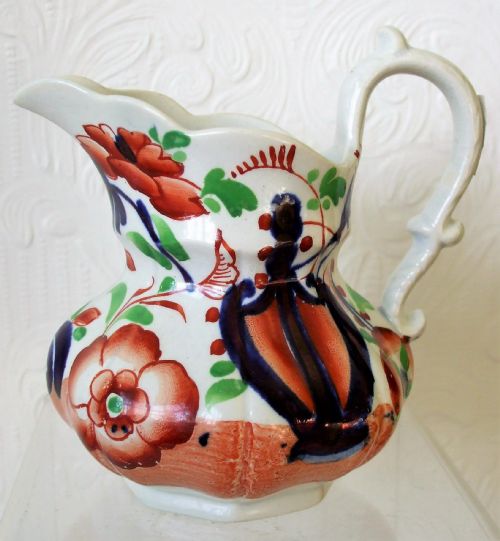
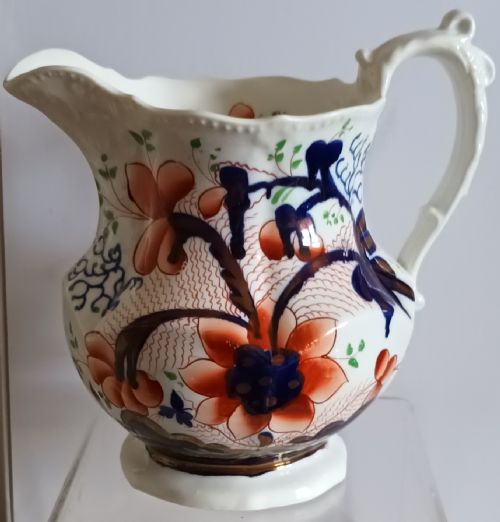
When you search for an orange floral jug, you encounter an array of earthenware, ironstone, and ceramic vessels from the eighteenth and nineteenth centuries. These domestic objects display traditional painted motifs such as the Grapy, Drape, Pagoda, Gwent, and Bethesda patterns.
The pieces on this page lean heavily towards nineteenth-century Victorian Gaudy Welsh pottery alongside Georgian ironstone and pearlware examples. Alongside ceramic pitchers, the listings also include mid-century oil paintings depicting floral subjects.
Makers utilised robust earthen materials suited for daily utility, resulting in sturdy pitchers and decorative jugs that survived centuries of use. Buyers primarily find traditional earthenware and ironstone bodies decorated with vibrant enamel colours.
How they were made
Potters shaped earthenware, ironstone, and pearlware bodies by hand or mould before applying an initial glaze. Artisans then painted floral and architectural motifs using rich enamel colours, often incorporating copper lustre accents.
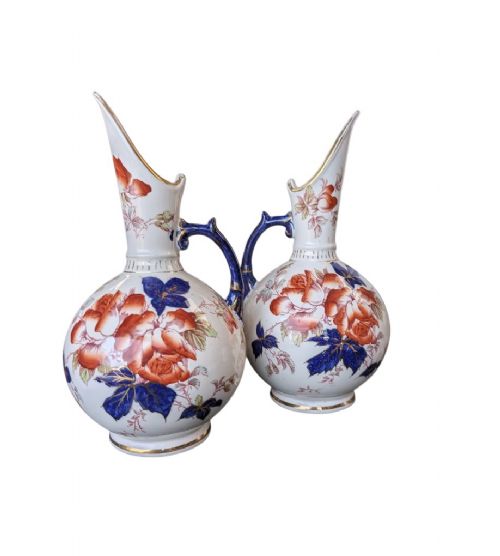
Fired at high temperatures, these ceramic pieces achieved durable vitrified surfaces that secured the bright enamel pigments beneath or above the glaze. Painters applied complex patterns like the Japanese Imari style directly onto the hardened ceramic body.
Materials documented across the page include earthenware, ironstone, hard-paste porcelain, and oil paint.
What varies in quality
Quality rests in the crispness of the hand-painted enamel and the preservation of the glaze across the surface. Pieces featuring intricate Japanese Imari designs or named Welsh patterns demonstrate superior artistic execution compared to standard production wares.
The integrity of the ceramic body and the vibrancy of the orange and floral pigments determine the distinction between ordinary domestic vessels and finer display pieces.
The Orange Floral Jug Glossary
- Ironstone
- A patented ceramic material developed in the nineteenth century for its exceptional strength and durability. It provides a heavy, dense body that resists chipping.
- Gaudy Welsh
- A style of colourful pottery produced in the nineteenth century, characterised by cobalt blue, copper lustre, and vibrant enamel orange over white earthenware.
- Pearlware
- An refined earthenware developed in the eighteenth century featuring a subtle bluish glaze that pooled in recesses to mimic Chinese porcelain.
- Copper Lustre
- A metallic glaze technique applied to pottery to create a reflective, coppery sheen that highlights painted details.
- Imari
- A decorative style originating in Japan, known for rich cobalt blue and iron-red enamel patterns often highlighted with gold.
Orange Floral Jug: Frequently Asked Questions
How were these jugs originally used?
These ceramic vessels served practical domestic functions for holding liquids, water, or milk at the table during daily meals.
Over time, many of these robust earthenware and ironstone pitchers transitioned into decorative display items due to their striking enamel patterns.
Are these jugs safe for daily use?
Most pieces date from the eighteenth and nineteenth centuries, making them fragile historic objects better suited for display than routine kitchen use.
Historic enamel glazes can also be sensitive to modern detergents and abrasive cleaning methods.
How do I identify a Victorian jug?
Victorian examples frequently display Transfer-printed or hand-painted Gaudy Welsh motifs such as the Pagoda or Gwent patterns on earthenware bodies.
Stylistic cues and material weight typically help distinguish these nineteenth-century pieces from earlier Georgian pearlware or later twentieth-century items.
What is Gaudy Welsh pottery?
Gaudy Welsh refers to brightly decorated pottery made in the nineteenth century featuring bold cobalt blue, copper lustre, and vivid orange floral designs.
These pieces were largely exported to or produced for Welsh households, becoming prized collectibles today.