




Copper Lustre Pottery
Copper lustre pottery brings a distinct metallic warmth to domestic ceramics, prized for its reflective surface and vibrant hand-painted patterns.
Copper Lustre Pottery
Copper lustre pottery encompasses a range of earthenware and ironstone items, most commonly jugs, pitchers, footed bowls, and decorative figurines. The pieces on this page span the Georgian and Victorian periods, showcasing traditional British forms that served functional and decorative roles in the nineteenth-century home.
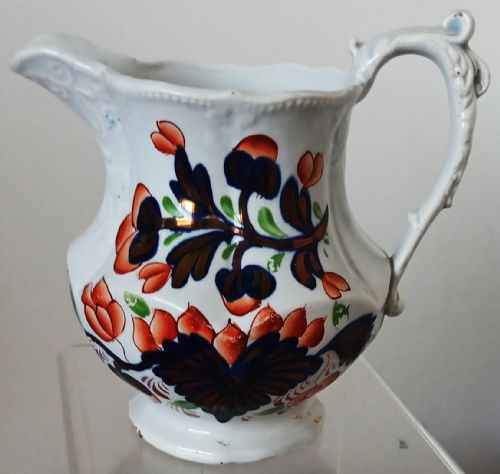
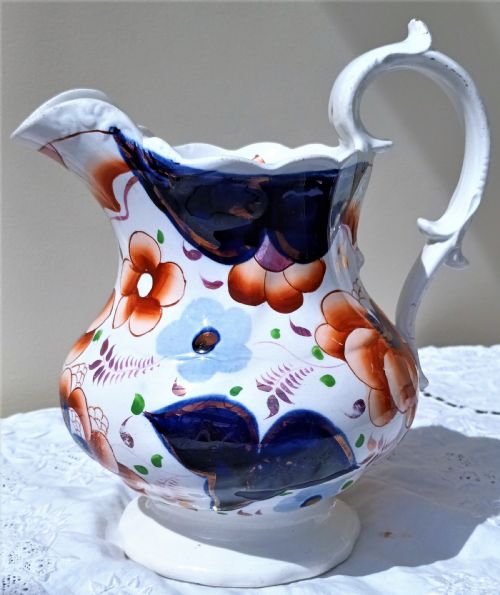
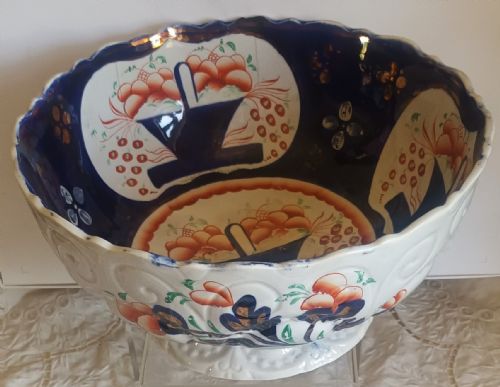
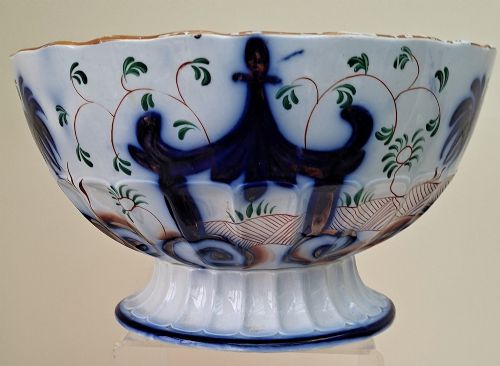
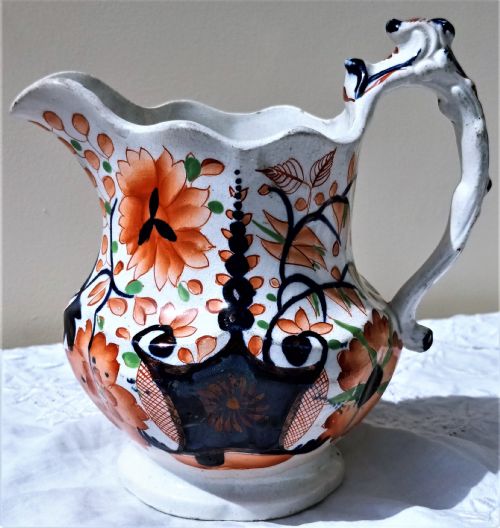
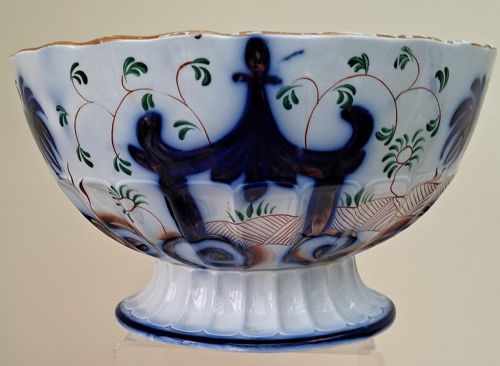
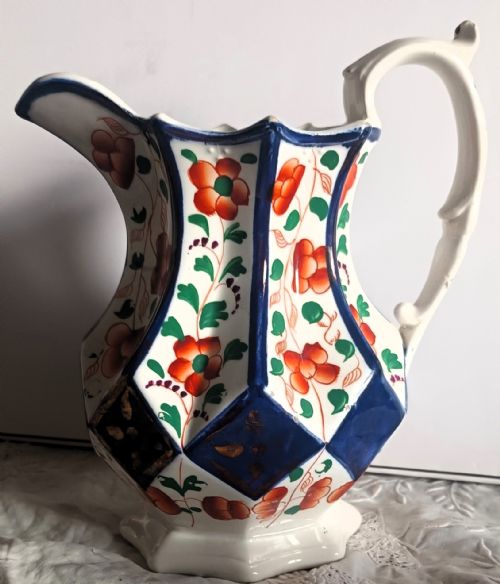
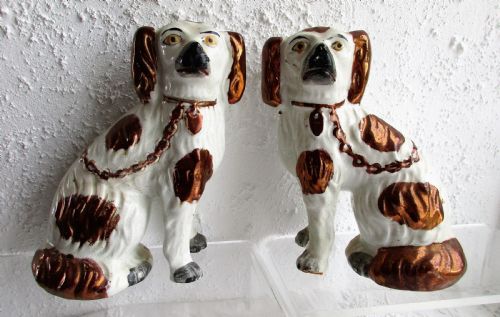
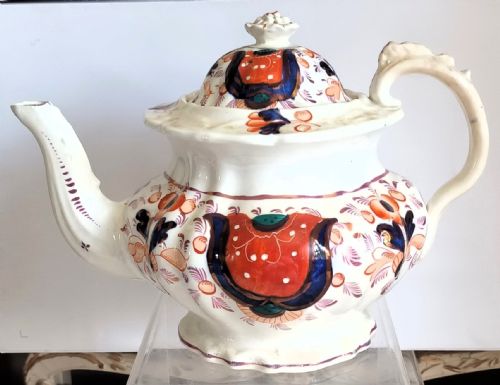
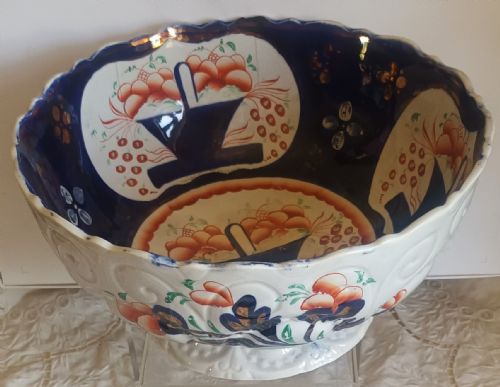
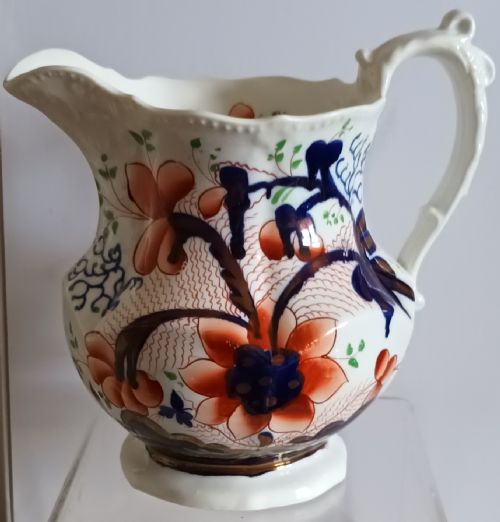
The most frequent finds within copper lustre pottery are domestic jugs and Staffordshire spaniels, often embellished with colourful enamel motifs like the Gaudy Welsh patterns. Alongside these are decorative bowls, basins, and sculptural lion figures, reflecting the varied output of nineteenth-century potteries.
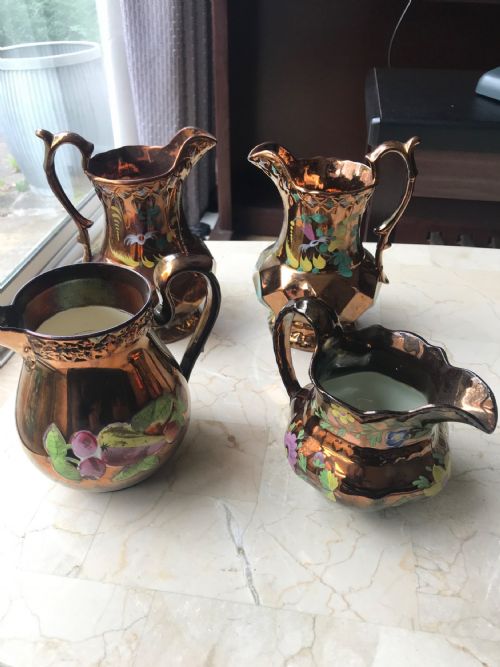
Originating largely from British workshops during the nineteenth century, these ceramics combine metallic glazes with hand-decorated floral and geometric designs. Buyers encounter everything from small cream jugs to large toilet basins, each bearing the characteristic iridescent sheen of copper lustre.
How copper lustre pottery was made
Potters built these items using earthenware, ceramic, and ironstone bases, shaping them into jugs, bowls, and figural sculptures. Once formed, the bodies received a glaze that established the smooth surface necessary for subsequent decoration.
The metallic effect relies on a specialist copper lustre glaze applied over the fired ceramic. Artisans then hand-decorated many pieces using enamel colours, painting botanical motifs, fruit, or named patterns directly onto the ware before a final firing.
Object forms span jugs, pitchers, footed bowls, basins, teapots, and Staffordshire comforter spaniels.
What varies in quality
Quality in copper lustre pottery rests upon the depth and evenness of the metallic glaze, alongside the precision of the hand-painted enamel decoration. Pieces with crisp, well-defined patterns and a rich, unblemished lustre sheen stand apart from simpler or more worn examples.
The complexity of the form and decoration also dictates distinction, as seen in multi-coloured Gaudy Welsh patterns or finely modelled Staffordshire figures. The clarity of the underlying ceramic and the vibrancy of the cobalt and enamel highlights further separate standard utility wares from finer display items.
Livesley Powell & Co·Sutherland Ware·Constanti·Cantagalli
The Copper Lustre Pottery Glossary
- Copper Lustre Glaze
- A metallic ceramic glaze that creates a reflective, copper-coloured sheen upon the fired earthenware body. It gives these nineteenth-century pieces their characteristic iridescent appearance.
- Gaudy Welsh
- A distinctive style of nineteenth-century pottery featuring bright enamel colours such as cobalt blue, iron red, and copper lustre. It often incorporates named patterns like Pagoda, Grape, or Basket of Flowers.
- Staffordshire
- A major English pottery-producing region known for earthenware figures and domestic ware. Items from this area include decorative spaniels and milk jugs finished with hand-painted details.
- Ironstone
- A durable type of heavy ceramic developed as a robust alternative to porcelain. It formed the dense body for many nineteenth-century jugs, basins, and tea wares.
- Earthenware
- A porous pottery body fired at lower temperatures, commonly used for nineteenth-century jugs and decorative bowls before being glazed and decorated.
Copper Lustre Pottery: Frequently Asked Questions
What is copper lustre pottery?
Copper lustre pottery consists of nineteenth-century earthenware and ironstone ceramics coated in a reflective metallic glaze. These items frequently feature hand-painted enamel decoration in styles like Gaudy Welsh.
Potteries produced a wide array of domestic and decorative objects using this technique. Jugs, bowls, basins, and figural sculptures form the core of what collectors encounter today.
How were these jugs used?
Nineteenth-century households utilised these ceramic vessels for serving milk, water, and tea during daily meals. Larger pieces functioned as washbasin accessories or purely ornamental mantelpiece displays.
The durability of the ironstone and earthenware bodies allowed these items to withstand regular domestic handling. Over time, many transitioned from functional kitchenware into collectible display pieces.
How do I clean copper lustre?
Cleaning requires gentle handling with warm water and mild soap to protect the delicate enamel paints and metallic glaze. A soft cloth prevents scratching the reflective surface during maintenance.
Harsh chemical cleaners and abrasive scrubbers must be avoided entirely to preserve the hand-decorated motifs. Careful drying with a lint-free cloth keeps the ceramic and lustre finish in stable condition.