
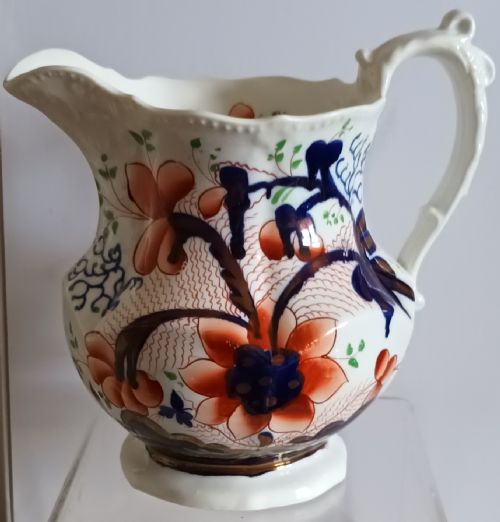


Welsh Milk Pitcher
These welsh milk pitcher examples are nineteenth-century earthenware and porcelain vessels carrying vivid patterns, offering robust utility and vernacular charm.
Welsh Milk Pitcher
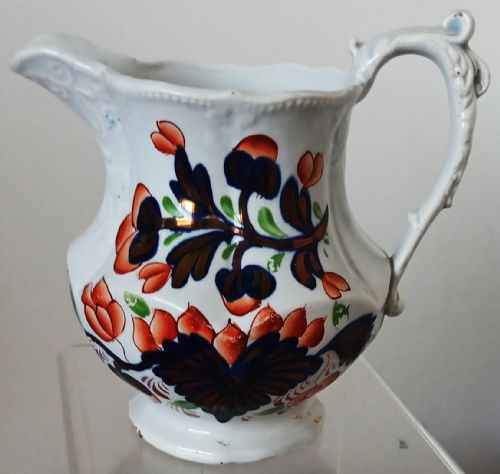
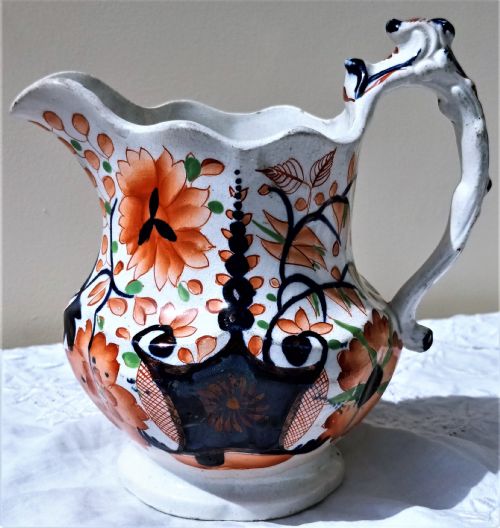
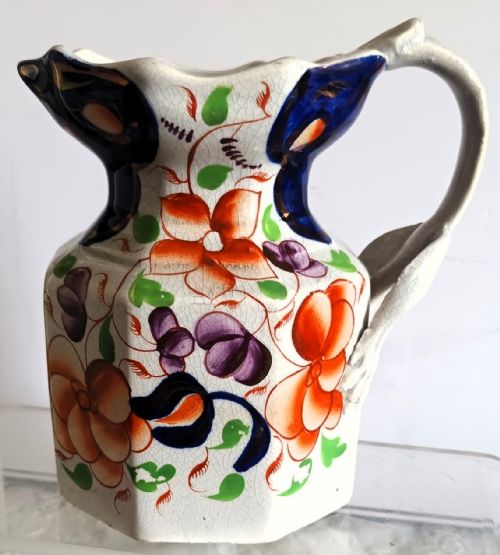
A welsh milk pitcher is a nineteenth-century serving vessel encompassing earthenware jugs, creamers, and pouch jugs. These pieces emerge primarily from Georgian and Victorian periods, often taking the form of Gaudy Welsh pottery or folk art.
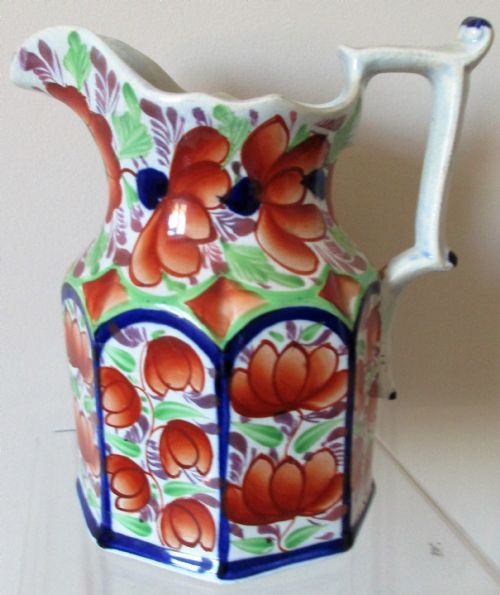
Buyers encountering this page will most frequently meet nineteenth-century Victorian jugs decorated with named patterns like Grape, Pagoda, Gower, Gwent, Harlech, Conwy, and Aberaeron. Alongside these are earlier Georgian examples, including distinctive pottery cow creamers.
The category spans utilitarian kitchenware and decorative pottery designed for the dairy or parlour table. These vessels represent both mainstream industrial production and vernacular folk traditions of the British nineteenth century.
How they were made
Makers shaped these vessels from earthenware and porcelain, applying liquid glaze to seal the porous clay body. Potters then added hand-painted decoration, enamel work, and copper lustre accents to create the distinctive colourful surface designs.
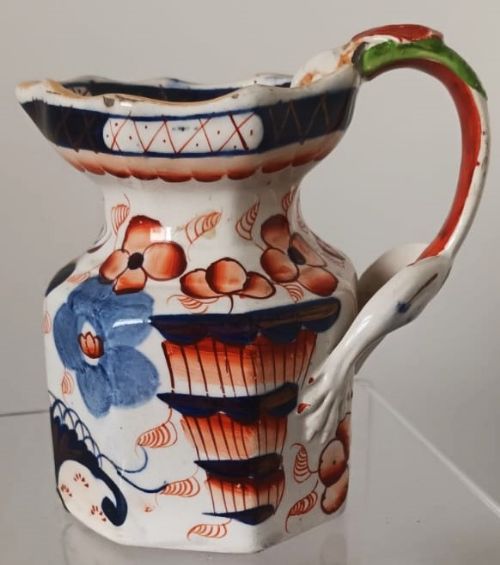
Many nineteenth-century pieces incorporate overglaze painting and gilding to highlight moulded details such as serpents or foliate motifs. Firing techniques of the period produced the characteristic glossy finish found across these jugs and creamers.
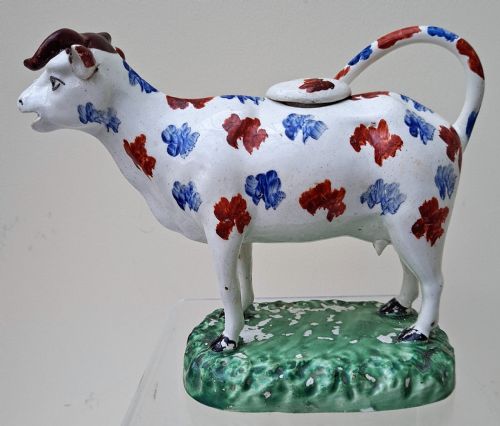
Nineteenth-century potters turned dairy cows into tea table companions by crafting hollow porcelain beasts that poured milk directly from their own mouths.
What varies in quality
Quality in a welsh milk pitcher rests on the crispness of the moulding and the vibrancy of the hand-applied enamel and copper lustre. Finer examples display precise brushwork within named patterns such as Pagoda or Grape, whereas simpler pieces show more hurried execution.
The complexity of the ceramic form also dictates distinction, moving from utilitarian creamers to elaborate pouch jugs and figural cow creamers. Preservation of the original glaze and gilding determines the overall integrity of the surviving vessel.
Keeling and Co.
The Welsh Milk Pitcher Glossary
- Gaudy Welsh
- A type of nineteenth-century earthenware featuring bright underglaze and overglaze enamel colours often combined with copper lustre. It was widely exported to Wales and remains celebrated for its vibrant palette.
- Copper Lustre
- A metallic glaze technique imparting a coppery sheen to ceramics. It is frequently used to accent the rims and handles of nineteenth-century jugs.
- Cow Creamer
- A hollow ceramic figure of a cow with an opening on the back for milk and the tail forming the handle. These whimsical vessels were popular in Georgian and Victorian times.
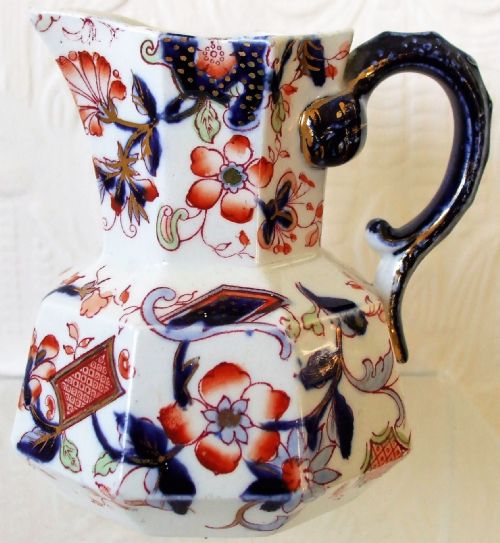
- Hydra Jug
- A ceramic pitcher featuring a moulded serpent handle echoing classical Greek forms. Keeling and Co. produced notable examples in Victorian porcelain.
- Pouch Jug
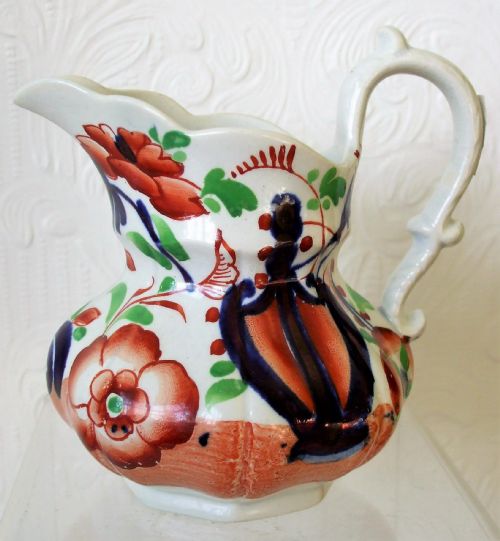
- A pitcher characterised by a swollen or bulbous body profile. This vernacular form provides extra capacity for holding milk or cream.
Welsh Milk Pitcher: Frequently Asked Questions
What is a welsh milk pitcher?
A welsh milk pitcher is a nineteenth-century ceramic vessel used for serving milk or cream, spanning simple earthenware creamers and decorative Gaudy Welsh jugs.
These pieces reflect both commercial factory output and regional folk art traditions from the Georgian and Victorian eras.
How do I date a welsh milk pitcher?
Dating relies on identifying the ceramic body, glaze characteristics, and decorative style such as Georgian folk art or Victorian transfer printing and enamel work.
Most examples date to the nineteenth century, with specific named patterns and maker marks offering further chronological clues.
What is Gaudy Welsh pottery?
Gaudy Welsh pottery refers to nineteenth-century earthenware decorated with intense cobalt blue, iron red, green, and copper lustre.
Pictorial patterns like Pagoda and Grape distinguish these colourful wares created for everyday use.
Were cow creamers used for milk?
Cow creamers served as functional cream jugs on tea tables during the Georgian and Victorian periods. Guests poured milk from an opening on the animal's back while holding the tail handle.