


Victorian Floral Milk Jug
These victorian floral milk jug examples bring patterned earthenware and painted porcelain directly to the table.
Victorian Floral Milk Jug
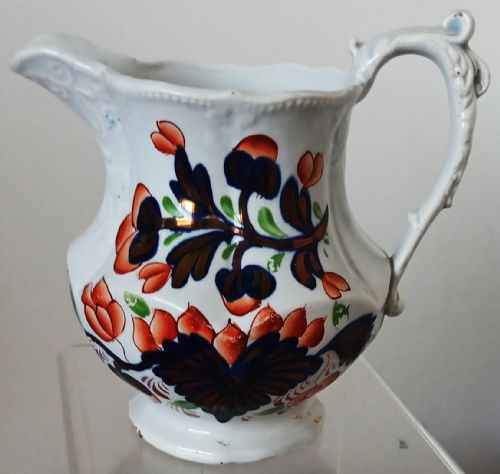
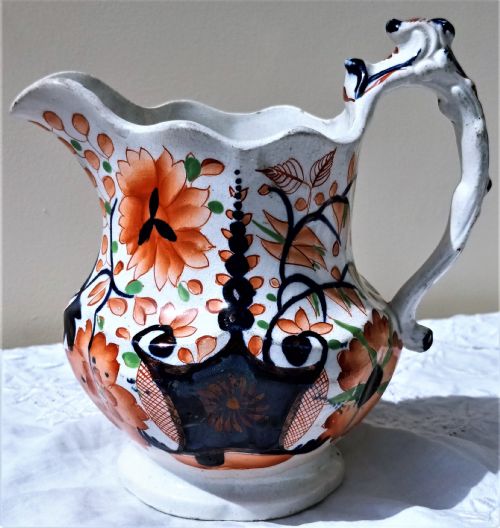
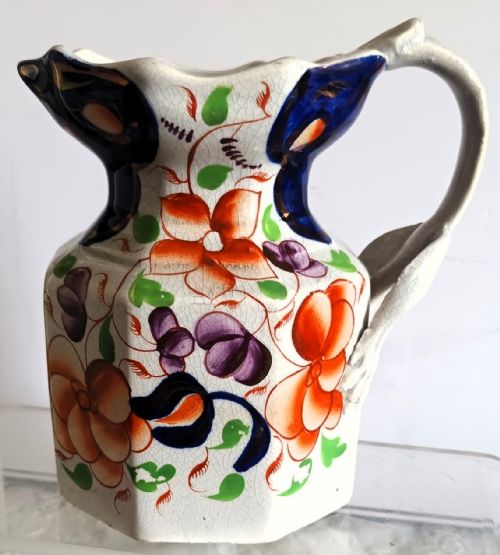
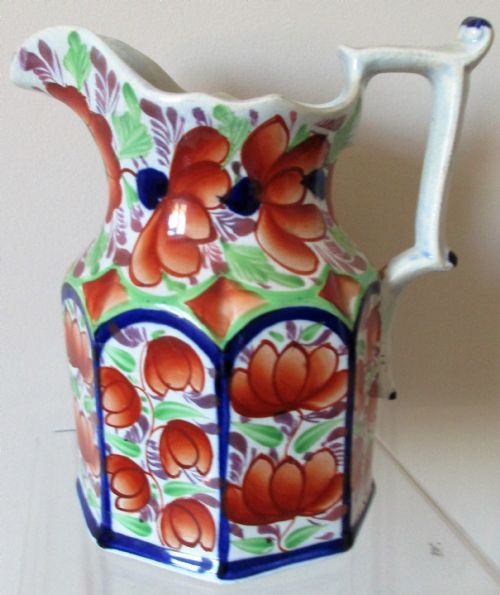
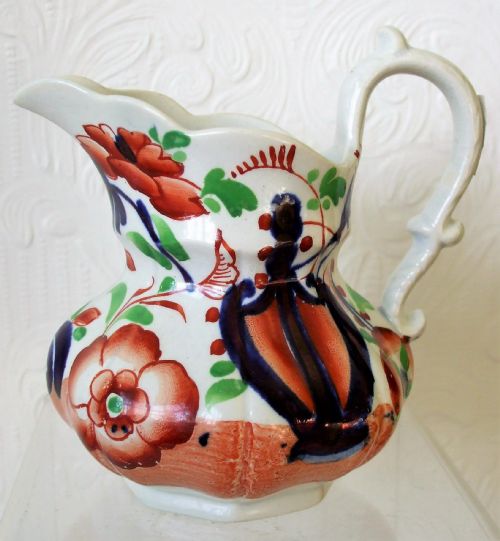
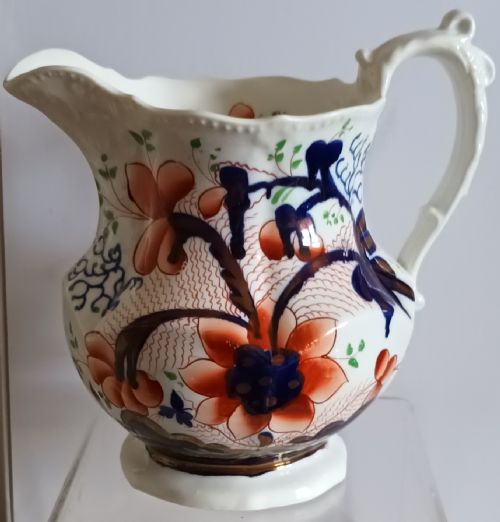
A victorian floral milk jug search uncovers patterned pottery and painted porcelain vessels created during the nineteenth century. These items include Gaudy Welsh earthenware decorated with motifs such as grape, pagoda, gower, gwent, aberaeron, harlech, and conwy patterns.
Most examples found here date from the nineteenth century, including specific pieces from 1890 and earlier Georgian items alongside silver vessels. The forms function as jugs and pitchers, featuring hand-decorated fruit designs and copper lustre finishes.
Makers represented in this selection include Keeling and Co. and Royal Worcester, alongside unassigned Staffordshire and Masons pieces. The range encompasses both miniature forms and standard milk and water jugs.
Materials and construction
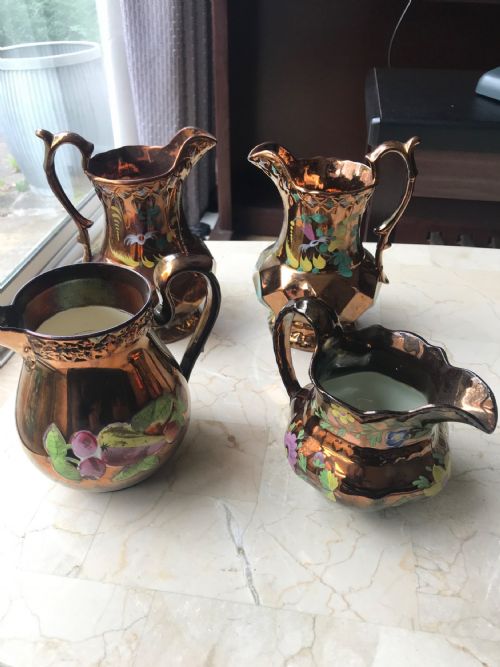
These items rely on ceramic, earthenware, and porcelain bodies finished with glaze and enamel colours. Potters applied copper lustre glaze to create metallic sheens on Staffordshire pieces, whilst other vessels received gilding.
Hand-decorated fruit and floral motifs appear across the earthenware and porcelain surfaces. Some silver examples incorporate hand-engraved floral designs and woven handles, complemented by hallmarks.
Even the smallest milk jugs manage to wear a full pagoda pattern without losing their charm.
Assessing the workmanship
Quality depends upon the clarity of the hand-decorated enamel patterns, particularly on Gaudy Welsh pottery where motifs like the pagoda or grape require precise brushwork. The application of copper lustre glaze and gilding also dictates the visual depth of each piece.
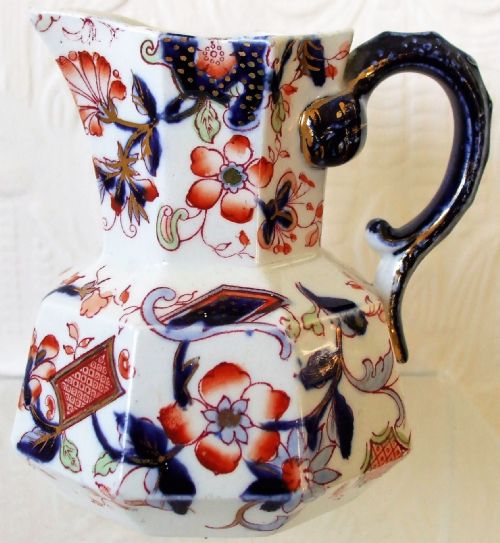
The sophistication of the ceramic form itself separates standard production from finer work, such as the moulded hydra shape or miniature proportions. Maker attributions to works by Royal Worcester or Masons further influence the standing of an individual jug.
Keeling and Co·Royal Worcester·Masons
The Victorian Floral Milk Jug Glossary
- Gaudy Welsh
- A style of colourful earthenware pottery produced in the nineteenth century featuring rich cobalt blue, copper lustre, and iron-red floral or geometric patterns. These wares were largely exported to Wales.
- Copper Lustre
- A pottery glaze incorporating metallic copper that produces a reflective, bronze-like sheen. It appears frequently on nineteenth-century Staffordshire jugs.
- Hydra Jug
- A ceramic pitcher featuring a moulded mask spout and a distinct serpentine handle shape. The form draws inspiration from classical antiquity.
- Porcelain
- A fine, hard-paste or soft-paste ceramic material fired at high temperatures to produce a vitreous, non-porous body. It forms the base for painted floral milk jugs.
- Hallmark
- An official stamp applied to silver items to indicate purity, place of origin, and the year of assay. Sterling silver jugs carry these marks for dating purposes.
Victorian Floral Milk Jug: Frequently Asked Questions
What are these jugs made from?
The pieces utilise ceramic, earthenware, and porcelain bodies decorated with enamel paints and copper lustre glazes. Sterling silver examples also appear with hand-engraved designs.
Potters applied various glazes and gilding to enhance the floral motifs across nineteenth-century production.
How do I identify Gaudy Welsh patterns?
Gaudy Welsh pieces feature distinctive cobalt blue, copper lustre, and iron-red colours arranged in named motifs like grape, pagoda, or gwent. These nineteenth-century earthenware items were widely used for table service.
Look for the characteristic bright palette and hand-painted floral details that define this regional style.
Are all these pieces from the Victorian era?
The majority of the selection originates from the nineteenth century, including specific items dated to 1890 and 1870. A small number of pieces bridge into Georgian production.
Makers active during these periods produced both standard milk jugs and miniature variations.
How were these floral jugs used?
These vessels served primarily as milk and water jugs for table use during tea and dining services. Their decorative painted fruit and floral patterns also suited display.
Potters designed both miniature and full-scale versions for domestic utility and presentation.