




Orange Decorative Bowl
An orange decorative bowl brings warmth and striking colour to a room, drawing the eye with vibrant ceramic pigments and reflective glazes.
Orange Decorative Bowl
When you search for an orange decorative bowl, you encounter a vibrant array of earthenware, porcelain, and bone china pieces designed primarily for display. These objects span periods from the nineteenth century through the Edwardian era and into Art Deco and Art Nouveau designs.
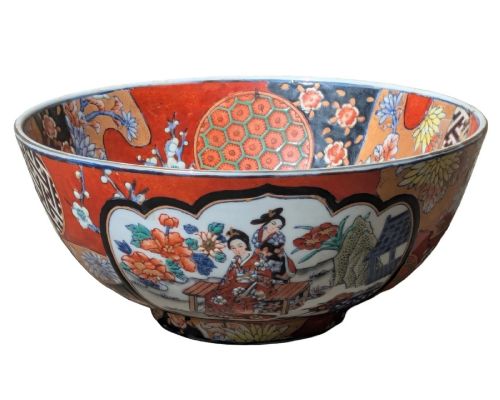
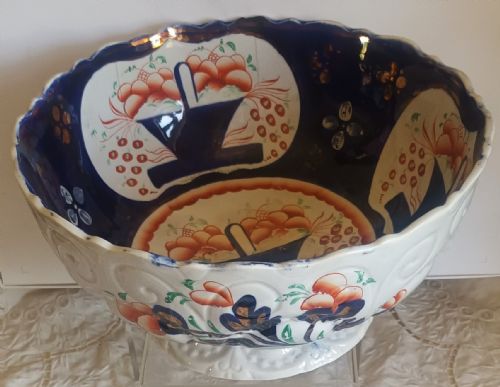
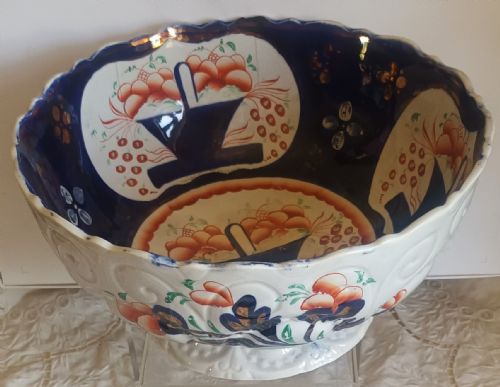
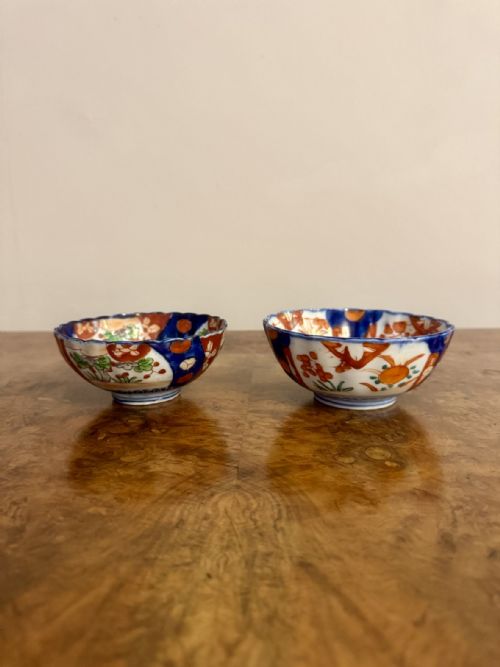
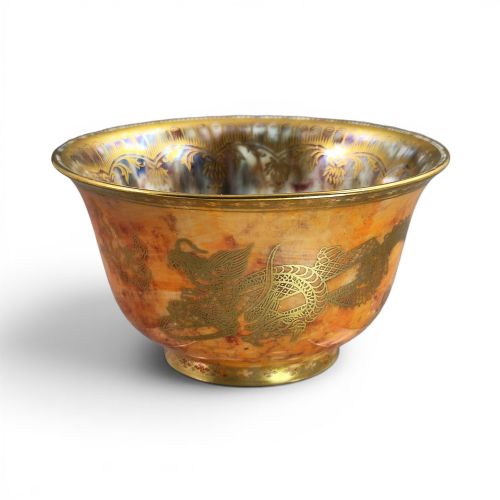
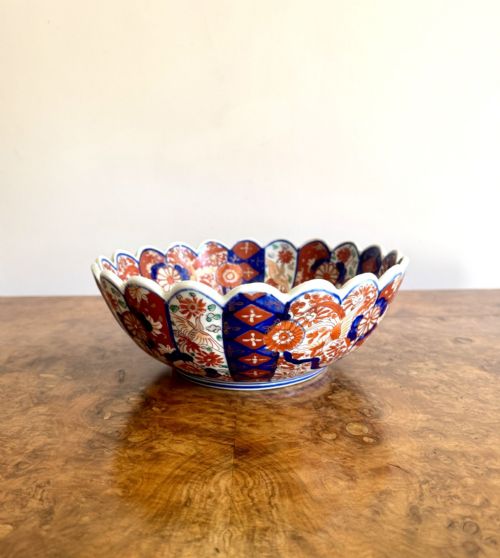
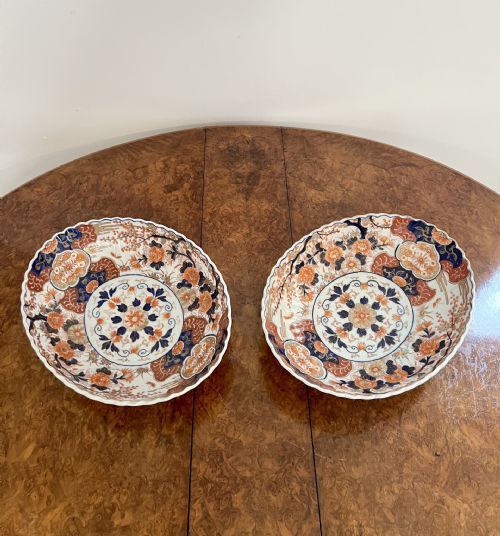
The version you are most likely to meet on this page is either a Japanese Imari porcelain piece featuring rich orange iron-red accents or a British lustre bowl from the early twentieth century. These vessels range from footed bowls and scalloped dishes to hexagonal and boat-shaped forms.
Originating from diverse traditions including Meiji period Japan and British potteries like Wedgwood and Bursley Ware, these bowls serve as focal points in domestic interiors. They combine functional vessel shapes with intricate surface decoration.
Materials and Techniques
Potters and ceramists shaped these bowls using earthenware, bone china, and porcelain, frequently applying glazes to achieve rich surface textures. Techniques such as lustre glazing introduce shimmering iridescent finishes through metallic oxides.
Decoration often incorporates hand-painted pigments, enamel, and gold leaf applied over the ceramic body or glaze. Kiln firing fixes these colours, while specialised techniques produce mottled or patterned effects across the surface of the bowl.
Listings feature porcelain, earthenware, and bone china from periods spanning the nineteenth century through the Art Deco era.
Distinctions in Quality
The standard of a bowl depends heavily on the precision of the hand-painting and the depth of the glaze. Pieces featuring complex enamel work or detailed gold leaf application demonstrate superior craftsmanship.
Consistency in the kiln firing and the clarity of transfer-printed or hand-drawn motifs distinguish finer examples. The crispness of scalloped edges and the symmetry of footed forms further separate standard production from exceptional work.
Daisy Makeig-Jones Wedgwood·Charlotte Rhead Bursley Ware·Mason’s Ironstone China
The Orange Decorative Bowl Glossary
- Lustre Glaze
- A ceramic finish incorporating metallic elements that create an iridescent or pearlescent sheen when fired. This technique produces shimmering colour variations across the bowl surface.
- Imari
- A style of Japanese porcelain featuring a distinct palette of underglaze blue and contrasting iron-red orange, often enriched with gold. These wares were widely exported from the Meiji period onwards.
- Earthenware
- A porous pottery body fired at lower temperatures, requiring a glaze to become impermeable to liquids. It serves as the base for many traditional decorative dishes.
- Footed Bowl
- A vessel raised on a distinct pedestal or base rather than resting flat on its bottom. This form elevates the display profile of the decorative piece.
- Scalloped Edge
- A decorative rim shaped into a series of continuous curves resembling a shell. This contour appears frequently on nineteenth and twentieth-century display bowls.
Orange Decorative Bowl: Frequently Asked Questions
How were decorative bowls used historically?
These bowls served primarily as display items on sideboards, tables, and cabinets to showcase wealth and artistic taste. Some functioned as potpourri holders or receptacles for small decorative objects.
Over time, their role shifted toward pure interior ornamentation, prized for their colour and form rather than domestic utility.
How do I identify Japanese Imari pieces?
Japanese Imari porcelain is recognizable by its characteristic palette combining cobalt blue, iron-red orange, and white with gilding. The designs often feature floral and geometric motifs.
Pieces originating from the Meiji period frequently exhibit crisp hand-painted details and fine porcelain bodies suited for decorative display.
What is lustre ware?
Lustre ware is pottery finished with a metallic glaze that creates a reflective, iridescent surface. Makers applied silver, copper, or bismuth compounds to achieve this metallic sheen.
During the early twentieth century, designers utilised this technique to produce deeply saturated orange and mottled bowls with luminous qualities.
How should I care for an antique bowl?
Antique ceramic and porcelain bowls require gentle handling and dry dusting with a soft brush. Avoid using chemical cleaners or immersing gilded and enamelled pieces in water.
Display them away from direct sunlight and areas prone to sudden temperature changes to protect the fragile glazes and gold leaf.
What distinguishes Art Deco ceramic styles?
Art Deco ceramics feature geometric patterns, stylized motifs, and bold colour combinations. These pieces reflect the design sensibilities of the 1920s and 1930s.
Forms are often cleaner and more architectural, utilising vibrant orange glazes and contrasting bands to emphasise the modern aesthetic.