




Orange Cobalt Ceramic Plate
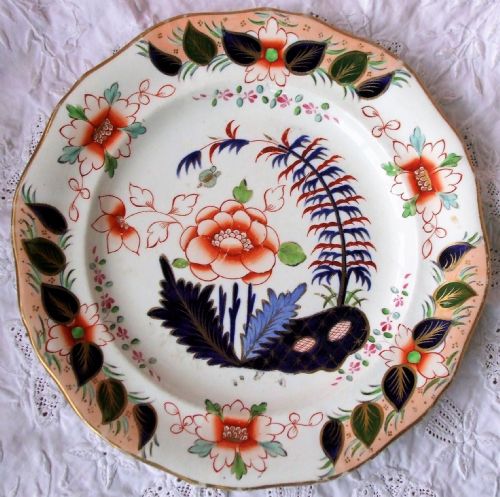
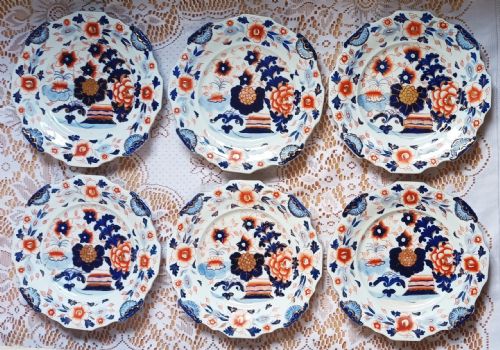
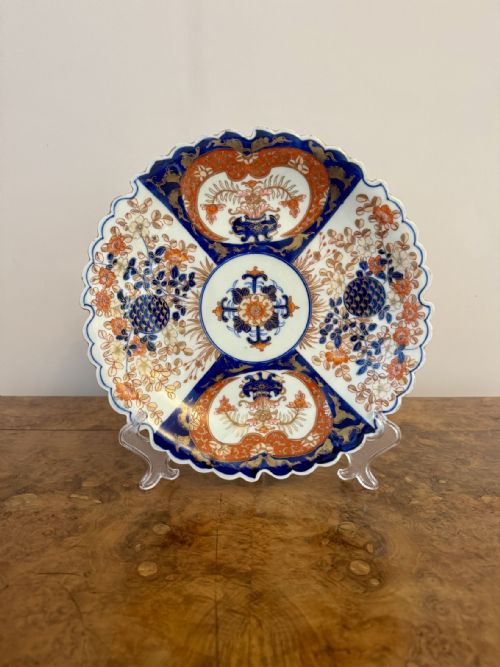
These orange cobalt ceramic plate examples combine vivid pigment palettes with striking forms, offering collectors distinct pieces of decorative history.
Orange Cobalt Ceramic Plate
When you search for an orange cobalt ceramic plate, you uncover an array of historic decorative items, mostly comprising Japanese Imari porcelain alongside English ironstone and porcelain pieces. These items span periods from the late 17th century through the Victorian era and into the early 20th century.
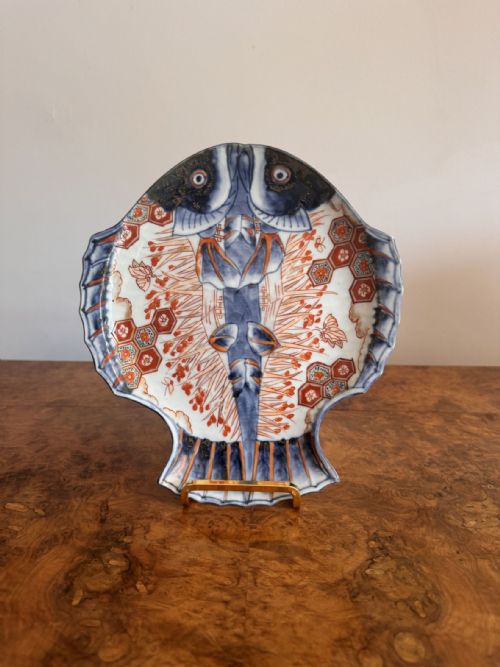
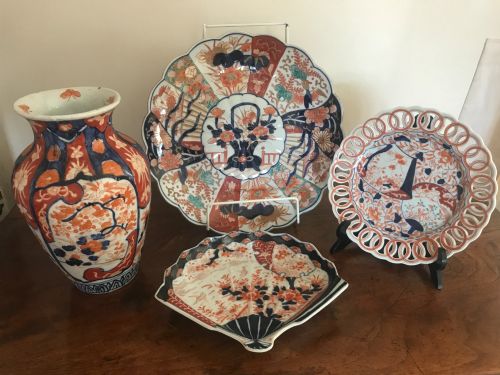
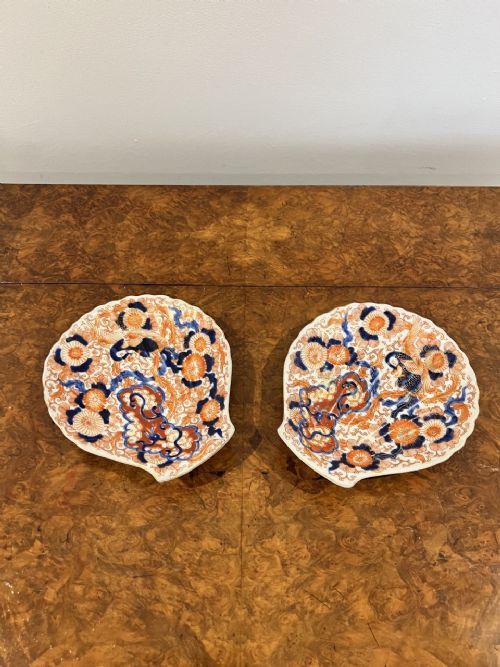
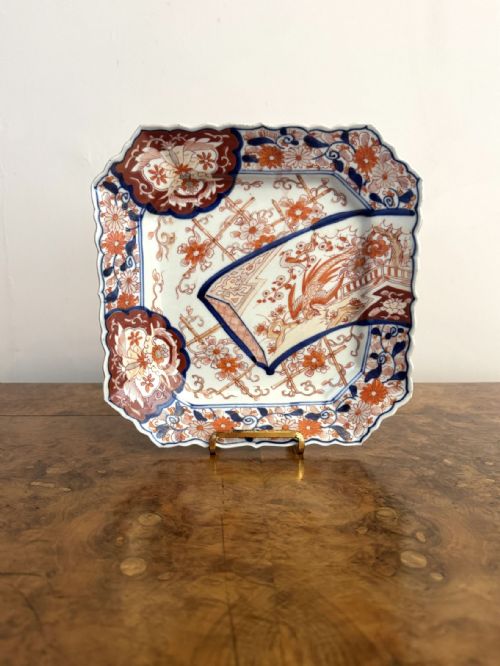
The objects appearing on this page take various forms, ranging from standard circular plates and large chargers to shaped dishes moulded like fish, shells, fans, and ribbons. Japanese Imari examples dominate the selection, bringing characteristic vibrancy and intricate motifs to the table.
English interpretations also emerge within the listings, notably through ironstone china plates and porcelain items displaying traditional Japanese-inspired patterns. Makers such as John Davenport of Longport and factories producing Masons ironstone contribute to the breadth of styles available.
Materials and methods
Potters utilised durable ceramic bodies, including porcelain and ironstone, to form the foundation of each dish before applying detailed underglaze cobalt blue and overglaze orange enamel. Artisans frequently enhanced these rich hues with accents of gold leaf and gilding.
Firing techniques allowed ceramic pieces to achieve robust glazes that protected the intricate hand-painted pigments over centuries of display and use. Skilled hands shaped porcelain into specific geometric and natural forms, such as square, oval, and shell-like contours.
Listings feature Japanese Imari porcelain alongside 19th-century English ironstone plates in diverse forms including chargers, fan shapes, and shell designs.
Evaluating distinction
Variations in quality stem from the precision of the hand-painted brushwork and the complexity of the chosen form, where unusual shapes like fish or fan outlines demand greater artistry from the maker. The vibrancy and preservation of the orange enamel and cobalt blue glaze directly influence visual impact.
The clarity of the porcelain body or ironstone fabric, coupled with the refined application of gilding or gold leaf, separates standard utility wares from exceptional decorative chargers and display dishes.
John Davenport of Longport
The Orange Cobalt Ceramic Plate Glossary
- Imari
- A style of Japanese porcelain decorated in underglaze blue and overglaze orange, red, and gold, originating from the town of Arita. This aesthetic strongly influenced later European ceramic production.
- Charger
- A large decorative plate utilised primarily for ceremonial display or as a base setting rather than for individual dining. These substantial pieces showcase expansive painted surfaces.
- Ironstone
- A type of durable heavy earthenware patented in the 19th century in England to imitate porcelain. It provided a robust canvas for colourful transfer-printed and hand-painted patterns.
- Edo Period
- A division of Japanese history spanning from 1603 to 1868, during which much foundational Imari porcelain was produced. Pieces from this era often display deep cobalt pigments and distinct artistic motifs.
Orange Cobalt Ceramic Plate: Frequently Asked Questions
What is an Imari plate?
An Imari plate is a ceramic piece decorated in a distinctive palette featuring cobalt blue, orange enamel, and gold highlights. These items originated in Japan and were later emulated by European potteries.
The style became highly prized for its colourful visual appeal and remains a staple of historic decorative ceramics collections.
How were large chargers used?
Large chargers served primarily as decorative display pieces on sideboards or walls rather than for serving food at the dining table. Their expansive surfaces allowed artisans to showcase complex pictorial scenes and rich palettes.
Today, collectors continue to use them as central decorative accents within period interiors.
How do I identify Edo period pieces?
Edo period ceramics can be recognised through traditional manufacturing traits, characteristic weight, and the specific application of cobalt and orange iron-red pigments. These early Japanese pieces often display subtle irregularities from hand-forming.
Consulting stylistic conventions of the 17th and 19th centuries helps distinguish them from later European imitations.
Are these plates suitable for daily use?
Historic ceramic plates and chargers are generally intended for decorative display or careful collection rather than rigorous everyday dining. The delicate overglaze enamels and gold leaf accents can wear down with frequent washing and heavy use.
Owners typically mount them on wall brackets or place them securely in cabinets to preserve their painted surfaces.