




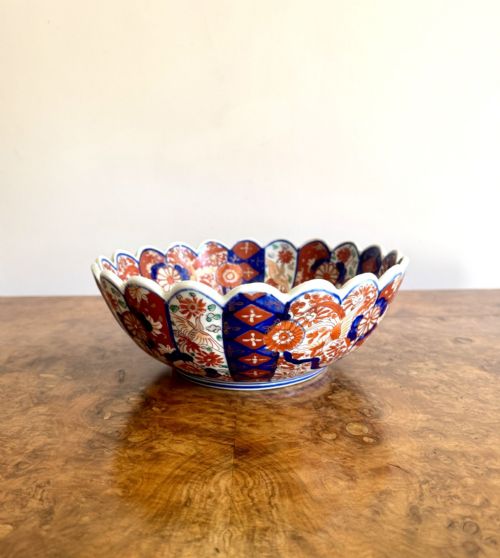
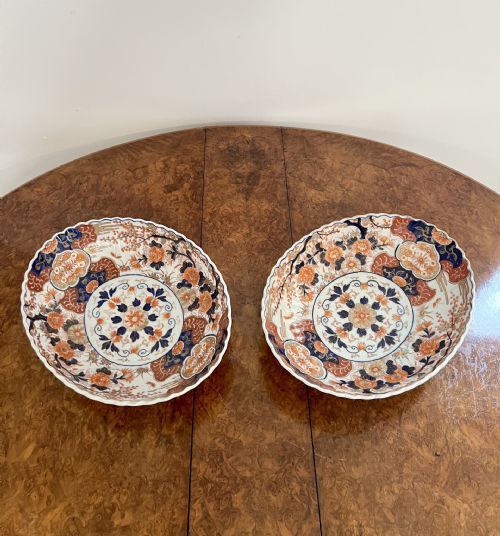


Orange Ceramic Bowl
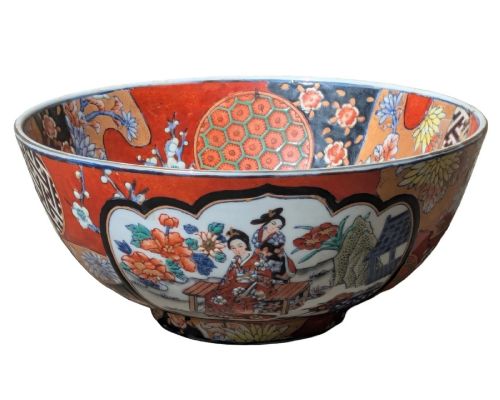
An orange ceramic bowl brings deep warmth and vibrant pigment to a room, ranging from vibrant lustre glazes to traditional Imari patterns.
Orange Ceramic Bowl
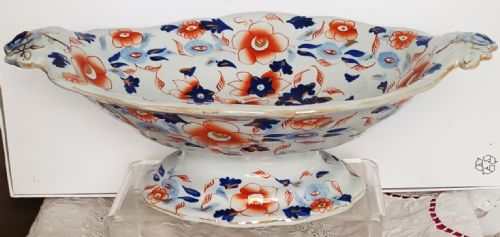
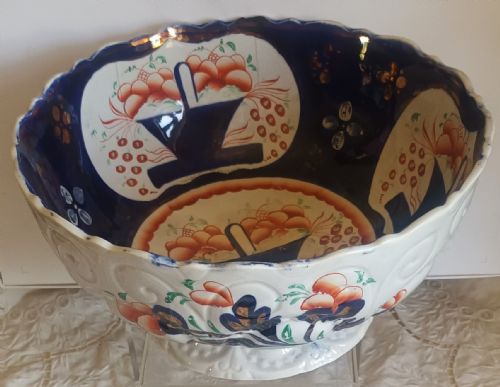
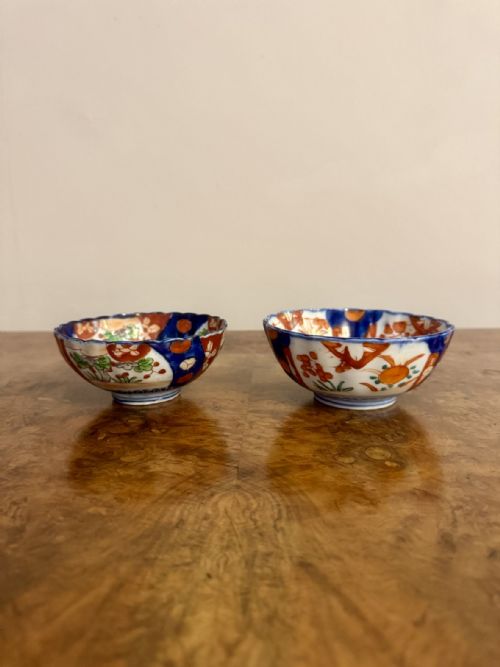
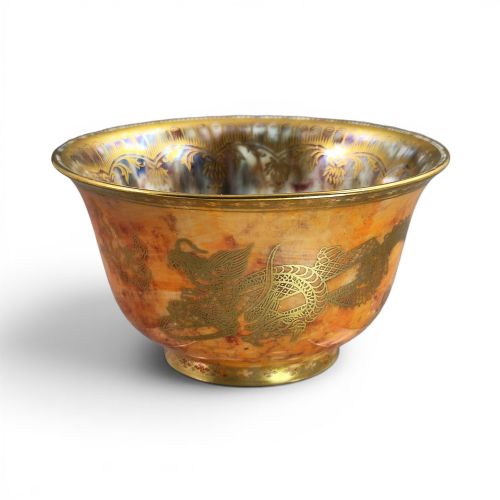
An orange ceramic bowl encompasses a diverse selection of historical tableware and decorative vessels spanning from the eighteenth century through to the art deco period. Buyers investigating this search phrase will encounter everything from large Japanese export jardinières and Chinese porcelain dishes to English ironstone comports and earthenware sugar bowls.
The most common examples on this page are Japanese Imari pieces and Wedgwood lustre bowls featuring rich orange and coral grounds, alongside vibrant twentieth-century earthenware such as Clarice Cliff Bizarre ware. These items function as striking centrepieces, fruit dishes, and decorative display pieces within the home.
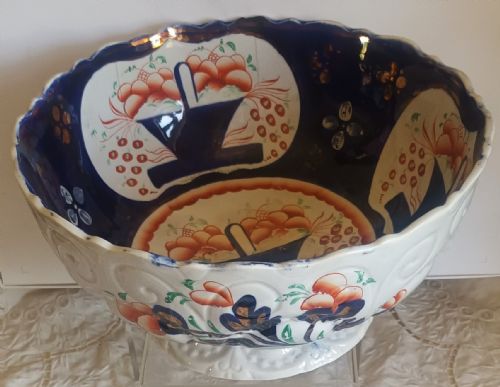
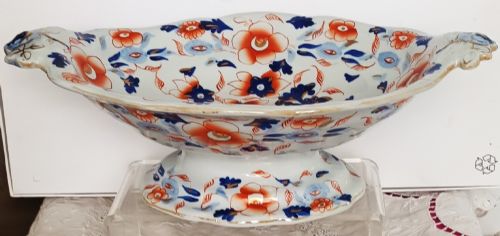
The selection includes items shaped as footed bowls, basins, octagonal vessels, and scalloped display dishes. Originating across England, Japan, and China, the objects display a striking variety of glazes, hand-painted motifs, and gilding.
How they were made
Potters utilised materials such as porcelain, bone china, ironstone, and earthenware as the foundational bodies for these vessels. Artisans shaped these clays on the wheel or pressed them into moulds to create forms like footed comports, square sugar bowls, and deep basins.
Makers applied rich glazes, enamel colours, and gold leaf to the ceramic surface before firing the pieces in kilns to fix the pigments. Wedgwood lustre wares achieved their distinct iridescent orange surfaces through specialised multi-firing techniques involving metallic oxides.
Hand-painted decoration frequently involved intricate underglaze blue combined with overglaze iron-red and enamels, particularly evident in Imari and Chinoiserie styles. Some factories utilised transfer printing before adding hand-coloured details and gilt highlights to handles and rims.
Materials represented across the inventory include bone china, ironstone, heavy earthenware, and translucent porcelain decorated with enamel and gold leaf.
What varies in quality
The distinction between standard production and exceptional quality lies in the precision and complexity of the hand-painted decoration. Finely executed pieces display crisp, highly detailed enamel work and expertly applied gold leaf rather than simplified transfer prints.
The clarity and depth of the glaze significantly influence the overall standard of the vessel. Lustre surfaces that exhibit an even, rich orange tone without cloudiness or firing blemishes command greater attention from collectors.
The reputation of the maker and the artistic integrity of the pattern heavily dictate the standing of a piece within its category. Works bearing clear factory stamps or associated with notable designers demonstrate superior artistic ambition.
Wedgwood·Mason's Ironstone·Clarice Cliff·Royal Crown Derby·Flight, Barr and Barr·Minton·Bursley Ware·James Giles
The Orange Ceramic Bowl Glossary
- Imari
- A style of Japanese porcelain decorated in underglaze blue, iron-red, and gold. This traditional aesthetic heavily influenced European potteries during the eighteenth and nineteenth centuries.
- Lustre
- A type of ceramic pottery glaze that imparts an iridescent metallic sheen. Wedgwood famously utilised this technique to create vibrant orange and butterfly-patterned decorative bowls.
- Ironstone
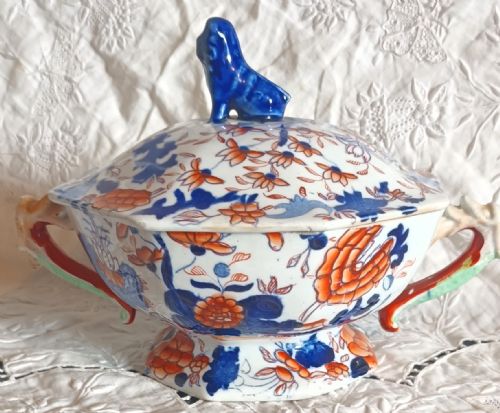
- A type of heavy, durable earthenware developed in nineteenth-century England. Factories such as Mason's utilised this dense material for robust tureens, comports, and large bowls.
- Comport
- A decorative footed dish or bowl raised on a pedestal, traditionally used for serving fruit or sweets at the dining table.
- Chinoiserie
- European artistic styles reflecting Chinese artistic motifs and landscapes. This aesthetic appears frequently on eighteenth-century export porcelain and ironstone vessels.
Orange Ceramic Bowl: Frequently Asked Questions
Can I use these bowls for serving food?
Many historical vessels were originally designed for culinary use, such as sugar bowls, tea services, and fruit comports. However, pieces decorated with overglaze enamels or gold leaf are better suited for display.
Older glazes may contain trace materials that are unsuited for modern acidic foods. Assess the condition of the interior glaze before using any antique bowl for dining purposes.
How do I identify the period of an Imari bowl?
Examine the weight, body paste, and characteristics of the glaze on the underside of the vessel. Earlier pieces often display slight kiln stilt marks and heavier potting, while later Japanese export items show refined porcelain bodies.
Look for stamped factory marks, reign characters, or painted signatures underneath the base. Comparing the style of the iron-red and blue pigments helps distinguish nineteenth-century examples from twentieth-century revivals.
How should I display a decorative bowl at home?
Place pedestal bowls and comports on sturdy wooden sideboards or mantelpieces where their height adds visual balance. Ensure they sit away from direct, harsh sunlight to prevent the orange enamels and gold leaf from fading over time.
Use stable plate stands if displaying flat dishes or shallow bowls vertically. For deep basins and jardinières, position them where light catches the interior glaze.