



Orange Blue Ceramic Pitcher
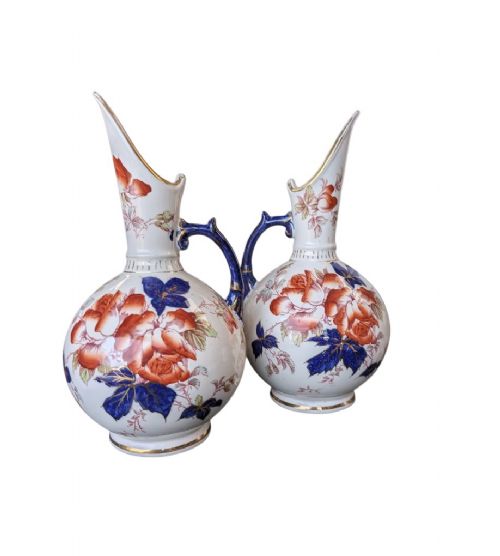
These orange blue ceramic pitcher selections bring together bright earthenware and ironstone jugs from Victorian and Georgian periods.
Orange Blue Ceramic Pitcher
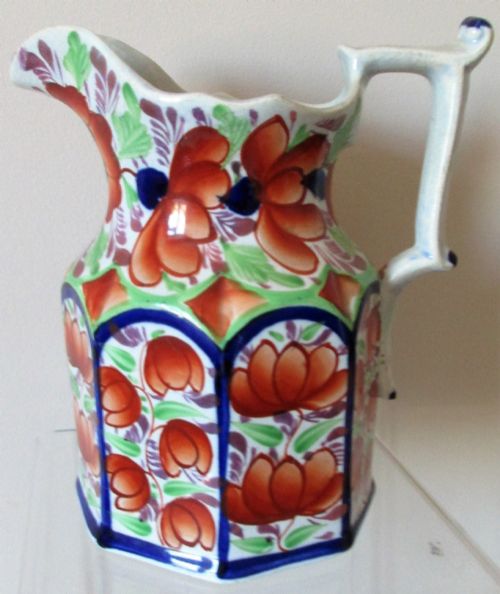
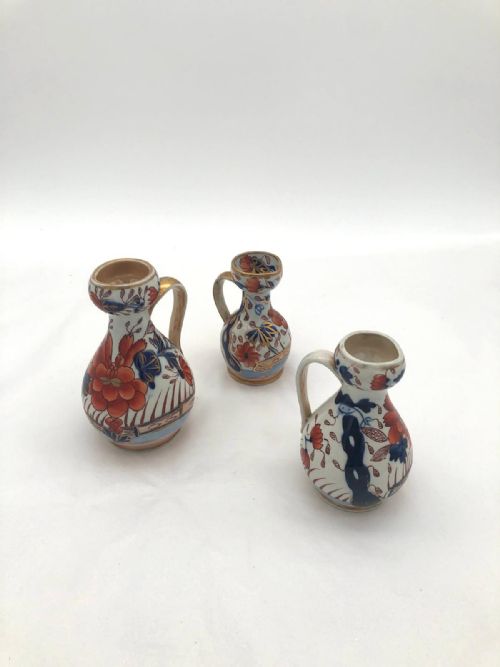
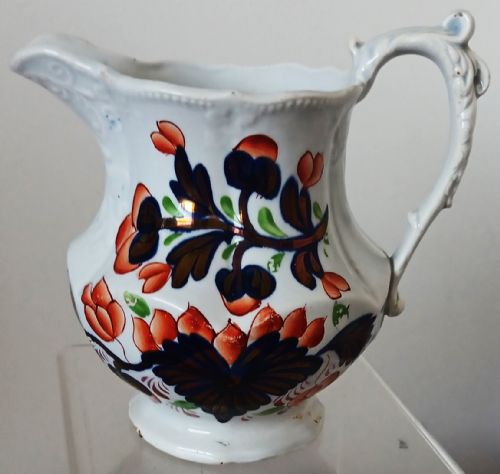
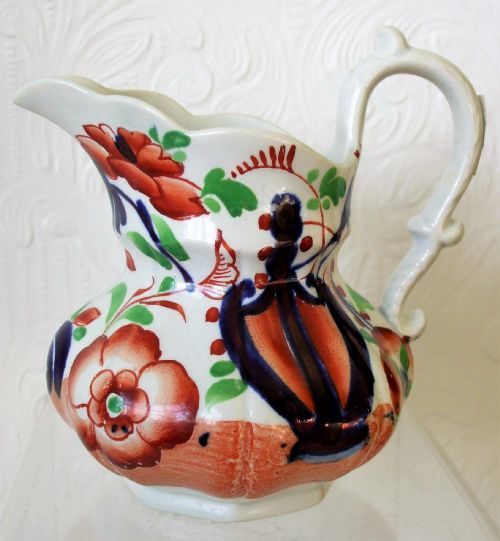
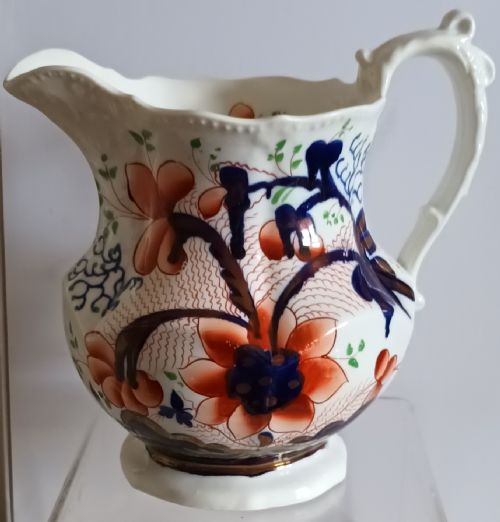
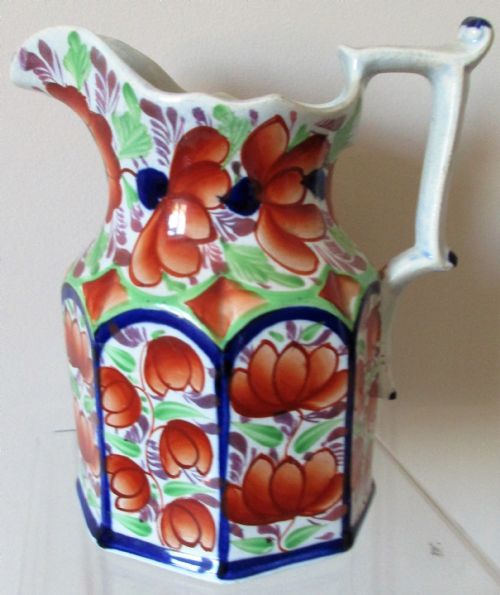
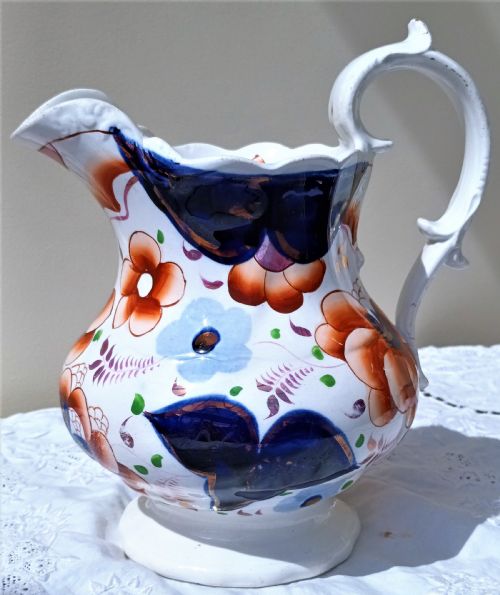
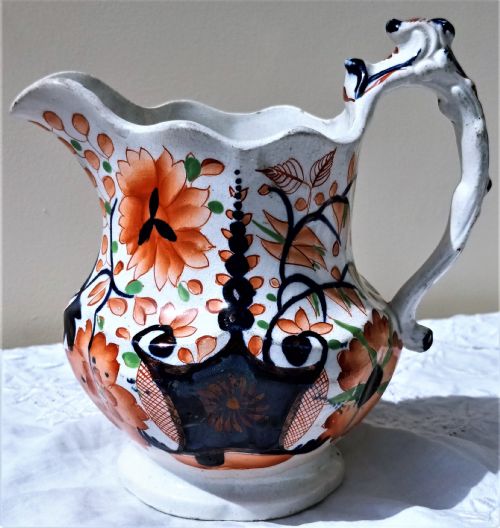
The orange blue ceramic pitcher covers a range of earthenware and ironstone jugs originating primarily from Victorian and Georgian periods. Buyers encounter patterned pottery forms such as Gaudy Welsh patterns including Gwent, Grape, Drape, Pagoda, Aberaeron, Harlech, and Conwy.
Materials and construction methods
Makers utilised ceramic, earthenware, and ironstone bodies to form these jugs, applying glazes and enamel decoration in striking orange and blue palettes. Certain pieces incorporate copper lustre highlights to accent the moulded surfaces.
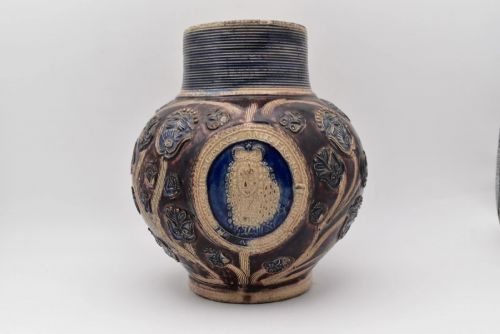
Techniques range from standard earthenware pottery production to dense ironstone fabrication, with some items featuring hard-paste porcelain or salt-glazed stoneware methods seen in the Westerwald pieces.
Orange Blue Ceramic Pitcher Retail Price Guide 2026
Typical asking prices for orange blue ceramic pitcher among the pieces listed under this phrase on Sellingantiques today, from the lower quarter to the upper quarter. They describe what is for sale here now, not the wider market.
Listings feature earthenware, ironstone, and stoneware materials across Victorian, Georgian, and seventeenth-century periods.
Distinctions in quality
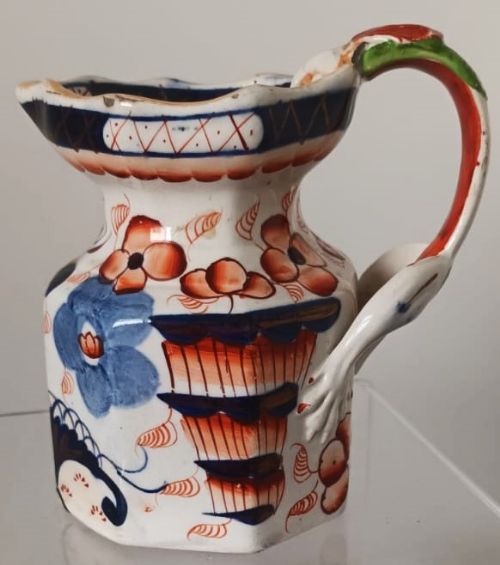
Quality varies through the crispness of the moulded jug body, particularly on complex shapes like Hydra handles and octagonal forms. Sharp execution in the hand-painted orange and blue enamels separates standard production from finer work.
The clarity of transfer-printed or hand-painted patterns, such as intricate architectural Pagoda motifs or floral Gaudy Welsh designs, indicates the skill applied during decoration.
Mason's Ironstone·Davenport
The Orange Blue Ceramic Pitcher Glossary
- Ironstone
- A dense, durable type of earthenware patented in the nineteenth century. It provides a robust body for jugs and pitchers.
- Gaudy Welsh
- A style of colourful pottery made in Wales and England featuring cobalt blue, iron-red orange, and copper lustre. It was widely exported during the Victorian era.
- Hydra jug
- A specific jug form characterised by a serpent or dragon handle paired with an octagonal or moulded body. It is frequently associated with Mason's production.
- Westerwald
- A German region known for salt-glazed stoneware pottery. Pieces often feature incised or applied cobalt blue and manganese purple or orange decoration.
Orange Blue Ceramic Pitcher: Frequently Asked Questions
What periods do these jugs span?
The pieces range from seventeenth-century Westerwald stoneware through Georgian items to numerous nineteenth-century Victorian examples.
Most items sit firmly in the Victorian period, reflecting the popularity of Gaudy Welsh and ironstone tablewares.
How were these pitchers used?
These vessels served functional roles for holding liquids at table, including water, milk, or beer during meals.
Many examples also functioned as decorative mantel or dresser ornaments due to their vibrant orange and blue colour schemes.
What is Gaudy Welsh pottery?
Gaudy Welsh refers to domestic pottery decorated with bright underglaze blue, enamel orange, and copper lustre highlights.
Potters applied these patterns to various jug shapes, named after Welsh localities like Gwent and Harlech.
How do I care for ironstone jugs?
Ironstone jugs benefit from gentle hand washing with mild soap to protect their glazed surfaces and enamel colours.
Avoid harsh abrasives and sudden temperature changes to preserve the nineteenth-century ceramic body.