

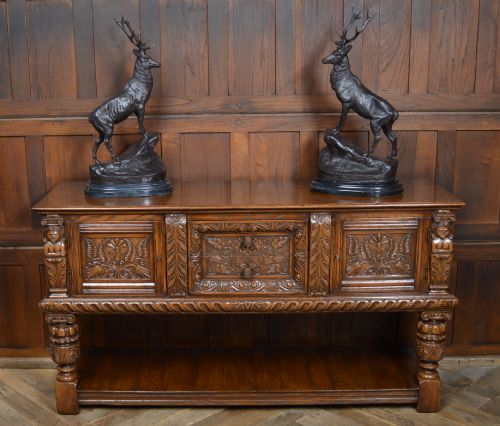


Open Shelf Buffet
An open shelf buffet serves as a practical serving piece and display surface, combining tiered timber shelves for storage with robust construction.
Open Shelf Buffet
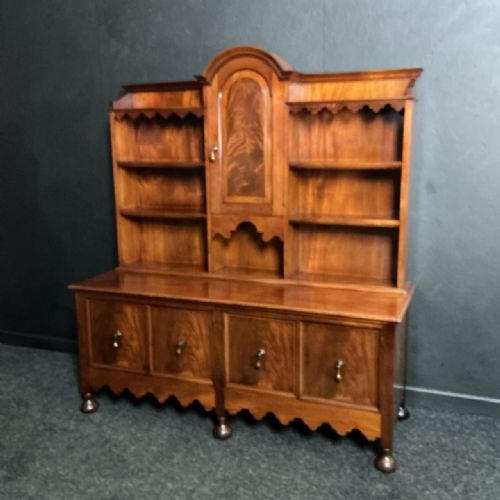
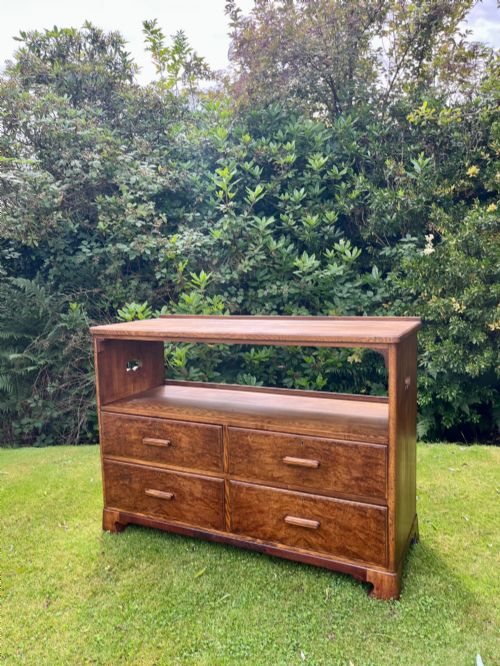
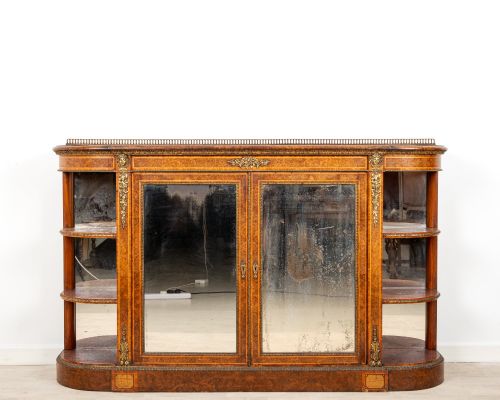
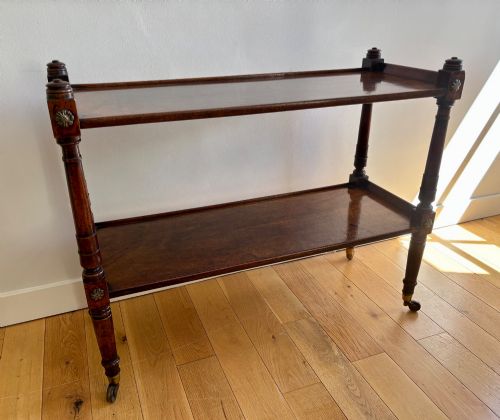
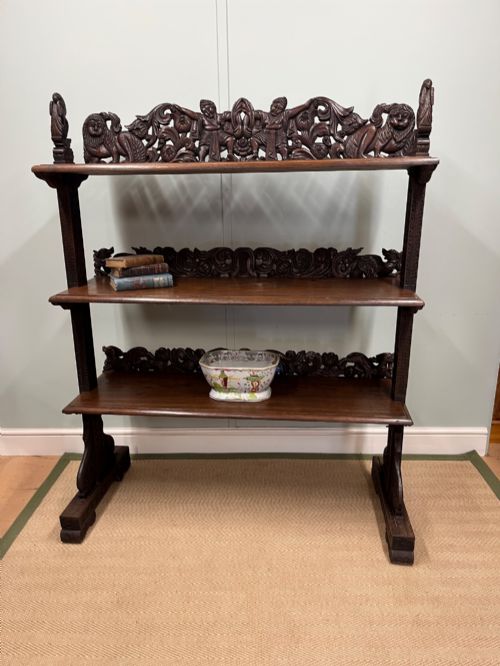
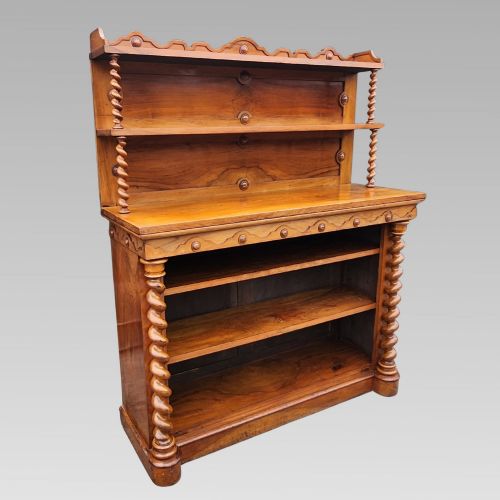
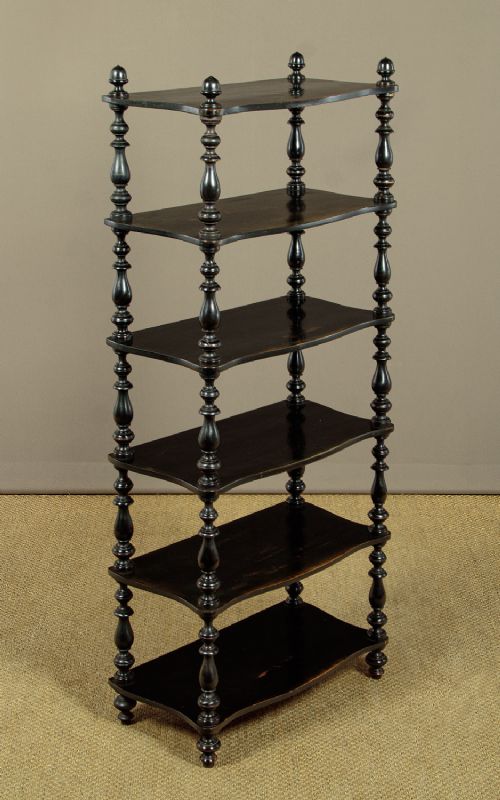
An open shelf buffet functions as a versatile piece of furniture designed for serving and display, appearing across periods from Regency through to Art Deco. Buyers seeking an open shelf buffet will encounter forms including tiered etageres, credenzas, side cabinets, and pot board dresser bases. These items provide accessible shelving combined with enclosed storage or serving surfaces suited to domestic interiors.
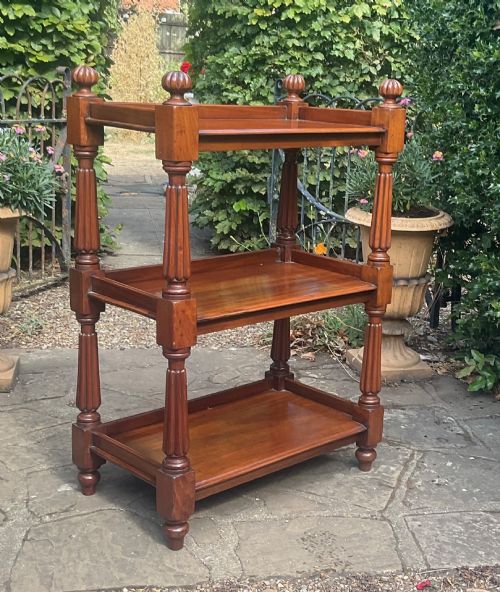
The selection ranges from slim three-tier mahogany buffet designs dating to the mid-nineteenth century to Edwardian walnut mirror-back sideboards and substantial oak dresser bases. Pieces span the nineteenth century, Edwardian era, and the 1930s, reflecting diverse regional styles such as English Country and French cabinet-making. Each variation offers distinct storage configurations tailored to dining and reception rooms.
Materials and Construction
Cabinet makers utilised dense hardwoods including mahogany, walnut, burr walnut, rosewood, elm, and oak to build the primary carcass and structural framework of each buffet. Selected pieces incorporate decorative brass mounts, ormolu details, and inset glass panels to enhance the visual presentation of the timber.
Joinery methods varied according to the period and regional workshop traditions, employing pegged joints in earlier oak pieces and fine cabinet-making techniques for nineteenth-century burr walnut credenzas and etageres. Surfaces were polished to highlight the natural grain of the wood, whilst structural mobility was frequently assisted by original castors.
Distinctions in Quality
Quality manifests in the selection of figured timber veneers, such as burr walnut or matched mahogany, which display superior grain patterns and depth of colour. Finer examples exhibit meticulous hand-carved detailing, precise brass or ormolu mounts, and integrated mirrored doors executed by skilled workshops.
Construction integrity distinguishes standard utilitarian items from exceptional pieces, visible in the weight of the timber, the stability of multi-tiered shelving, and the preservation of original hardware like castors. The reputation of the maker and the cohesion of the stylistic details further elevate the standing of a buffet within its period.
Whytock and Reid·KRIEGER of Paris
The Open Shelf Buffet Glossary
- Buffet
- A piece of furniture used for storing and serving food or displaying tableware. These often feature a combination of open shelves and enclosed cabinet space.
- Etagere
- A piece of furniture consisting of a set of open shelves for displaying small objects or ornaments. They frequently appear in multi-tiered formats constructed from mahogany or walnut.
- Credenza
- A-type of sideboard or cabinet historically used for holding food, distinguished by enclosed doors and sometimes mirrored panels. Victorian iterations often incorporate decorative ormolu mounts.
- Pot board
- An open lower shelf on a dresser base traditionally used for storing pots and domestic utensils. This feature is common in English Country and earlier oak dressers.
- Ormolu
- Gilded bronze applications utilised as decorative mounts on nineteenth-century furniture. This technique adds metallic contrast to burr walnut and mahogany surfaces.
Open Shelf Buffet: Frequently Asked Questions
What is an open shelf buffet used for?
An open shelf buffet serves primarily as a surface for serving food and displaying dining ware or decorative items. The combination of open tiers and enclosed storage accommodates both presentation and practical utility.
In historic interiors, these pieces occupied dining rooms and reception spaces to assist with meal service. Today, they function effectively as storage furniture and display units in domestic settings.
How do I identify a Victorian buffet?
Victorian pieces frequently utilise dark timbers such as mahogany and burr walnut, often complemented by decorative brass, mirrored doors, or ormolu mounts. The construction generally emphasises robust proportions and ornate detailing.
Examination of the interior construction, drawer linings, and hardware provides further indication of nineteenth-century manufacture. Many examples also retain original castors beneath their structural supports.
What is the difference between an etagere and a sideboard?
An etagere consists principally of multiple open shelves designed specifically for display, offering minimal enclosed storage. They are typically lighter in visual weight and feature slender upright supports.
A sideboard or buffet prioritises enclosed cupboard space and a solid top surface for serving, though hybrid forms combine open tiers with cabinetry. Sideboards generally serve heavier storage functions within a dining room.
How should I care for antique timber furniture?
Maintaining antique timber requires stable environmental conditions away from direct sunlight and sudden temperature fluctuations. Regular dusting with a soft, dry cloth preserves the polished surface without damaging the wood.
Application of appropriate beeswax feeds the timber periodically and maintains the natural grain. Avoiding excessive moisture prevents warping and protects delicate veneers.