





Old Sheffield Plate Jug
An old sheffield plate jug combines copper and silver fused together, offering the genuine weight and warm gleam collectors seek.
Old Sheffield Plate Jug
An old sheffield plate jug represents a historical drinking or pouring vessel created through the thermal fusion of silver and copper sheets. Buyers searching for this phrase encounter domestic and ecclesiastical forms originating across the eighteenth and nineteenth centuries, spanning Georgian, Regency, and Victorian periods.
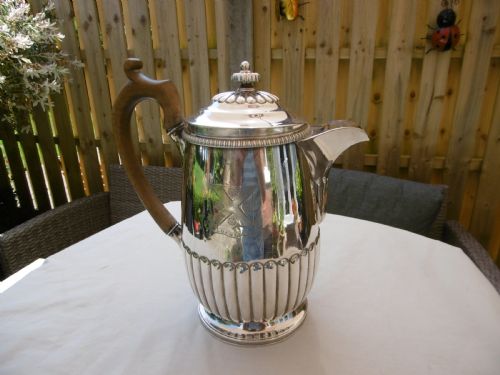
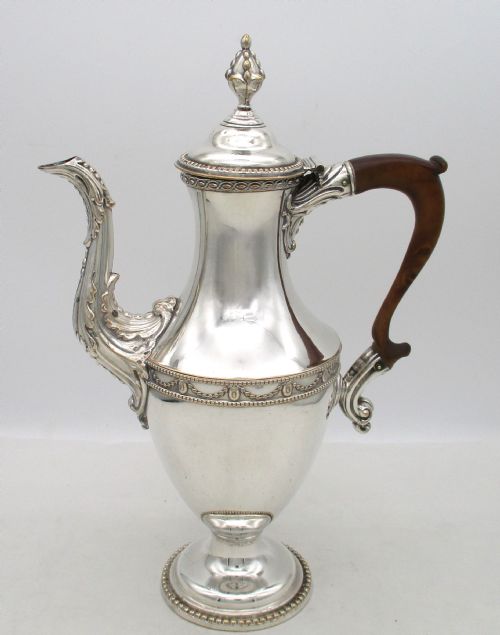
The selections on this page appear as coffee pots, beer jugs, wine ewers, decanters, and communion flagons. The most common version met here is the tall coffee pot or beer jug dating from the eighteenth century or the Georgian era, shaped with classic proportions.
Makers utilised these vessels for formal dining, social gatherings, and church services, often adding crests or coats of arms. Surviving examples demonstrate the versatility of the material across diverse domestic and ceremonial contexts.
How they were made
Makers manufactured old sheffield plate by fusing a layer of silver to a thicker ingot of copper, then rolling the combined metal into sheets. This fused composite formed the primary body of each jug.
Workers shaped the rolled metal into pitchers, tankards, and coffee pots, soldering seams and attaching handles made from hardwood or metal. Silver wire edges frequently concealed exposed copper lines at the rims.
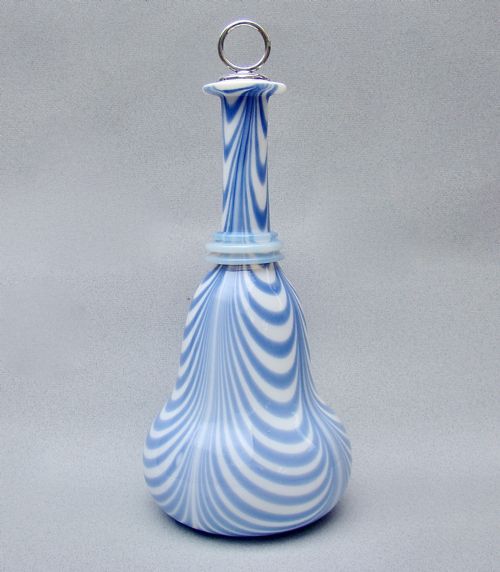
Makers applied early marks and engraved crests by hand onto the outer silver surface. Glass inserts appear in specific wine decanters paired with the plated metal frames.
Churchgoers in Poplar once poured sacramental wine from communion jugs that now reside among domestic beer pitchers.
What varies in quality
The distribution of the original silver layer across the copper core determines much of the piece's integrity. Thicker silver fusion withstands decades of cleaning better than thinner applications.
The crispness of hand-engraved coats of arms and the clarity of early maker marks separate standard vessels from finer workshop outputs. Well-preserved handles and intact wooden insulators contribute to historical completeness.
Matthew Boulton·John Hoyland
The Old Sheffield Plate Jug Glossary
- Old Sheffield Plate
- A composite material formed by fusing silver to a copper base. This technique preceded modern electroplating.
- Wine Ewer
- A decorative pitcher used for serving wine at table. These pieces often date from the Regency period.
- Communion Flagon
- A tall vessel utilised for holding sacramental wine during church services. They appear in Victorian ecclesiastical contexts.
- Coat of Arms
- A heraldic design engraved onto the silver surface. It indicates the original owning family or institution.
Old Sheffield Plate Jug: Frequently Asked Questions
How do I clean an old sheffield plate jug?
Clean the surface gently using a soft cloth and a mild silver polish formulated for plated items. Avoid harsh abrasives that might wear through the thin silver layer.
Take care around engraved crests and maker marks to preserve the original detailing over time.
Can I use my jug for serving drinks?
Most antique vessels function adequately for serving cold beverages or displaying flowers. Review the interior condition of each piece before serving liquids.
Ecclesiastical flagons and early coffee pots often suit display or decorative collection better than daily beverage service.
How do I tell Georgian pieces apart from Victorian ones?
Georgian vessels typically display restrained classical lines, simpler handles, and early maker marks. They reflect eighteenth and early nineteenth-century design.
Victorian items often incorporate heavier ornamentation, ecclesiastic styling, or mixed materials like Nailsea glass.
What is the difference between a coffee pot and a beer jug?
Coffee pots usually feature taller, more tapered bodies designed to hold hot brewed drinks with insulated handles. Beer jugs present wider, sturdier forms suited for pouring ales.
Tankards and flagons offer even heavier cylindrical proportions with hinged lids for containment.