
Georgian Metalware Vessel
These georgian metalware vessel items are utilitarian copper, brass, pewter and silver plate pieces designed for kitchen, tavern and domestic service.

Georgian Metalware Vessel
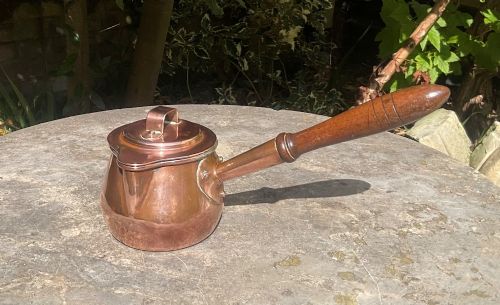
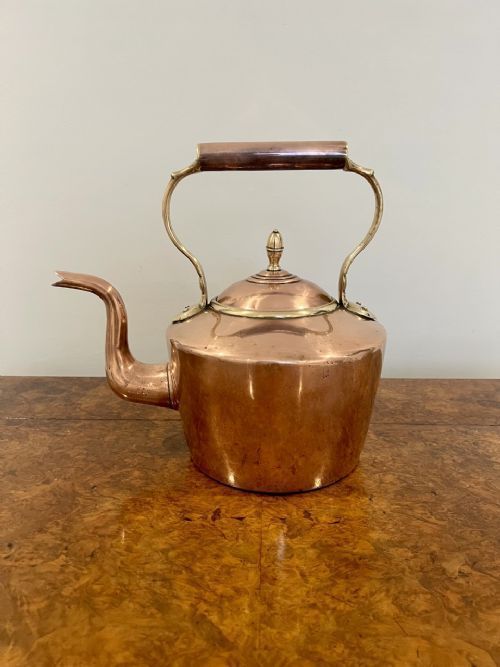
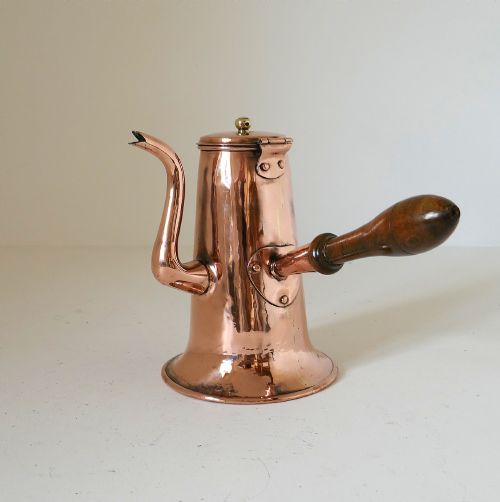
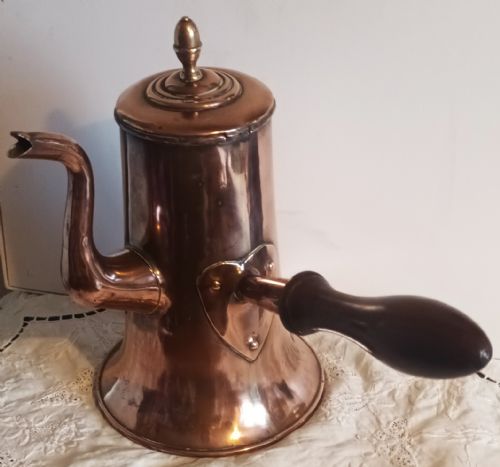
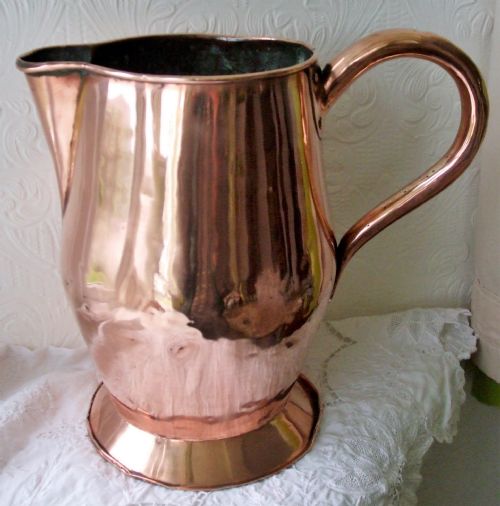
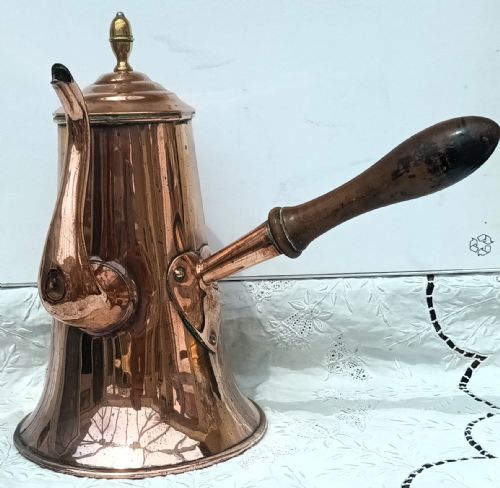
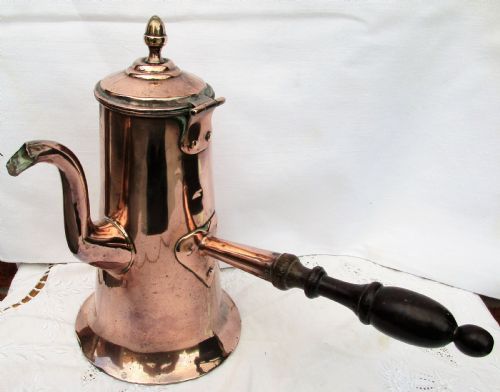
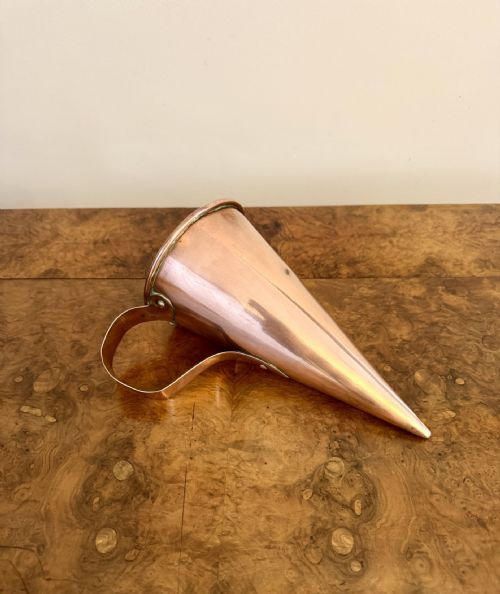
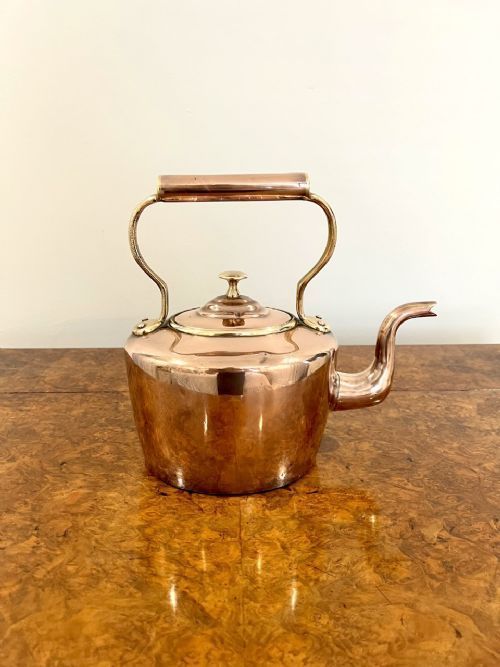
A georgian metalware vessel encompasses practical containers utilised for boiling, warming, measuring and serving liquids in the eighteenth and nineteenth centuries. Buyers searching for a georgian metalware vessel most frequently encounter heavy-gauge copper kettles, coffee pots, jugs and pitchers dating from the George III period.
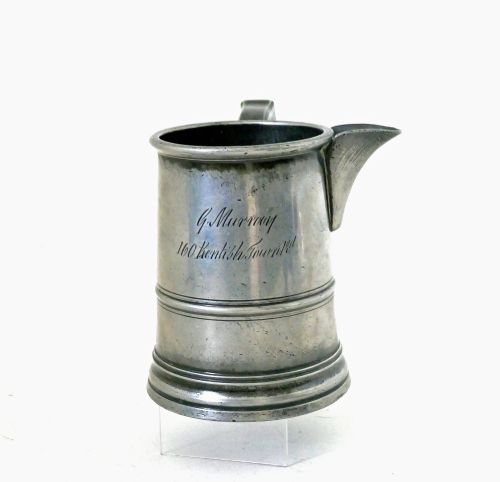
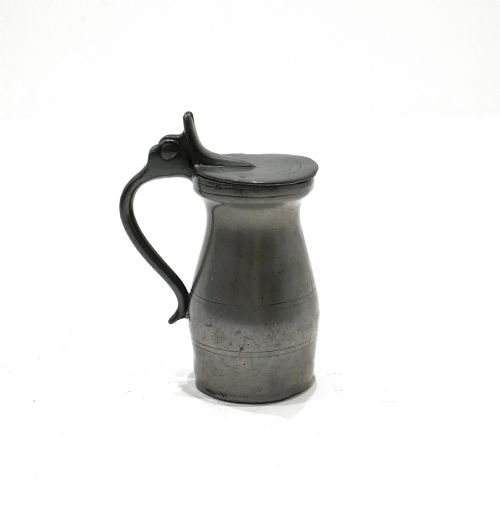
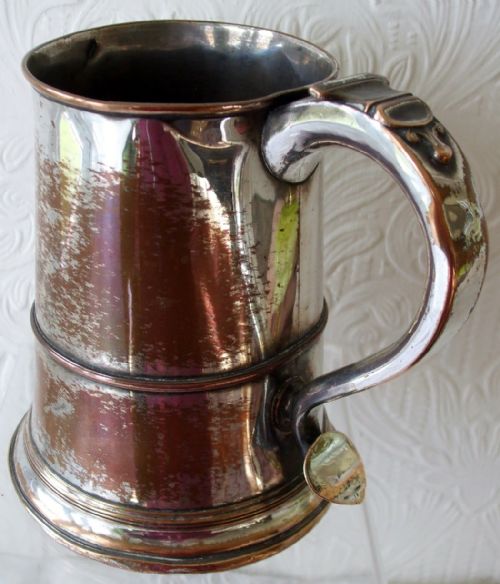
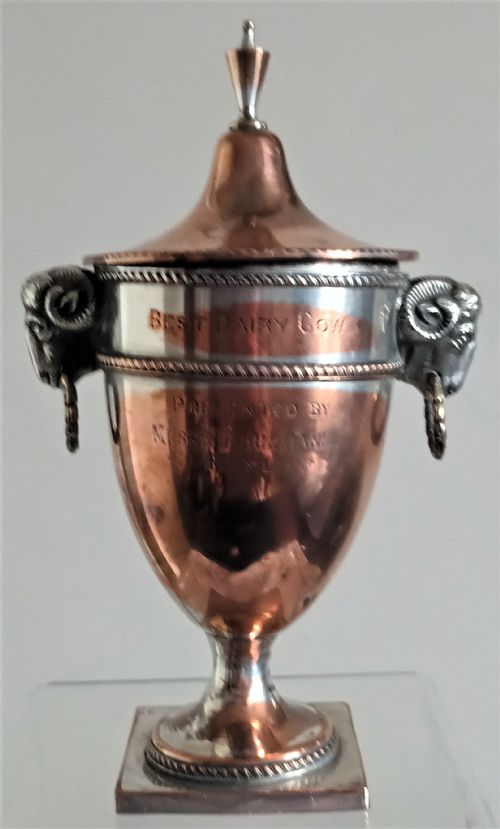
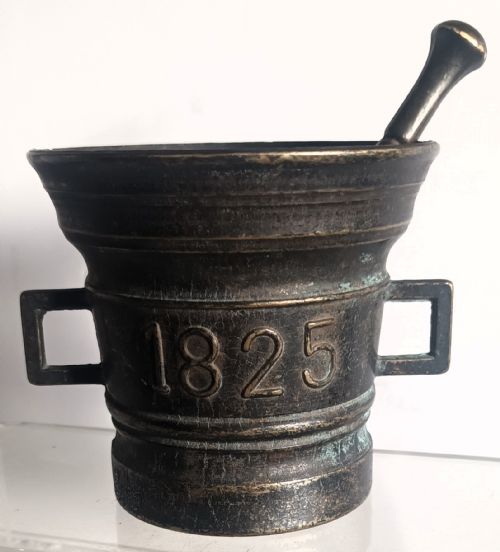
The selection also spans pewter spirit measures, ale jugs and spired flagons alongside Old Sheffield Plate mugs, argyles and miniature chestnut urns. Domestic forms such as copper warmers, brass mortars and bronze censers appear alongside utilitarian cookware and ale mullers.
Originating predominantly from English workshops, these items reflect the practical domestic requirements of Georgian households, country houses and taverns. Occasional continental or Japanese examples provide variety within the broader category.
How They Were Made
Makers formed copper vessels through hand-beating sheet metal over stakes, joining seams with dovetailing or brazing, and frequently incorporating riveted handles and spouts of brass or copper. Pewter objects relied on metal casting in moulds, finished with turning on a lathe and hand engraving.
Old Sheffield Plate combined a thin layer of silver fused to a copper base, creating durable tableware with precious metal surfaces. Bronze and brass items utilised traditional foundry casting methods, followed by hand finishing with a mortar and pestle or turning tools.
Georgian Metalware Vessel Retail Price Guide 2026
Typical asking prices for georgian metalware vessel among the pieces listed under this phrase on Sellingantiques today, from the lower quarter to the upper quarter. They describe what is for sale here now, not the wider market.
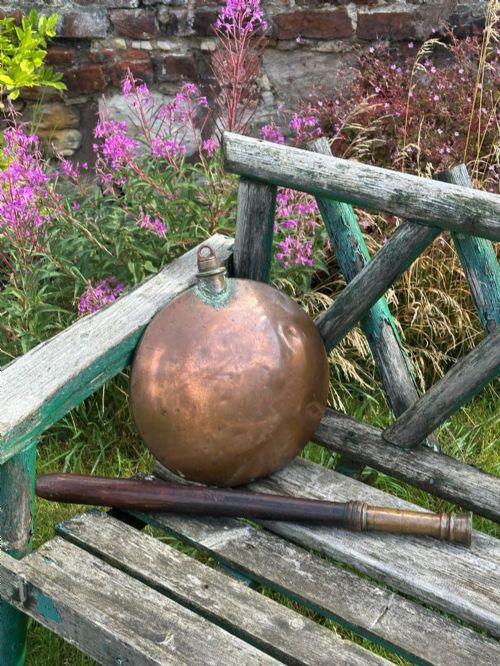
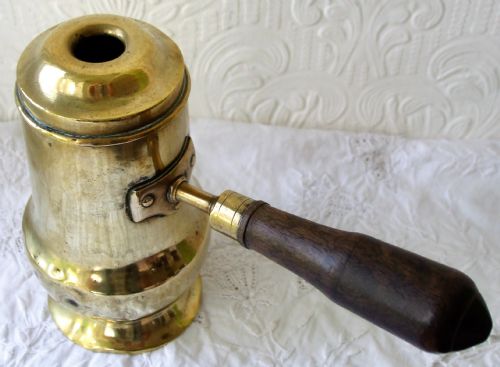
Several copper vessels include detachable oak handles, allowing eighteenth-century travellers to pack their warming flasks flat inside luggage.
What Varies in Quality
The standard of a georgian metalware vessel rests upon the thickness of the original metal sheet and the integrity of its construction. Heavy-gauge copper and substantial pewter castings retain their structural form and wall thickness better through centuries of use and cleaning than thin alternatives.
Proportion, hand-finished detailing such as engraved inscriptions or maker marks, and the survival of original components like oak handles or brass spouts distinguish superior pieces. Altered spouts, replaced bases or aggressive over-polishing diminish the integrity of an antique metal vessel.
William Soutter & Sons·Robert Iles of London·Loftus of Oxford Street London
The Georgian Metalware Vessel Glossary
- Old Sheffield Plate
- An early composite material made by fusing a thin sheet of silver to a thicker copper core. This technique predates electroplating and produces a rich, warm glow as the base copper softly shows through wear.
- Spirit Measure
- A standardised vessel utilised for containing and dispensing alcohol. These items often bear pre-imperial capacity stamps or touchmarks from regional inspectors.
- Ale Muller
- A specialised container designed to be placed directly into hot coals to warm spiced beer. They typically feature a long handle for safe removal from the hearth.
- Argyle
- A metallic gravy or sauce container featuring a central heating compartment. Hot water or a heated cylinder kept the contents warm during dining.
- Spire Flagon
- A tall, tapered drinking or pouring vessel featuring a distinctive conical lid. These pewter pieces were common in domestic and ecclesiastical settings during the eighteenth century.
Georgian Metalware Vessel: Frequently Asked Questions
How do I clean an antique copper vessel?
Maintain the surface with a gentle metal cleaner only when necessary to remove harmful oxidation. Many collectors prefer to preserve the deep, natural patina built up over centuries.
Avoid abrasive scouring pads or harsh chemical dips that strip away the historical surface character and thin the original metal walls.
Were these metal vessels used for cooking?
Many copper kettles, coffee pots and cookware items served practical roles over open hearths or kitchen ranges. Pewter pieces were generally reserved for serving and storing liquids rather than direct heating.
Examine the interior surfaces for evidence of tinning, which was applied to copper to prevent food interaction with the base metal.
What is the difference between brass and copper pieces?
Copper is a softer, highly conductive metal prized for boiling vessels and kettles due to rapid heat transfer. Brass is an alloy of copper and zinc, offering greater rigidity for cast items like mortars, pestles and decorative censers.
Both metals were common in Georgian interiors but served entirely different functional requirements based on their physical properties.
How can I date a pewter spirit measure?
Dating relies heavily upon capacity touchmarks, maker stamps and structural evolution from flat lids to domed variants. Pre-imperial capacity stamps generally indicate manufacture prior to nineteenth-century standardisation.
Maker touchmarks struck into the metal often correspond to known guild records and specific working dates of individual pewterers.