


Old Sheffield Plate Cover
An old sheffield plate cover brings substantial Georgian and Regency weight to the dining table, fusing copper and silver into a durable centrepiece.
Old Sheffield Plate Cover
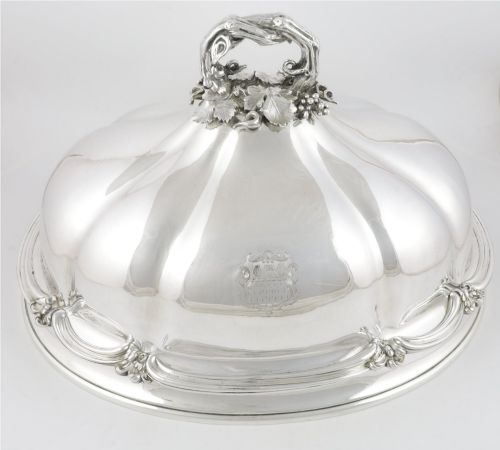
An old sheffield plate cover serves as a grand domed shelter for meat, game, and roasts, keeping food warm at large dining tables. Buyers hunt for these substantial pieces to bring period authenticity and utilitarian elegance to traditional dining settings.
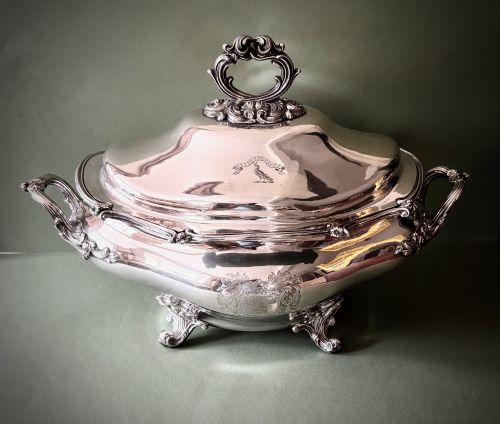
The most common form met on this page is the meat dome or food cover, frequently dating from the Georgian and Regency periods. These heavy covers often appear alongside tureens, warming dishes, and entree dishes.
Originating primarily from the late eighteenth and nineteenth centuries, these items reflect the dining customs of landed estates. Makers shaped copper and silver fused plates into grand ovals designed to fit specific serving platters.
Manufacturing and Materials
The method relies on the fusion of a thin sheet of silver to a thicker copper core under heat and pressure. This process, discovered in Sheffield, allowed workers to hammer and shape the composite metal into large domes without exposing the base metal.
Silversmiths applied sterling silver wire edges to conceal the exposed copper lines along the rims of the covers. Handles and crests were typically cast separately in silver or plated metal and then soldered onto the main dome.
Object forms on this page range from meat domes and game covers to soup tureens, entree dishes, and lidded tankards.
Assessing Quality and Craft
Quality rests upon the thickness of the original fused silver sheet and the preservation of that layer through centuries of polishing. Heavier copper weight beneath provides the structural rigidity expected in top tier pieces.
Engraved crests, coats of arms, and finely cast handles indicate a higher commission from prominent workshops. The seamless integration of the dome shape and balanced proportions separate utilitarian items from exceptional examples.
Roberts Cadman·Henry Wilkinson·Boulton·Cresswick·Ashforth And Co
The Old Sheffield Plate Cover Glossary
- Old Sheffield Plate
- A composite material made by fusing silver and copper together before shaping. This technique preceded electroplating and yields a rich, warm lustre.
- Meat Dome
- A large, high-domed cover used to keep joints of meat warm on the table. These pieces often feature sturdy ring handles on top.
- Fusion
- The metallurgical process of bonding silver and copper sheets under heat. It forms the foundation of genuine old sheffield plate items.
- Crest
- An engraved family heraldry symbol often found on high status serving covers. It denotes the original owning household.
Old Sheffield Plate Cover: Frequently Asked Questions
How do I clean old sheffield plate?
Clean these items gently using a soft cloth and non-abrasive silver cream designed for plated items. Vigorous scrubbing will wear through the thin silver layer and reveal the copper beneath.
Store the covers in a dry environment and avoid harsh dips that strip the character from the metal surface.
What is the difference between silver plate and old sheffield plate?
Old sheffield plate involves physically fusing a sheet of silver to copper through heat and rolling, rather than depositing silver via an electrical current. This older mechanical method creates a distinct depth in the metal.
Older fused pieces often show faint traces of copper along cut edges and wear spots, which helps separate them from nineteenth-century electroplated items.
Were these covers used on their own?
These domed covers were typically paired with matching serving platters, well and tree bases, or warming dishes. They functioned as part of a coordinated service to transport roasted meats from the kitchen.
Many pieces still retain their original warming bases or fit standard serving dishes of the Georgian period.
How do I date an old sheffield plate cover?
Dating relies on stylistic clues such as the form of the handle, the sharpness of the engraved crests, and the shape of the dome. Georgian examples tend to show simpler lines, while Regency pieces often incorporate bolder decorative mounts.
Makers' marks, when present, provide further clues, though many early pieces carry only retailer stamps or punch marks.