



Oil on Glass Painting
When you search for an oil on glass painting, you uncover delicate historical panels and framed works that capture light through translucent pigment.
Oil on Glass Painting
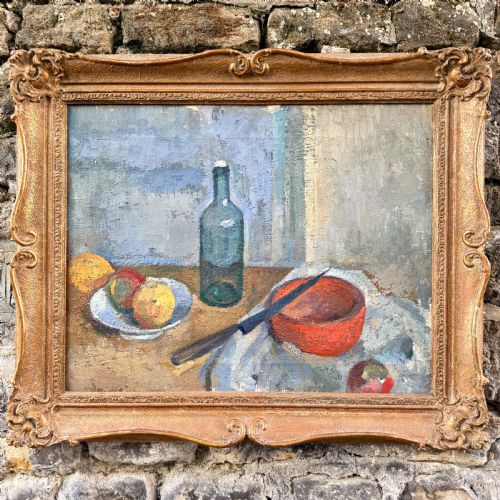
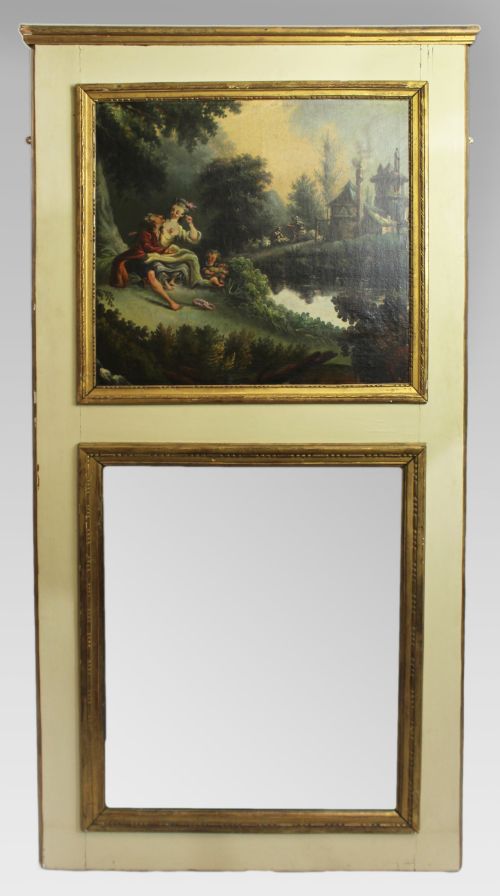
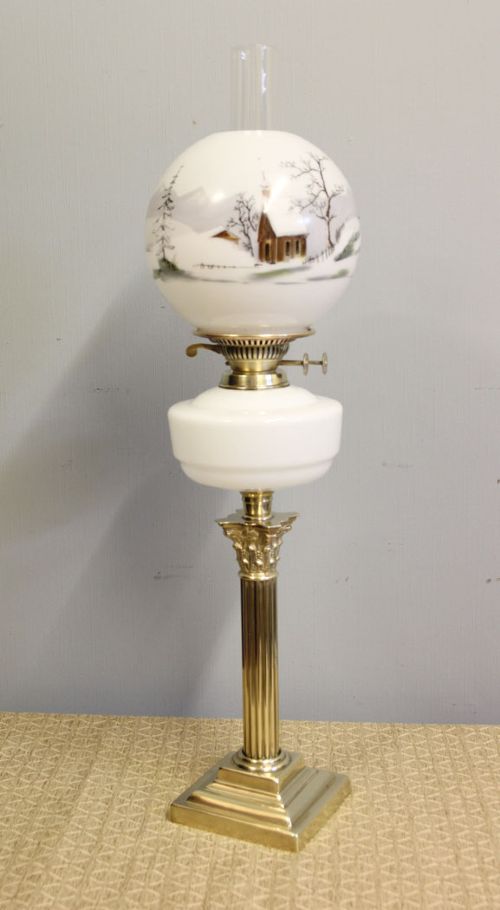
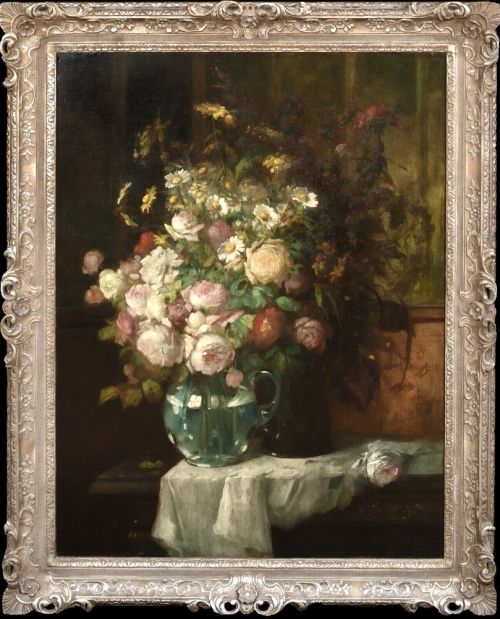
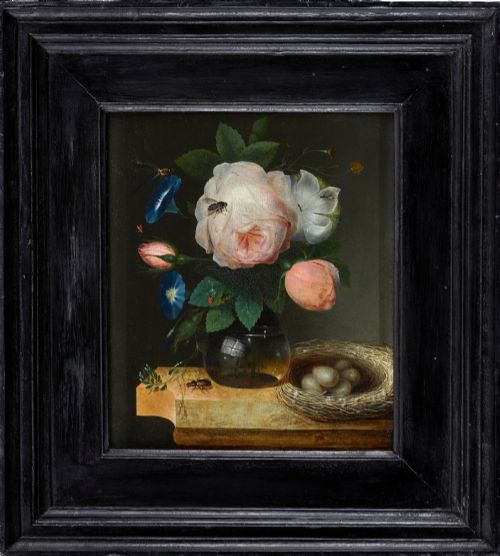
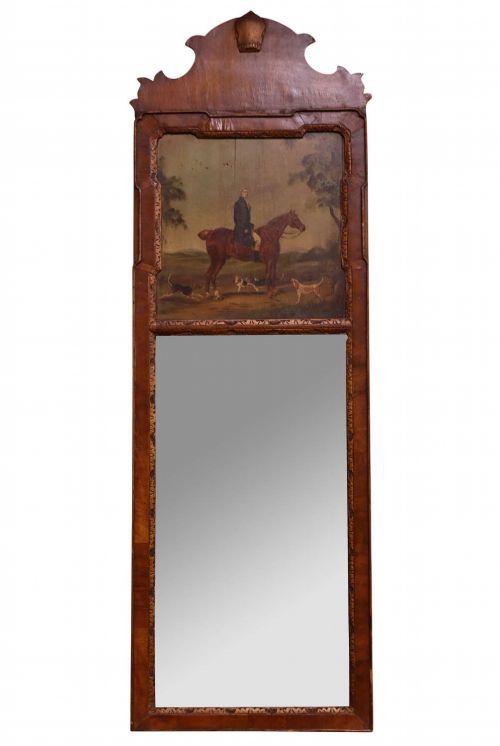
When browsing for an oil on glass painting, buyers encounter works ranging from Victorian reverse glass panels depicting birds and floral scenes to mid-century still life studies and armorial crests. The selections on this page span the nineteenth century into the twentieth century, encompassing both standalone framed works and decorative components integrated into mirrors.
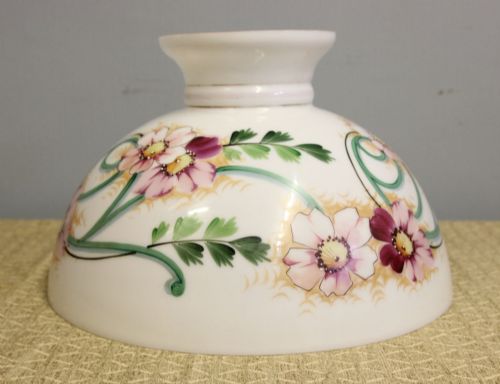
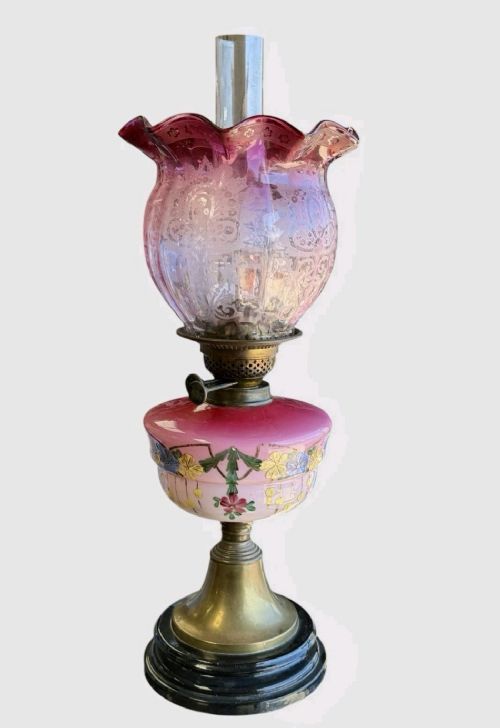
The term encompasses both direct application onto milk glass and reverse glass techniques where the image is painted back-to-front so it reads correctly from the front. Many examples combine fine artistry with decorative household items, bridging the gap between traditional canvas works and decorative glass panels.
How they were made
Makers applied oil paint directly onto glass surfaces, including milk glass panels, or utilised the reverse painting method where fine details and foreground elements were laid down first. The finished pieces were then typically set into carved gilded wood frames, plaster frames, or incorporated into larger structural pieces like trumeau mirrors.
The combination of oil paint and fragile glass required steady brushwork, as the non-porous medium demanded careful handling to ensure the pigment adhered properly over time. Protective framing often included wooden backing boards or convex glass covers to safeguard the delicate paint layer.
Cats, kittens, and birds frequently share glass panels with delicate floral sprays, proving Victorians loved pets in their still lifes.
What varies in quality
The distinction between standard examples and the finest works lies in the precision of the brushwork and the complexity of the composition, particularly in floral arrangements or animal studies. Superior pieces exhibit fine detailing in the rendering of subjects such as feathers, petals, or botanical specimens.
The integrity of the painted surface and the matching quality of the surrounding frame also influence the overall standing of a piece. Original frames, particularly ornate gilded wood or plaster mouldings contemporaneous with the artwork, elevate the physical presentation.
Konstantin Stoitzner·Gaspar Peeter Verbruggen·Edward Ladell·Stuart Armfield R.A·A Wallace·William Greaves·John Hamilton Glass SSA·James Stuart Park·Jurrien Beek·Bessie Bamber·Frank Moss Bennett·James Noble·H Stevenson·J.M. Arundele·Margaret Chapman
The Oil on Glass Painting Glossary
- Reverse glass painting
- A technique where the artist paints the image backwards on the rear surface of a glass pane so the final picture is viewed through the clear front.
- Milk glass
- An opaque or translucent white or coloured glass used as a canvas alternative for decorative painting during the nineteenth century.
- Trumeau mirror
- A traditional wall mirror featuring an upper panel decorated with an oil painting or carving, popular in French interior design.
- Armorial crest
- A design based on heraldic achievements, sometimes painted onto glass panels to display family lineage and status.
- Gilded wood
- Timber treated with a thin layer of gold leaf or gold paint, frequently used for antique picture frames.
Oil on Glass Painting: Frequently Asked Questions
How do I clean an oil on glass painting?
Dust the surface gently with a soft, dry brush without applying pressure to the glass or frame. Avoid liquid cleaners entirely, as moisture can seep behind the glass and damage the oil paint.
Keep the piece away from direct sunlight and areas of high humidity to protect the pigments from fading or lifting off the smooth substrate.
Were these paintings made for specific rooms?
Many of these works were produced as decorative items for Victorian and Edwardian reception rooms, often framed to match interior wood finishes. Floral and landscape subjects suited drawing rooms and parlours where guests gathered.
Smaller panels and reverse glass designs were also utilised in specialised furnishings, including wall mirrors and decorative household items.
How can I tell a reverse glass painting from a standard one?
Looking closely at the surface reveals whether the brushstrokes sit on top of the glass or appear trapped beneath a smooth, reflective layer. In reverse glass works, the glossy sheen of the glass itself serves as the protective varnish over the pigment.
Contouring and fine lines appear remarkably sharp because the flat glass pane creates a distinct optical depth behind the front viewing plane.
What framing is typical for these pieces?
Many period examples are housed in ornate gilded wood frames, carved wooden moulds, or decorative plaster settings designed to complement the artwork. The weight of the glass panel often necessitates sturdy framing to support the edges securely.
Some pieces retain their original period backing boards and hardware, which help substantiate their age and origin.