

Oil on Canvas Art
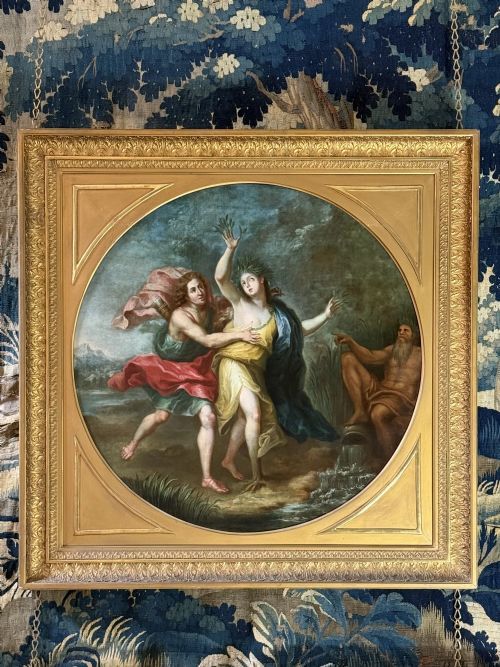
When you explore oil on canvas art, you encounter centuries of painterly tradition from grand portraiture to intimate landscapes.
Oil on Canvas Art
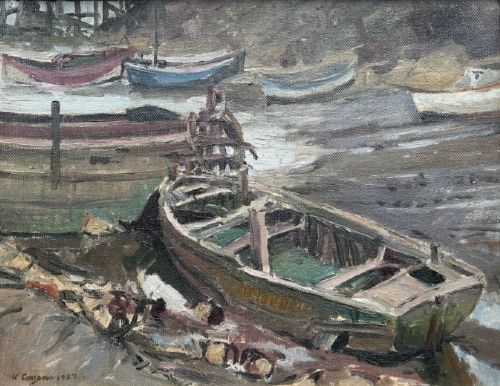
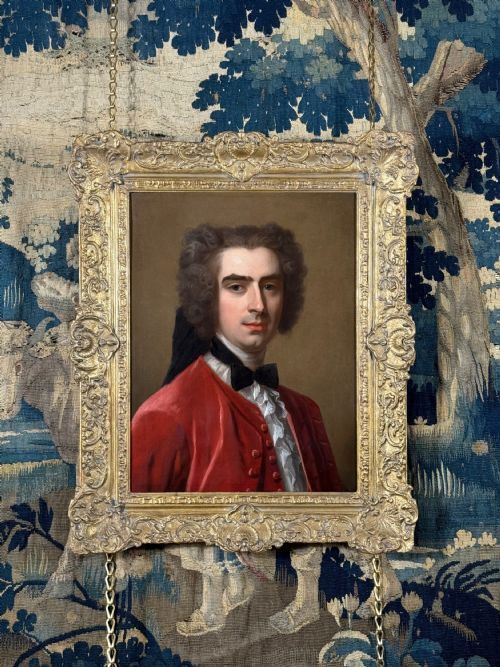
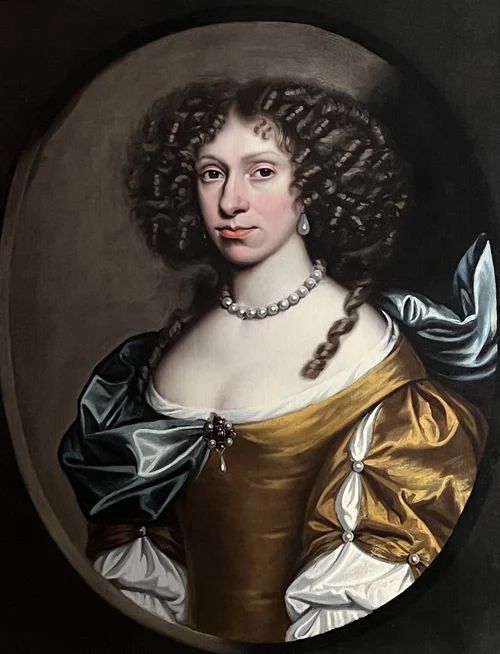
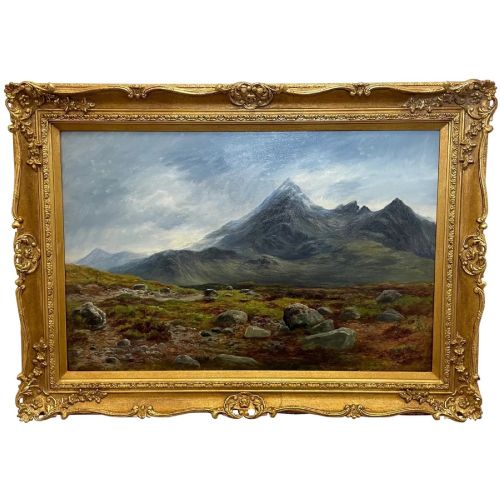
Oil on canvas art encompasses centuries of painted works, ranging from 17th-century aristocratic portraits to mid-20th-century modernist landscapes.
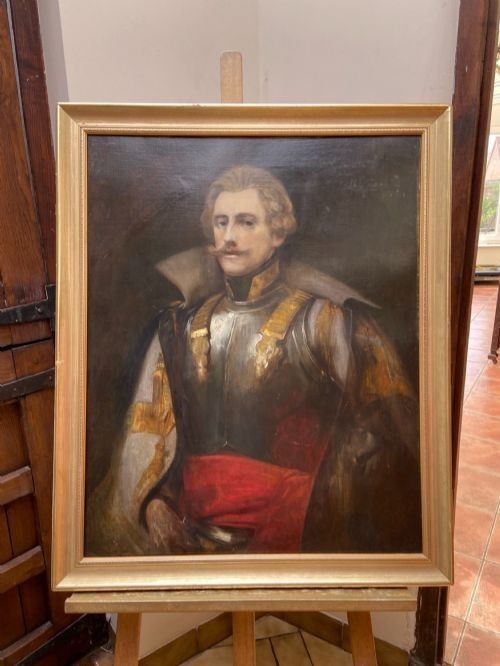
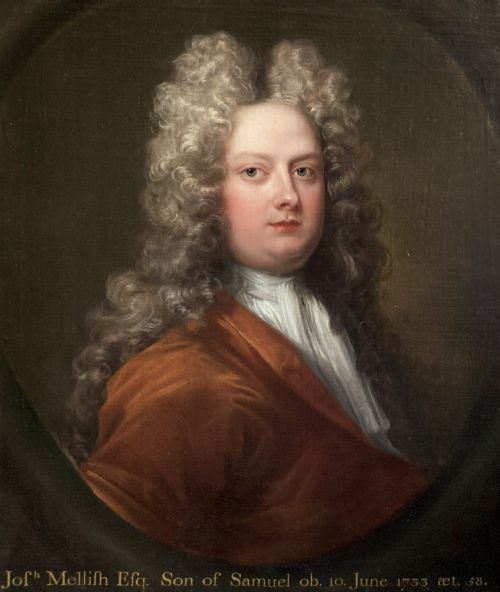
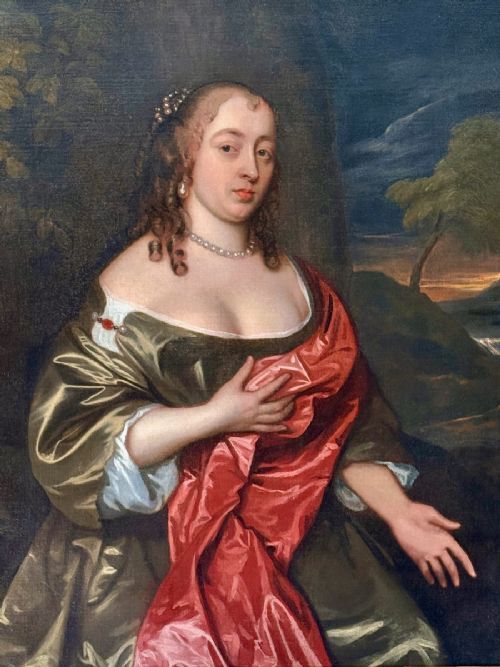
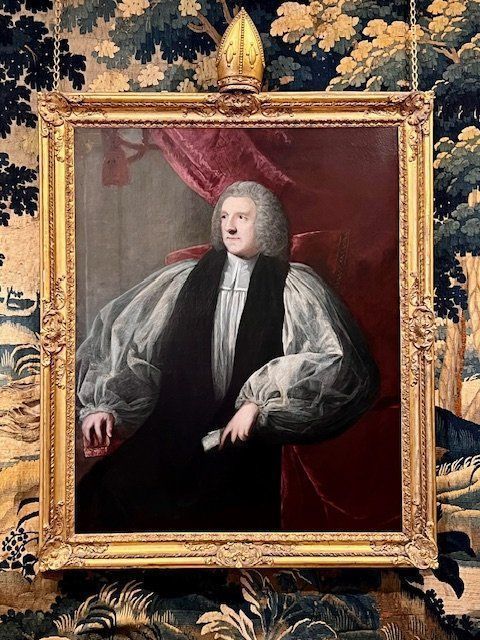
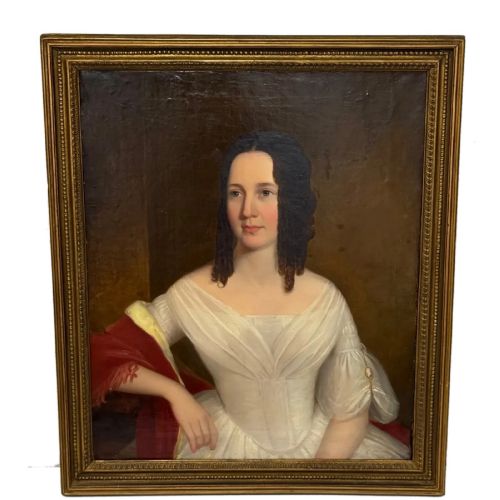
The selection frequently includes formal oil portrait paintings depicting notable historical figures, noblewomen, and landowners.
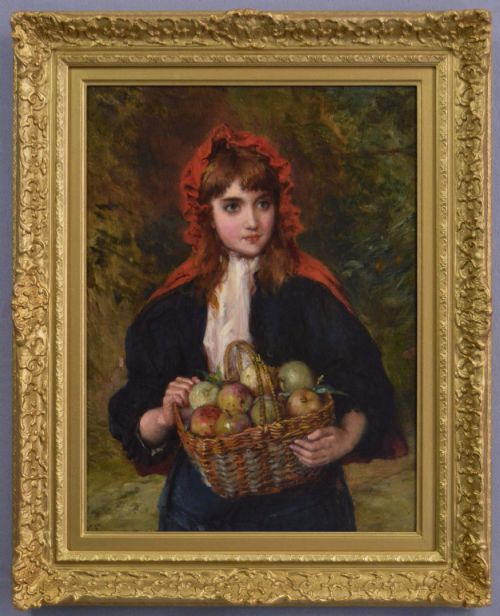
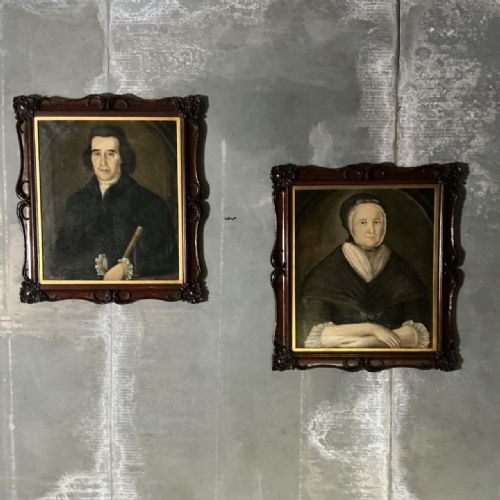
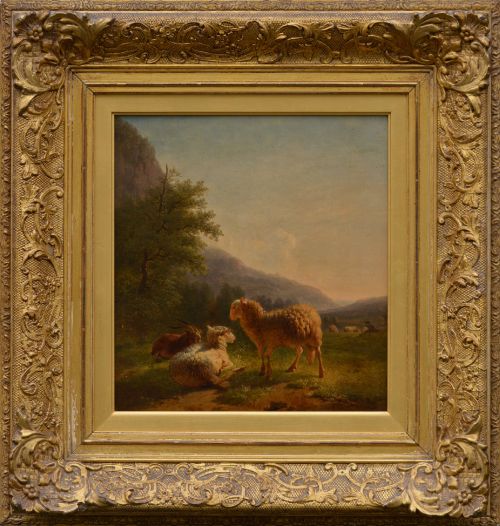
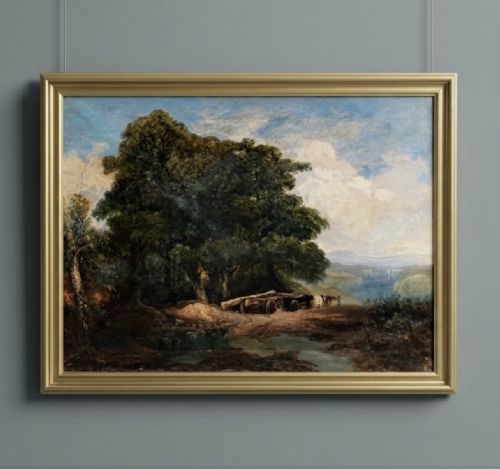
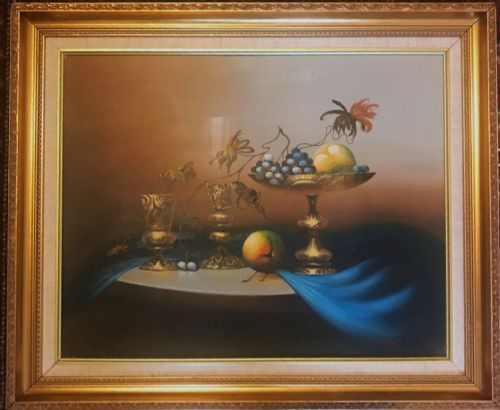
Buyers also encounter pastoral scenes, marine landscapes, still life studies of fruit and flowers, and naive folk art on canvas.
How They Were Made
Artists painted primarily with oil pigments applied to stretched woven canvas, sometimes utilising wooden panel boards or giltwood frames.
Techniques varied from the fine glazing and detailed brushwork of old master traditions to the looser strokes of post-impressionist and expressionist works.
The listings span from the seventeenth century through to the mid-twentieth century, featuring portraiture, landscapes, and still lifes.
What Varies in Quality
Quality rests in the skill of the draftsmanship, the handling of light and shadow, and the psychological depth captured in portraiture.
Condition plays a vital role, distinguishing works with preserved original paint layers and stable canvases from those bearing heavy restorations.
Charles Jervas·Sir Joshua Reynolds·Eugène Verboeckhoven·Sir Peter Lely·Willem Wissing
The Oil on Canvas Art Glossary
- Canvas
- A heavy woven fabric, typically linen or cotton, stretched tightly across a wooden frame to serve as a stable painting surface.
- Giltwood
- Wood that has been coated with a thin layer of gold leaf or gold paint, frequently used for traditional picture frames.
- Old Master
- A term for a European painter of high skill working before about eighteen hundred, known for foundational techniques.
- Provenance
- The documented history of ownership of a work of art, helping to establish its authenticity and past exhibitions.
- Impasto
- A technique where paint is laid on an area of a surface in very thick layers, making brush strokes visible.
Oil on Canvas Art: Frequently Asked Questions
How do I date an oil painting?
Dating relies on stylistic clues, costume details in portraits, and the physical characteristics of the canvas and stretcher frame. Handwritten notes or stamps on the reverse often provide additional chronological evidence.
Examinations of pigment types and framing styles further help narrow down the decade or century of creation.
What is the difference between canvas and panel?
Canvas offers a flexible, textured woven support that was favored for larger compositions and easy transport once unstitched. Wooden panels provide a rigid, smooth surface often seen in earlier periods.
Panel paintings respond differently to humidity changes compared to woven fabric supports.
How should I clean an oil painting?
Surface dust should be gently removed with a very soft, dry brush by someone experienced with fragile antiques. Professional conservators should handle deeper cleaning and varnish removal.
Household liquids or improper solvents can permanently strip historical pigment layers.
Where should I hang an oil painting?
Paintings thrive in rooms with stable temperatures and low humidity, away from direct sunlight and radiators. Excessive heat causes canvas to slacken and paint to crack.
Secure wall fixings suited to the weight of the heavy wooden frame are essential for safe display.