

Officer Portrait Art
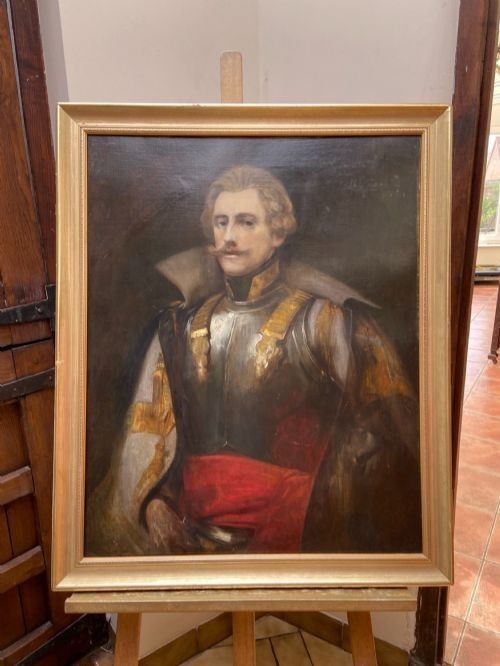
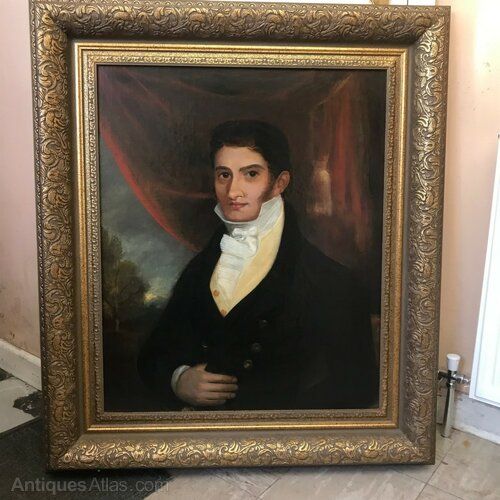
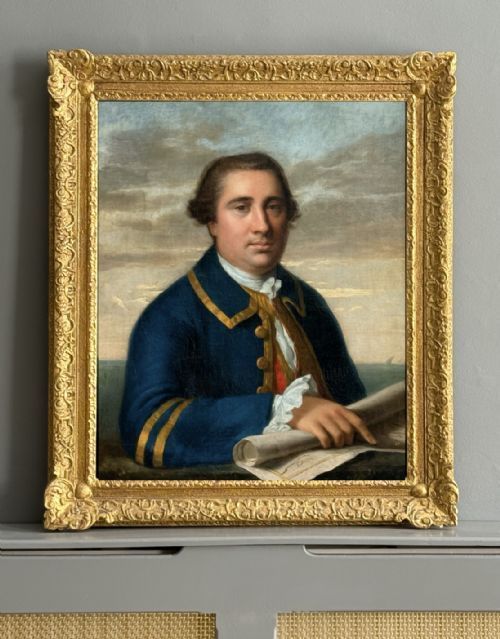
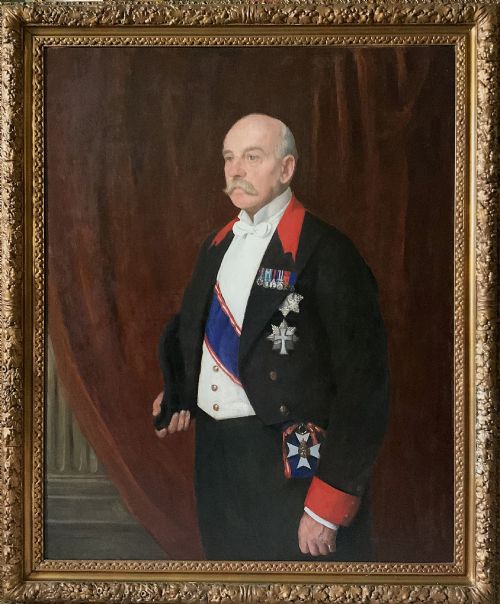
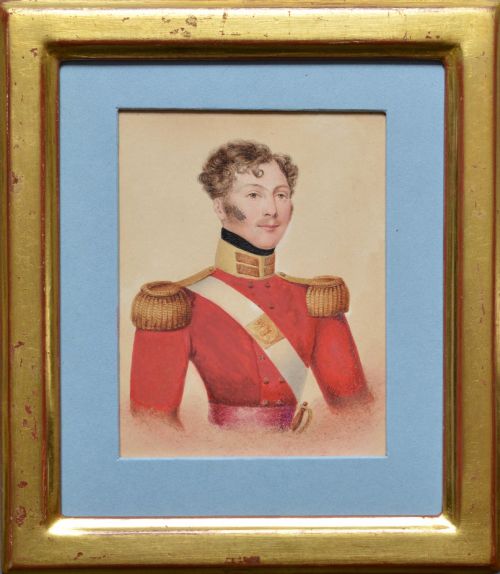
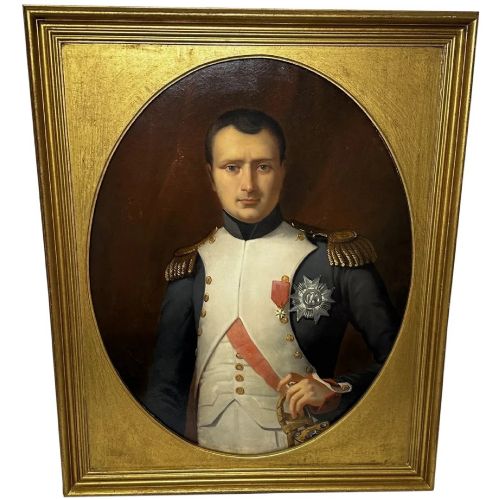
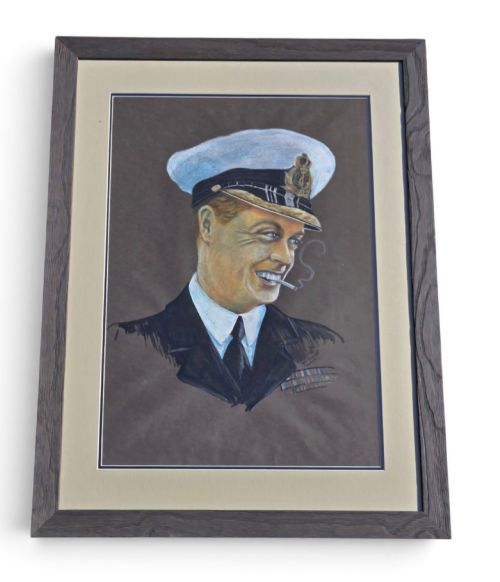
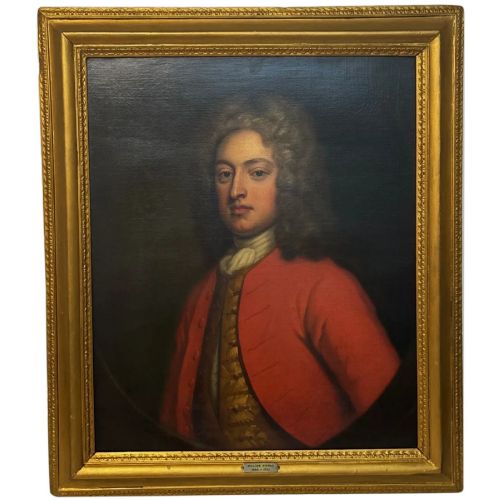
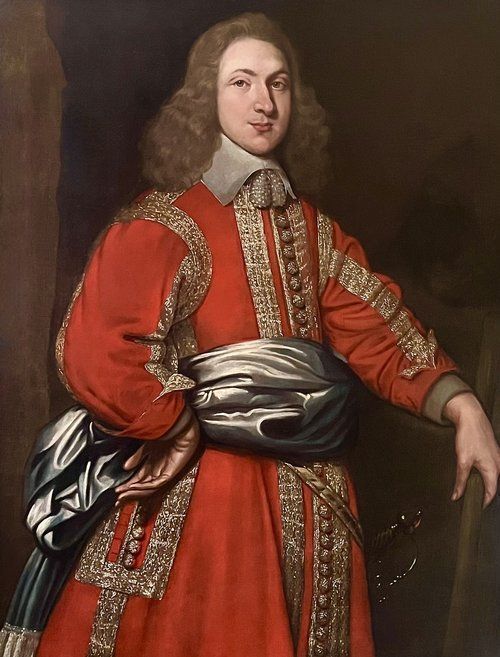
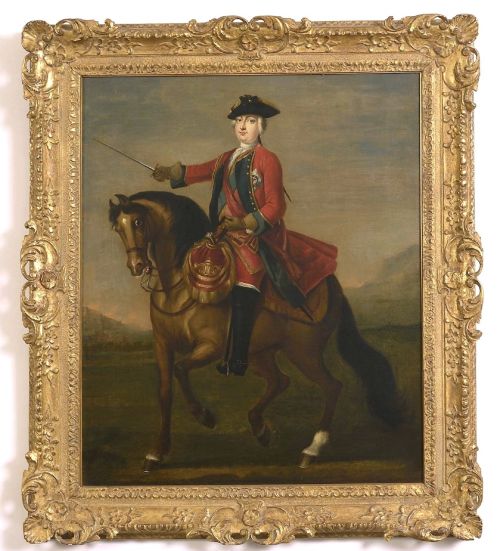
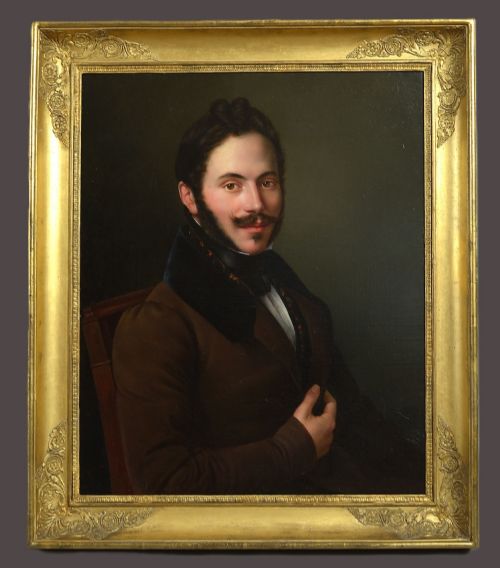
Officer portrait art records the likenesses of military figures across centuries through oil paintings, watercolours, pastels and miniatures.
Officer Portrait Art
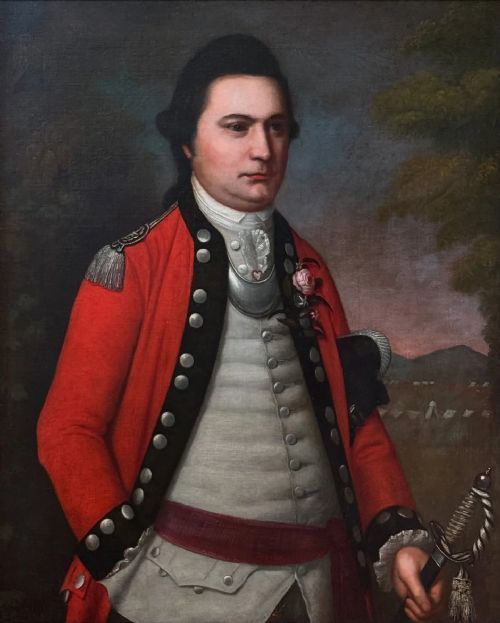
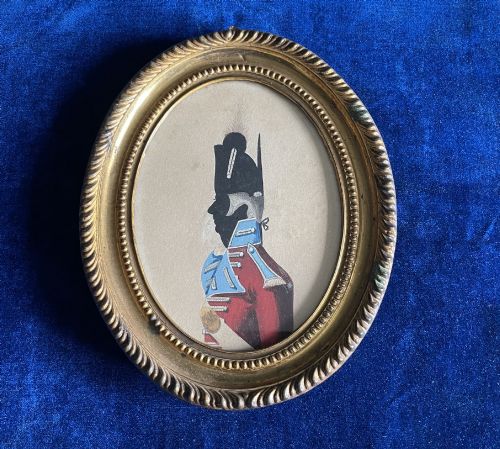
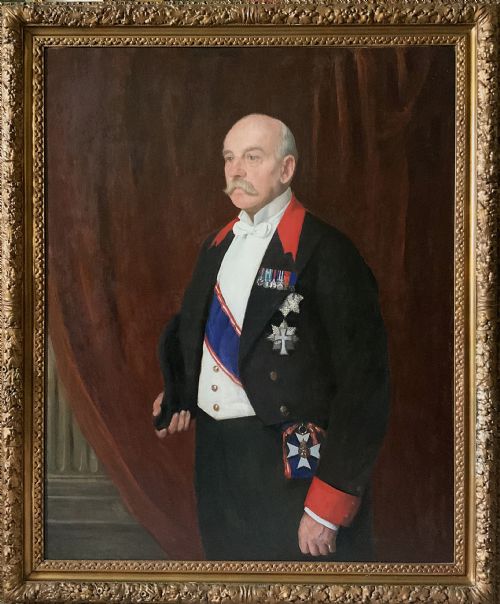
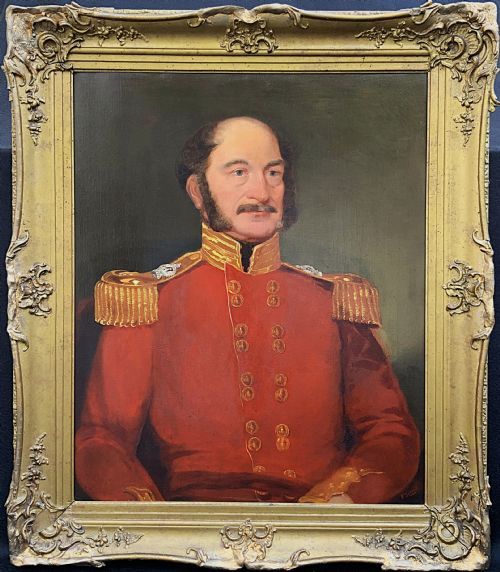
Officer portrait art captures the likenesses of military and naval figures from the seventeenth century through to the mid-twentieth century. The works on this page include oil paintings on canvas, delicate watercolours, pastel sketches, and small portrait miniatures framed in gold or wood.
Subjects range from anonymous infantry officers and red coat soldiers to named generals, captains, and royals such as Prince Tommaso Francesco of Savoy-Carignano. These pieces span periods from the Baroque and Georgian eras to the First and Second World Wars.
The most common examples met here are nineteenth-century oil paintings and eighteenth-century canvases depicting British, French, and Anglo-Indian officers in uniform. Buyers select these artworks to study military history, uniform evolution, and historical portraiture.
What Varies in Quality
The skill of the brushwork and the precision of facial anatomy separate standard works from master-level pieces. Superior paintings capture realistic skin tones, fabric textures, and distinct expressions, whereas lesser works appear flat and formulaic.
Documentation and provenance heavily influence a piece. Portraits that identify the specific sitter, regiment, and artist carry greater historical weight than anonymous likenesses produced by follower schools.
Listings feature works spanning from the seventeenth century through to the 1950s, executed in oil, watercolour, pastel, and enamel.
Lemuel Francis Abbott·Stickland Lowry·Thomas Hudson·Edouard Pingret·Henry Bone·John Simmons·George Engleheart·Sir Martin Archer-Shee·David Nicholson Ingles
The Officer Portrait Art Glossary
- Oil on Canvas
- Pigment mixed with drying oil applied to a woven fabric support. This combination allows for rich colour blending and durability over centuries.
- Portrait Miniature
- A small-scale painting executed with fine detail. These portable artworks often feature sitters rendered on ivory, vellum, or card.
- Giltwood
- Wood carved and coated with gold leaf or gold paint. This finish frequently adorns the heavy frames enclosing period paintings.
- Pastel
- A medium consisting of powdered pigment and a binder rolled into sticks. Artists employ pastels for immediate, velvety colour application on paper.
- Provenance
- The documented history of ownership of an artwork. Clear provenance traces a piece from its creation to the present day.
Officer Portrait Art: Frequently Asked Questions
How do I identify the regiment?
Uniform details such as lapel colours, lace patterns, and headwear provide the primary clues for identifying a regiment. Contemporary records and medal ribbons often confirm the specific unit.
Researching the sitter's name, if recorded on the frame or canvas, connects the portrait to military service records and regimental histories.
What canvas sizes are standard?
Canvas dimensions vary widely depending on whether the artwork is a head-and-shoulders study or a full-length monumental painting. Miniature portraits measure only a few inches across.
Larger nineteenth-century oils often measure upwards of thirty inches, designed to command presence in a formal room or mess hall.
How should I clean the frame?
Dust giltwood and wooden frames gently with a soft, dry brush to prevent accumulation. Avoid commercial cleaning sprays, which can strip the gilding or damage underlying wood.
Professional conservators should handle any repairs to cracked gesso or flaking antique frame mouldings.
Can I hang them in sunlight?
Direct sunlight causes pigments in oil paintings, watercolours, and pastels to fade over time. Ultraviolet rays break down organic binders in older mediums.
Position these artworks away from south-facing windows and utilise UV-filtering glass for works on paper and miniatures.