



Office Filing Cabinet Oak
An office filing cabinet oak provides a sturdy commercial anchor for papers.
Office Filing Cabinet Oak
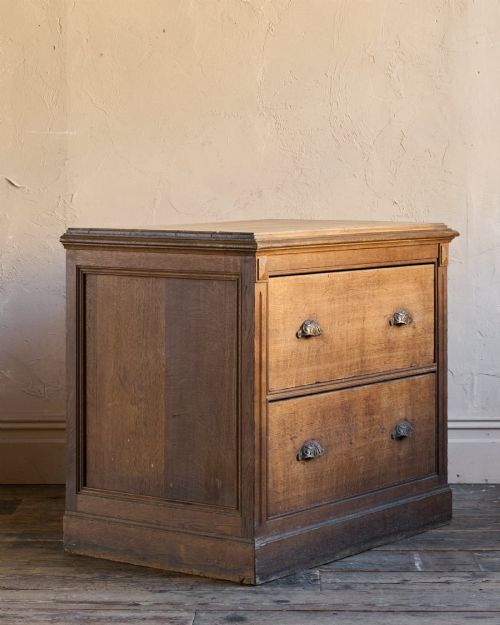
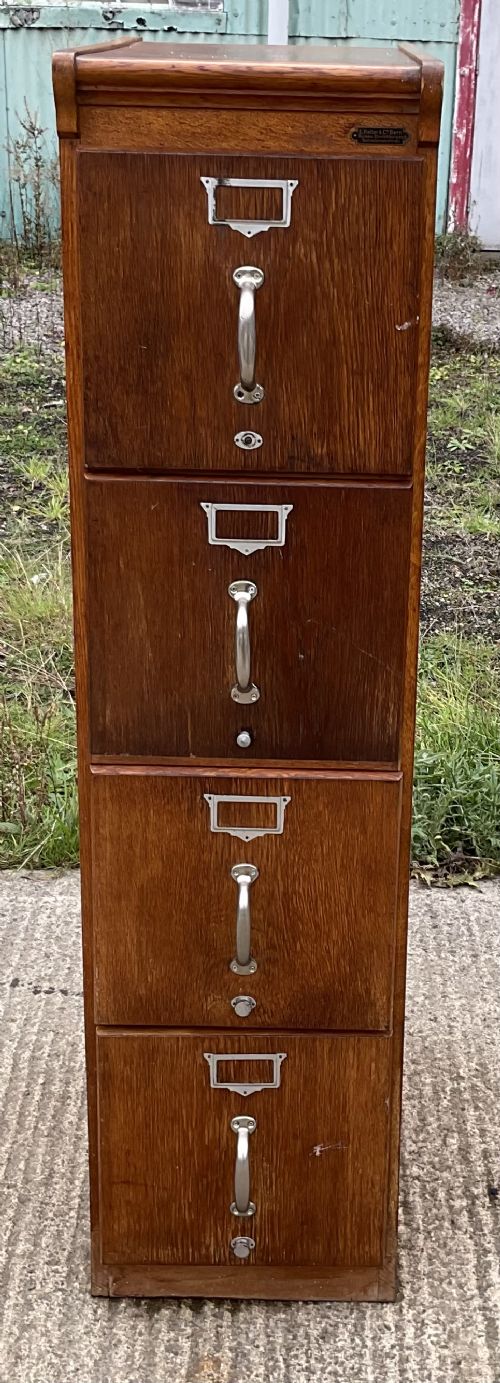
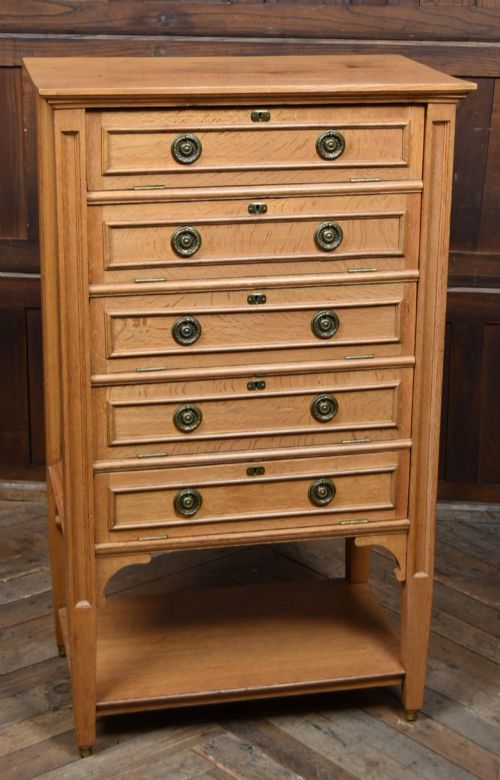
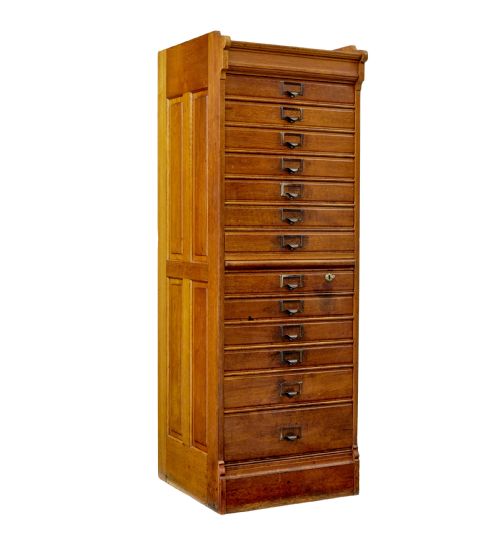
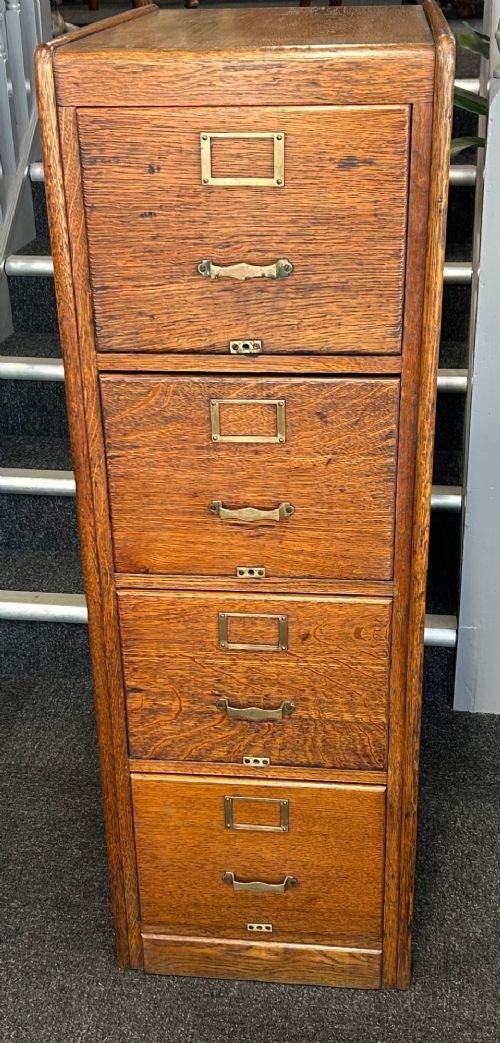
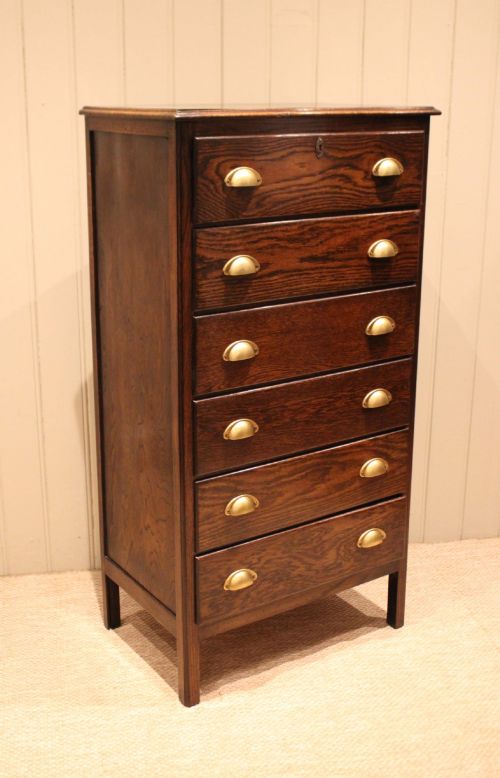
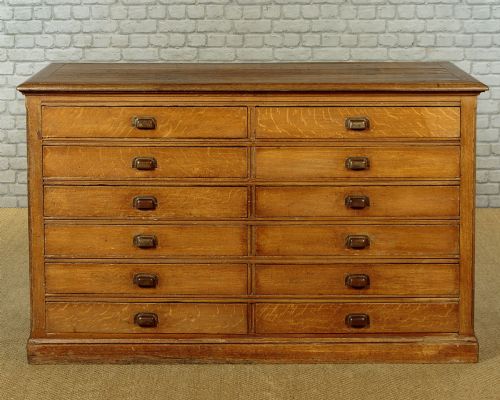
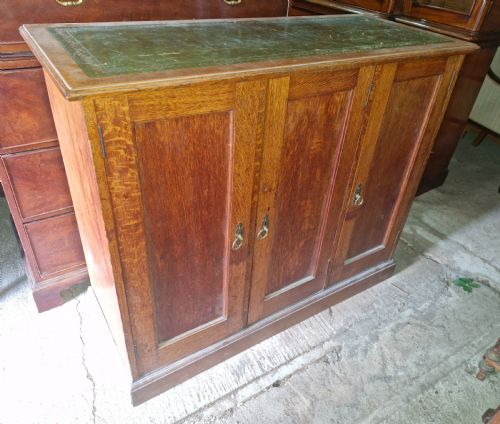
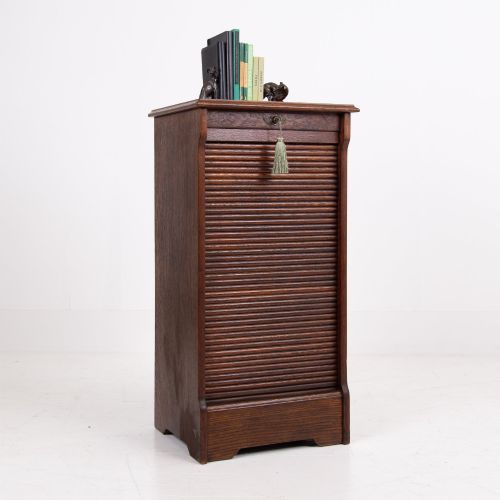
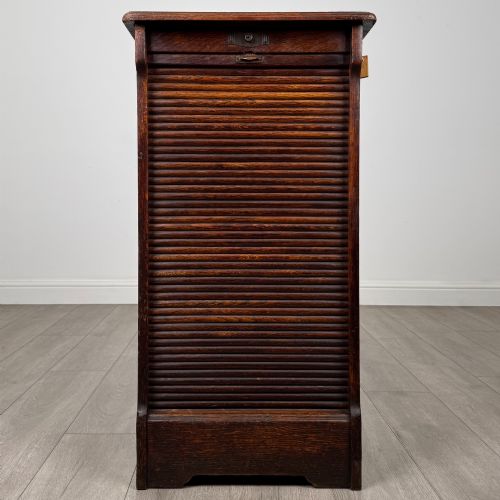
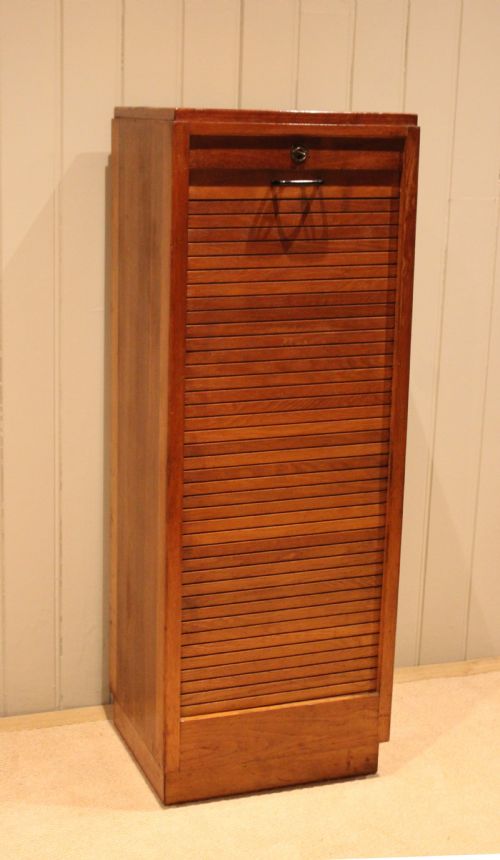
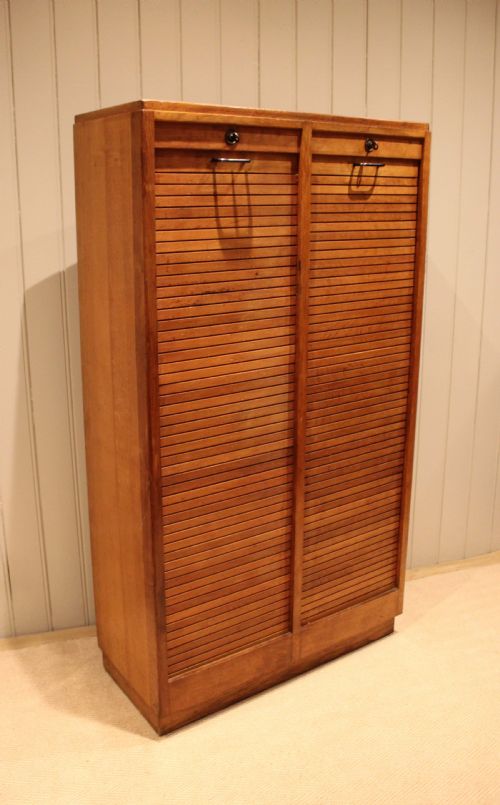
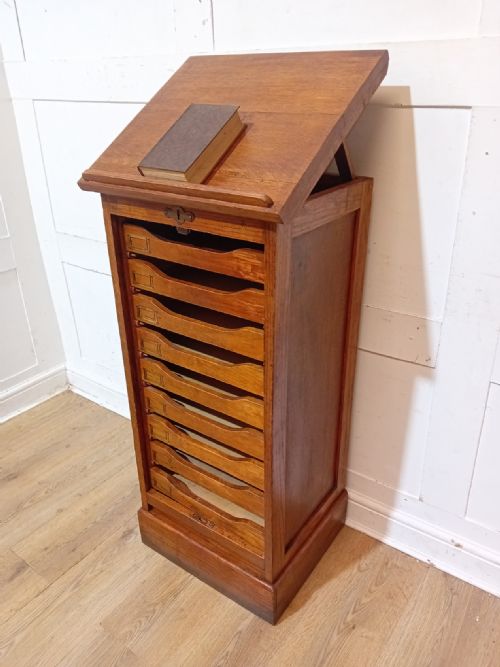
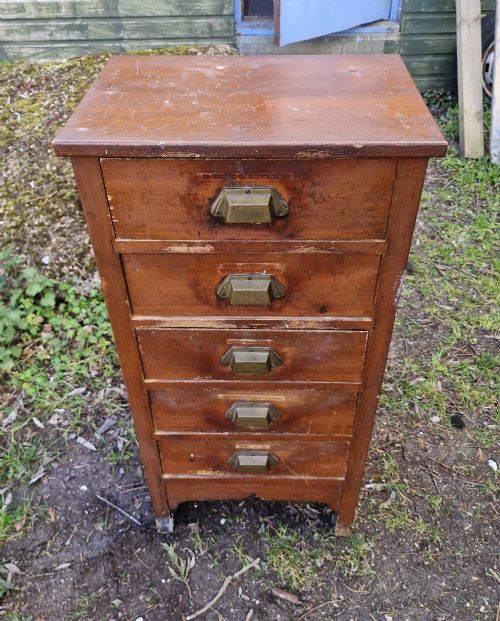
An office filing cabinet oak brings robust utility to paper storage through vertical drawer stacks, banks of drawers, and tambour door cupboards. These pieces span from the late nineteenth century through the Edwardian era into the 1930s and 1940s, reflecting changing workplace demands.
The vertical filing cabinet forms the most common type encountered here alongside tambour door variations and plan chests. Makers designed these utilitarian units for heavy daily service in professional premises.
Materials and Construction
Solid oak provides the primary structural body across these pieces, frequently complemented by brass handles and metal mechanisms. Slatted tambour doors rely on flexible fabric or canvas backings to slide smoothly within internal tracks.
Joinery prioritises commercial durability, combining panelled timber carcasses with robust drawer construction. Secondary woods such as pine appear in concealed interior elements like drawer bases.
Office Filing Cabinet Oak Retail Price Guide 2026
Typical asking prices for office filing cabinet oak among the pieces listed under this phrase on Sellingantiques today, from the lower quarter to the upper quarter. They describe what is for sale here now, not the wider market.
Materials recorded across these pieces include solid oak, brass, metal, canvas, leather, and pine.
Build and Detail
The sophistication of the mechanical systems, such as tambour action and adjustable shelving, distinguishes simpler cupboards from higher-grade filing units. Patent locking mechanisms and maker-supplied hardware elevate individual examples above standard utility output.
The selection of timber grain and the integrity of the original brass hardware separate basic commercial furniture from finer office pieces. Panel construction and overall weight indicate the scale of original workshop ambition.
Maple and Co·Amberg·Shannon
The Office Filing Cabinet Oak Glossary
- Tambour
- A flexible door formed of narrow wooden slats glued to a canvas backing that slides in a grooved track. This mechanism allows access to contents in confined office spaces without projecting doors.
- Plan chest
- A wide, shallow cabinet designed originally for architectural drawings and large sheets. These pieces utilise multiple broad drawers to store flat documents securely.
- Bank of drawers
- A large multi-drawer unit configured for intensive sorting and filing tasks. Such configurations often served institutional or banking functions.
- Haberdashery cabinet
- A glass-fronted or multi-drawer display piece adapted for organised storage. These units share the compartmented layout common in period commercial furniture.
- Lecturn top
- An angled upper writing or reading surface integrated into the cabinet design. This feature combines standing workspace with lower document storage.
Office Filing Cabinet Oak: Frequently Asked Questions
How do tambour doors operate?
Tambour doors run on internal tracks by means of flexible slats attached to canvas backing. This allows the door to slide around a curved corner rather than swinging outward.
Smooth operation depends upon clean tracks and the integrity of the canvas hinge mechanism behind the oak slats.
What documents fit these drawers?
Period filing cabinets accommodated specific paper sizes and letter files standard to early office administration. Internal dividers and patent letter files organised correspondence before modern paper formats standardised.
Buyers should inspect internal clear dimensions to verify compatibility with modern folders or papers.
How do I date an oak cabinet?
Dating relies on hardware styles, patent markings, structural joinery, and overall aesthetic details from the late nineteenth century through the 1940s. Edwardian pieces often display lighter oak tones and simple brass pulls.
Later utility designs from the 1930s and 1940s tend toward more streamlined commercial forms with minimal applied ornamentation.
Are these pieces suitable for home use?
These cabinets offer practical storage for modern home offices while providing period character. Their deep drawers and compartments suit stationery, paperwork, and small household items.
Their solid oak construction ensures they handle daily domestic loads as capably as their original commercial duties.