


Oak Wall Cabinet
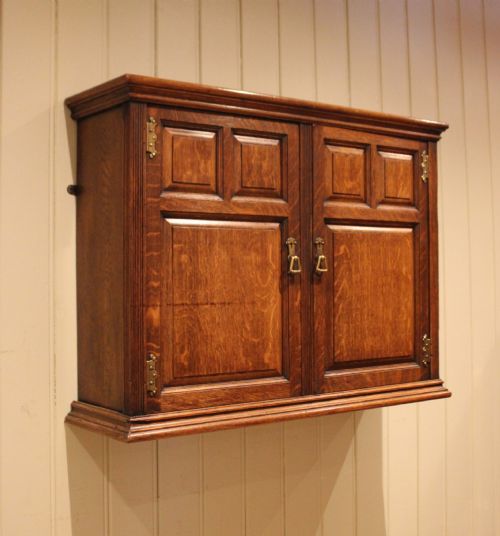
An oak wall cabinet is a sturdy timber storage piece designed to hang off the floor, offering useful wall space utilisation.
Identifying an oak wall cabinet
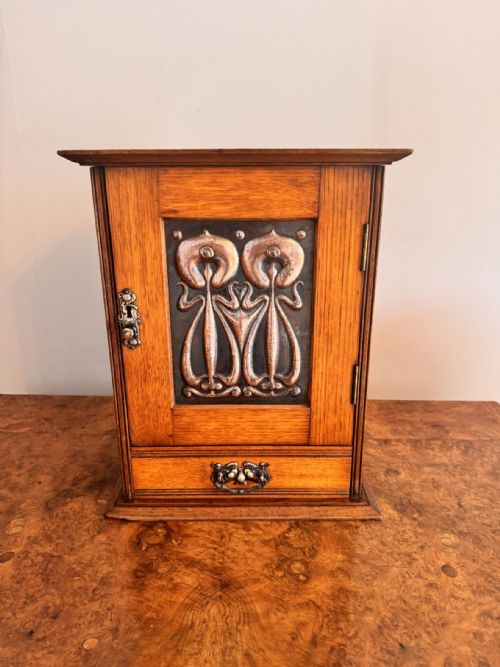
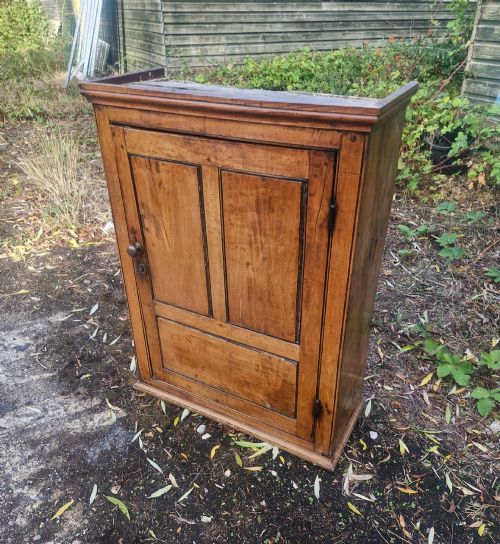
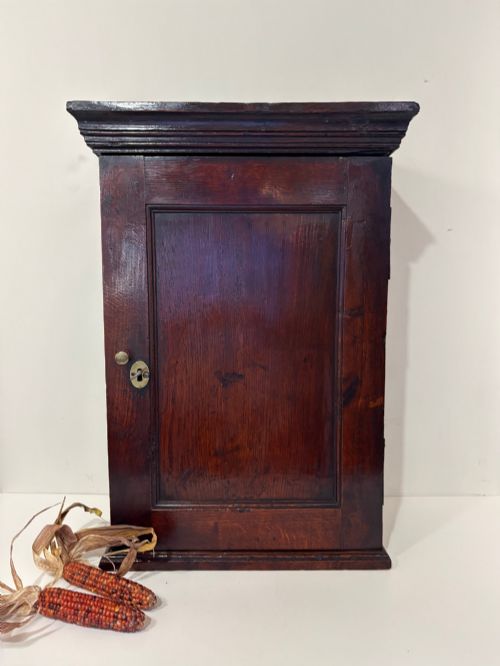
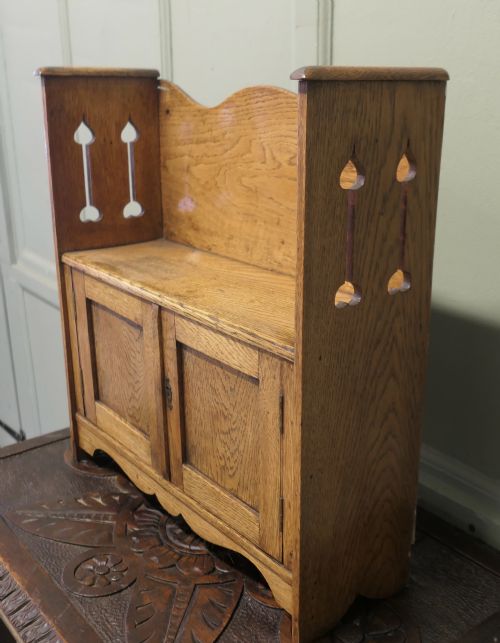
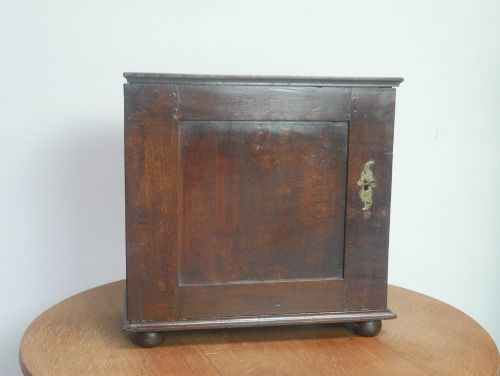
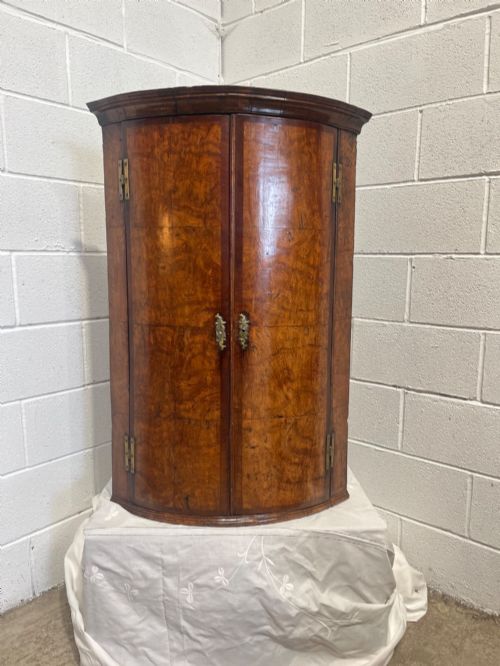
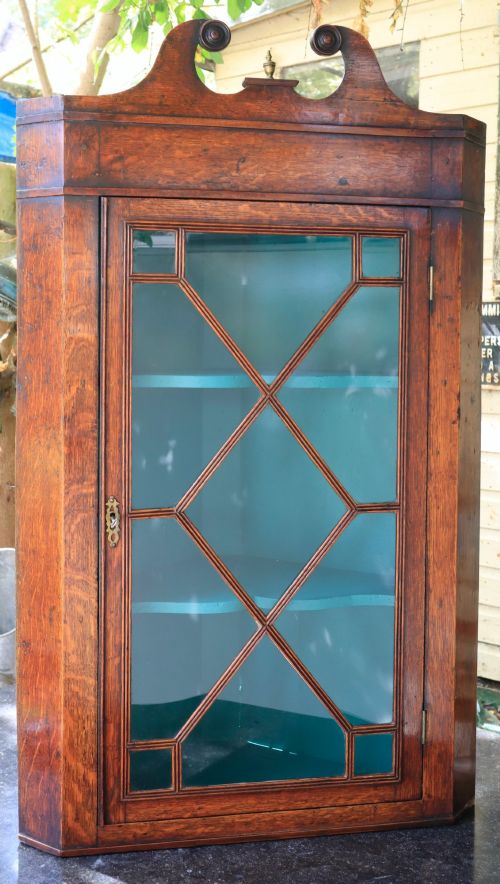
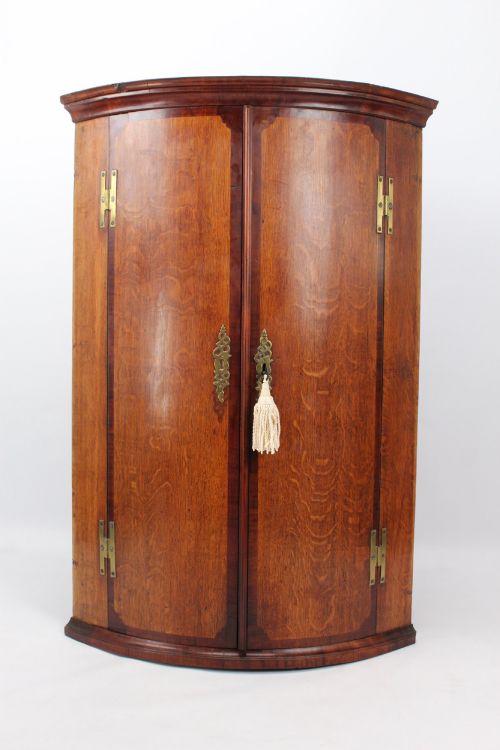
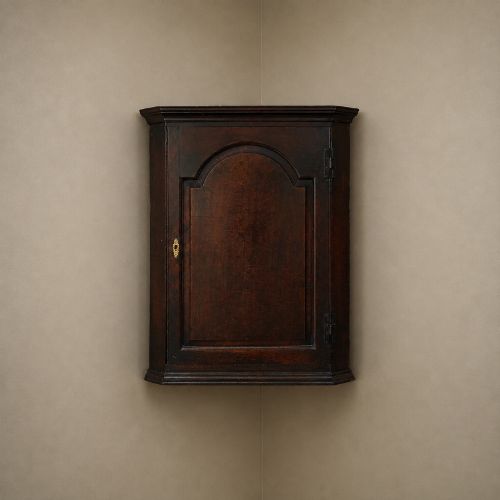
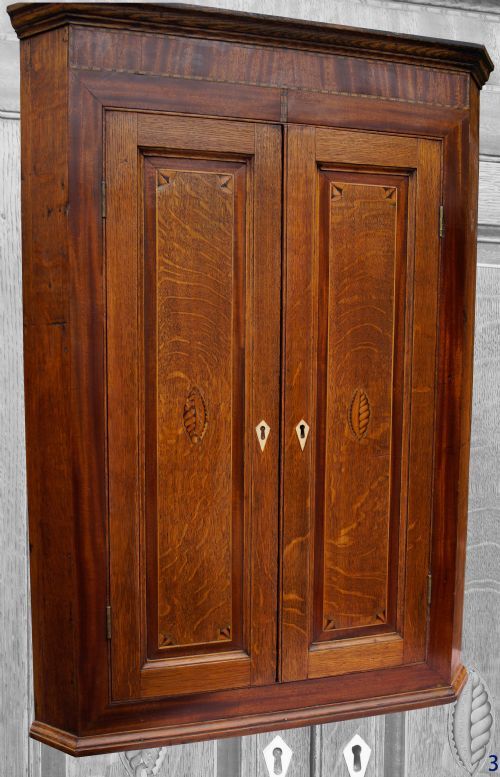
An oak wall cabinet serves as a practical timber hanging storage unit, frequently taking the form of a corner cupboard or a flat-backed wall box. These pieces range from simple utilitarian boxes to refined Georgian corner units and later Arts and Crafts glazed display cabinets.
The materials and styles span multiple periods, with Georgian, Victorian, Edwardian and Arts and Crafts examples appearing regularly alongside earlier pieces from the 17th and 18th centuries. Golden oak, solid oak and pollard oak feature strongly, sometimes accented with fruitwood inlay, brass fittings or mahogany crossbanding.
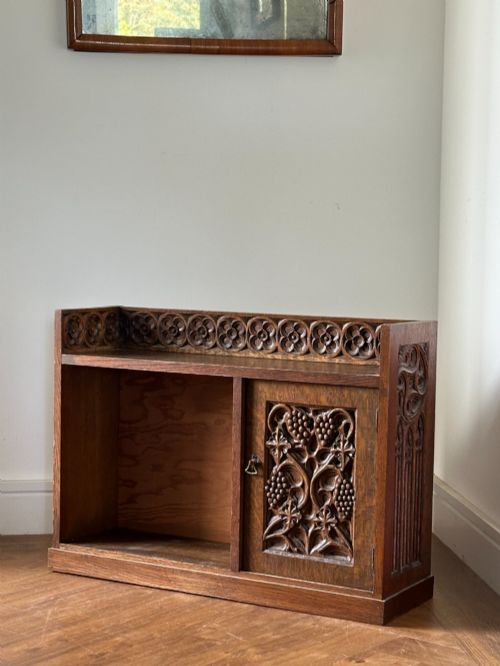
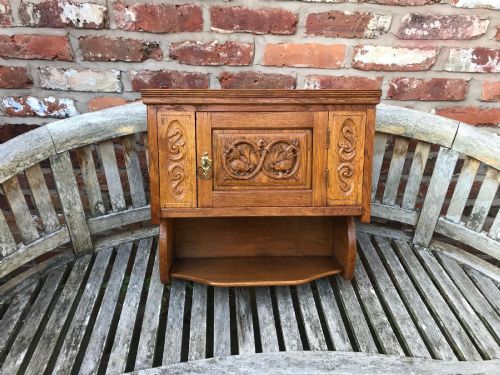
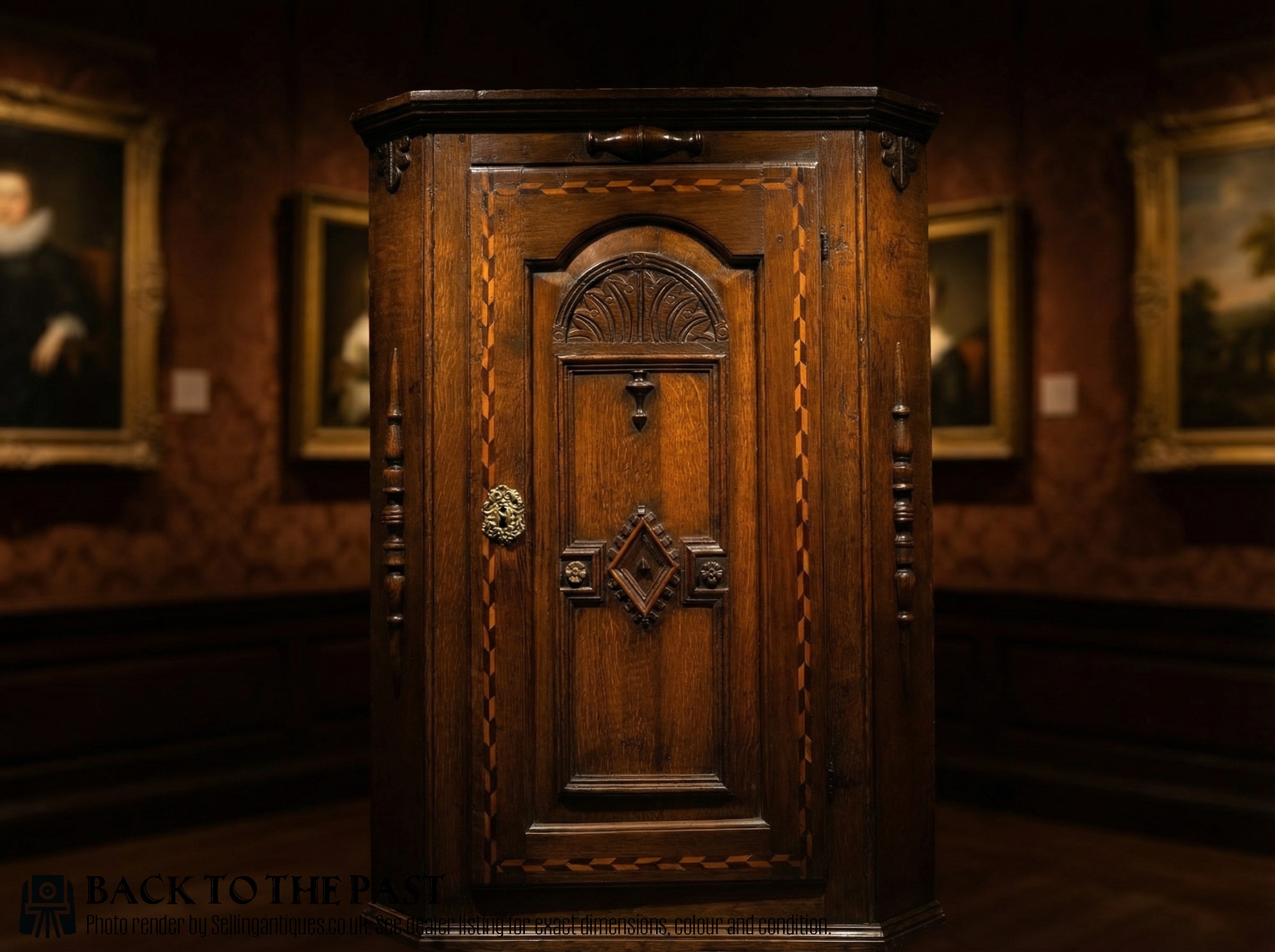
Corner cabinets dominate the earlier Georgian selections, whilst flat wall-hanging cupboards and two-door display cabinets emerge more frequently in the Victorian, Edwardian and Arts and Crafts periods. Buyers encounter variations that include astra glazing, carved surfaces, and panelled doors.
Materials and construction
Makers utilised solid oak alongside oak veneers and pollard oak, constructing carcases with traditional joinery such as dovetails and mortise and tenon joints to ensure durability. Brass hinges, escutcheons and working locks secure the doors, whilst fruitwood inlay and mahogany banding add decorative contrast to the timber surface.
Glazing appears on display variants, sometimes held in wood-framed astra bars, whilst other examples feature carved relief panels or unusual fielded door designs. Interior shelving provides storage capacity, and fitted hanging hardware allows the heavy wooden cabinets to be safely mounted to walls.
Retail Price Guide 2026
Typical UK retail prices for oak wall cabinet, calculated from the Sellingantiques database of over a million retail prices indexed since 2003. This retail price guide relies exclusively on Sellingantiques data; no external sources or auction records are used, so the figures do not describe the wider market.
One surviving Edwardian display cabinet still bears the later sign-written advertising for Fry's Chocolate on its solid oak frame.
Judging quality in construction and design
Quality rests upon the selection of timber and the precision of the joinery, where tight dovetails and well-fitted panel doors distinguish superior cabinet work from basic utility pieces. The presence of original brass hardware, uncompromised backboards and harmonious proportions elevate a piece.
Artisanal intent separates standard production from finer examples, seen particularly in the thoughtful proportions of Arts and Crafts pieces or the crisp carving on Victorian and Georgian models. Grain pattern definition in solid or pollard oak further dictates the visual success of the piece.
Heals of London
The Oak Wall Cabinet Glossary
- Corner cabinet
- A cupboard specifically constructed to fit into the interior angle of a room. This form makes efficient use of otherwise dead floor or wall space.
- Astra glazed
- A method of securing glass panes within a wooden framework using slender wooden glazing bars. This technique is frequently seen on display cabinets.
- Pollard oak
- Timber taken from trees that have been pollarded, producing a highly figured and knotted grain pattern. Cabinet makers used this veneer for decorative effect.
- Escutcheon
- A flat plate of brass or other metal surrounding a keyhole. It protects the surrounding wood from wear and adds decorative detail.
- Crossbanding
- A narrow strip of veneer laid perpendicularly to the surrounding grain. This technique frames panels and door edges on finer furniture.
Frequently Asked Questions
What rooms suit an oak wall cabinet best?
Kitchens, hallways and living rooms provide practical settings where these hanging cupboards can store ceramics, glassware or everyday items without consuming floor space.
Smaller corner variants fit neatly into awkward wall angles, whilst glazed display models work well in dining spaces.
How do I tell a Georgian corner cabinet from a Victorian one?
Georgian examples generally display simpler architectural mouldings, fielded panels and H-brass hinges, reflecting 18th-century proportions and construction methods.
Victorian and later pieces often incorporate heavier machine-carved decoration, applied mouldings, or larger glazed doors designed to display collections.
Do these cabinets require special maintenance?
Regular dusting with a dry, soft cloth keeps the timber surface clean, and occasional applications of traditional beeswax nourish the oak grain.
Keep the cabinets away from direct heat sources and severe humidity fluctuations to prevent the solid wood or veneers from splitting.