







Oak Reading Desk
An oak reading desk brings solid timber, purposeful design and practical book storage into a study.
Oak Reading Desk
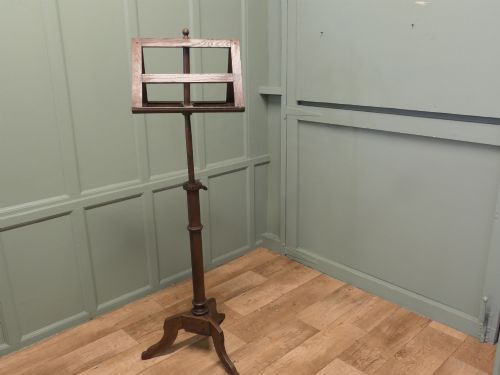
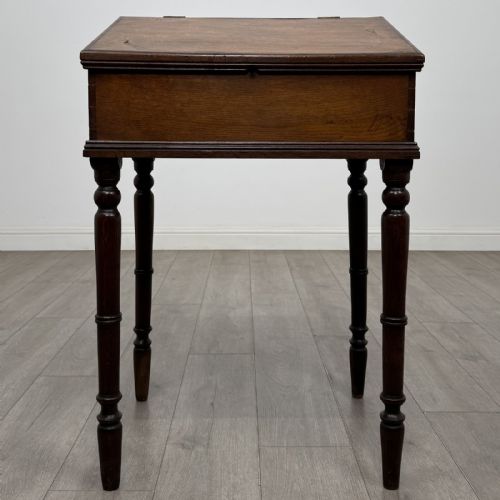
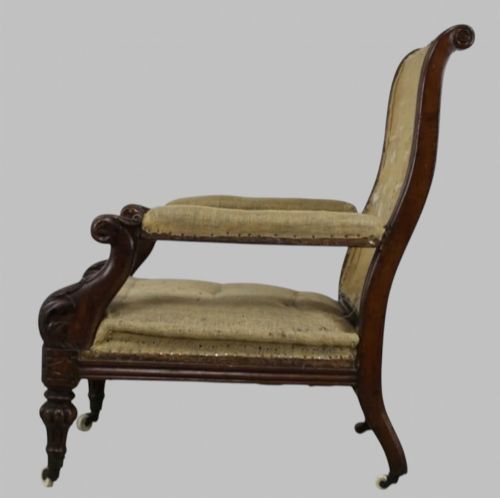
When you search for an oak reading desk, you encounter a selection of solid timber furniture built to support books, papers and study. The items on this page span several practical forms, including dedicated lecterns, library armchairs with writing surfaces, adjustable stands and writing tables.
You are most likely to meet pieces from the Victorian and Edwardian eras, alongside earlier styles such as Gothic Revival and Arts and Crafts. These furnishings served churches, libraries and private studies, combining robust construction with utilitarian purpose.
Materials and construction
Makers built these pieces primarily using solid oak, often complemented by secondary timbers like elm, pine or mahogany. Workshops integrated functional hardware including brass fittings, cast iron mechanisms and leather writing surfaces.
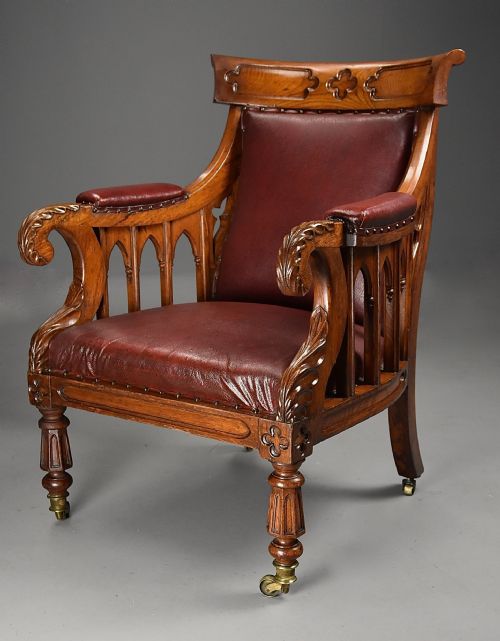
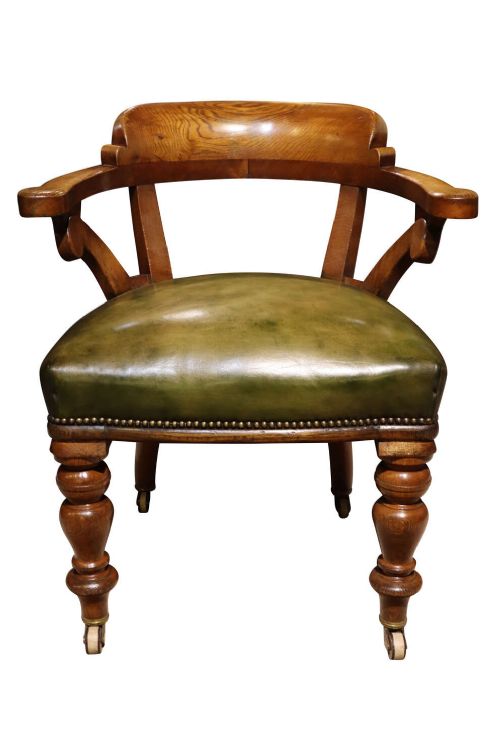
Construction methods relied on traditional joinery, carved detailing and sturdy framing. Adjustable stands frequently incorporated cast iron bases for stability, while seating integrated leather upholstery fastened with brass studs.
Oak Reading Desk Retail Price Guide 2026
Typical asking prices for oak reading desk among the pieces listed under this phrase on Sellingantiques today, from the lower quarter to the upper quarter. They describe what is for sale here now, not the wider market.
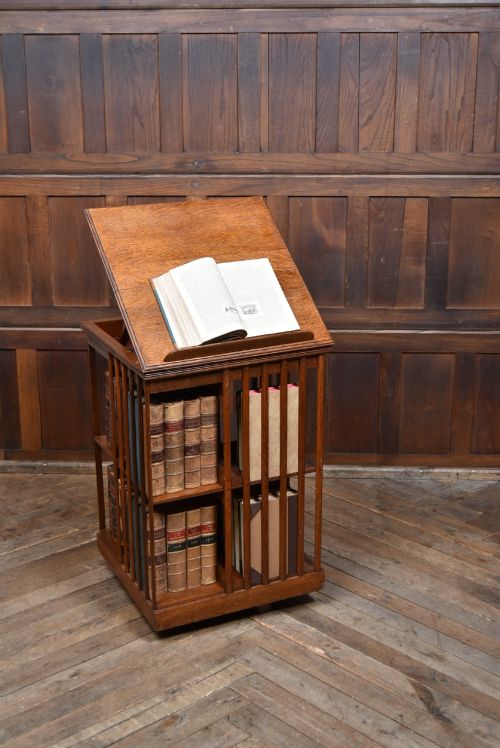
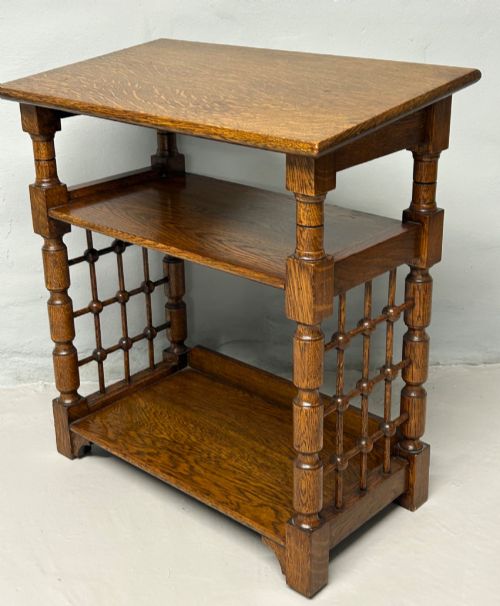
The object forms span church lecterns, Bible boxes, revolving library chairs, architect desks and magazine racks with folding reading tables.
Assessing craftsmanship and finish
Quality in these pieces rests upon the depth of the carving, the selection of the timber grain and the integrity of the mechanical parts. Better examples display crisp hand-carving and substantial framing without excessive modern restoration.
The integration of secondary materials also dictates standard, where genuine brasswork and quality leather inserts elevate a piece above simpler utilitarian items.
Carters Of London
The Oak Reading Desk Glossary
- Lectern
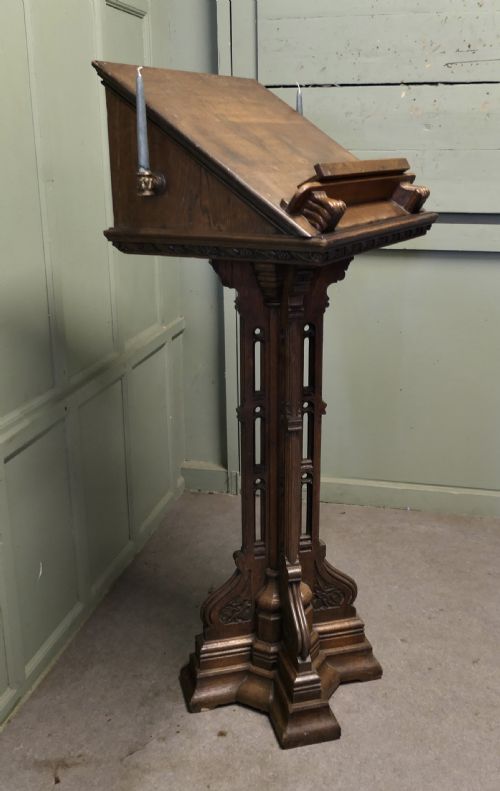
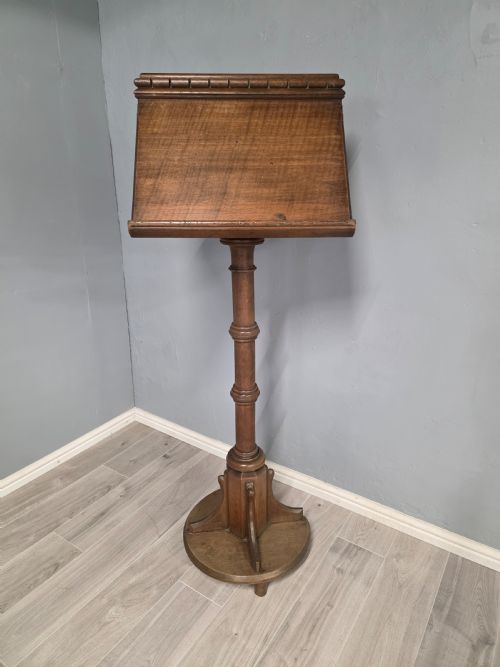
- A tall stand with a sloping top designed to hold a book for reading aloud. These often feature carved oak panels or brass book rests.
- Bible box
- A small wooden box with a sloping lid used for storing scriptures and writing materials. Early examples rest on desks or dedicated stands.
- Gothic Revival
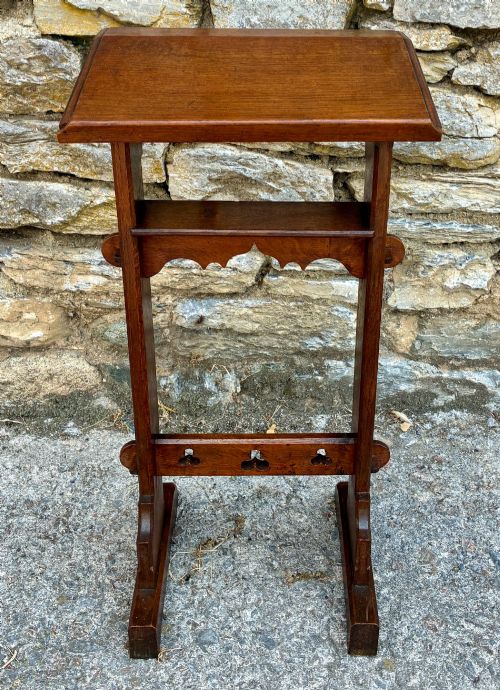
- A nineteenth-century architectural and decorative style mimicking medieval forms. Pieces display pointed arches, trefoils and heavy carved tracery.
- Arts and Crafts
- A design movement prioritising traditional craftsmanship and simple forms. Items from this style show visible construction and minimal surface ornament.
- Library chair
- An armchair adapted for reading or writing, frequently upholstered in leather. Some variations include revolving seats or built-in book rests.
Oak Reading Desk: Frequently Asked Questions
What is an oak reading desk used for?
These pieces served as dedicated furniture for holding books, ledgers and writing materials in studies, libraries and churches. They provided a stable sloping surface for reading heavy volumes or drafting correspondence.
Over time, forms evolved from simple table-top bible boxes to floor-standing lecterns, adjustable iron stands and library armchairs equipped for study.
How do I identify a Victorian oak reading desk?
Victorian examples frequently incorporate Gothic Revival motifs, heavy turned legs and dark polished finishes. Look for carved tracery, brass mounts and stamped maker details on adjustable iron mechanisms.
Construction during this period often utilised golden or dark oak paired with green or red leather inserts on writing surfaces and armrests.
Where should I place an oak reading desk at home?
Position freestanding lecterns and reading stands near a window or reading chair where natural light can reach the sloping surface. Adjustable iron and oak tables work well beside armchairs or sofas.
Keep solid oak furniture away from direct heat sources and strong sunlight to protect the timber and leather surfaces from drying out.
What is the difference between a lectern and a reading stand?
A lectern typically refers to a tall, floor-standing structure with a slanted top designed for a speaker or reader to use while standing. Reading stands are often smaller, adjustable pieces meant for sitting.
Many period listings use these terms interchangeably, though mechanical height adjustments usually point towards multi-purpose reading tables or stands.