



Cast Iron Base Desk
A cast iron base desk brings industrial weight and working history straight into a room.
Cast Iron Base Desk
A cast iron base desk combines heavy metal framework with timber surfaces to create sturdy workspace furniture. You are looking at pieces that bridge the Victorian, Edwardian, and mid-twentieth-century eras, reflecting an industrial working heritage.
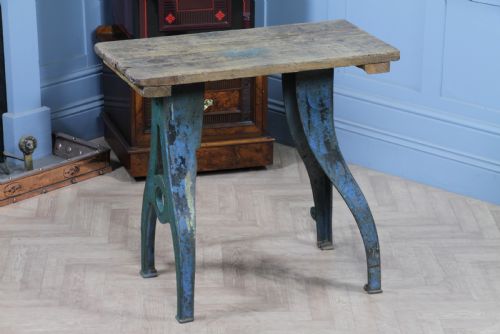
The versions most likely to appear on this page include school desks and side tables supported by robust metal frames. These items originated in classrooms, factories, and workshops before finding a place in modern homes.
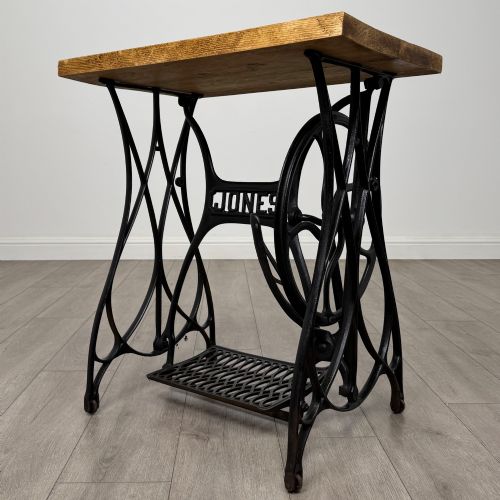
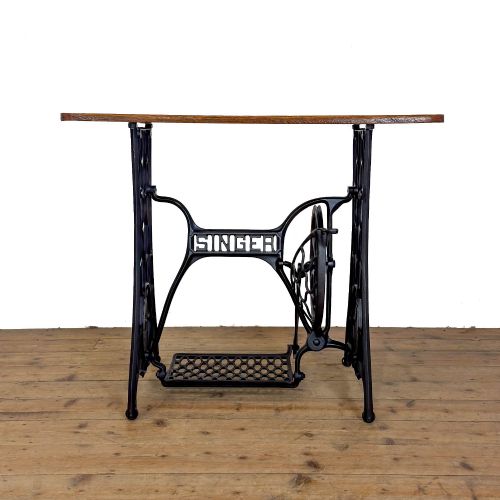
Surviving examples span simple school seating to adjustable tables and machine bases fitted with new wooden tops. Each piece demonstrates how utilitarian furniture was built to withstand decades of heavy daily use.
Materials and construction
Foundry work forms the backbone of these pieces, utilising cast iron and cast metal for the structural legs and underframes. Molten metal poured into moulds created ornate Victorian scrolls or stark industrial legs built for strength.
Timber tops utilise oak, elm, reclaimed pine, and solid wood fixed securely to the metal bases. Carpenters and joiners paired these durable surfaces with the heavy iron frames, often combining old machine parts with newly fitted wooden boards.
The listings show pieces spanning the Victorian era through the 1940s, constructed from cast iron, oak, elm, and reclaimed pine.
Distinguishing quality
The standard of a piece rests upon the crispness of the iron casting and the integrity of the timber top. Maker marks cast directly into the metal framework indicate original factory production rather than generic reproduction work.
Proportion and structural balance separate standard utilitarian items from finer examples with adjustable mechanisms or intricate decoration. The quality shows in how smoothly moving parts operate and how securely the wooden boards join the metal base.
Singer Sewing Machine·Carters of London·Hawkins
The Cast Iron Base Desk Glossary
- Cast iron
- A strong, heavy alloy of iron and carbon poured into moulds to create rigid machine bases and decorative legs. This material provides the permanent foundation for industrial furniture.
- Elm
- A tough, interlocking wood commonly chosen for school desk tops because it resists splitting under heavy use. Its distinct grain pattern often patinates richly over decades.
- Industrial style
- An aesthetic celebrating utilitarian design, exposed metalwork, and functional machinery from factories and schools. Pieces in this style prioritise strength and straightforward purpose.
- Reclaimed pine
- Old pine salvaged from architectural structures and repurposed as furniture tops. This timber brings seasoned character and historical marks to newly assembled tables.
Cast Iron Base Desk: Frequently Asked Questions
What is a cast iron base desk?
It is a heavy-duty workspace piece built with a cast iron or metal frame paired with a wooden top. These items derive from industrial, school, or commercial settings.
Over time, many of these robust frames have been matched with reclaimed pine or solid oak tops to serve as functional domestic tables.
How do I identify Victorian pieces?
Victorian examples often feature more ornate scrollwork, decorative casting, or associations with maritime and institutional use. Makers during this period focused heavily on robust, ornate ironwork.
Checking the style of the metal casting and the type of timber helps separate nineteenth-century items from later Edwardian or 1930s productions.
Are these desks suitable for daily work?
Yes, their original purpose was heavy daily use in schools, offices, and factories, making them exceptionally sturdy. The combination of cast iron and solid wood creates a stable writing surface.
Buyers often select them for home offices where durability and industrial character are desired.
How do I care for the metal base?
Cast iron requires minimal maintenance beyond dusting and occasional light waxing to protect the surface finish. Avoiding damp environments prevents rust from forming on the exposed metal.
Preserving the original dark patina maintains the historical character of the industrial frame.