




Industrial Adjustable Table
An industrial adjustable table brings practical utility and robust mechanical design into a modern interior.
Industrial Adjustable Table
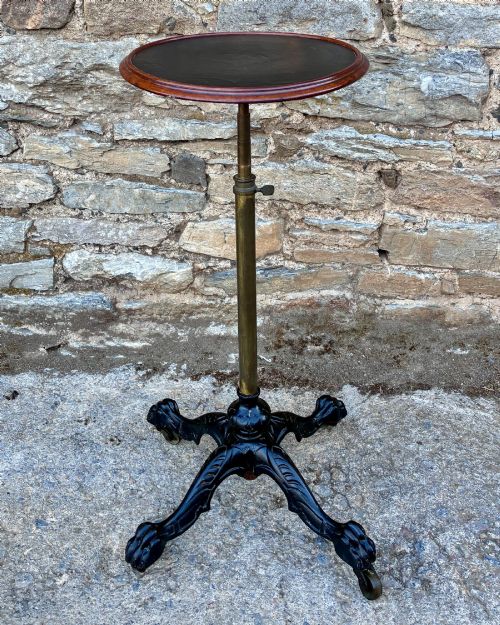
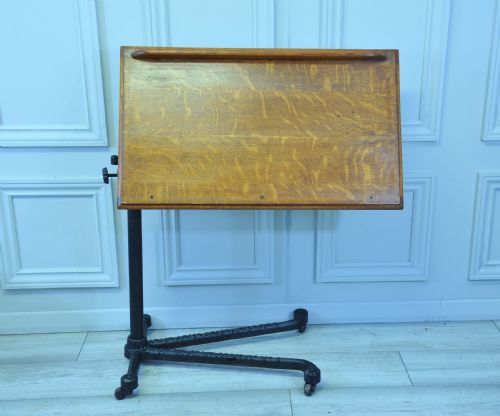
When you search for an industrial adjustable table, you are looking at functional utility pieces designed for adaptability and heavy use. The evidence shows these items span several periods, including Victorian, Edwardian, and the 1930s, alongside specific forms like side tables, display stands, and bed tables.
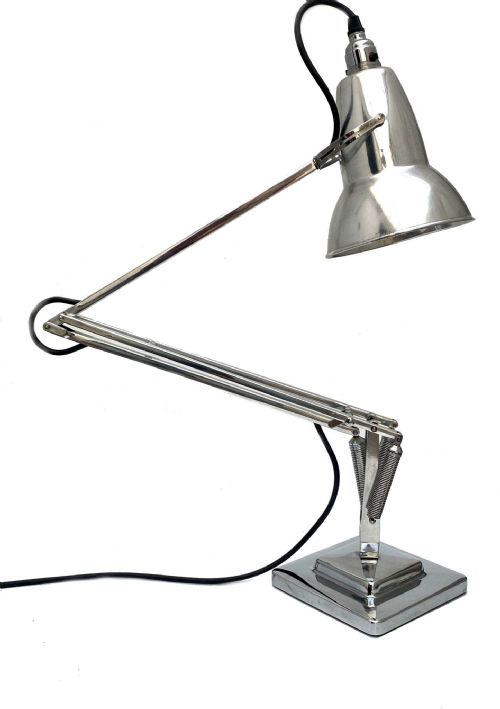
You are most likely to meet practical pieces combining cast iron and oak, or chrome and glass. The selection ranges from robust nineteenth-century cast-iron mechanisms to Art Deco and Machine Age lighting and tables.
The category encompasses workspace and domestic items alike, reflecting how utilitarian design crossed over into everyday settings. These objects prioritize mechanism and movement, whether through screw threads, ratchets, or weighted arms.
Materials and construction
Makers utilised durable, heavy-duty materials such as cast iron and steel for structural stability and mechanical longevity. Brass and chrome appear frequently to provide both corrosion resistance and a polished finish on moving components.
Construction relied on industrial engineering techniques, integrating threaded columns, pivoting joints, and cast metal bases to allow smooth height and angle adjustments.
Materials documented across the pieces include cast iron, chrome, brass, glass, steel, oak, and mahogany.
Judging quality and manufacture
Quality in these pieces rests upon the precision of the mechanical action and the integrity of the materials. Superior examples feature fluid movement in their adjustment mechanisms without excessive play or wear in the joints.
The execution of the metalwork, from the clean casting of iron bases to the plating finish on brass and chrome, dictates the standard of the piece. Heavier gauge metals and well-joined timber surfaces distinguish superior utilitarian items from lighter alternatives.
Herbert Terry·Carters Of London·Pirouette·Hawkins
The Industrial Adjustable Table Glossary
- Cast Iron
- An iron-carbon alloy poured into moulds to create sturdy, heavy bases and structural frames. It provides exceptional stability for adjustable furniture.
- Chrome
- Chromium plating applied to steel or brass to create a bright, protective finish. This treatment became prominent during the Art Deco and Machine Age periods.
- Ratchet mechanism
- A notched wheel and pawl arrangement that allows linear or rotational motion in one direction while locking against reverse movement. It is commonly found on adjustable stands and reading desks.
- Oak
- A dense, durable hardwood utilised for table tops and furniture elements. Its prominent grain pattern withstands heavy daily use.
Industrial Adjustable Table: Frequently Asked Questions
What materials were used?
The pieces utilise a combination of robust metals and dense timbers. Cast iron and steel provide the structural framework, while chrome and brass feature on adjustable components.
Oak and mahogany appear on table surfaces, complemented by glass in specific lighting designs.
How do the adjustment mechanisms work?
Adjustment relies on engineering methods suited to heavy daily use. Screw threads, weighted arms, and ratchets allow users to alter height and angles smoothly.
These mechanical elements were designed for practical workspaces, mobility aids, and drafting environments.
How do I date an industrial piece?
Dating relies on stylistic markers and material combinations. Victorian and nineteenth-century examples often feature heavy cast iron and timber, while 1930s pieces introduce Machine Age chrome and modernist lines.
Maker marks and specific manufacturing patents also help establish an accurate timeline.
Were these made for homes?
Many items originated in workshops, offices, hospitals, or drafting studios rather than domestic settings. Utility and adaptability drove their initial manufacture.
Over time, their functional aesthetic led to their adoption in contemporary domestic interiors.