



Oak Lectern Stand
An oak lectern stand supports heavy volumes and public reading with solid timber grain and practical height.

Oak Lectern Stand
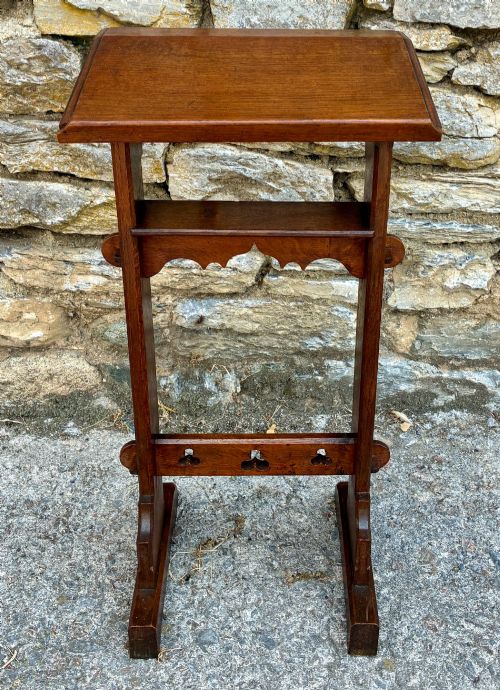
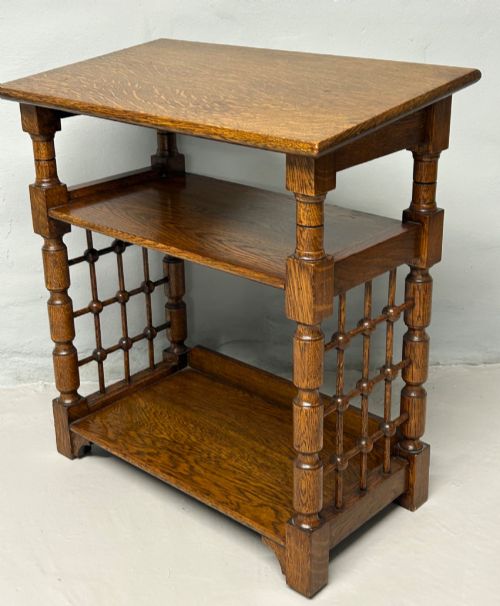
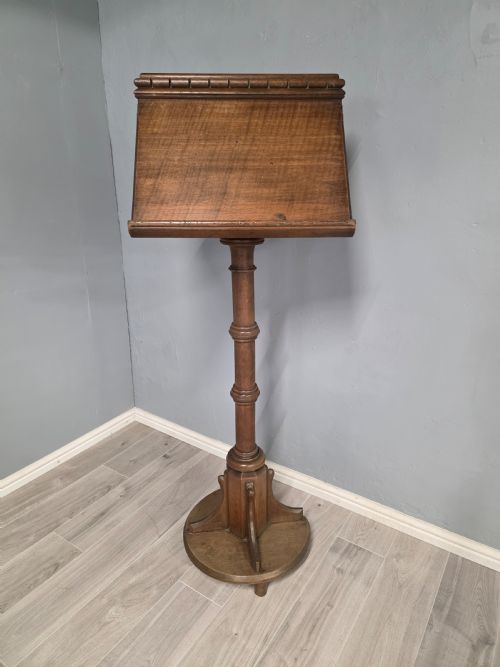
An oak lectern stand serves as a dedicated support for books, music, and documents, drawing from ecclesiastical, library, and domestic origins. When you search for an oak lectern stand, you encounter pieces designed for standing or sitting use, ranging from simple table platforms to large church pulpits and revolving bookcases.
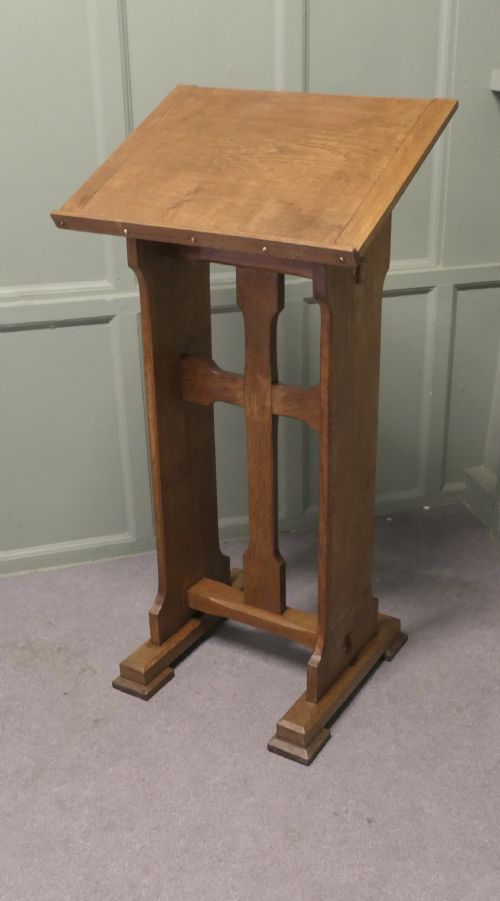
The pieces appearing on this page span the eighteenth, nineteenth, and early twentieth centuries, with Victorian and Edwardian examples appearing most frequently. Styles lean heavily towards Gothic Revival and Arts and Crafts movements, alongside practical restaurant reception greeter stations and adjustable music stands.
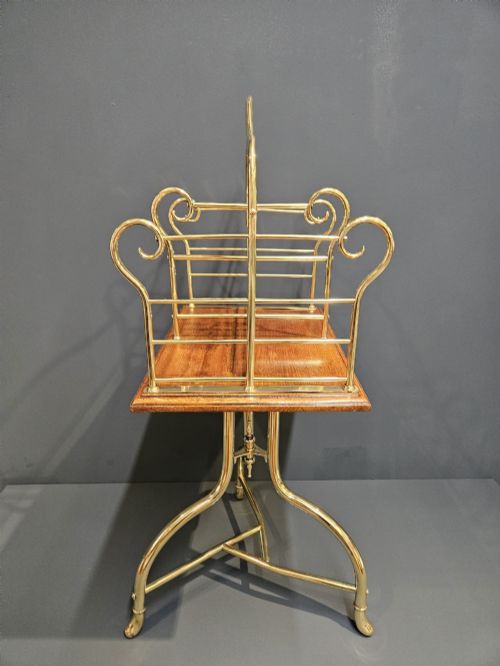
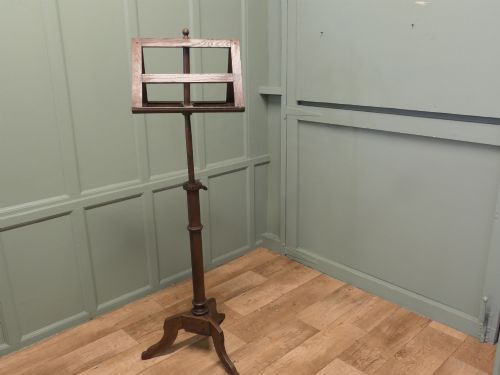
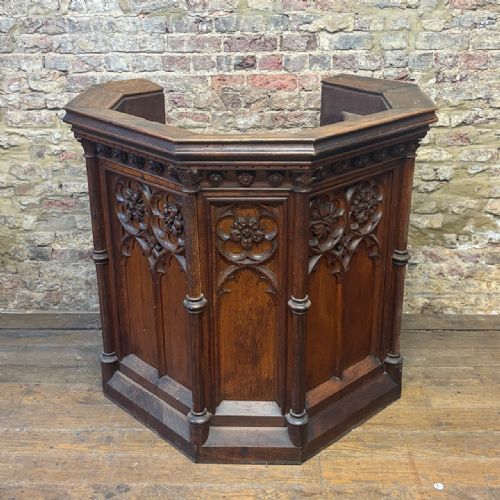
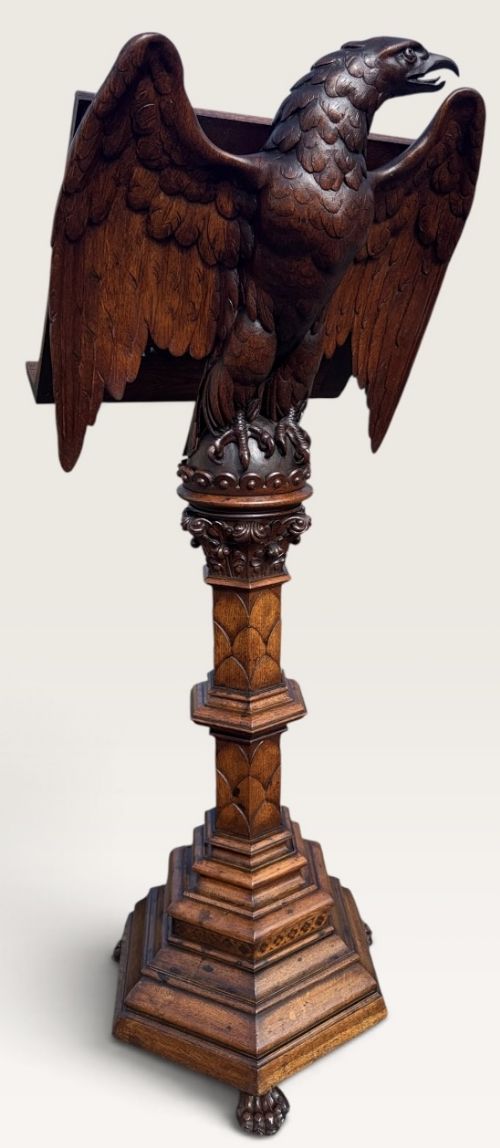
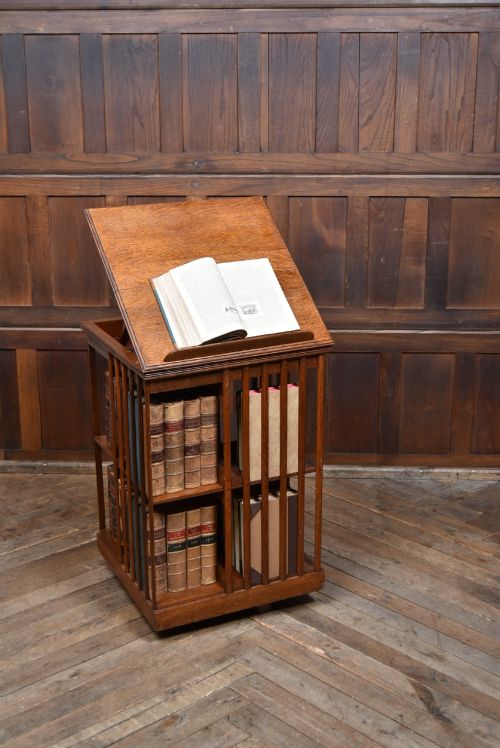
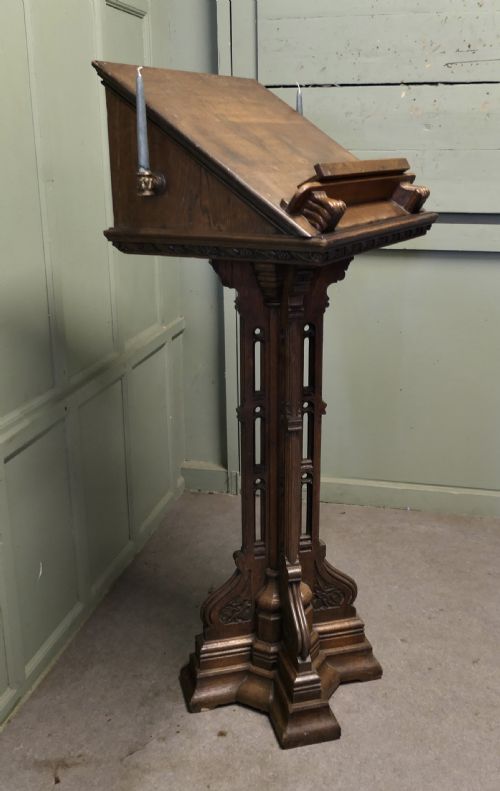
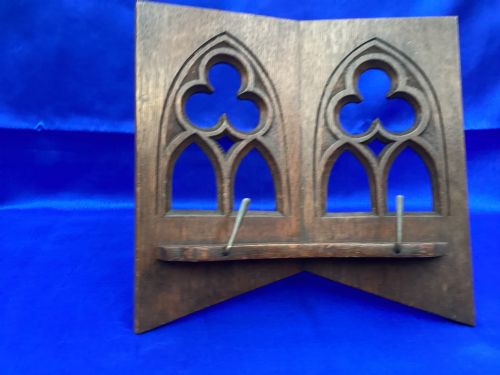
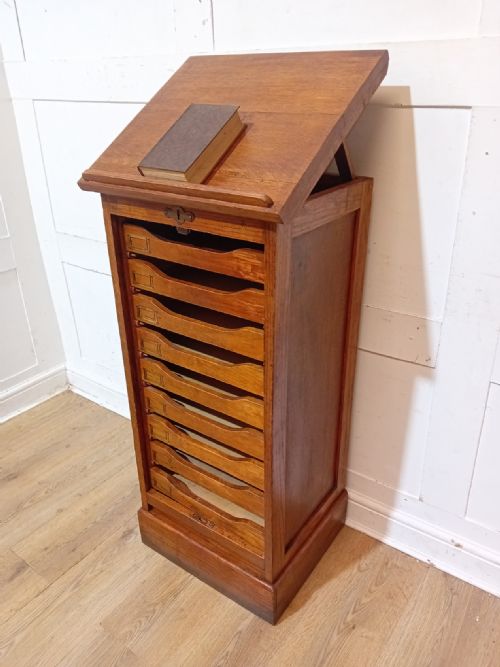
Forms vary from floor-standing pedestal lecterns featuring carved eagles with outstretched wings to portable reading stands and clerks desks. Many incorporate brass work, cast iron mechanisms, or revolving functions that demonstrate the period utility of the furniture.
Materials and construction
Solid oak provides the primary structural timber, sometimes paired with pine or mahogany, finished in golden tones or darker ecclesiastical shades. Workshops utilised heavy framing, panel construction, and deep relief carving to handle the physical demands placed on church and library furniture.
Metal components appear regularly in brass fittings, hinges, and cast iron adjustable bases that allowed height and angle modifications. These mixed media pieces combine timber joinery with metal engineering to create stable, weight-bearing reading platforms.
Oak Lectern Stand Retail Price Guide 2026
Typical asking prices for oak lectern stand among the pieces listed under this phrase on Sellingantiques today, from the lower quarter to the upper quarter. They describe what is for sale here now, not the wider market.
Several stands feature carved eagles with outstretched wings serving as the reading desk, adding dramatic bird anatomy to church services.
Assessing the craftsmanship
Quality rests upon the depth and precision of the hand carving, particularly on architectural mouldings and figural elements like eagle desk tops. Superior examples display crisp detail in the Gothic tracery and robust joinery that keeps tall pedestals stable under heavy folios.
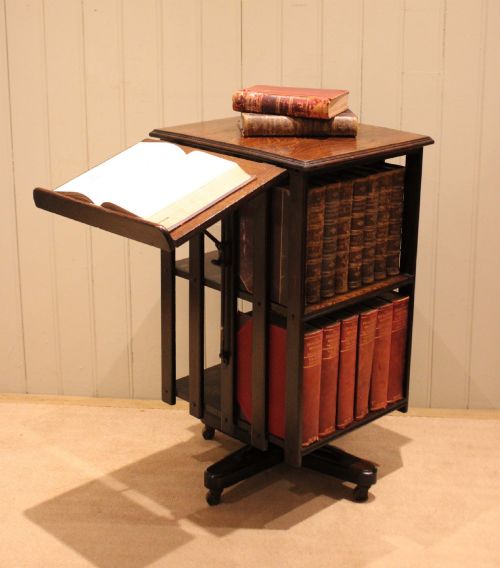
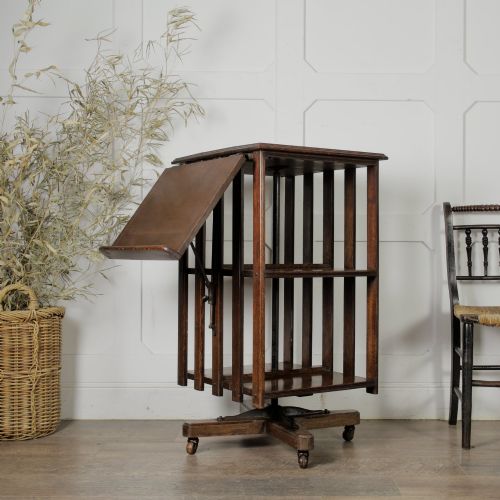
The integration of mechanical elements separates standard stands from better items, such as smooth-running adjustable iron screws, balanced revolving book cases, and well-fitted brass reading ledges. Timber selection also matters, with richly figured golden oak and quarter-sawn boards marking out the finer workshops.
Carters Of London
The Oak Lectern Stand Glossary
- Gothic Revival
- A design style inspired by medieval architecture, featuring pointed arches, trefoils, and heavy carved tracery. This aesthetic dominates nineteenth-century church furniture.
- Lectern
- A slanted reading desk designed to hold a book or speech for a standing reader. These often include a projecting ledge to prevent texts from sliding.
- Duet stand
- A music or book stand built to accommodate two readers side by side. These often feature adjustable double desks.
- Revolving bookcase
- A freestanding tiered bookcase mounted on a rotating spindle base. It allows access to multiple books within a compact footprint.
Oak Lectern Stand: Frequently Asked Questions
What were oak lectern stands used for?
These stands held large Bibles, service books, and musical scores in churches, chapels, and libraries. They provided an angled reading surface so speakers could read texts comfortably while standing.
Over time, smaller portable versions and adjustable reading tables found their way into domestic studies and music rooms for daily reading.
How do I tell Gothic Revival from Arts and Crafts?
Gothic Revival pieces borrow heavily from medieval architecture, displaying pointed arches, heavy tracery, and deep religious carvings. They look solemn and architectural.
Arts and Crafts pieces focus on plain surfaces, exposed joinery, and the natural grain of golden oak, reflecting a simpler aesthetic.
How do adjustable reading stands work?
Adjustable stands use metal ratchets, screws, or cast iron mechanisms to alter the height and angle of the reading platform. Users could loosen a thumbscrew to tilt the desk surface for optimum reading comfort.
These mechanical parts were engineered for daily adjustment in busy offices, libraries, or musicians' studios.
How do I care for antique oak furniture?
Keep oak lecterns away from direct heat sources and strong sunlight to prevent the timber from drying out and splitting. Dust the carved surfaces regularly with a dry cloth.
Apply a traditional beeswax polish occasionally to nourish the grain and maintain the natural lustre of the wood.