




Vintage Dictionary Stand
These vintage dictionary stand examples, spanning Victorian to interwar pieces, offer sturdy support and period charm for heavy volumes in any room.
Vintage Dictionary Stand
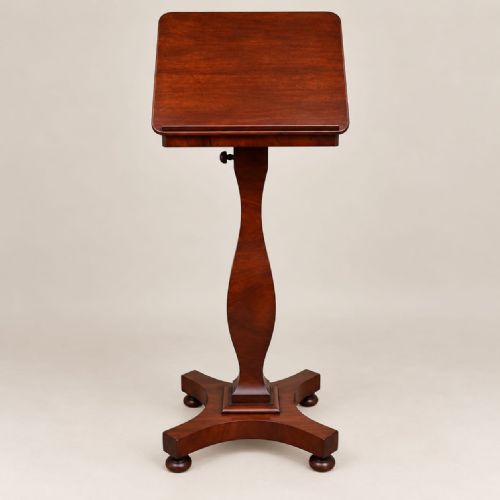
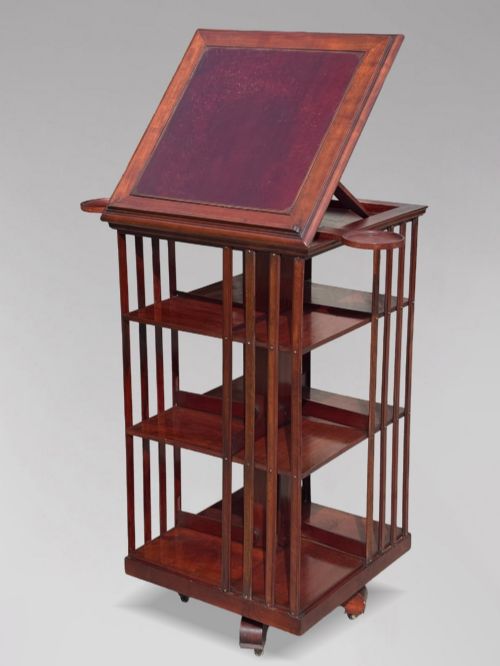
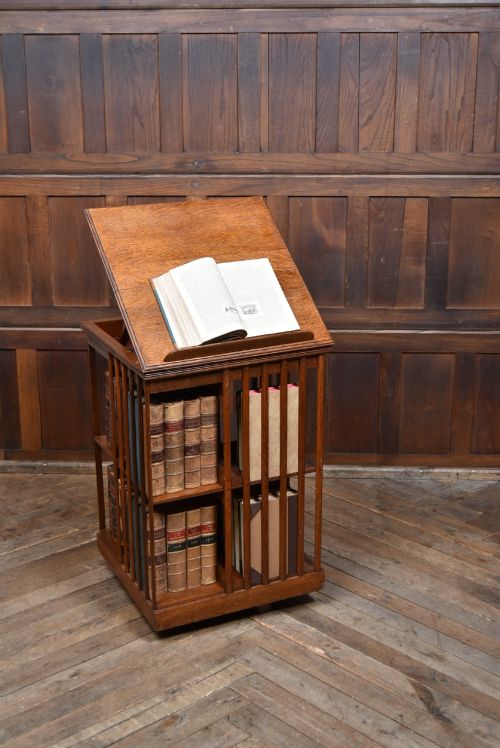
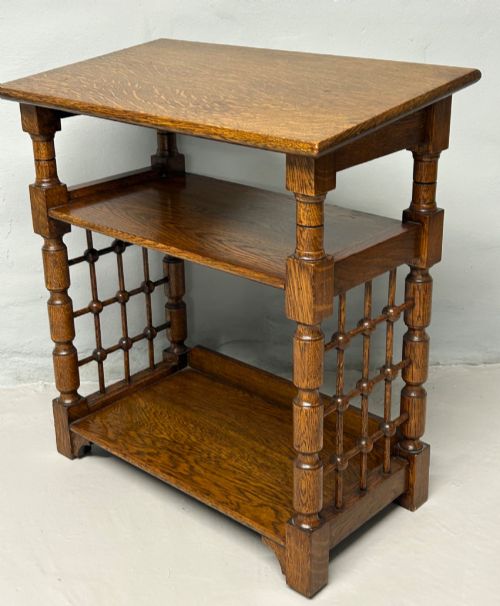
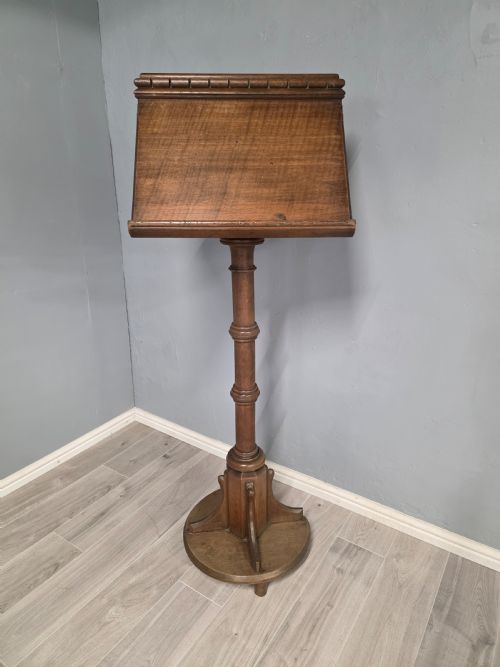
A vintage dictionary stand encompasses reading stands, lecterns, revolving bookcases, and music stands designed to hold large reference volumes. When searching for a vintage dictionary stand, buyers encounter pieces configured as upright floor lecterns, table-top reading slopes, and revolving bookcases.
The selections on this page draw from Victorian, Edwardian, Regency, and later periods spanning the nineteenth and twentieth centuries. Oak and mahogany appear most frequently, accompanied by walnut, pine, and ebonised timber.
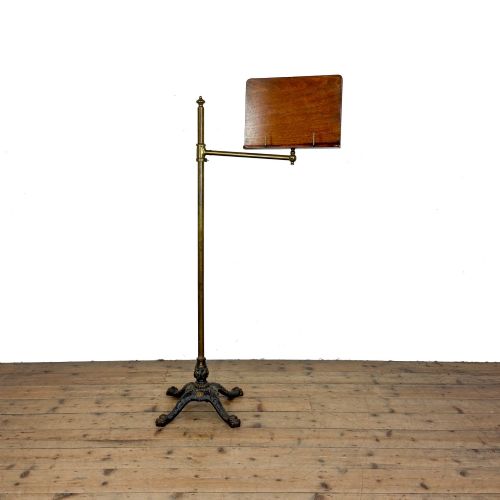
Forms range from ecclesiastical church lecterns and slope-shelf bookcases to adjustable brass-fitted music stands and restaurant reception stations. These multi-purpose stands serve libraries, studies, and hallways with practical surface space for heavy books.
Materials and construction
Cabinet makers utilised solid hardwoods such as oak, mahogany, and walnut to build these functional stands. Grain patterns and natural finishes highlight the structural integrity of the timber used in each frame.
Many items incorporate brass work, cast iron, and glass elements to provide functional adjustments and structural support. Metal ratchets, hinges, and pivoting mechanisms allow reading surfaces to tilt and rotate with ease.
Vintage Dictionary Stand Retail Price Guide 2026
Typical asking prices for vintage dictionary stand among the pieces listed under this phrase on Sellingantiques today, from the lower quarter to the upper quarter. They describe what is for sale here now, not the wider market.
Items include revolving bookcases, church lecterns, and adjustable music stands fitted with brass.
Judging quality and craftsmanship
The standard of a stand rests upon the selection of timber and the precision of its mechanical joints. Superior examples feature well-fitted brass hardware and smooth adjustment mechanisms that operate without binding.
Design ambition separates basic utility pieces from more refined furniture. Elaborate mouldings, carved details, and integrated revolving functions demonstrate higher workshop proficiency.
Harrods
The Vintage Dictionary Stand Glossary
- Lectern
- A slanted reading desk designed to support books for a standing reader. These often feature adjustable heights and book ledges.
- Revolving bookcase
- A compact bookcase mounted on a pivoting base that turns freely. This allows access to books from multiple angles in a tight space.
- Slope-shelf
- A shelving tier angled downward to display book titles clearly. This design supports volumes at an ergonomic reading angle.
- Ebonised
- Timber treated with a dark stain or finish to imitate ebony. This technique was popular in Victorian and later furniture for a dramatic monochrome appearance.
Vintage Dictionary Stand: Frequently Asked Questions
What woods were used for these stands?
Carpenters primarily constructed these pieces using oak and mahogany, with some examples utilising walnut and pine. Ebonised finishes and secondary pine components also appear across different eras.
Matching the wood tone to existing furniture helps integrate the stand into your room. Each timber exhibits distinct grain characteristics and weight.
How do I date a reading stand?
Examine the timber, fastening methods, and overall style to determine the period. Victorian and Edwardian pieces often display specific Gothic Revival or Arts and Crafts design motifs.
Adjustable brass work and cast iron components also provide clues regarding manufacturing techniques of the nineteenth and early twentieth centuries. Comparing the object type to dated examples refines your estimate.
Are these stands suitable for modern books?
These robust stands easily accommodate heavy modern atlases, art books, and dictionaries. Their original purpose involved supporting substantial volumes.
The deep ledges and sturdy frames prevent large books from sliding off the reading surface. Ensure the weight is balanced properly across the shelf.