



Church Bible Lectern
These church bible lectern pieces span centuries of ecclesiastical and domestic devotion, offering solid timber craftsmanship and striking brass detail for serious interiors.
Church Bible Lectern
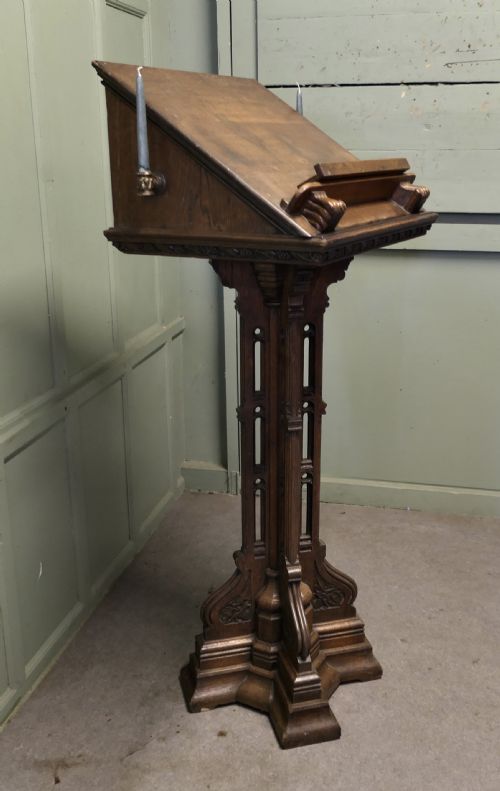
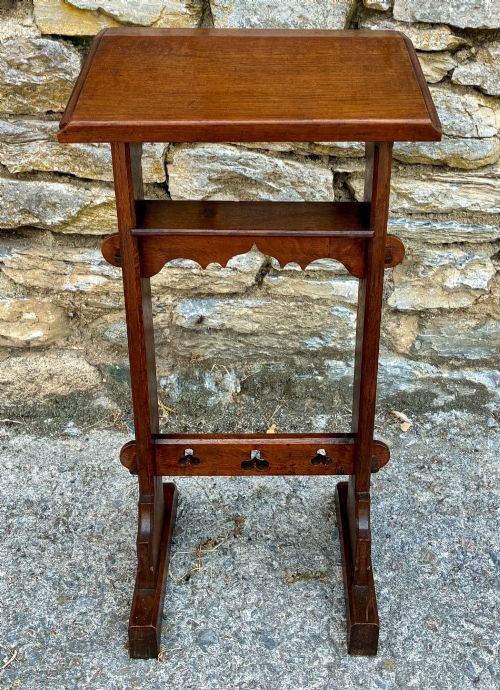
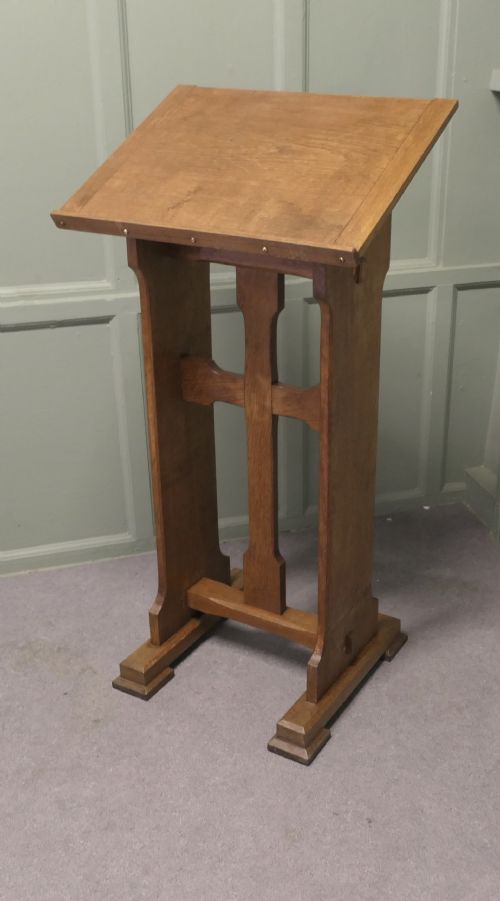
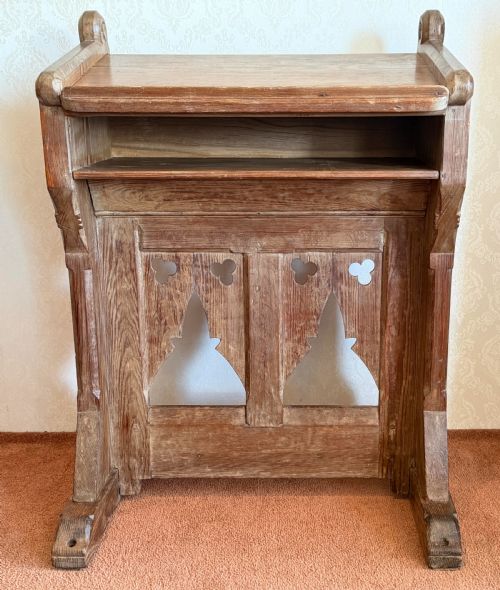
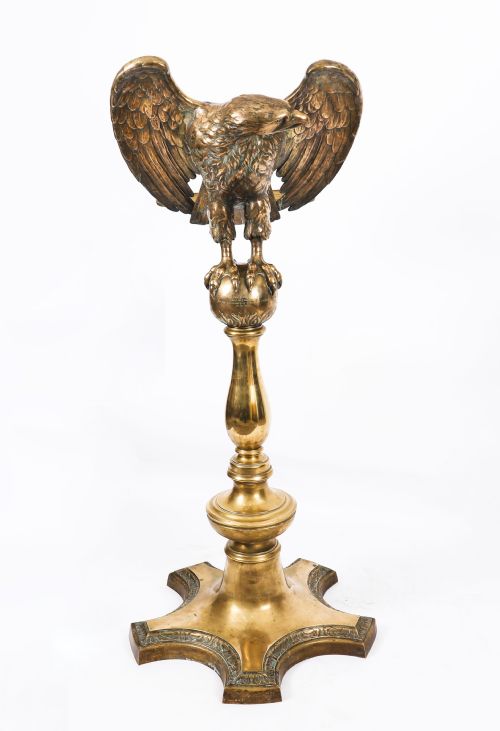
When you search for a church bible lectern, you encounter large standing podiums, folding missal rests, and smaller reading desks designed to hold heavy texts. The pieces appearing here predominantly take the form of oak reading stands and brass eagle figures.
Originating from periods between the eighteenth and twentieth centuries, these items reflect both grand ecclesiastical settings and smaller parish churches. You find substantial Gothic Revival designs alongside simpler pine and cast iron variants.
The selection ranges from elaborate carved wooden eagles with outstretched wings to utilitarian reception desks and restaurant greeter stations. Oak remains the primary timber employed across the chronological spectrum.
How they were made
Makers constructed these stands primarily using solid oak and pine, often finished with detailed hand carving and joined with traditional methods. Brass work frequently complements the timber framework, particularly on eagle lecterns and decorative mounts.
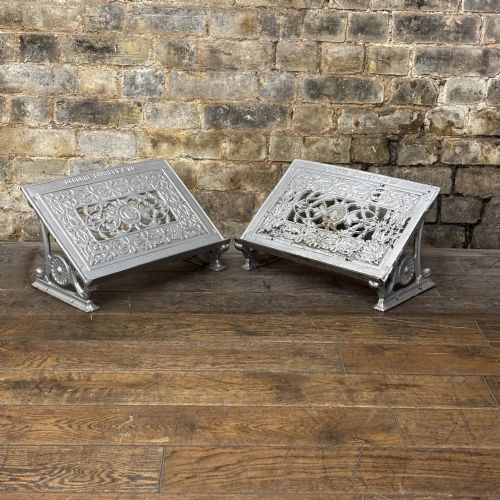
Cast iron appears in industrial and Victorian iterations, while specialised pieces incorporate gesso, gilt, and gold leaf. The combination of heavy woods and metal components ensures stability for supporting large, heavy volumes.
Listings feature oak most frequently, accompanied by brass, pine, and cast iron across Victorian and twentieth-century periods.
What varies in quality
The distinction between standard utility items and exceptional examples lies in the depth and complexity of the carving. Finely rendered anatomical detail in wooden eagle wings separates superior sculptural work from simpler regional joinery.
Material selection and structural integrity also define the upper tier, where heavy solid timbers and high-grade brass outlast lighter pine combinations. Original surface patination and untouched period finishes elevate the standing of any piece.
Osborne Garrett & Co
The Church Bible Lectern Glossary
- Gothic Revival
- An architectural and decorative style drawing inspiration from medieval forms, featuring pointed arches and heavy tracery. This aesthetic dominates nineteenth-century ecclesiastical furniture.
- Missal Stand
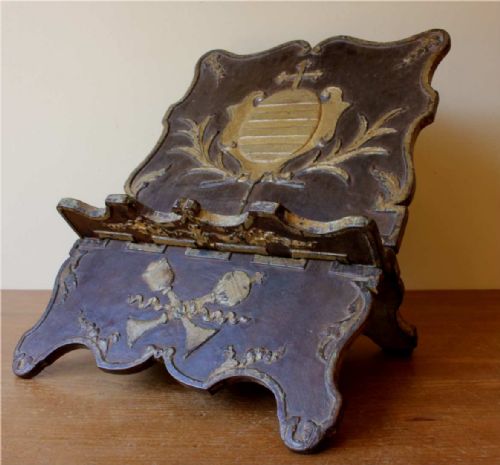
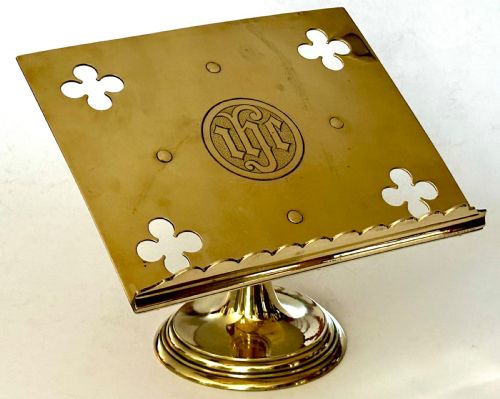
- A portable or folding desk designed to hold a liturgical book on an altar or table. These items often feature adjustable rests for reading convenience.
- Podium
- A raised stand used for holding a book or notes while speaking or reading. They appear in both standing heights and smaller tabletop formats.
- Patina
- The surface sheen and colour developed on wood or metal through age and use. A rich patina indicates long-term handling and natural wear.
- Ecclesiastical
- Relating to the Christian Church or its clergy. Pieces bearing this designation originate from places of worship or religious institutions.
Church Bible Lectern: Frequently Asked Questions
What is a church bible lectern used for?
These pieces served primarily to hold large liturgical texts, service books, and Bibles during religious ceremonies in churches and chapels. The slanted desk surface allowed readers to consult scriptures easily while standing.
Over time, many of these stands transitioned into secular spaces, functioning as reading desks, reception podiums, and display furniture in private homes or public establishments.
How do I care for an antique oak lectern?
Maintain antique oak by keeping the wood away from direct heat sources and rapid humidity changes, which can cause timber to split or warp. Dust the surface regularly with a dry, soft cloth rather than using modern silicone polishes.
Applying a traditional beeswax occasionally helps nourish the grain and protects the historic finish. Ensure any brass elements are cleaned gently without abrasive agents that might damage surrounding wood.
Are brass eagle lecterns heavy?
Brass eagle lecterns are exceptionally heavy, combining dense cast metal with solid internal framing to ensure the large wingspan remains stable. Moving them typically requires two people to prevent strain on the joints and base.
This substantial weight was intentional, designed to prevent the tall structures from tipping when heavy folio bibles rested upon the inclined wings.
What is the difference between a lectern and a missal stand?
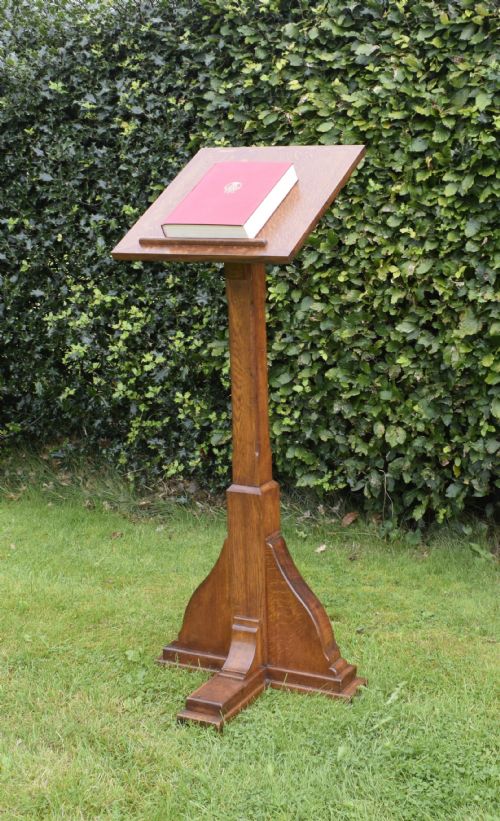
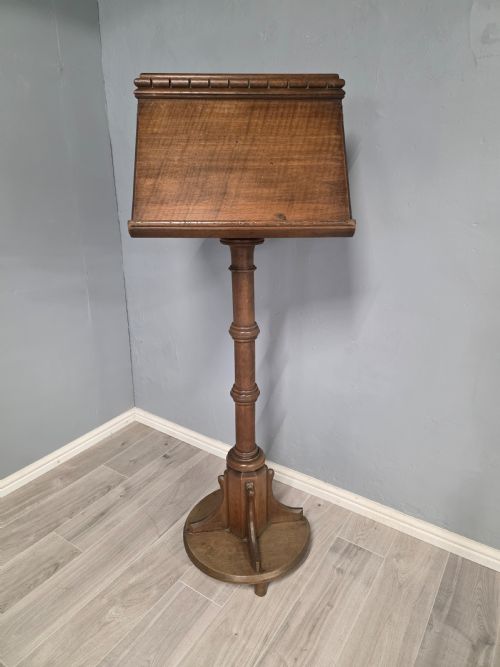
A lectern is generally a taller, freestanding piece of furniture designed for reading standing up, often featuring a dedicated base or pillar. They form prominent focal points within church chancels.
A missal stand is much smaller and lower, traditionally placed directly on an altar or tabletop to hold smaller service books. Many examples fold flat for easy storage and transport.