




Carved Oak Bookstand
A carved oak bookstand brings solid timber grain and sturdy shelves to your library, combining practical utility with traditional craftsmanship.

Carved Oak Bookstand
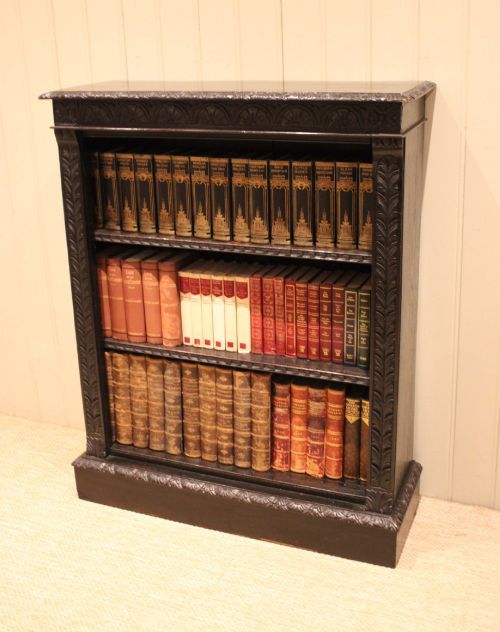
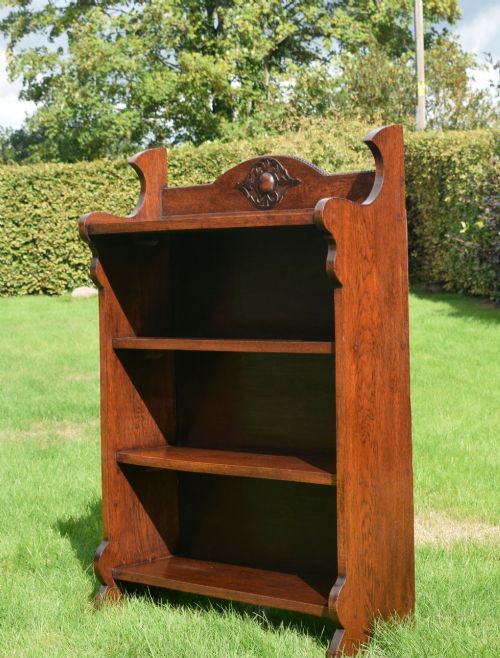
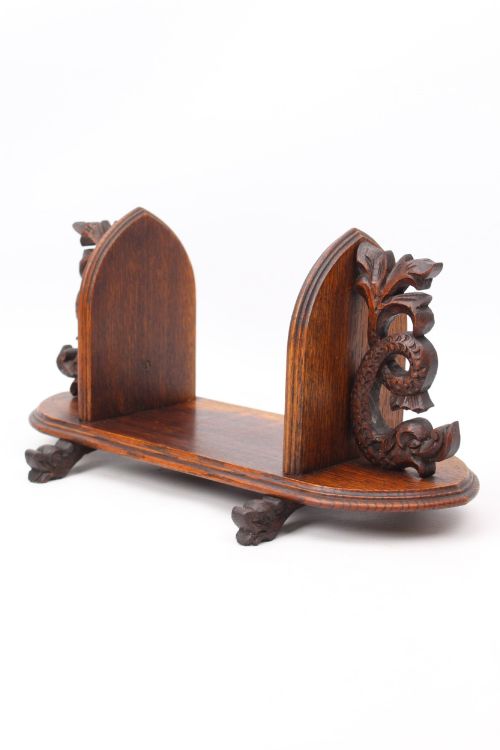
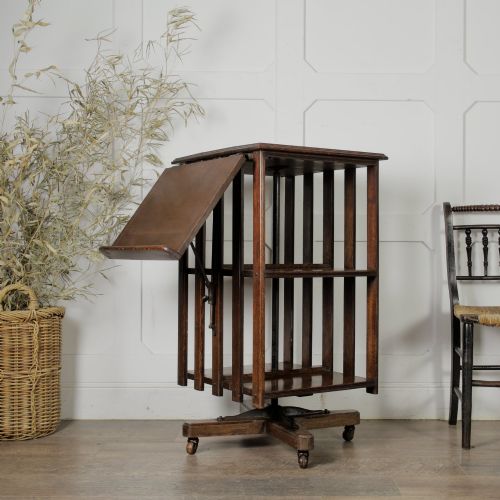
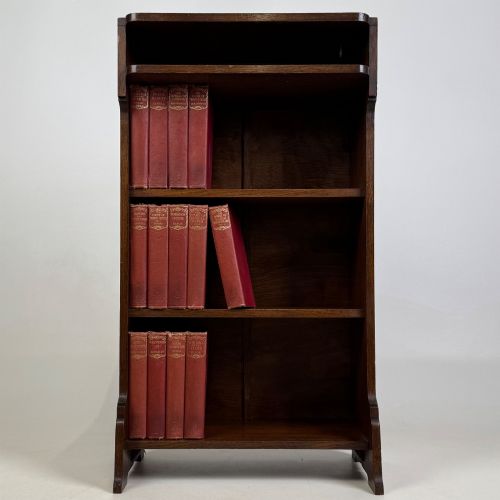
When you search for a carved oak bookstand, you encounter a variety of sturdy library furniture and reading stands designed to hold volumes securely. The pieces range from compact table top revolving versions to tall open front bookcases and floor-standing lecterns.
Edwardian and early twentieth century examples appear most frequently on this page, often constructed from solid oak with carved detailing. Pieces span several eras, including Victorian, Arts and Crafts, Gothic Revival, and eighteenth century Italian work.
Forms vary from rotating desktop designs to adjustable library shelving and stationary lecterns depicting eagles with outstretched wings. Each object serves the dual purpose of displaying literature and withstanding daily handling.

How they were made
Makers utilised solid oak as the primary timber, shaping panels with fret-cut decoration and intricate carving. Brass and gilt accents occasionally appear on hardware or fittings, complementing the natural grain of the wood.
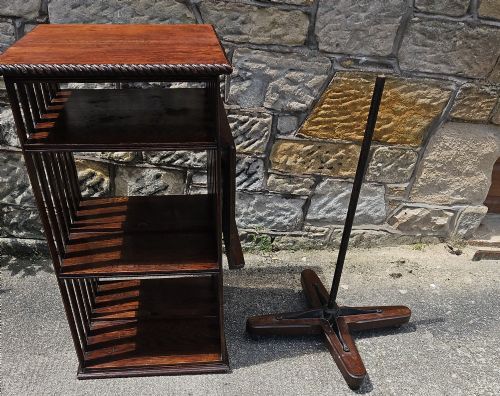
Cast iron components provide internal support and smooth rotation mechanisms for revolving table top and floor-standing bookcase variants. Joinery relies on traditional carpentry methods to ensure durability across open shelving and adjustable library formats.
Carved Oak Bookstand Retail Price Guide 2026
Typical asking prices for carved oak bookstand among the pieces listed under this phrase on Sellingantiques today, from the lower quarter to the upper quarter. They describe what is for sale here now, not the wider market.
The inventory spans multiple historical periods, including the Victorian era, Edwardian period, and the eighteenth century.
What varies in quality
The distinction between standard utility items and finer examples lies in the depth and crispness of the carved ornamentation. Elaborate motifs, such as Gothic Revival tracery or sculptural figures like the eagle lecterns, demand greater artisan skill than plain rectilinear panels.
Proportion and mechanical function separate basic shelving from superior revolving stands. Smooth rotation, well-fitted adjustable mechanisms, and balanced proportions determine how successfully a piece fulfills its original library function.
The Carved Oak Bookstand Glossary
- Revolving bookcase
- A rotating table top or floor-standing unit designed for easy access to multiple volumes from a seated position. These pieces typically turn on a concealed cast iron mechanism.
- Lectern
- A dedicated stand with a sloped top designed to hold a book at a comfortable reading angle. Examples include floor-standing pieces carved into the shape of an eagle with outstretched wings.
- Gothic Revival
- A nineteenth and early twentieth century style drawing inspiration from medieval architecture. Pieces feature pointed arches, quatrefoils, and heavy carved tracery.
- Arts and Crafts
- A design movement prioritising traditional craftsmanship and visible construction over mass production. Items from this tradition display honest joinery and simple, robust forms.
- Fret-cut
- A technique where timber is pierced with a fretsaw to create openwork patterns and decorative silhouettes. This method adds lightness to otherwise heavy oak panels.
Carved Oak Bookstand: Frequently Asked Questions
What is a revolving bookcase?
A revolving bookcase is a compact piece of furniture designed to sit on a table or floor, allowing books to be accessed easily from any angle. It rotates smoothly on a central pivot.
These pieces were popular in studies and libraries where space was at a premium. They keep frequently referenced volumes close at hand.
How do I date an oak bookstand?
Dating relies on observing stylistic markers, construction methods, and hardware. Edwardian and early twentieth century pieces often show machine-assisted joinery alongside hand-carved details.
Earlier eighteenth century items display entirely hand-worked timber and distinct regional joinery techniques. Comparing the carving style to known period motifs helps narrow the timeline.
Where were lecterns used?
Lecterns served primarily in churches, chapels, and grand private libraries to support large service books or reference volumes. Their sloped tops held heavy tomes at a readable angle.
Figurative designs, such as eagles with outstretched wings, added symbolic meaning and visual drama to ecclesiastical interiors. They remain striking focal points in a room.
How do I care for oak furniture?
Oak benefits from regular dusting with a dry cloth to prevent dirt accumulation in the carved recesses. Avoid placing wooden furniture near direct heat sources or strong sunlight.
Applying a traditional beeswax polish occasionally maintains the lustre of the timber. This preserves the natural grain without building up heavy chemical layers.