

Open Oak Bookcase
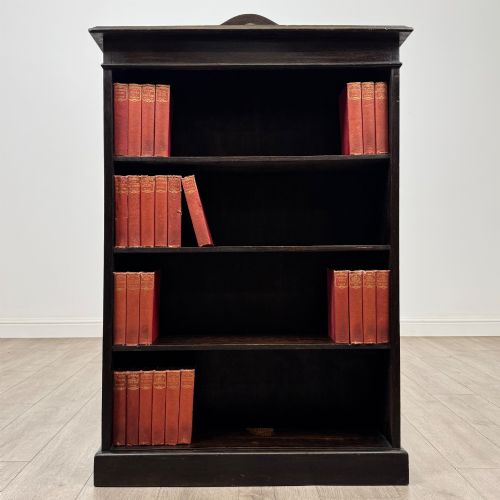
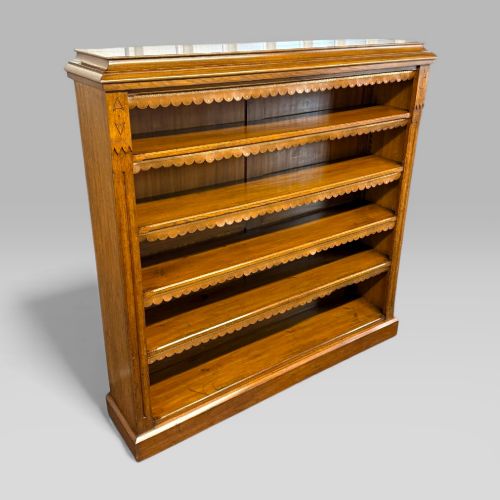
An open oak bookcase brings practical shelving and sturdy character to a room, ranging from compact Edwardian pieces to tall Victorian library furniture.
What the pieces are
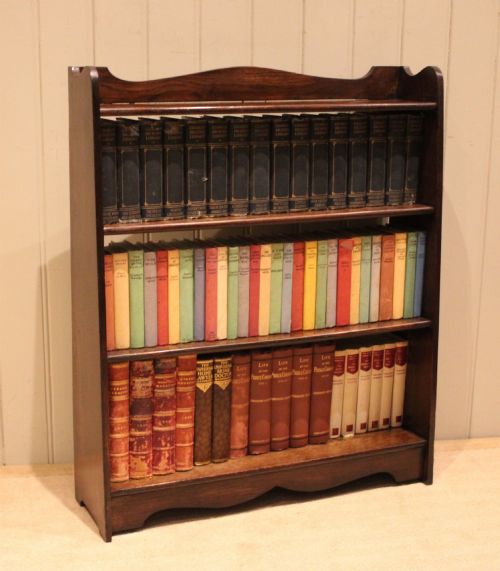
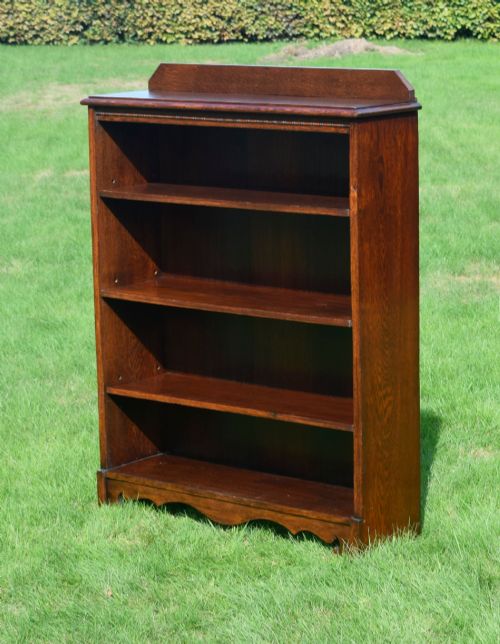
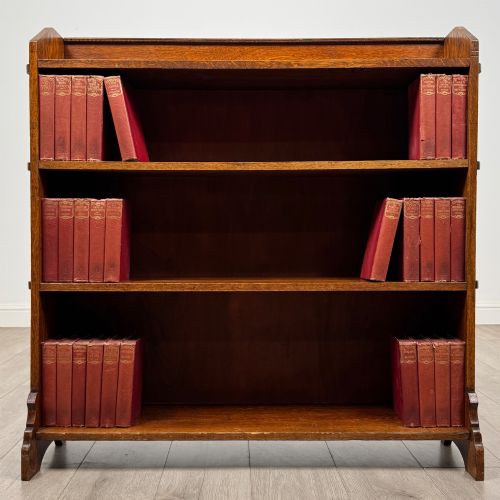
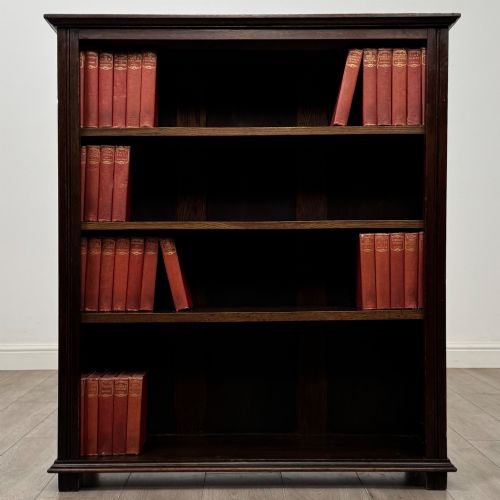
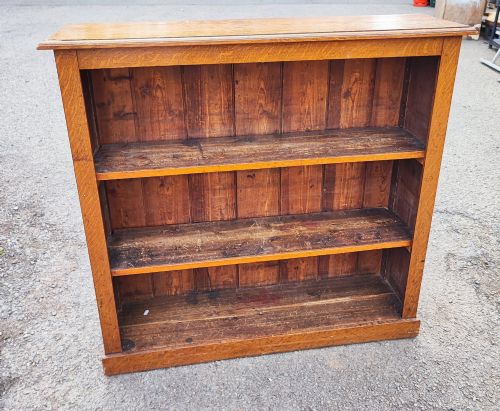
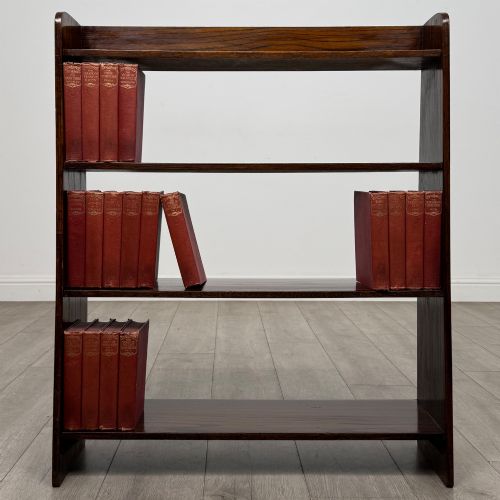
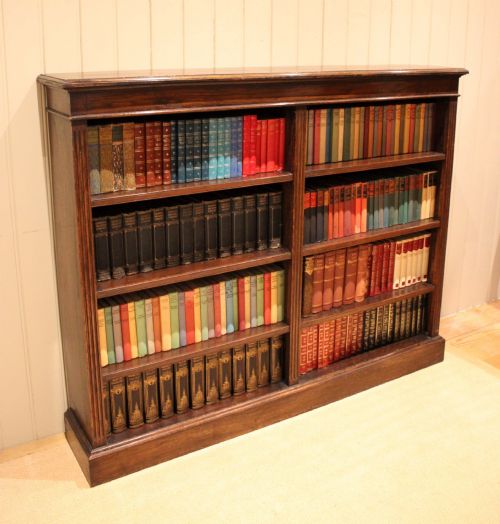
An open oak bookcase provides accessible storage for books without the barrier of glass doors, appearing in various proportions from low and long formats to tall library editions. When searching for an open oak bookcase, buyers encounter items spanning the Victorian era through the Edwardian period, the 1900s, 1910s, and 1920s.
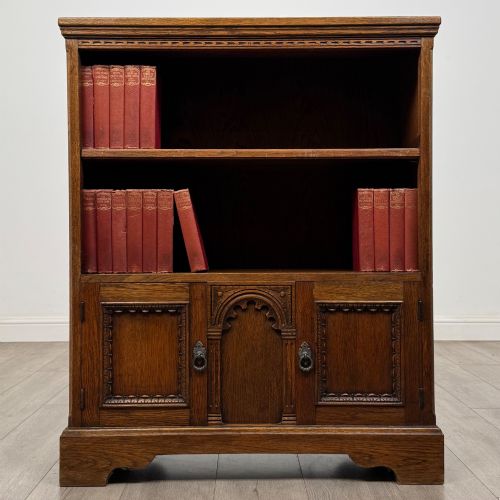
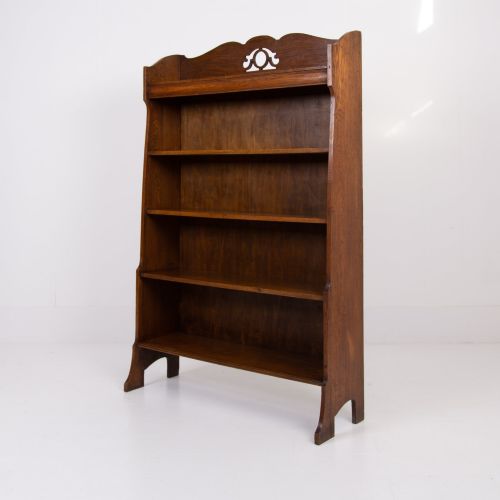
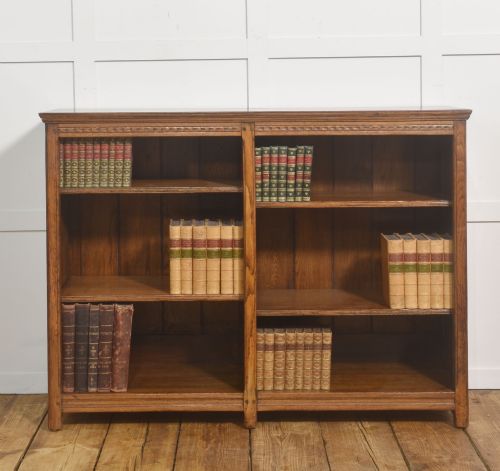
The material focus centres on oak and solid oak, occasionally highlighted by quarter-cut oak, pollard oak, or golden oak finishes. Formats include small bedside or narrow variants, waterfall shelves, curved tops, arch tops, and breakfront three-section configurations.
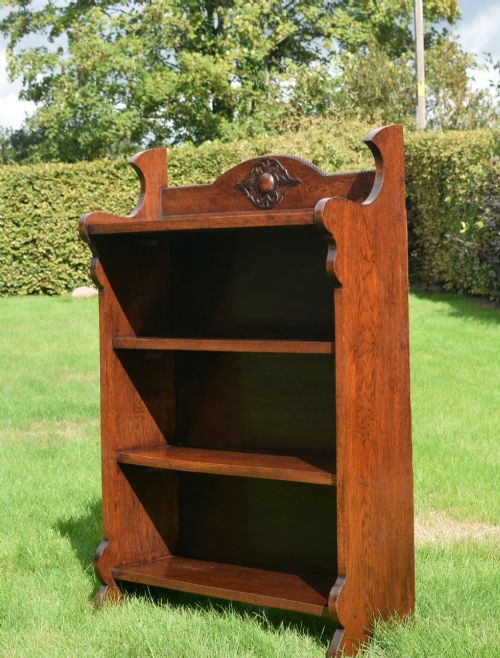
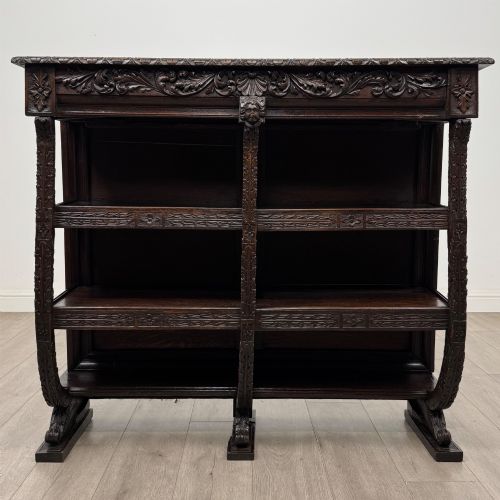
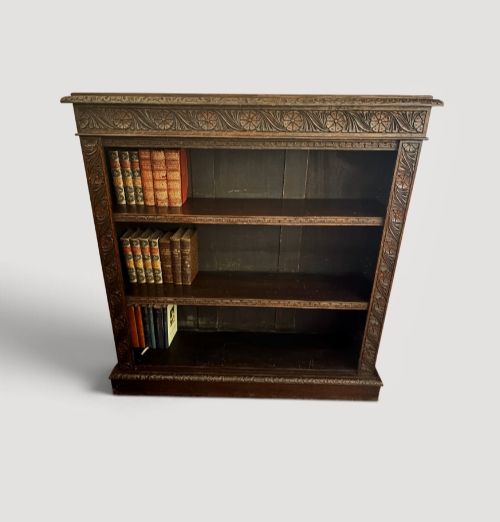
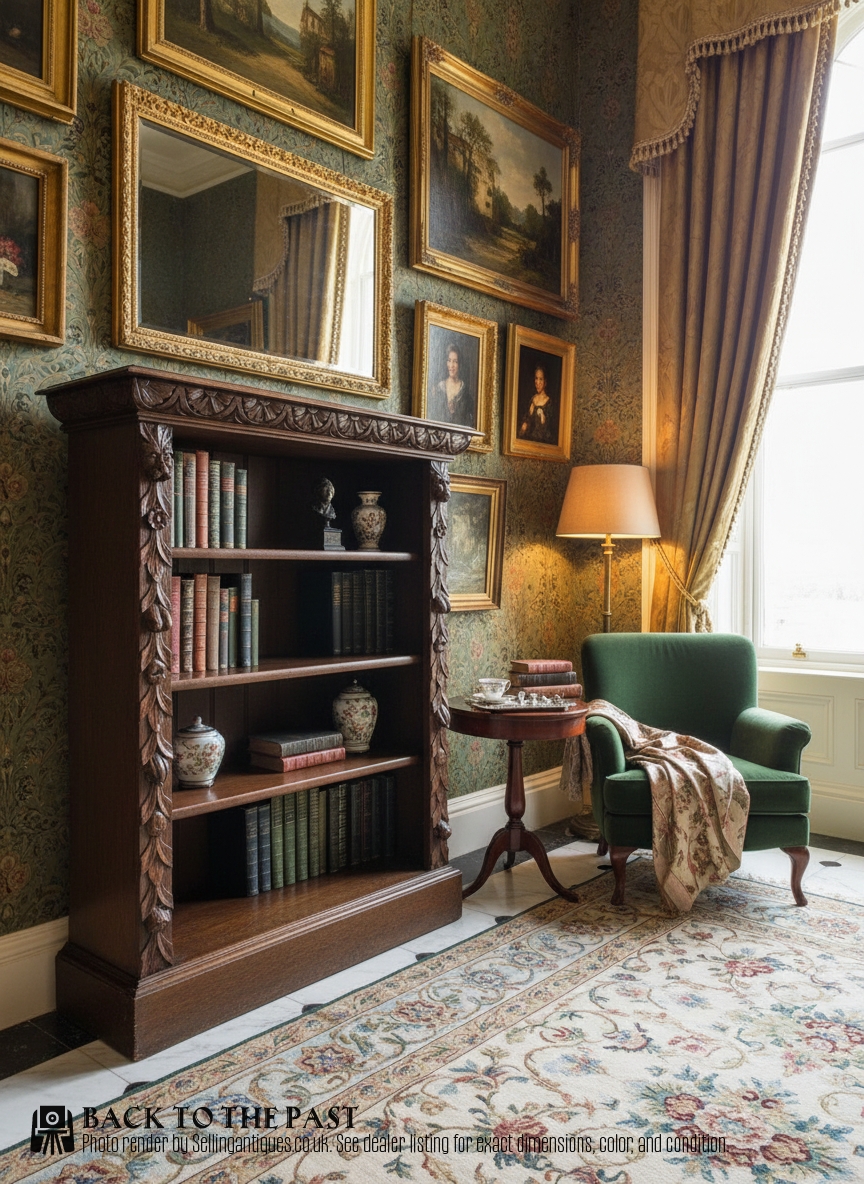
Stylistic influences range from plain utilitarian designs to Arts and Crafts interpretations featuring copper side panels, fret-cut details, and hand-carved Tudor rose motifs. These items function equally well in studies, living rooms, and hallways for displaying collections.

How they were made
Cabinet makers utilised solid oak planks, quarter-cut boards, and pollard oak veneers to construct these bookcases, applying jointing techniques suitable for weight-bearing shelves. Surfaces show both golden and dark tones achieved through traditional polishing methods.
Detailing on these pieces involved hand-carving, fret-cutting, beaded edges, and metalwork integration such as copper side panels. Adjustable shelving mechanisms appear in select examples, allowing owners to alter shelf heights for varying book sizes.
Retail Price Guide 2026
Typical UK retail prices for open oak bookcase, calculated from the Sellingantiques database of over a million retail prices indexed since 2003. This retail price guide relies exclusively on Sellingantiques data; no external sources or auction records are used, so the figures do not describe the wider market.
Some Edwardian oak bookcases whisper of old tea rooms through their unexpected integration of beaten copper side panels.
What varies in quality
The distinction between standard examples and finer items rests in the selection of timber, such as quarter-cut oak, and the presence of considered ornamentation like hand-carved panels or fret-cut sides. Proportion and scale also dictate worth, with unusually low, tall, or breakfront forms demonstrating greater design ambition.
Execution of secondary details, including integrated copper panels or refined beaded edges, separates mass-produced items from bespoke workshop commissions. Structural integrity in solid oak uprights and the finish of the timber surface determine the lasting presence of each piece.
Inglesants
The Open Oak Bookcase Glossary
- Quarter-cut oak
- Timber sawn at right angles to the growth rings, producing a distinct medullary ray fleck pattern. This method yields stable boards prized in better cabinet making.
- Arts and Crafts
- A design movement favouring honest construction and handcrafted details. Pieces often incorporate exposed joinery and materials such as copper.
- Breakfront
- A piece of furniture where the central section projects forward from the flanking sides. This configuration adds architectural depth to larger library bookcases.
- Waterfall bookcase
- A shelving unit where the side panels step back progressively from top to bottom. The form creates a cascading profile reminiscent of a waterfall.
- Fret-cut
- Woodwork pierced or perforated with a fretsaw to create decorative patterns. This technique appears on the side panels or galleries of select items.
Frequently Asked Questions
What periods do these bookcases date from?
The pieces span from the late Victorian era through the Edwardian period and into the 1910s and 1920s.
Most examples reflect late nineteenth and early twentieth-century domestic interior styles.
Are the shelves adjustable?
Certain examples feature adjustable shelving to accommodate books of different heights.
Buyers should examine specific listings to determine whether the shelves are fixed or movable.
What wood types are used?
The primary material is oak, utilised in solid form alongside quarter-cut boards and pollard oak veneers.
Finishes range from natural golden oak tones to darker antique patinas.
How do I fit one into a room?
Open bookcases suit studies, living spaces, and hallways due to their accessible front-facing shelves.
Dimensions vary from narrow, small-proportioned units to tall library bookcases.