



Carved Wooden Eagle
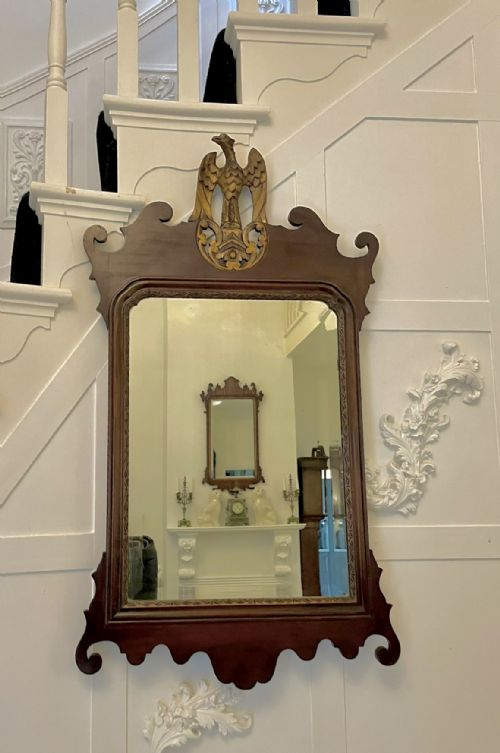
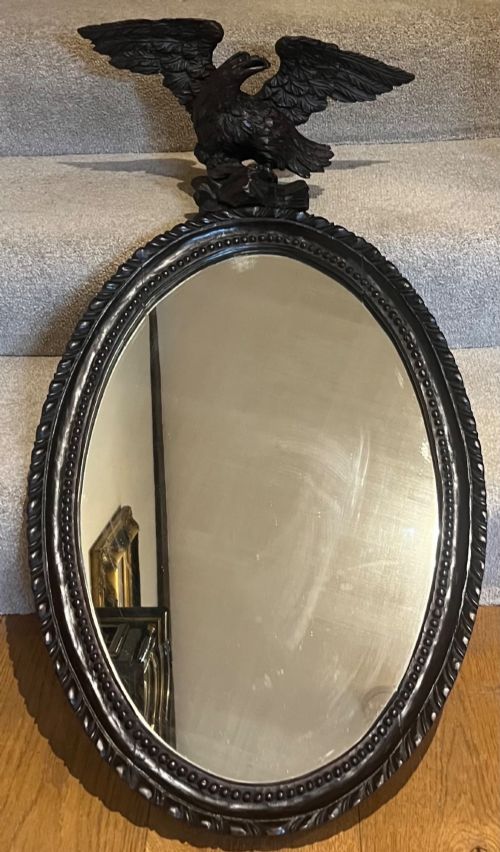
Carved wooden eagle pieces bring dramatic presence to a room, appearing in forms from mirrors and console tables to lecterns and wall sconces.
Carved Wooden Eagle
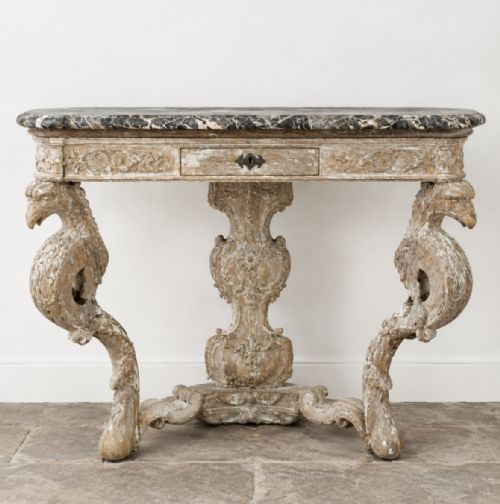
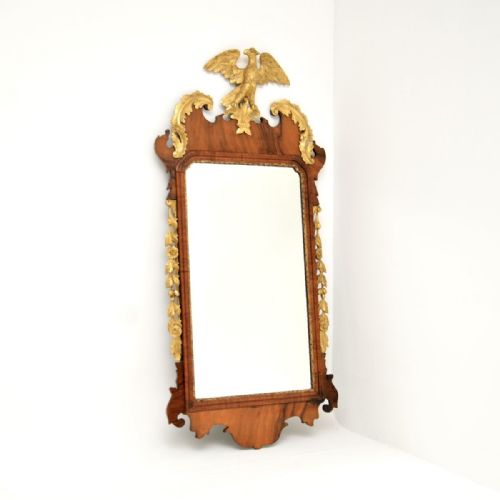
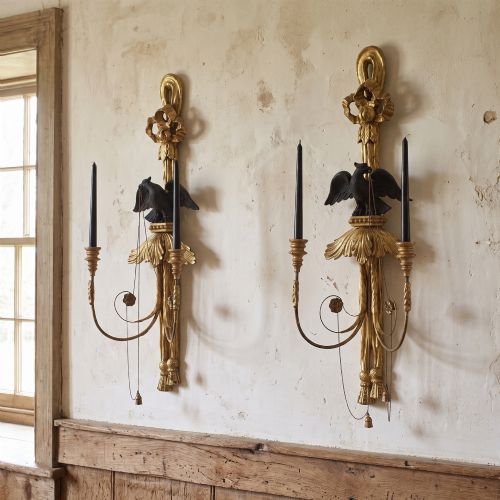
A carved wooden eagle takes many forms across the selection, most frequently appearing as part of a wall mirror, console table, lectern, or wall sconce. These items emerge from various periods including the 18th century, 19th century, and Victorian era, reflecting stylistic influences from Georgian, Baroque, Gothic Revival, and Black Forest traditions.
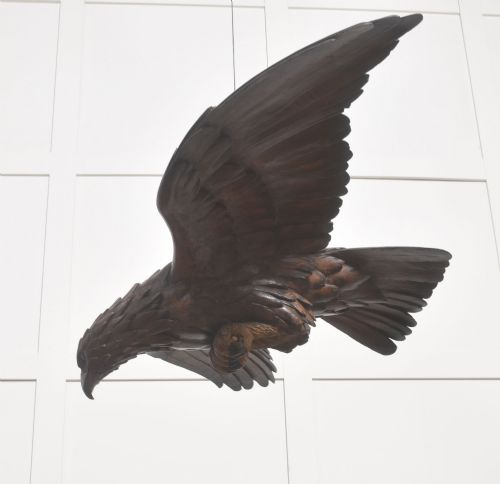
The bird appears with wings outstretched on lecterns, perched atop mirrors, or forming the structural support of console tables and hall stands. Walnut, oak, mahogany, and giltwood provide the primary foundations for these sculptures and functional objects.
Materials and Craftsmanship
Makers utilised solid timbers such as walnut, oak, and mahogany, shaping the dense grain with chisels and gouges to define feathers, talons, and powerful curves. Giltwood surfaces combine carved wood with layers of gold leaf applied over preparation grounds.
Selected works incorporate glass mirror plates, brass fittings, and penwork details, while regional traditions from Black Forest workshops emphasise deeply textured, naturalistic rendering of birds of prey.
Walnut and oak appear frequently among the listings, alongside giltwood and mahogany across 19th-century and 18th-century pieces.
Markers of Distinction
The depth and vigour of the carving determine the artistic merit of each piece, separating stiffly rendered birds from those displaying anatomical energy and crisp feather separation. Anatomy, proportion, and the confidence of the tool work dictate the success of the sculpture.
The harmony between the bird and its functional purpose - whether supporting a mirror frame, a console top, or a reading desk - governs the overall cohesion and visual balance of the object.
LUIGI FRULLINI
The Carved Wooden Eagle Glossary
- Black Forest
- A regional style originating in central Europe, known for naturalistic wood carvings of animals and birds rendered in walnut or linden. These pieces often feature glass eyes and highly detailed feather work.
- Giltwood
- Timber that has been coated with thin sheets of gold leaf over a gesso base. This finish brightens dark interiors and highlights carved details.
- Lectern
- A reading desk with a sloped surface designed to hold books or manuscripts. In antique examples, the support frequently takes the form of an eagle with outstretched wings.
- Console table
- A wall-mounted table supported by brackets or sculptural legs rather than four independent vertical posts. Grand examples often utilise carved eagles as their primary structural supports.
- Fretwork
- Openwork ornamentation carved or cut from thin boards using a fretsaw. This technique creates delicate geometric or foliage patterns around mirror frames.
- Parcel gilt
- A decorative treatment where only specific portions of a wooden object are gilded, leaving the natural grain of walnut or mahogany visible elsewhere.
Carved Wooden Eagle: Frequently Asked Questions
What rooms suit a carved wooden eagle mirror?
These mirrors command attention above mantelpieces, in entrance halls, or as focal points in dining rooms where their architectural presence can be fully appreciated.
The dynamic posture of the bird adds height and vertical energy to interior walls.
How were eagle lecterns used historically?
Ecclesiastical and domestic spaces utilised eagle lecterns to support heavy Bibles and reference books during readings or formal addresses.
The outstretched wings provided a sturdy, symbolic desk surface for the speaker.
What distinguishes Black Forest carvings?
Black Forest pieces focus on naturalistic animal subjects, particularly birds of prey, rendered with deep texture and unpainted wood surfaces.
Craftsmen in these mountain workshops emphasised lively poses and intricate feather detailing.
How do I care for giltwood surfaces?
Giltwood requires gentle dusting with a soft, dry brush to prevent the delicate gold leaf from abrading over time.
Moisture and harsh cleaning agents must be avoided entirely to preserve the original gilding.