





Black Forest Timber Carving
These black forest timber carving works bring the dense, observant animal life and rugged alpine scenery of nineteenth-century Europe directly into a room.
Black Forest Timber Carving
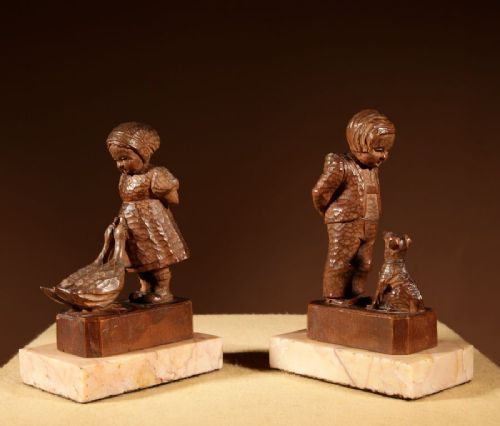
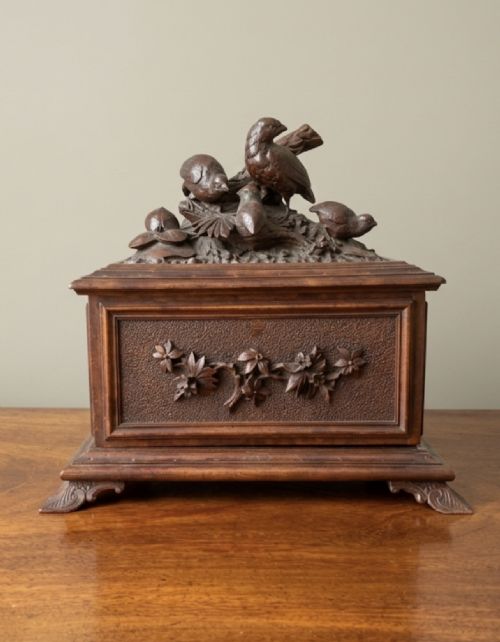
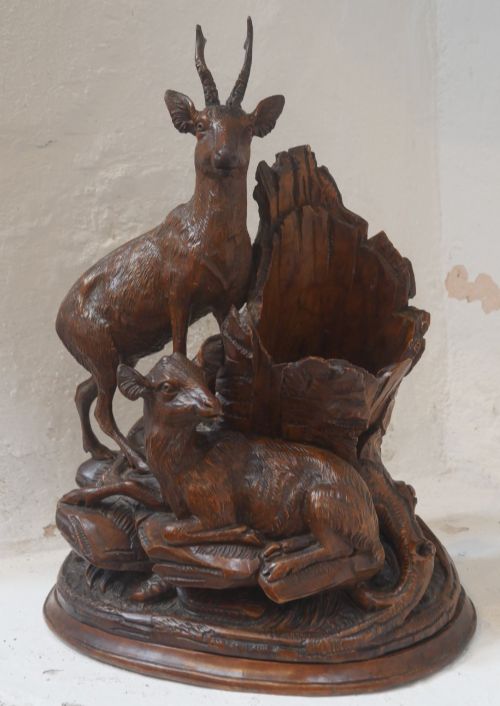
When someone searches for a black forest timber carving, they find domestic objects and decorative sculptures shaped into bears, birds, stags, and human figures. The pieces on this page span the nineteenth century and the early decades of the twentieth century, originating from Swiss and German workshops.
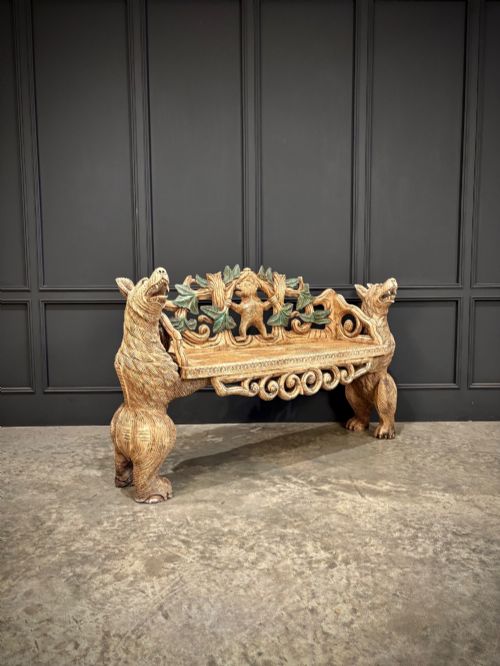
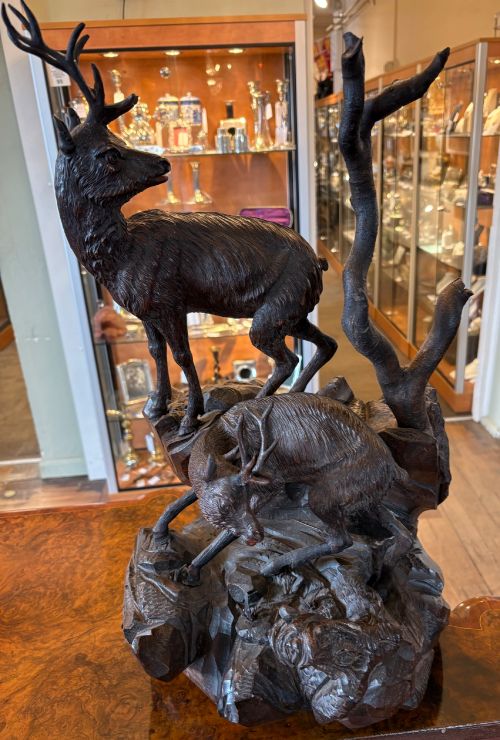
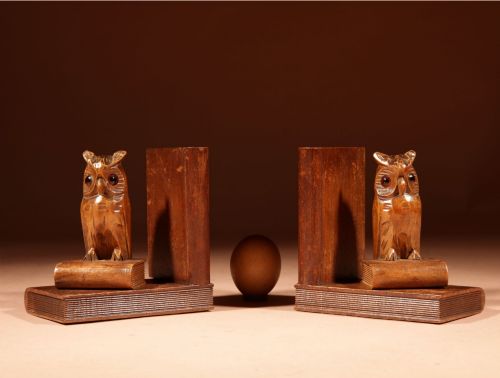
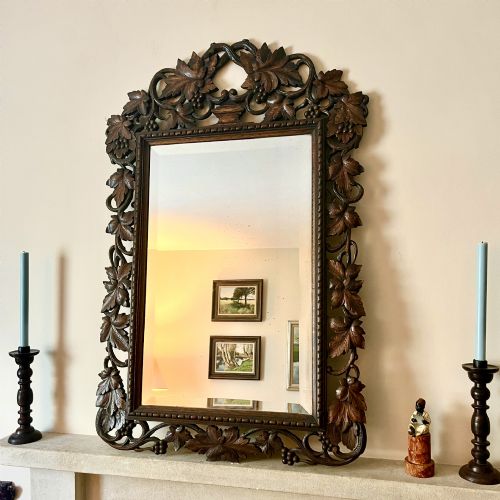
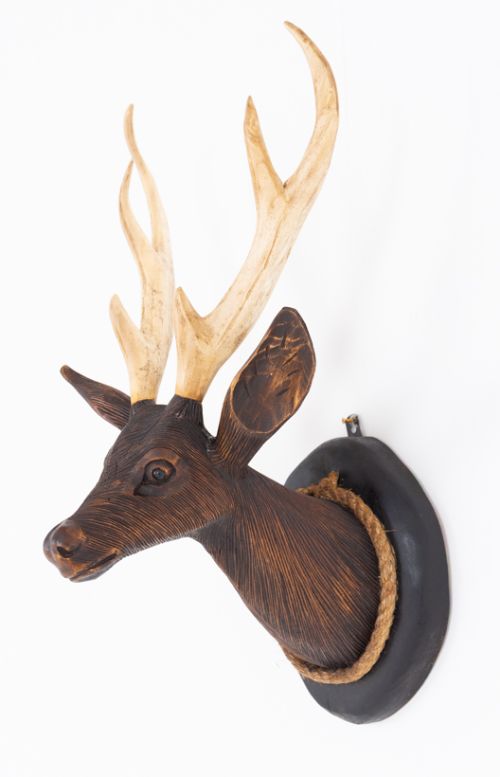
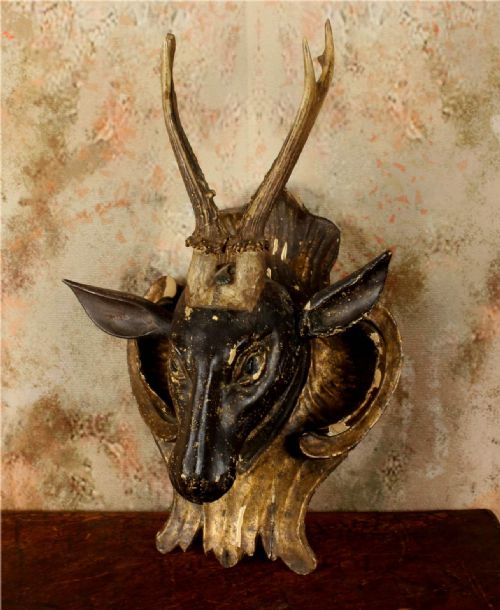
The domestic forms range from small bookends and humidores to large hall stands, wall mirrors, and cuckoo clocks. Animal studies and hunting trophies dominate the selection, capturing creatures with naturalistic posture and carved detail.
How They Were Made
Carvers shaped these works primarily from soft linden wood, alongside walnut, oak, and fruitwood, which allowed for deep undercut foliage and textured fur. Metal brackets, glass eyes, and brass dials supplemented the woodwork on functional items like barometers and clocks.
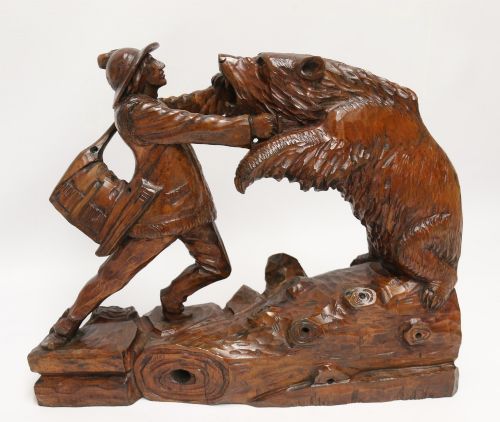
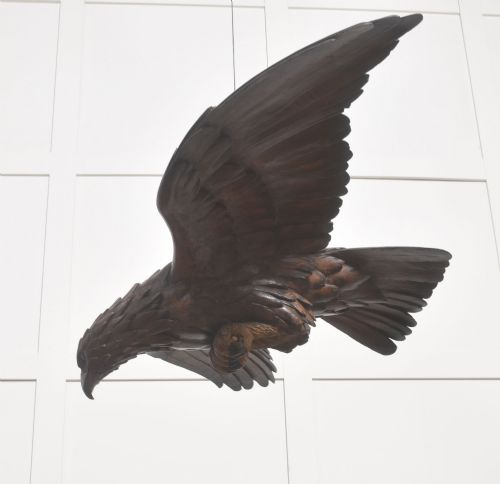
The execution relied on hand chisels and gouges to build up fur, feathers, and anatomical forms from solid timber blocks. Artisans left the wood grain visible, often applying a dark wax finish to bring out the depth of the carving.
Listings feature domestic accessories and furniture spanning the nineteenth century, executed in linden wood, walnut, and oak.
What Varies in Quality
Quality rests on the precision of the anatomical carving and the liveliness of the expression, particularly in animal subjects. Pieces from exhibition workshops display deeply undercut fur and proportioned limbs, whereas simpler items show broader tool marks and rigid postures.
The ambition of the composition dictates the standing of a piece, moving from standard bookends to complex figure groups and large hall stands with multiple interacting elements.
The Black Forest Timber Carving Glossary
- Linden wood
- A pale, fine-grained timber favoured by carvers for its even texture and lack of prominent grain. It allowed artisans to execute intricate undercut foliage and soft animal fur without splitting.
- Hunting lodge style
- A design category celebrating rural sport and wildlife, incorporating stags, antlers, dogs, and forest motifs into furniture and wall plaques.
- Trophy carving
- A panel or wall mount depicting game animals, birds, and hunting gear arranged in relief. These pieces decorated the walls of nineteenth-century reception rooms.
- Undercutting
- A carving technique where timber is removed beneath a form, such as fur or leaves, so it stands away from the background. It demonstrates the technical skill of the carver.
- Stud eyes
- Small glass inserts used to give life to carved animal heads. They appear frequently in bears and dogs.
Black Forest Timber Carving: Frequently Asked Questions
What is a black forest timber carving?
A black forest timber carving is a wooden decorative object or piece of furniture produced in European alpine regions, mainly during the nineteenth century. These items depict forest animals, hunters, and woodland scenes.
Subjects include bears, stags, owls, and dogs fashioned into bookends, clocks, mirrors, and tobacco boxes. The style emerged from Swiss and German carving centres to supply tourists and international markets.
How were these carvings used originally?
These pieces served practical functions in domestic interiors while doubling as ornamental displays. They held books, displayed time, framed mirrors, and stored tobacco or visiting cards.
Larger examples such as hall stands and benches furnished the entrance halls of country houses and hunting lodges. Smaller carvings sat on desks, mantelpieces, and side tables.
How do I identify the age of a piece?
Dating relies on the materials, construction methods, and stylistic cues present in the woodwork. Nineteenth-century examples often use solid linden wood with hand-cut joinery and traditional wax finishes.
Mechanical components in clocks and barometers also help establish a date range. Later twentieth-century versions display simpler tool work and different mounting hardware.
How do I care for antique wood carvings?
These carvings require stable environmental conditions away from direct heat sources and strong sunlight. Sudden temperature shifts can cause the timber to dry out and split.
Occasional dusting with a soft, dry brush keeps the recesses clean. Modern polishes should be avoided in favour of traditional wax when nourishment is needed.