

Wooden Music Stand
When you want a wooden music stand, you are looking at practical furniture designed to hold scores and reading material across multiple historical periods.
Wooden Music Stand
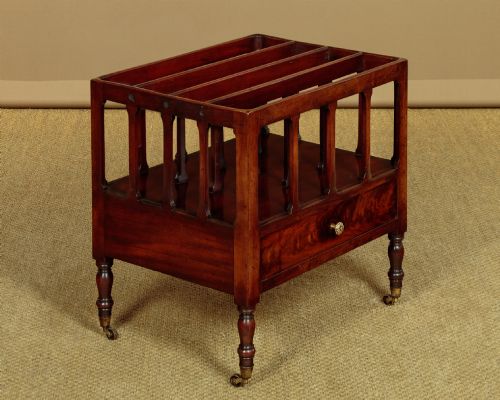
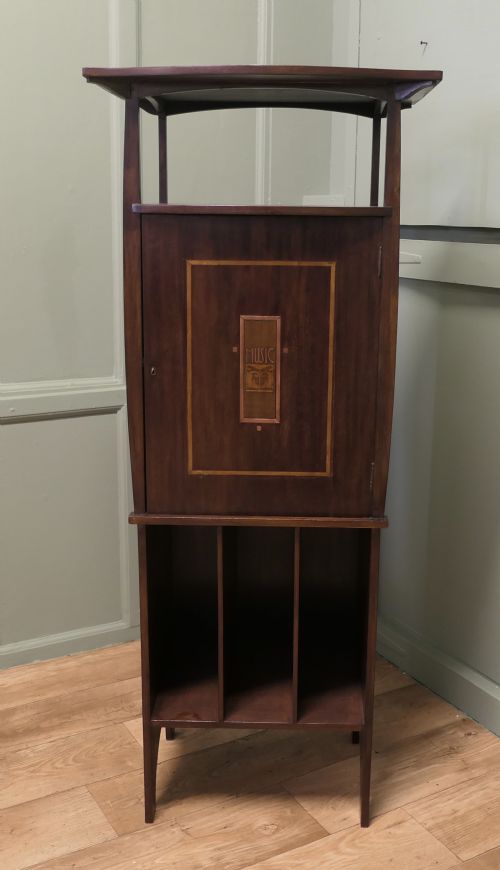
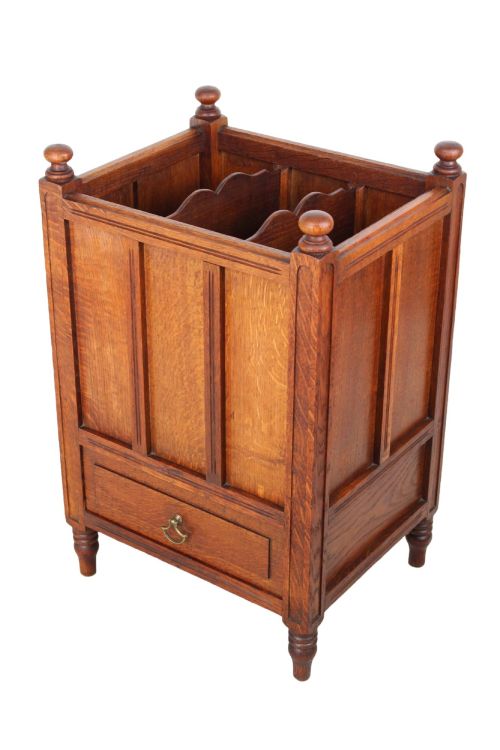
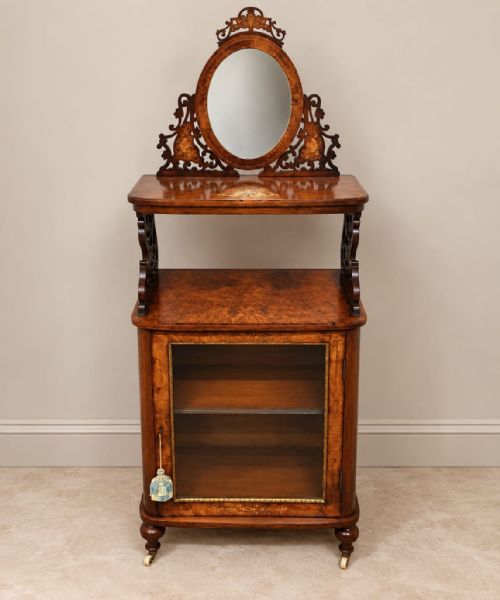
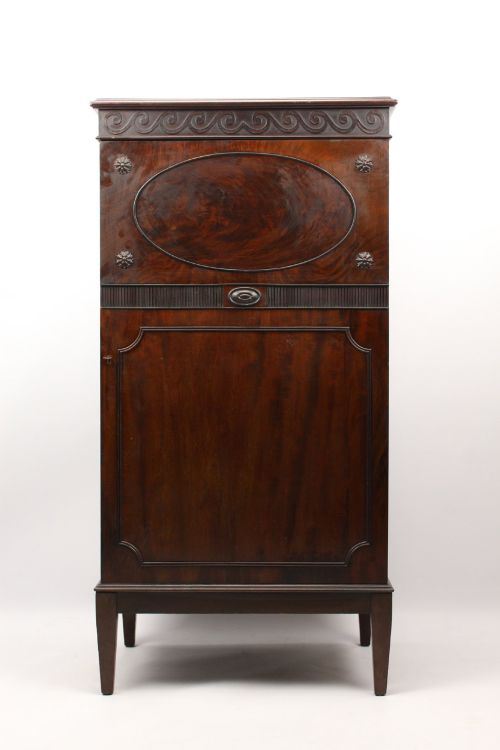
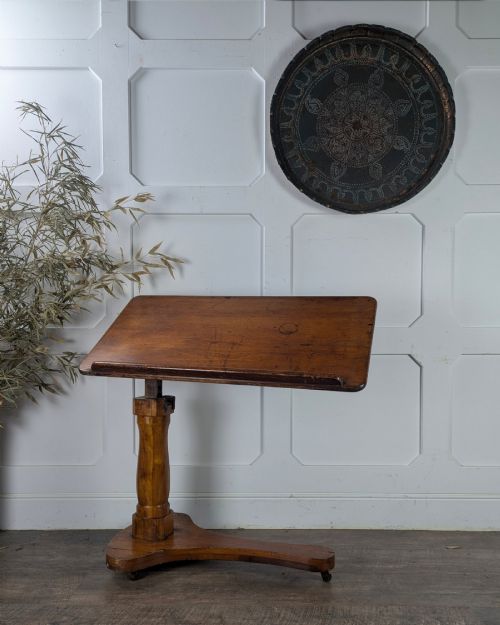
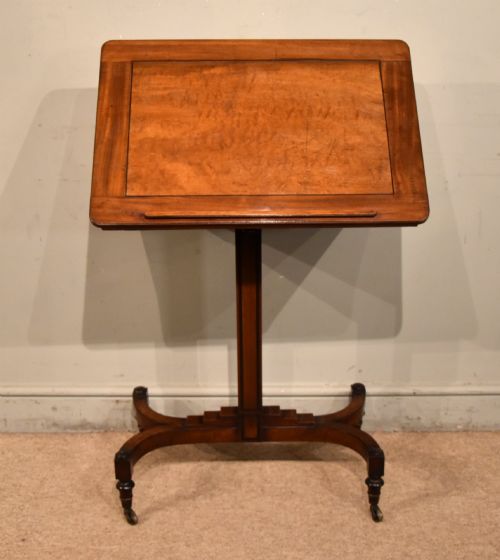
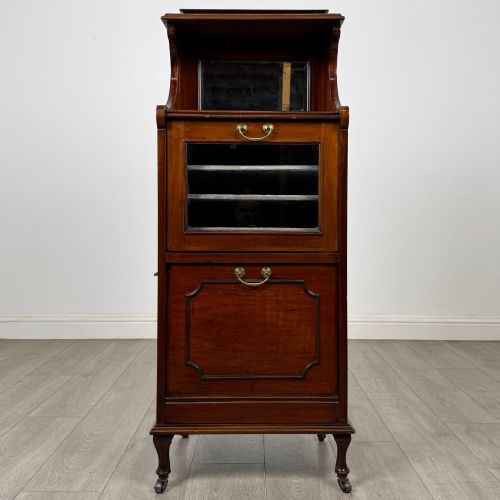
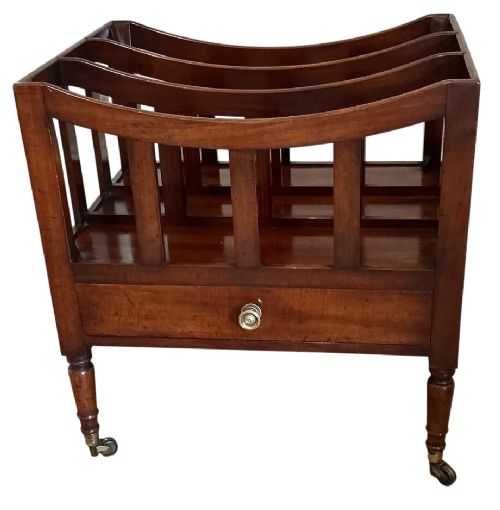
A wooden music stand encompasses various functional forms found on this page, including music cabinets, canterburys, reading stands, and duet stands. These pieces appear across periods such as the Georgian, Regency, Victorian, and Edwardian eras.
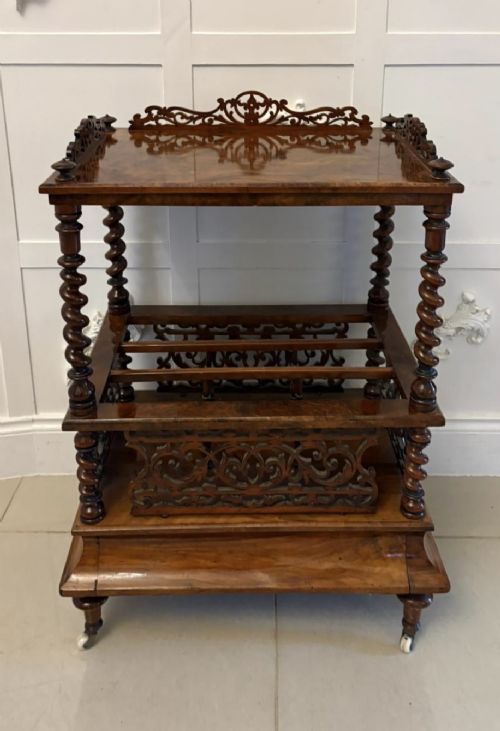
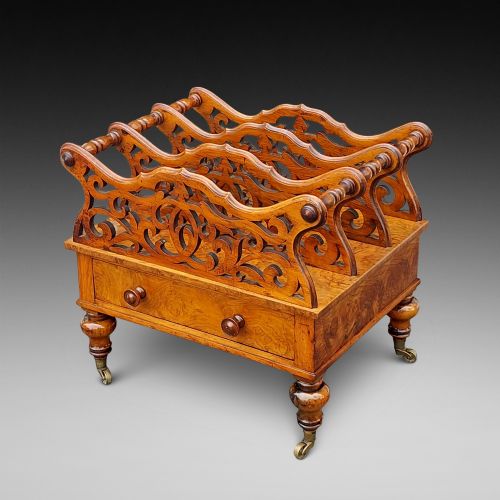
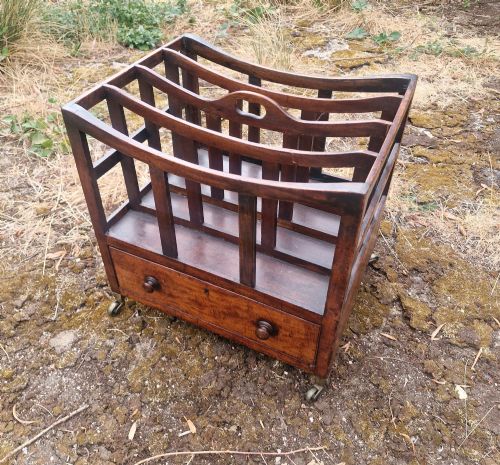
The version most commonly met on this page is the mahogany or burr walnut canterbury or music cabinet, often dating from the nineteenth century. Makers and designers utilised diverse timbers to construct these useful items for the home.
Defining characteristics of quality
The caliber of a wooden music stand depends on the selection of timber, such as figured burr walnut or dense mahogany, and the crispness of any carved or fretted ornamentation. Finer examples display thoughtful proportion and integrated storage like drawers or dividers.
Workmanship in the joints, the smoothness of adjustable mechanisms, and the retention of original brass hardware elevate certain pieces above standard utility items. The integration of specific artistic styles, such as Arts and Crafts or French Art Nouveau, marks distinctive workshop output.
Listings feature mahogany, burr walnut, walnut, oak, rosewood, pine, and brass across Georgian, Regency, Victorian, and Edwardian periods.
GM Elwood for JS Henry·Denby & Spinks·Henry Ogden & Son
The Wooden Music Stand Glossary
- Canterbury
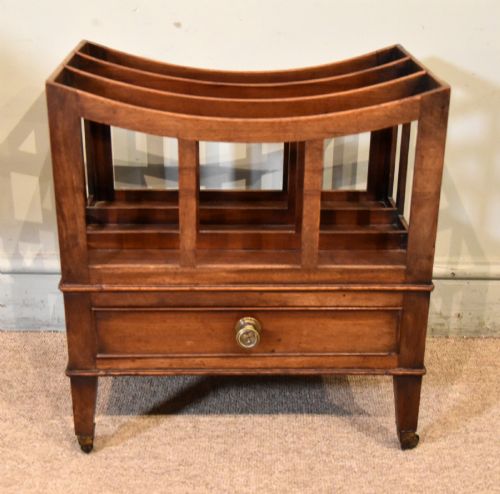
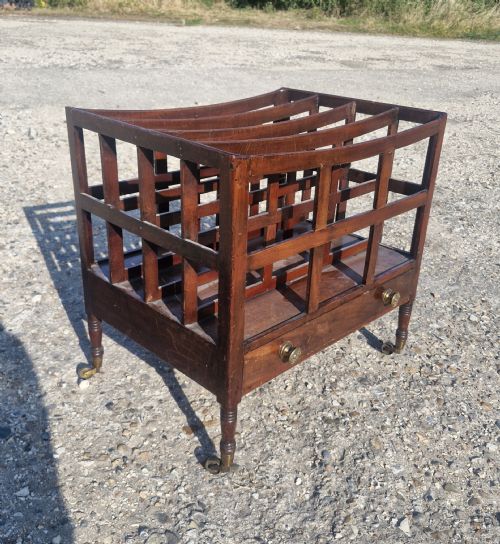
- A low stand with upright partitions designed originally for sheet music or newspapers. These typically feature carrying handles and lower drawers.
- Duet stand
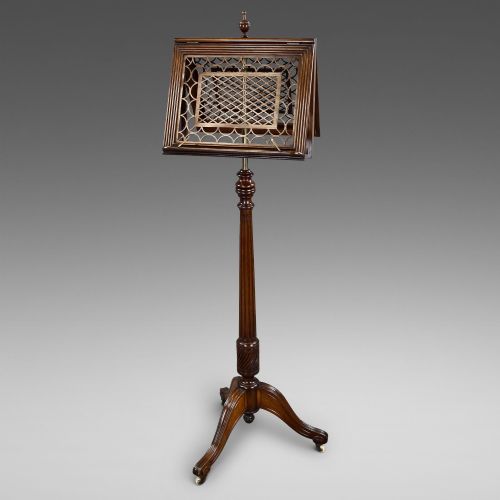
- A music stand configured to hold two scores simultaneously for paired musicians. They often feature adjustable heights and reading angles.
- Lectern
- A slanted reading desk designed to hold books or papers for a standing speaker or musician. Examples range from church lecterns to reading tables.
- Lyre-form
- A decorative motif shaped like an ancient Greek lyre, frequently incorporated into the central support of music stands and reading tables.
- Wot not
- A multi-shelved open cabinet used for displaying or storing small items and books. They appear alongside music cabinets in nineteenth-century interiors.
Wooden Music Stand: Frequently Asked Questions
What is a wooden music stand used for?
These stands and cabinets held sheet music, scores, and periodicals in nineteenth and early twentieth-century parlours and music rooms. Adjustable versions allowed musicians or readers to alter the height and angle of the page.
Today, they function as decorative furniture that continues to hold books, magazines, or sheet music in domestic settings.
How do I identify a Victorian music stand?
Victorian pieces frequently utilise burr walnut or mahogany, often featuring carved details, inlay work, or dark finishes. The period encompasses high Victorian revival styles as well as Aesthetic Movement designs.
Examining the construction methods and wood grain helps distinguish these nineteenth-century items from Edwardian or later reproductions.
What is the difference between a canterbury and a music cabinet?
A canterbury is typically an open stand with vertical partitions for sorting sheet music or newspapers, sometimes incorporating a drawer below. A music cabinet is an enclosed piece with a door or multiple drawers to keep scores out of sight.
Both forms served the same domestic purpose of organising a musician's collection in the parlour.
Are these stands adjustable?
Many reading tables, lecterns, and duet stands include mechanical adjustments for height or reading angle. These mechanisms utilise wooden ratchets, screws, or brass fittings.
Fixed music cabinets and canterburys do not have adjustable reading surfaces, focusing instead on compartmentalised storage.