

Wooden Reading Stand
A wooden reading stand brings hands-free focus to a room, holding books and music at the correct angle for daily study.

Wooden Reading Stand
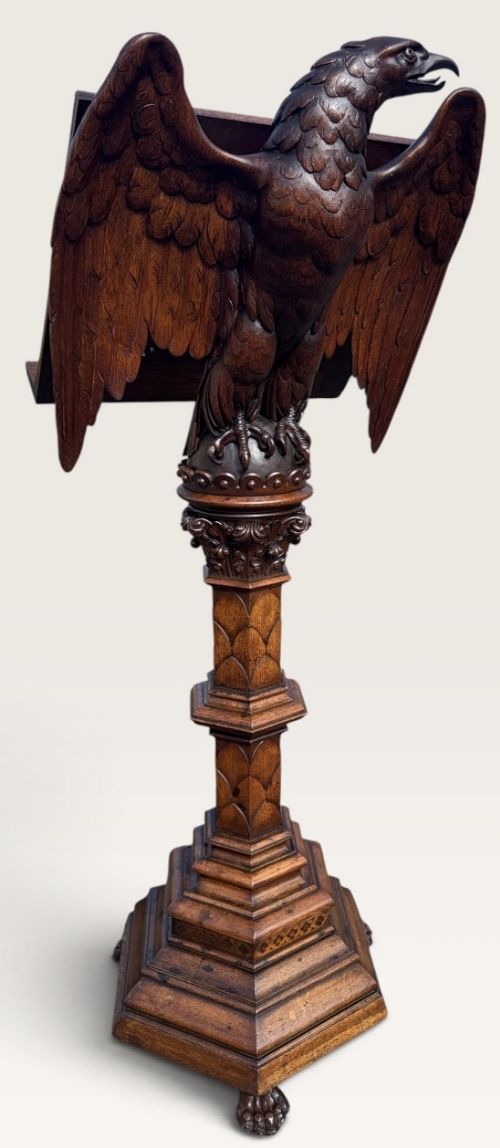
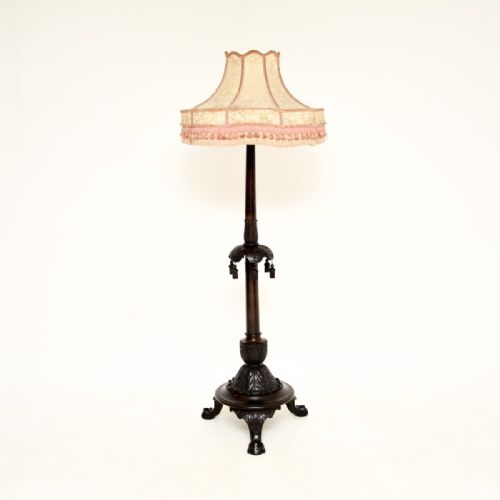
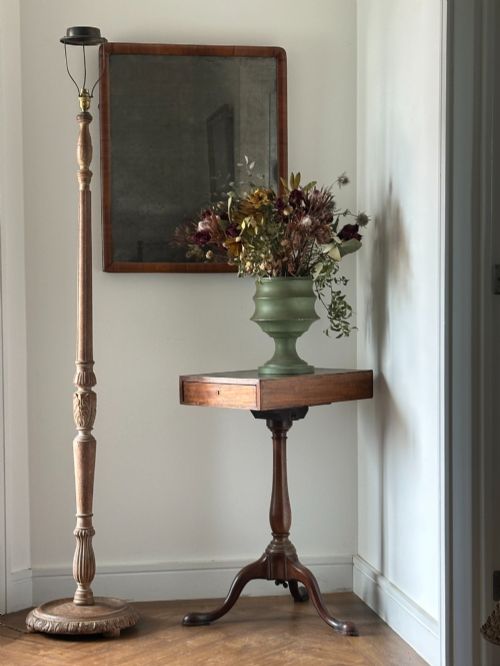
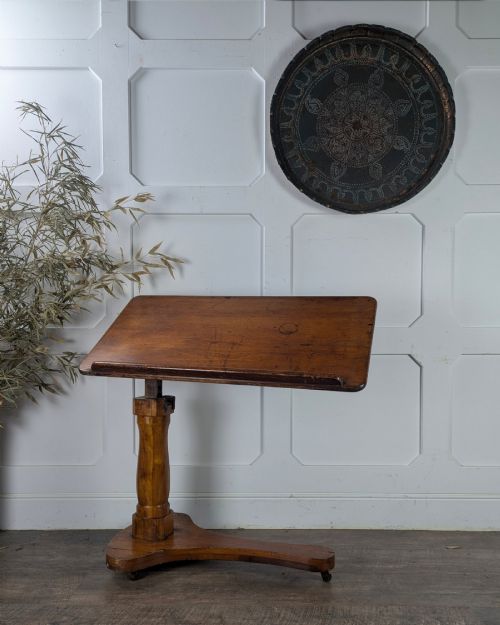
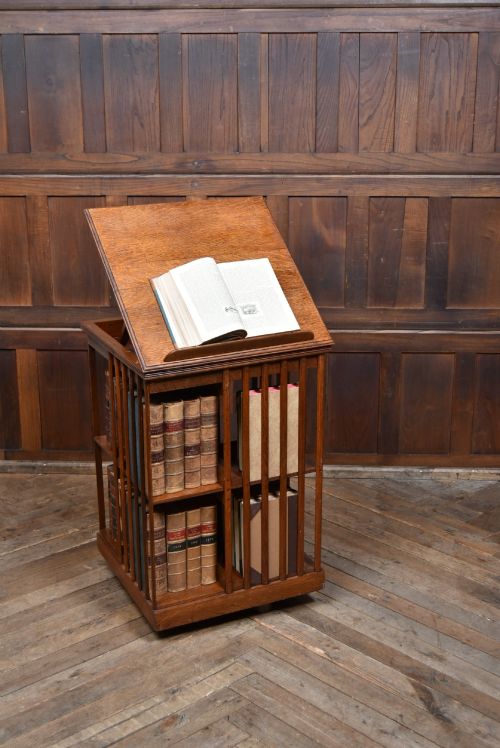
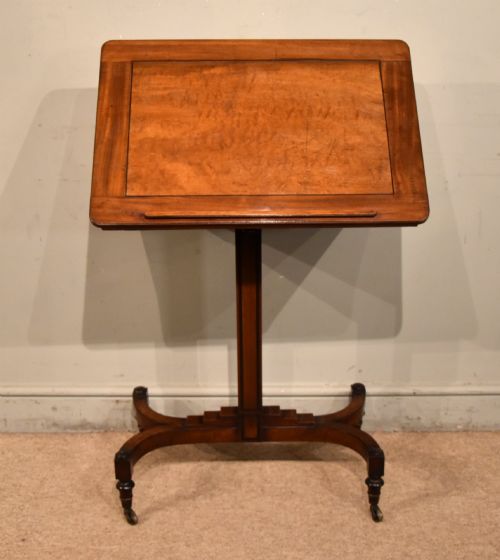
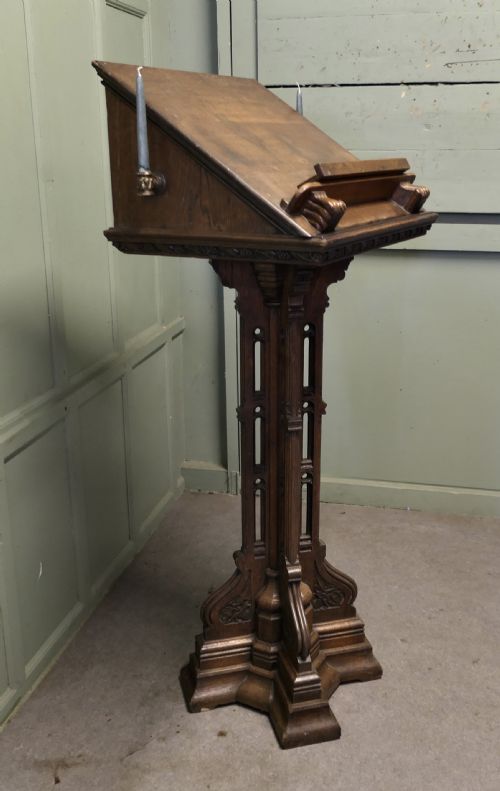
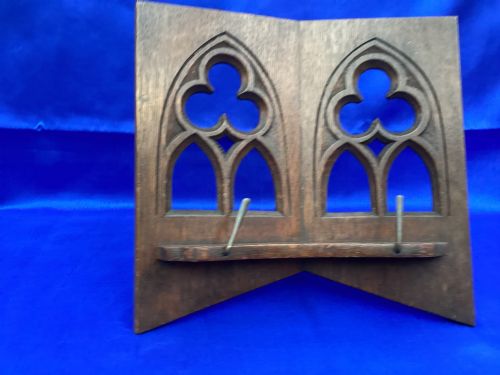
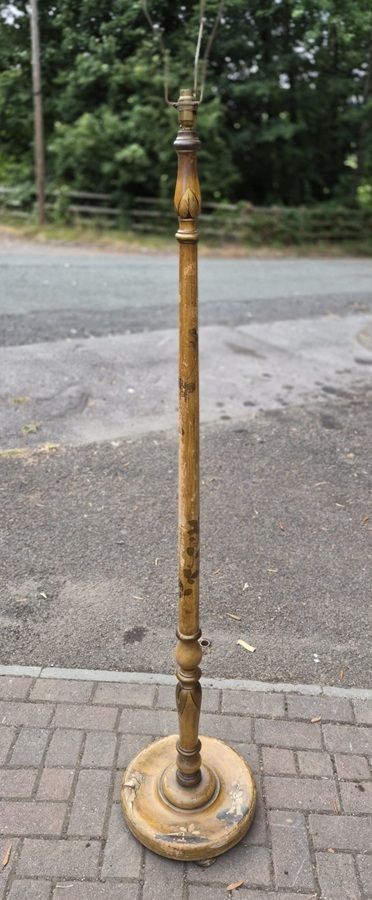
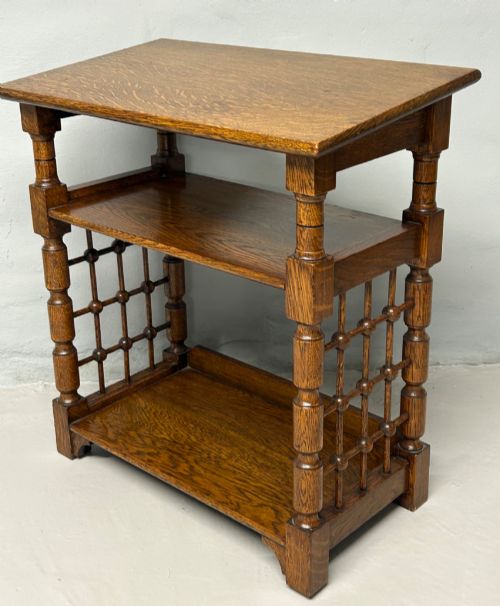
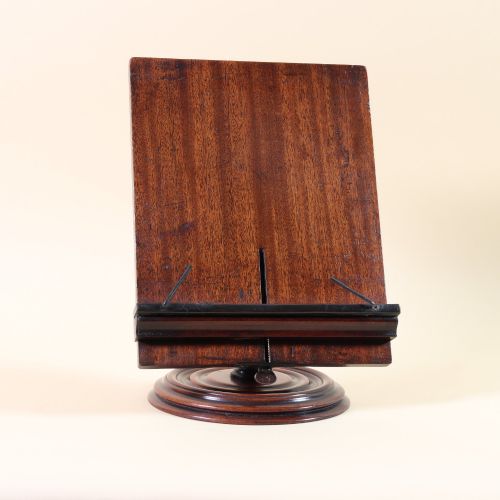
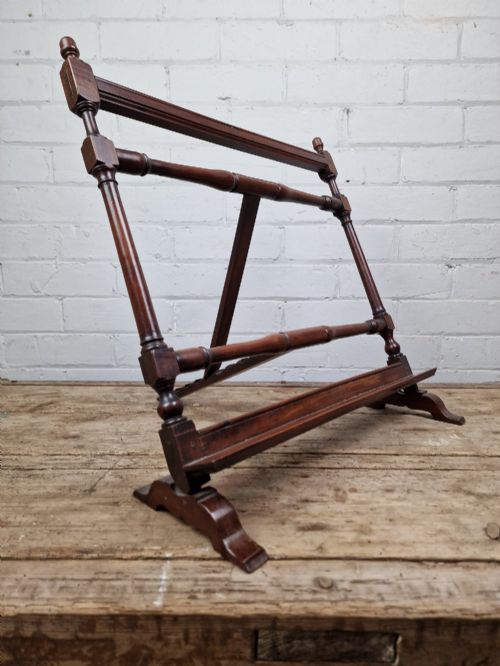
A wooden reading stand encompasses table-top book rests, floor-standing lecterns, and adjustable music tables designed to support volumes at a comfortable viewing angle. When exploring this selection, buyers encounter pieces originating from the nineteenth century onward, through the Edwardian era and into the nineteen-twenties.
Factors of quality
The standard of a reading stand rests upon the integrity of its adjustment mechanisms and the selection of timber. Superior examples exhibit smooth mechanical action in sliding ledges, ratchets, and rising columns, alongside richly grained veneers or deeply carved details.
Construction solidity distinguishes workshop production from lighter utility pieces. Well-balanced tripod bases, robust hinge assemblies, and careful attention to structural joints ensure stability when supporting heavy folio volumes.
Listings feature items in oak, mahogany, walnut, and pine, spanning the nineteenth century through the nineteen-thirties.
The Wooden Reading Stand Glossary
- Lectern
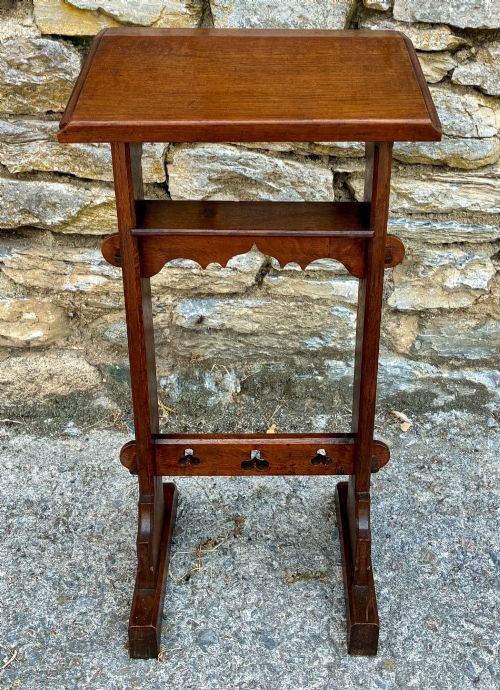
- A tall stand with a slanted top designed to hold a book for reading aloud. These pieces often serve ecclesiastical or study purposes.
- Canterbury
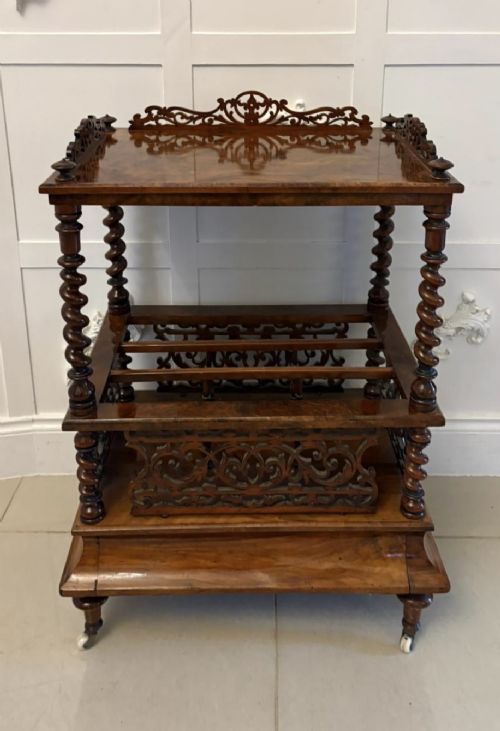
- A low wooden stand featuring partitions for sheet music or books, frequently fitted with castors. Originating in the late eighteenth century, they often include a drawer below.
- Gothic Revival
- A design style drawing inspiration from medieval architecture, prominent during the nineteenth century. Pieces in this idiom frequently display pointed arches and heavy carved oak.
- Campaign backrest
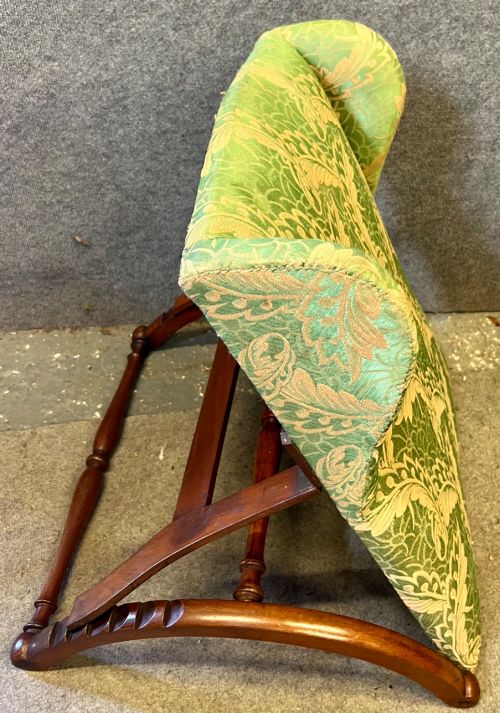
- A portable, folding support designed for travel or easy storage. These items utilise hinged wooden frames and fabric components.
- Gonçalo Alves
- A dense exotic hardwood prized for its striking contrasting grain patterns. Cabinetmakers utilised this timber for fine nineteenth-century music stands.
Wooden Reading Stand: Frequently Asked Questions
How do I adjust the height and angle?
Most antique stands rely on mechanical brass ratchets, sliding wooden ratchets, or screw pins housed within the central column. These allow the reading slope to tilt to the preferred viewing position.
Care should be taken when operating older metal screws or wooden teeth to avoid unnecessary strain on the original joints and pivots.
Where were these stands originally used?
Smaller table-top rests and revolving bookcases belonged in studies, libraries, and parlours for holding reference books or sheet music. Larger lecterns served churches, schools, and institutional halls.
Floor-standing music stands and podiums were positioned beside pianos, desks, or pulpits to accommodate musicians, speakers, and readers.
How do I care for the wood finish?
Maintenance requires regular dusting with a dry, soft cloth and occasional application of traditional beeswax to nourish the timber. Direct sunlight and sudden changes in room temperature should be avoided to prevent splitting.
Polished surfaces benefit from avoiding synthetic sprays, which can build a residue and dull the natural patina of the antique grain.
Are these stands suitable for heavy books?
Heavier folios and bibles sit securely on solid oak or mahogany lecterns built with robust support ledges and stable tripod or heavy base structures. Lighter table-top book rests suit novels, menus, and moderate volumes.
Checking the stability of the base and the tightness of the central stem ensures the stand supports larger volumes safely.