


Tabletop Book Holder
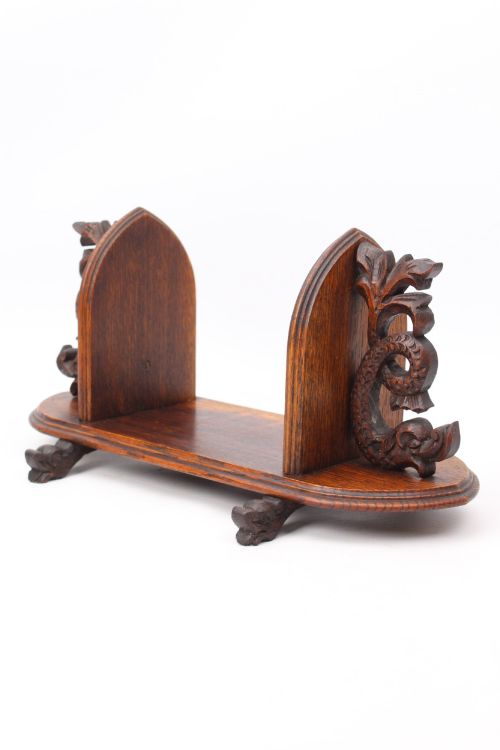
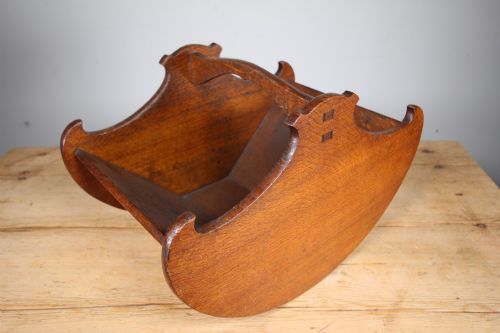
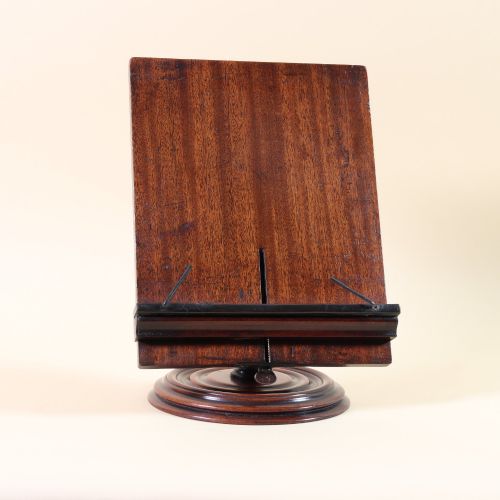
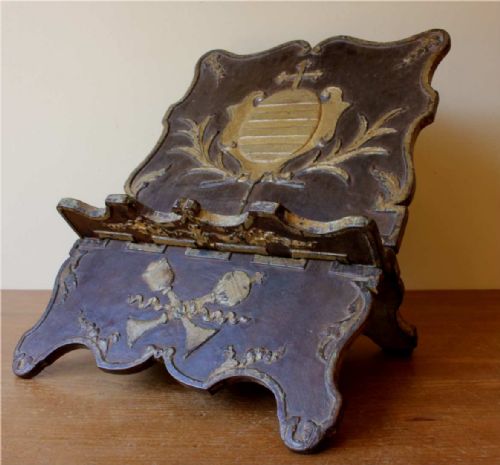
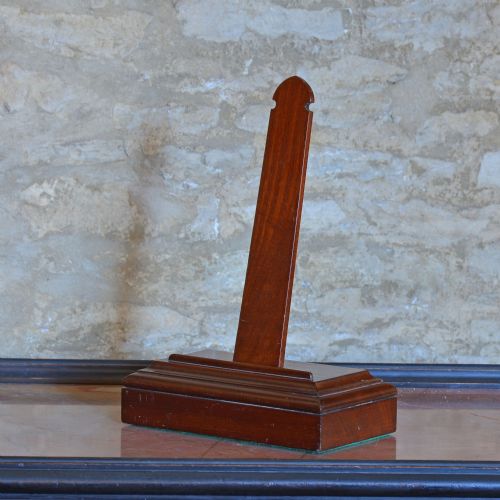
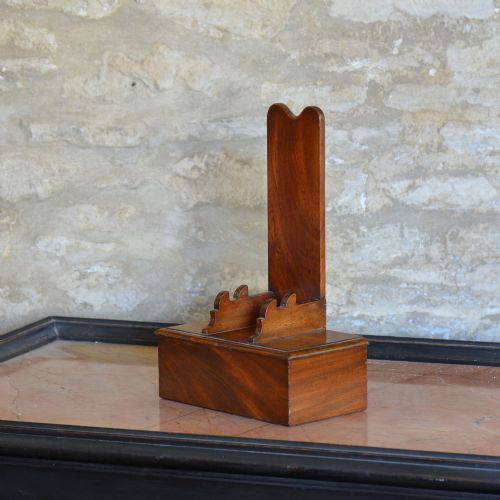
These tabletop book holder examples range from folding walnut desks to mahogany troughs, offering a practical way to keep volumes steady on any surface.
Tabletop Book Holder
A tabletop book holder serves to support volumes for reading or display on desks and sideboards. The selection here spans compact book slides, revolving stands, and trough forms.
Makers shaped these items across various eras, including the Georgian, Regency, Victorian, and Edwardian periods. Pieces such as revolving bookcases and church book rests illustrate the diverse functional designs available.
The objects take many forms, from simple wooden troughs to complex folding stands and rotating display pieces. Oak and mahogany appear frequently alongside walnut and rosewood.
How they were made
Craftsmen utilised solid timbers such as oak, mahogany, walnut, and rosewood to construct the bodies of these stands. Inlays and specialised woods like coromandel appear on select items.
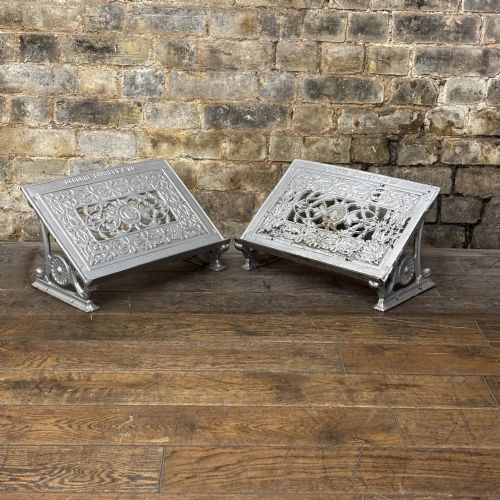
Metal components, including brass and cast iron, provide structural support and mechanical action for items like extending slides and folding prayer rests.
Keep your horses in check with an Art Deco equine-themed shelf.
What varies in quality
Execution of timber selection and joinery separates standard production items from finer workshop pieces. The crispness of carved details and the smoothness of revolving mechanisms indicate the level of care taken during manufacture.
Materials dictate much of the character, with dense hardwoods and decorative inlays marking out more ambitious commissions.
Arthur Simpson·Osborne Garrett Co
The Tabletop Book Holder Glossary
- Book Slide
- An adjustable rack designed to hold a varying number of volumes upright between two ends. These often feature extending mechanisms.
- Revolving Bookcase
- A rotating stand that allows access to books from multiple angles around a central axis. These sit directly on table surfaces.
- Trough
- An open-topped box form used to hold books in a vertical or slightly inclined position. This shape keeps volumes tidy on a desk.
- Lectern
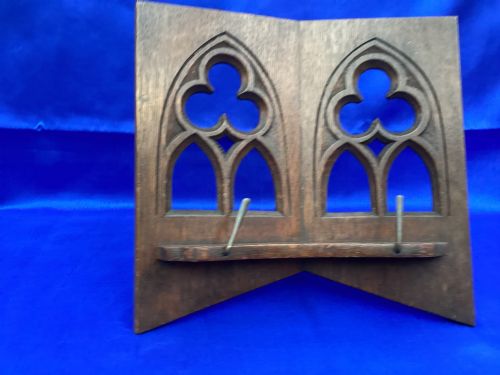
- A reading stand with a sloping top designed to support a book at a comfortable angle for the speaker. Examples include folding religious versions.
- Coromandel
- A dense, heavily figured timber utilised for decorative cabinet work and small furnishings. It yields rich dark brown tones with contrasting streaks.
Tabletop Book Holder: Frequently Asked Questions
How do extending book slides work?
Extending book slides feature interlocking wooden sections that pull apart to accommodate more volumes. This mechanism allows the holder to grow or shrink based on the shelf contents.
Such designs keep books upright without requiring fixed partitions.
Where were revolving bookcases used?
Revolving bookcases sat on large desks, libraries, or tables where quick access to reference volumes was needed. Their rotating action saved space in crowded rooms.
Victorian and Edwardian studies often housed these compact units.
How do I date an oak book stand?
Dating relies on stylistic clues, construction methods, and the specific characteristics of the period woods used. Pieces from the Arts and Crafts era display simpler, hand-finished oak surfaces.
Earlier Regency and Georgian examples show distinct cabinet-making traditions.