
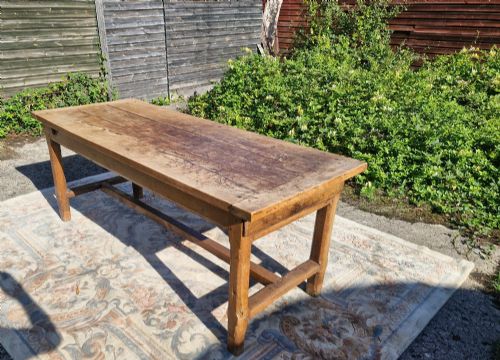
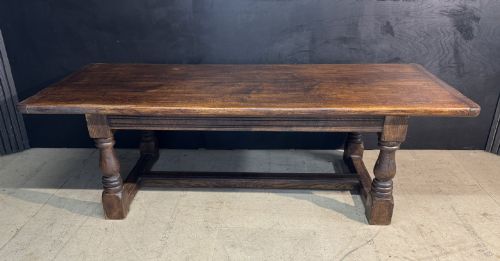
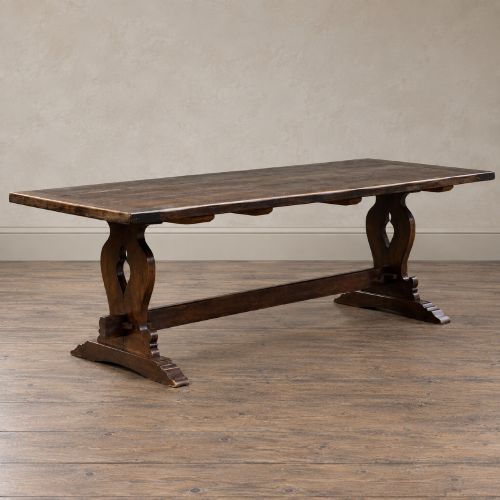
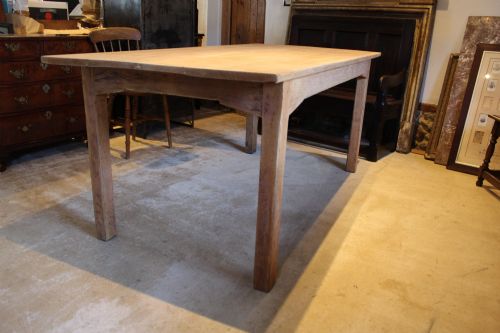
Oak Farmhouse Dining Table
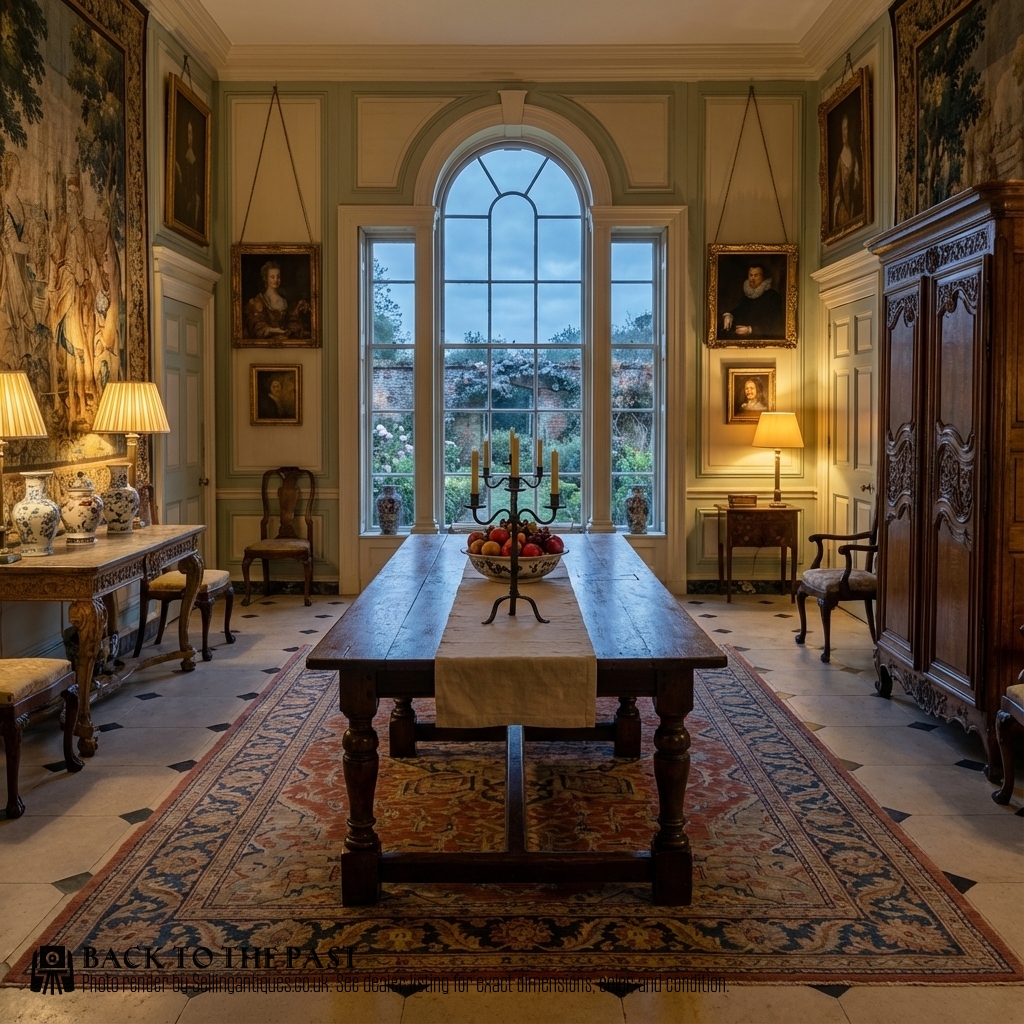
An oak farmhouse dining table brings everyday domestic history to the centre of the room, offering robust character for modern gatherings.
What They Are
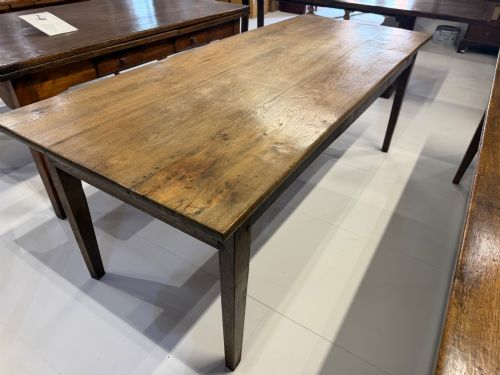
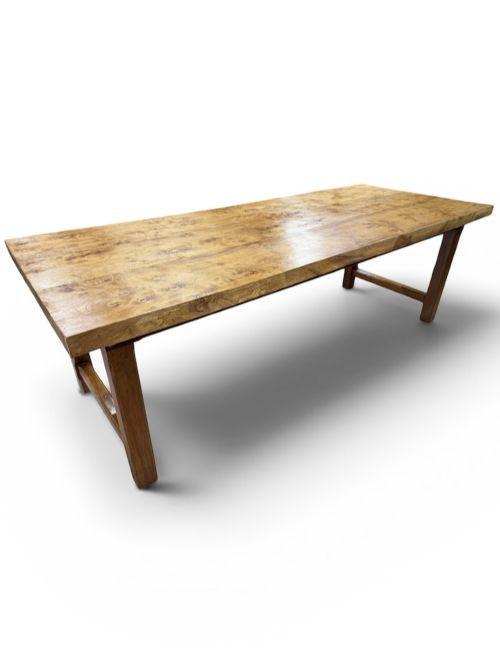
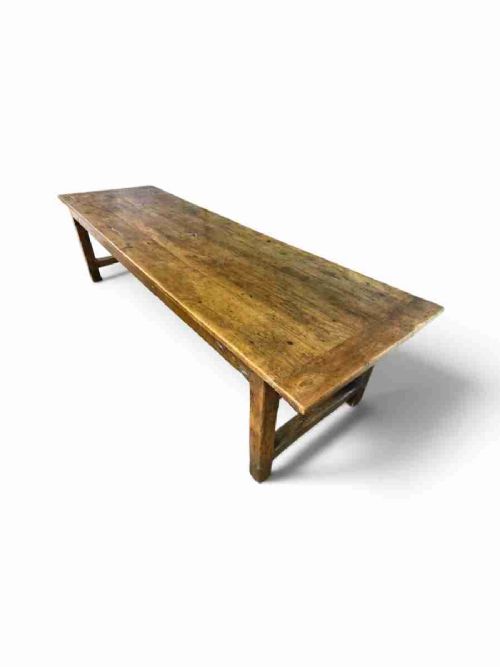
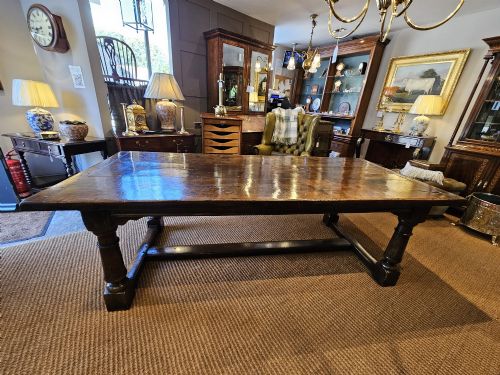
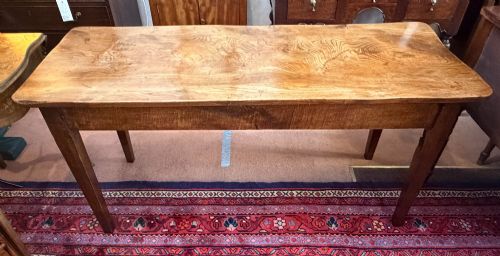
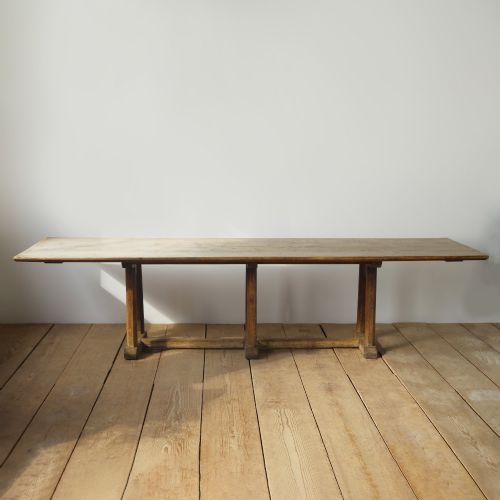
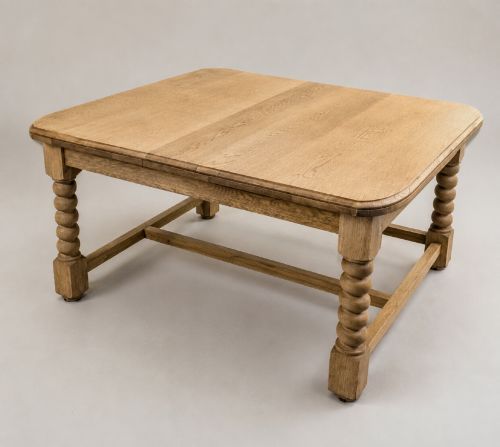
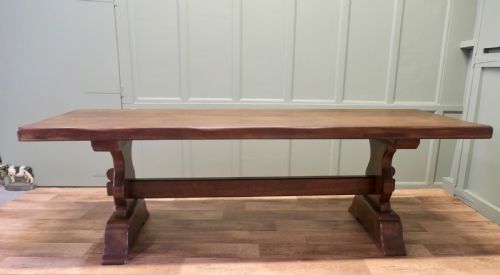
An oak farmhouse dining table serves as a heavy, durable gathering surface rooted in rural domestic history. These pieces arrive in various configurations, from long refectory formats to extendable designs and tables equipped with side drawers.
Buyers encounter substantial lengths, including three-meter and four-meter formats, alongside smaller dimensions suited to modest spaces. Plank top constructions dominate the evidence, providing the functional surface characteristic of these utilitarian objects.

What Varies in Quality
The distinction between standard examples and superior pieces rests upon the scale of the timber and the integrity of the plank top. Exceptional items utilise thick, wide oak boards that display deep patination and minimal modern intervention.
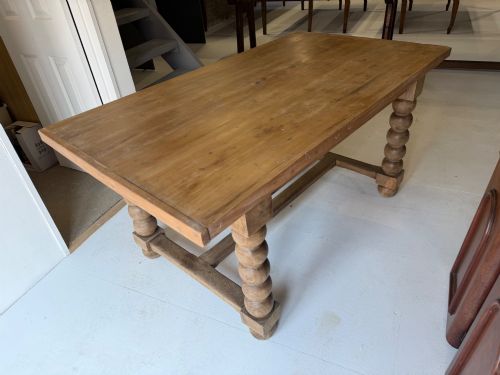
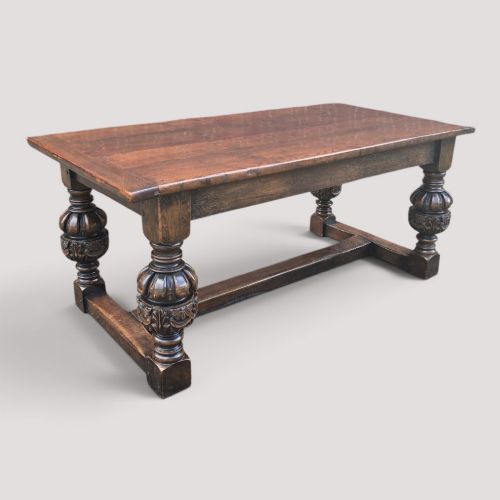
Construction complexity also marks the range, separating simple four-leg formats from sophisticated extendable mechanisms, double gateleg frames, or monastic refectory architecture. The origin and period further define the character, with eighteenth-century and large French regional pieces commanding distinct presence.
Retail Price Guide 2026
Typical UK retail prices for oak farmhouse dining table, calculated from the Sellingantiques database of over a million retail prices indexed since 2003. This retail price guide relies exclusively on Sellingantiques data; no external sources or auction records are used, so the figures do not describe the wider market.
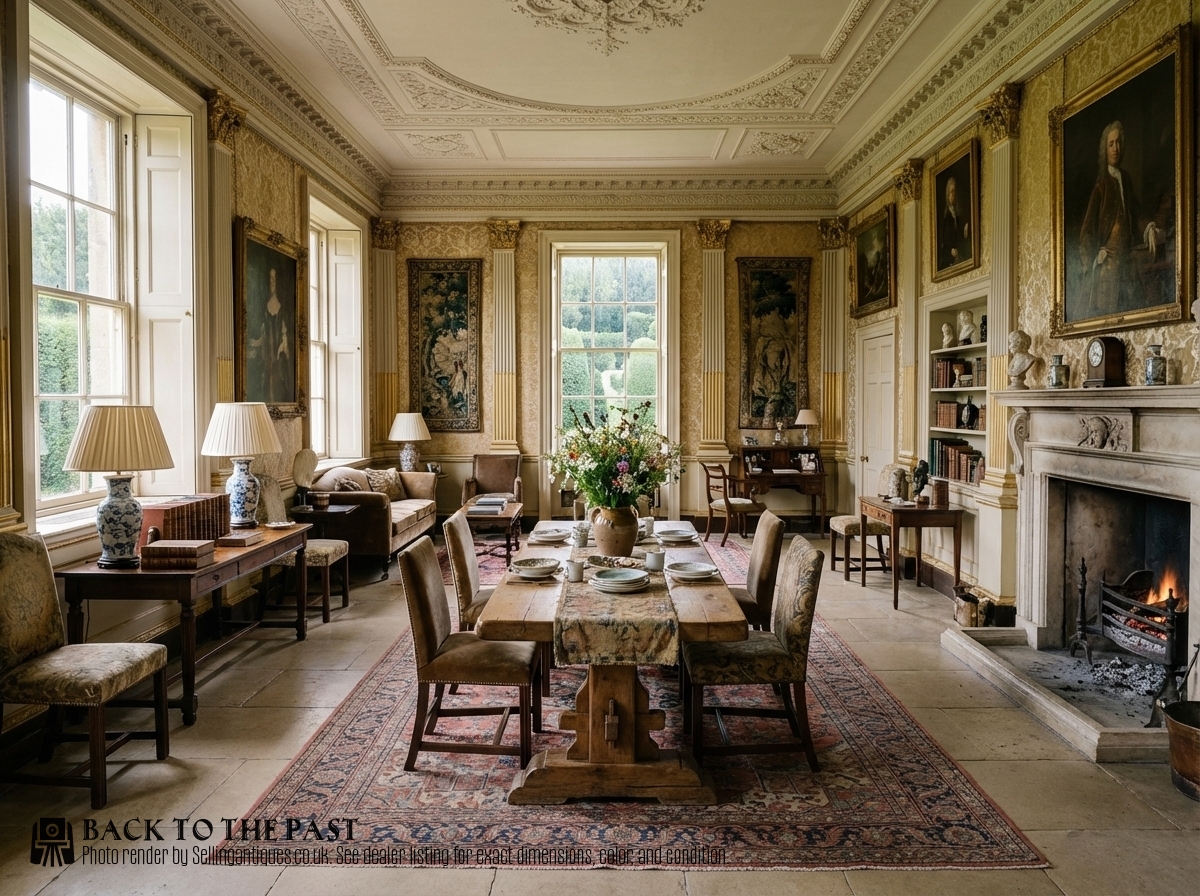
Listings feature solid oak and scrubbed oak materials across eighteenth-century, nineteenth-century, and early twentieth-century periods.
The Oak Farmhouse Dining Table Glossary
- Plank top
- A surface constructed from several long boards of solid timber joined together. This technique forms the robust eating area characteristic of early country tables.
- Refectory table
- A long, narrow dining table traditionally built for communal dining halls. These pieces utilise sturdy underframes and stretchers to support extended lengths.
- Gateleg table
- A drop-leaf table featuring hinged legs that swing out to support extended flaps. This mechanism allows the surface area to expand when required.
- Scrubbed oak
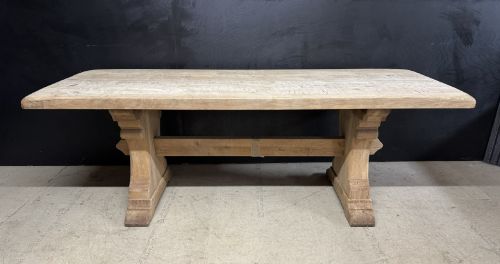
- Timber surfaces washed thoroughly to reveal the pale grain and natural texture of the wood. This finish is frequently found on French provincial examples.
- Campaign style
- Furniture constructed with portability and functional hardware in mind. These pieces incorporate practical design elements suited to utilitarian use.
Frequently Asked Questions
How do I clean an oak farmhouse table?
Maintain the surface by wiping it gently with a damp cloth and mild soap. Avoid harsh chemical cleaners that strip the historic patination from the wood.
Dry the timber thoroughly after cleaning to protect the grain. Regular waxing helps nourish solid oak and preserves the historic finish.
Can I seat ten people comfortably?
Many larger examples accommodate ten diners easily, particularly tables measuring three or four metres in length. Refectory formats and long French designs offer ample legroom along the sides.
Check the underframe clearance and stretcher placement before seating guests. These structural elements occasionally restrict chair placement at the ends of the table.
What is the difference between English and French styles?
English pieces often reflect Georgian and nineteenth-century cabinetmaking traditions with straightforward rectangular proportions. They frequently appear as darker oak refectory or gateleg formats.
French provincial and monastic tables typically showcase bleached or scrubbed oak finishes. They incorporate distinct regional framing and substantial plank constructions.
How do extendable oak farmhouse tables work?
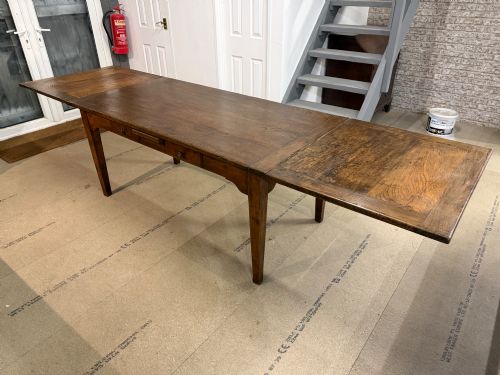
Extendable variants utilise mechanical slide systems or double gateleg frames to increase surface length. These mechanisms allow the main top to pull apart so leaves can be added.
Ensure the extension tracks remain clean and unobstructed during operation. Regular light lubrication keeps the sliding wooden components moving smoothly.