

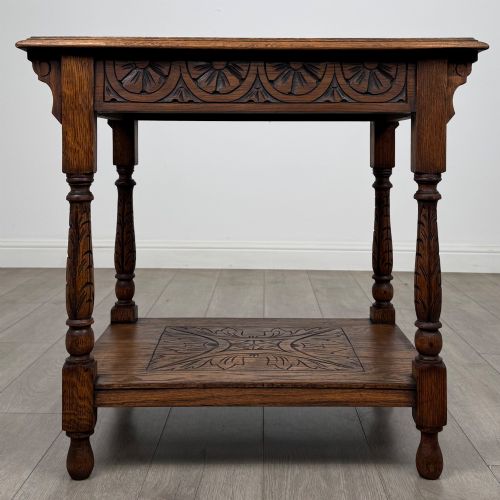
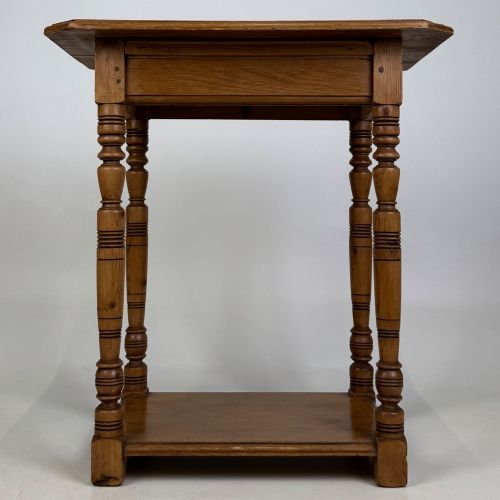
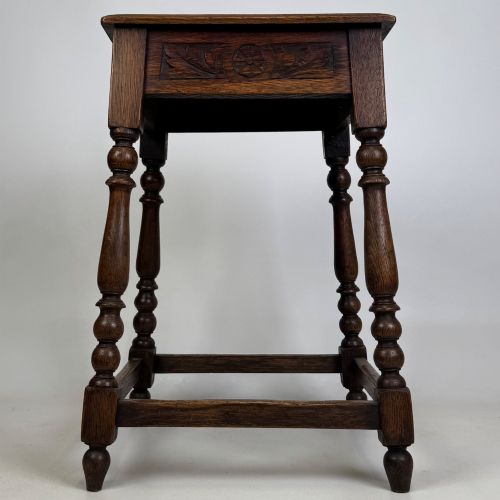
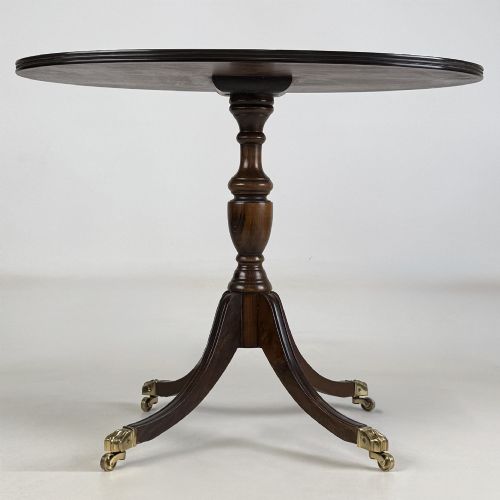
Oak End Table
An oak end table anchors a room with solid grain, offering dependable surface space beside a chair or sofa.
Forms and periods of the oak end table
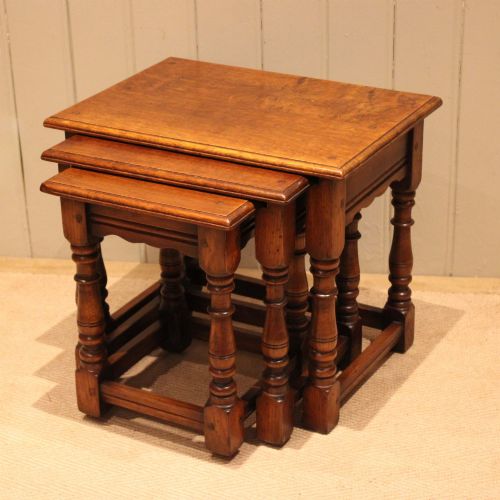
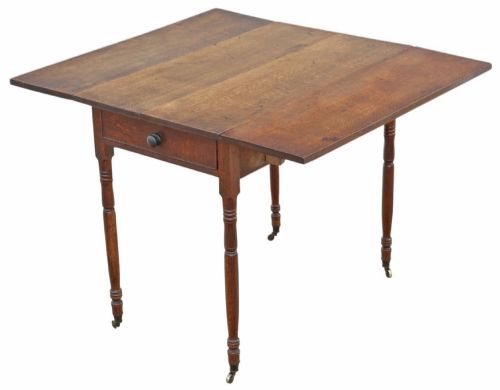
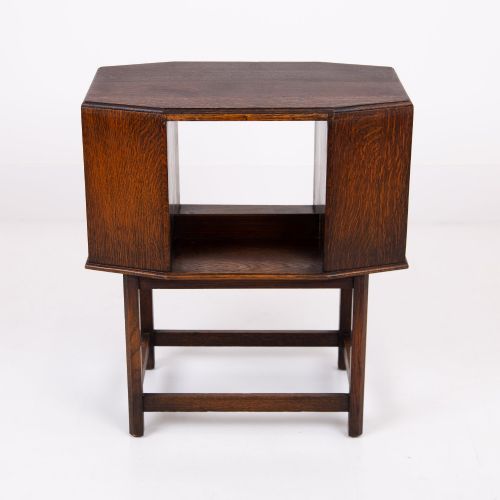
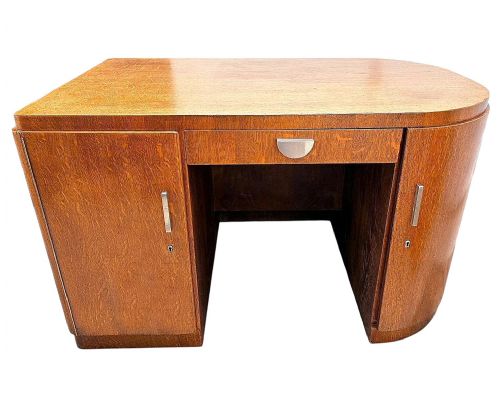
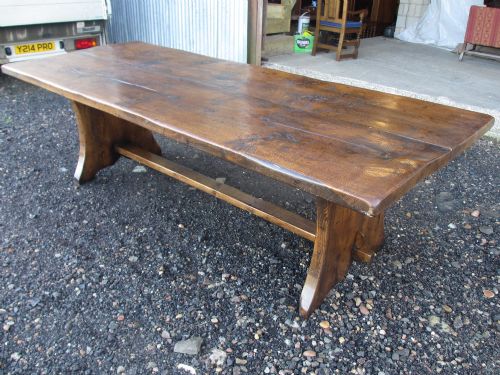
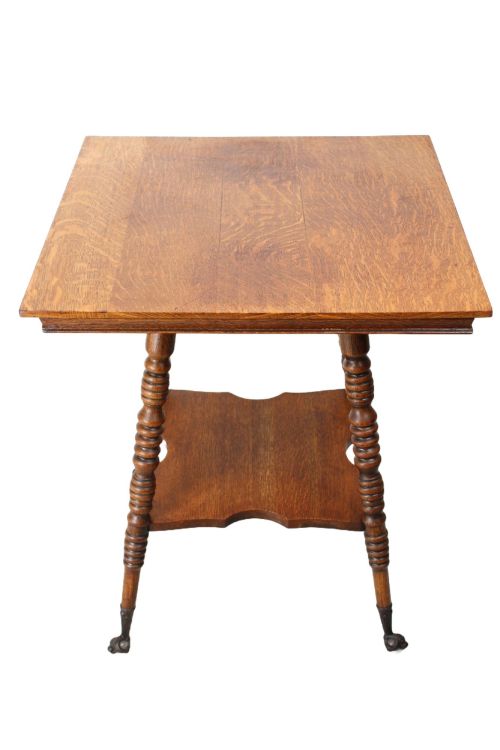
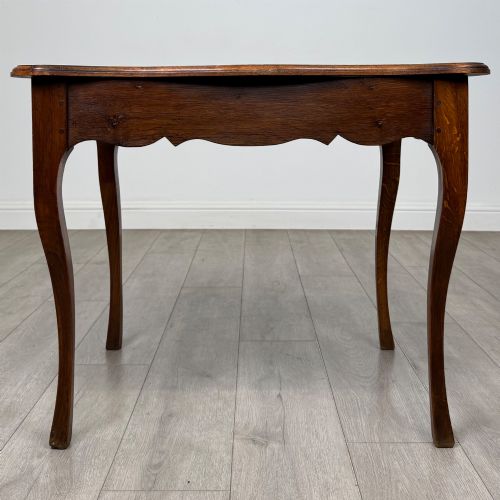
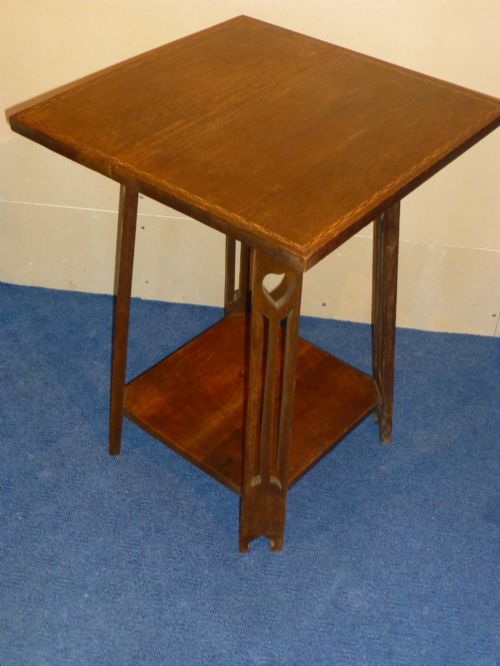
An oak end table appears in forms such as side tables and occasional tables, spanning the eighteenth century, the Edwardian era, and the nineteen-twenties and nineteen-thirties. These pieces function beside seating to hold small objects within reach.
The selection ranges from eighteenth-century country pieces to early twentieth-century revivals. Regional styles include French provincial and Jacobean revival alongside traditional country designs and art deco geometric forms.
Side tables in this timber serve as versatile additions to sitting rooms and libraries. Their construction prioritises daily utility and modest scale rather than grand display.
Evaluating the craftsmanship
The division between everyday pieces and finer examples rests on the selection of timber and the precision of the joinery. Superior items display careful matching of grain and robust structural framing.
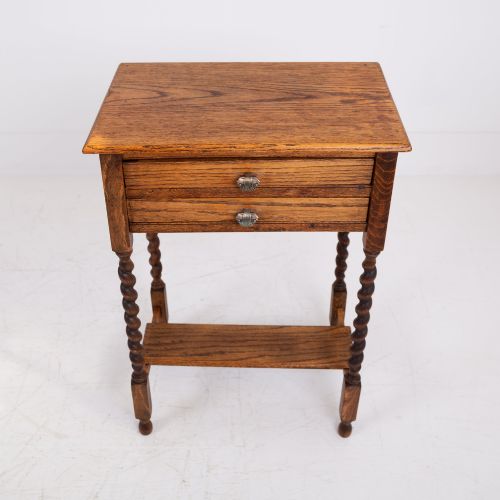
Decorative elements indicate the hand of a skilled maker. Turned legs, carved details, and the integration of functional drawers reveal the level of care invested in the construction.
Retail Price Guide 2026
Typical UK retail prices for oak end table, calculated from the Sellingantiques database of over a million retail prices indexed since 2003. This retail price guide relies exclusively on Sellingantiques data; no external sources or auction records are used, so the figures do not describe the wider market.
Some tables come equipped with hidden drawers just large enough for a stray key or a quiet collection of mints.
Heals of London·Robson and Son·Howard and Sons·Simpson's of Kendall
The Oak End Table Glossary
- Jacobean Revival
- A nineteenth and twentieth-century style imitating seventeenth-century English furniture. It employs dark timber, geometric paneling, and heavy turned supports.
- Barley Twist
- A spiral turning technique used on table legs and supports. This decorative form gained popularity in seventeenth-century furniture and later revival periods.
- Chamfered Leg
- A leg edge pared off at an angle to reduce visual bulk. This detail lightens the appearance of heavy timber frames.
- French Provincial
- A regional style originating from rural France. It combines rustic construction with modest decorative shaping suited to country houses.
Frequently Asked Questions
How do I date an oak end table?
Dating relies on stylistic clues, construction methods, and timber characteristics. Eighteenth-century examples show hand-tool marks and pegged joinery, while twentieth-century pieces often display machine cutting and specific revival motifs.
Examining the underside and drawer construction helps determine the period. Hardware and secondary woods also offer reliable chronological indicators.
Where should I place an oak end table?
These tables fit naturally beside armchairs, sofas, or beds where surface space is required for lamps or books. Their compact proportions suit smaller corners as well as open reception rooms.
Keeping timber furniture away from direct heat sources prevents the wood from drying out. Stable indoor temperatures preserve the finish and structural integrity.
How do I care for oak furniture?
Routine maintenance involves dusting with a dry or slightly damp cloth. Avoiding silicone-based polishes preserves the natural finish of the timber over time.
Applying occasional appropriate wax feeds the grain and protects against moisture. Promptly wiping up spills prevents water marks from settling into the wood.