



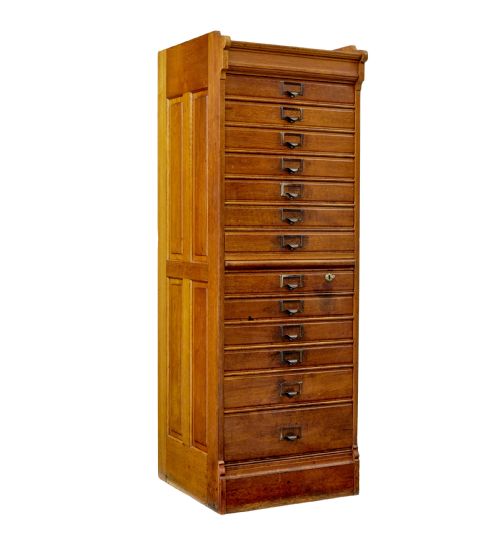
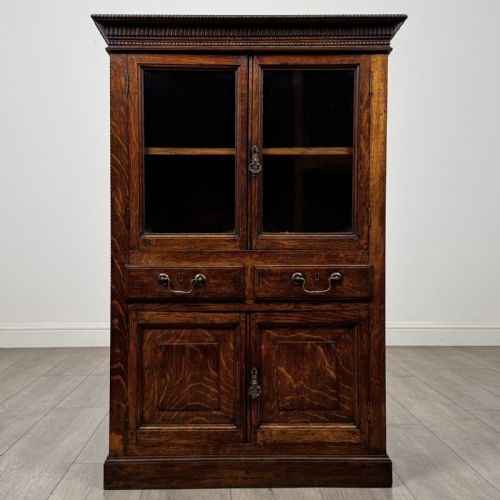
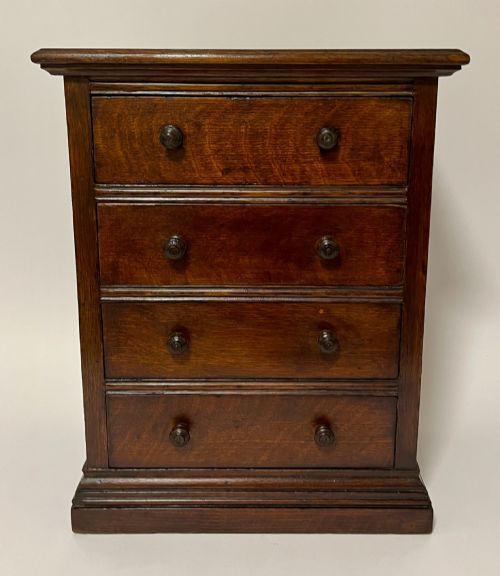


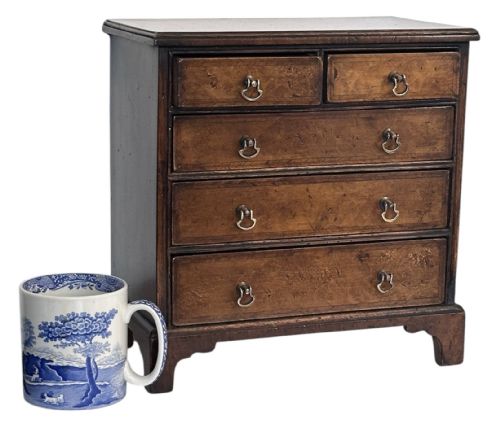

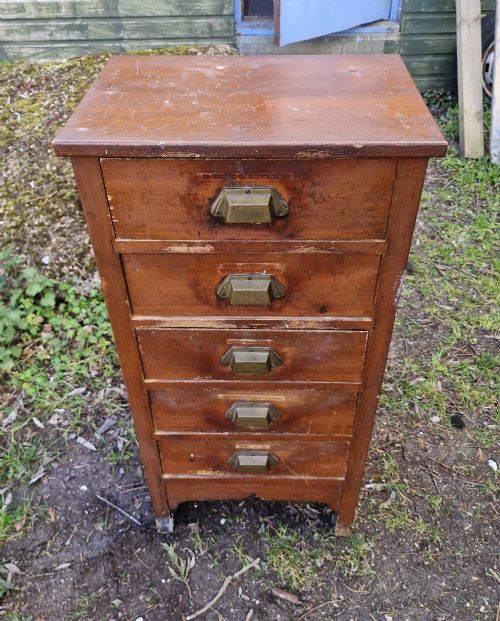

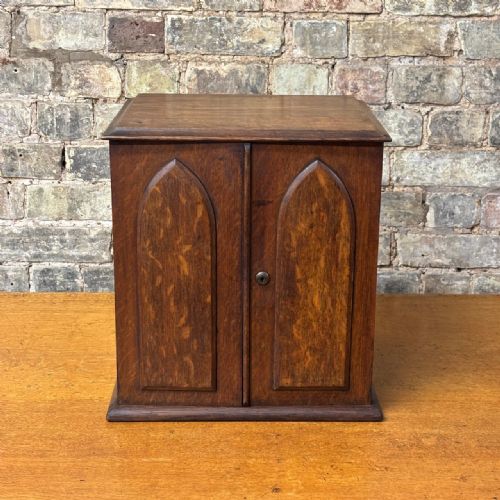
Oak Collectors Cabinet
An oak collectors cabinet organises small specimens or papers in fitted drawers, prized for robust timber and compact utility.
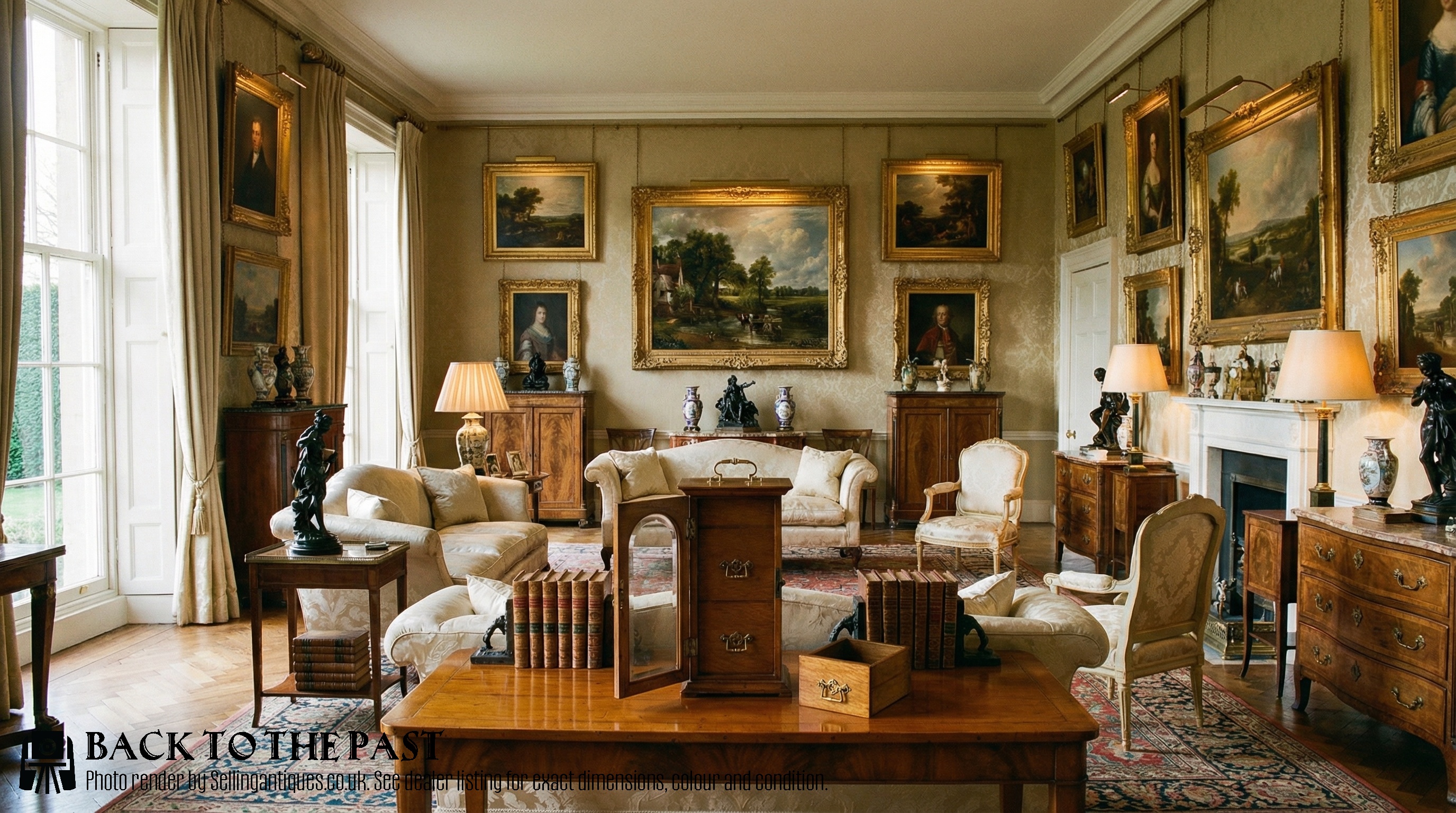
Oak Collectors Cabinet
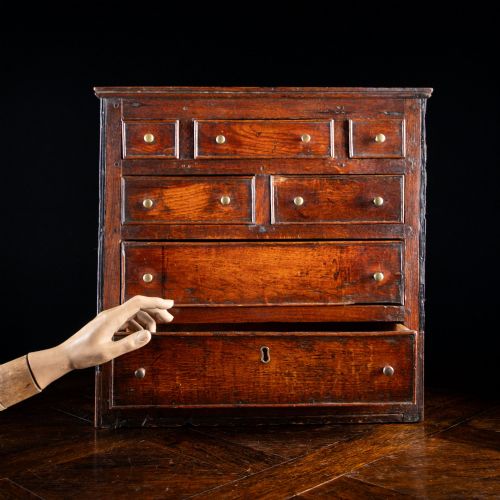
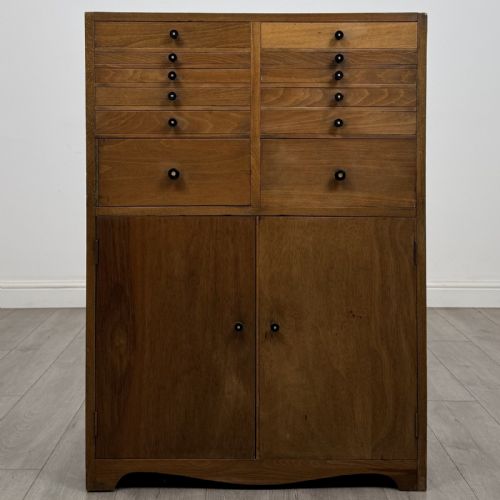
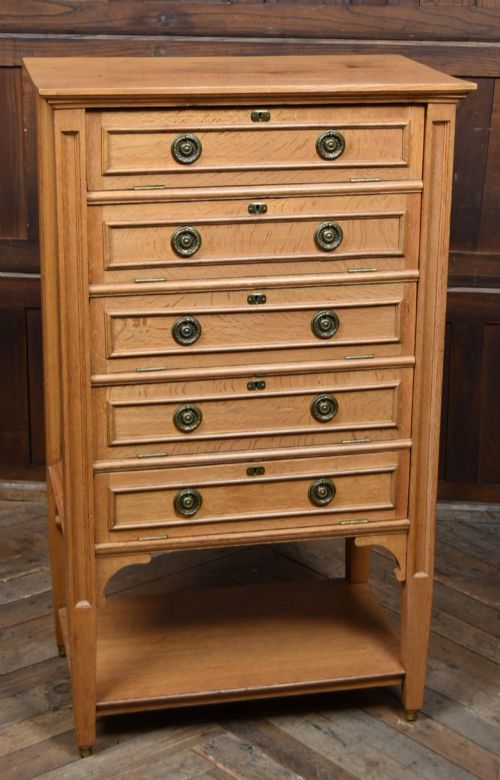
An oak collectors cabinet bridges domestic study and utilitarian archive, appearing in forms ranging from tabletop chests to multi-drawer shop fittings. When exploring an oak collectors cabinet, buyers encounter diverse iterations spanning the eighteenth, nineteenth, and early twentieth centuries, including table-top specimens, countertop display cases, and tall filing units.
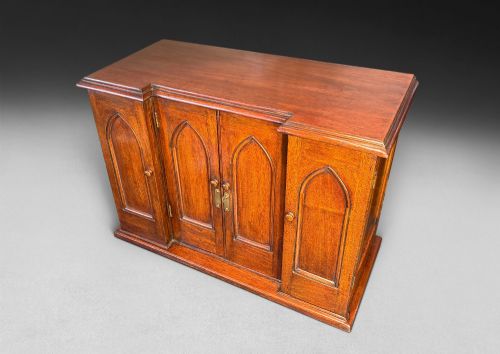
The architectural styles vary widely across these eras, taking in Georgian simplicity, Victorian Gothic Revival, Arts and Crafts movement ideals, and later Art Deco or industrial utility designs. Many examples originate from specialised trades, serving watchmakers, entomologists, geologists, and medical practitioners who required secure, organised small drawers for delicate items.
Materials and Construction
Makers relied primarily on solid oak, frequently paired with secondary softwoods like deal or pine for internal drawer construction, alongside durable brass handles, hinges, and locking escutcheons. Glass panels feature on glazed display variants, while iron and metal fittings reinforce industrial and medical pieces intended for heavy daily use.
Joinery techniques prioritize tight tolerances to protect contents from dust and light, utilising finely dovetailed drawer boxes and fielded panels. Selected pieces showcase figured English oak or pollard oak veneers, highlighting natural grain patterns across flat surfaces and drawer fronts.
Oak Collectors Cabinet Retail Price Guide 2026
Typical asking prices for oak collectors cabinet among the pieces listed under this phrase on Sellingantiques today, from the lower quarter to the upper quarter. They describe what is for sale here now, not the wider market.
Several historical cabinets were repurposed directly from naval ships, transforming royal woodwork into domestic storage.
Evaluating Craftsmanship
Quality rests heavily on the internal engineering of the cabinetry, particularly the smoothness of the drawer runners and the precision of the dustboards separating each tier. Superior examples maintain original fitted interiors, functioning locks with working keys, and unwarped timber that allows every small drawer to slide effortlessly.
The distinction between ordinary utility furniture and high-tier specimen storage lies in the choice of timber selection, such as figured oak, and the restraint or elegance of period stylistic details like carved Gothic panels or hand-beaten brass hardware.
Manoah Rhodes and Sons Ltd·Roberson and Co·Thomas Gurney·Grange and Griffiths·Jansen of London·Watkins and Doncaster·Maple and Co
The Oak Collectors Cabinet Glossary
- Table Cabinet
- A compact furniture piece designed to sit upon a desk, counter, or table rather than standing directly on the floor. These diminutive chests often house numerous shallow drawers for coins, stamps, or small specimens.
- Wellington Chest
- A tall, narrow chest of drawers secured by a single hinged vertical locking flap on one side that fastens over the drawer edges. Originating in the nineteenth century, this format provides secure storage for papers or valuables.
- Specimen Case
- A specialised cabinet or chest built to house natural history objects, geological samples, or scientific slides. The internal drawers are frequently shallow and lined to protect fragile items.
- Tambour Front
- A flexible shutter door constructed from narrow vertical strips of wood glued to a canvas or leather backing, sliding in curved tracks. This mechanism conceals banks of small drawers while saving exterior space.
Oak Collectors Cabinet: Frequently Asked Questions
What were oak collectors cabinets originally used for?
These pieces served collectors of natural history specimens, coins, stamps, and geological samples, as well as professionals needing secure organisation for small tools and documents. Apothecaries, watchmakers, and entomologists relied on the shallow, dust-tight drawers to safeguard delicate items.
Over time, domestic settings also adopted smaller tabletop versions for keepsakes, jewellery, and writing paraphernalia, blending utility with display in the Victorian and Edwardian study.
How do I identify the period of an oak collectors cabinet?
Dating relies on combining stylistic clues with construction methods, such as observing the shift from eighteenth-century raised fielded panels to nineteenth-century Gothic Revival mouldings or early twentieth-century industrial simplicity. Drawer dovetailing, timber choice, and hardware styles also offer clear chronological markers.
Earlier pieces often feature hand-cut joints and native timber variations, while Edwardian and later examples introduce standardised hardware, tambour fronts, or specialised trade labels inside the cabinet frame.
Are the internal drawers usually adjustable or removable?
Most drawers in traditional specimen and filing cabinets are built to specific fixed heights within vertical runners, designed to slide smoothly without tilting. While individual drawers pull out completely for examination of their contents, the partitions themselves are rarely adjustable in older pieces.
Some larger shop fitting or modular cabinets incorporate removable trays or interchangeable divisions, but traditional collectors chests prioritize tight, dust-sealed stationary slots for maximum specimen protection.
How should I care for and clean an antique oak cabinet?
Maintenance requires keeping the timber away from direct heat sources and dramatic humidity shifts to prevent the oak from splitting or the drawer runners from binding. Gentle dusting with a dry, soft cloth preserves the finish without stripping historical wax layers.
Applying a traditional beeswax polish occasionally helps nourish dry oak surfaces, while interior drawers benefit from airing out periodically if storing items in enclosed historic spaces.