
Oak Clothes Press Cupboard
An oak clothes press cupboard brings substantial storage and honest timber grain into a room, offering sturdy utility shaped by centuries of regional joinery.
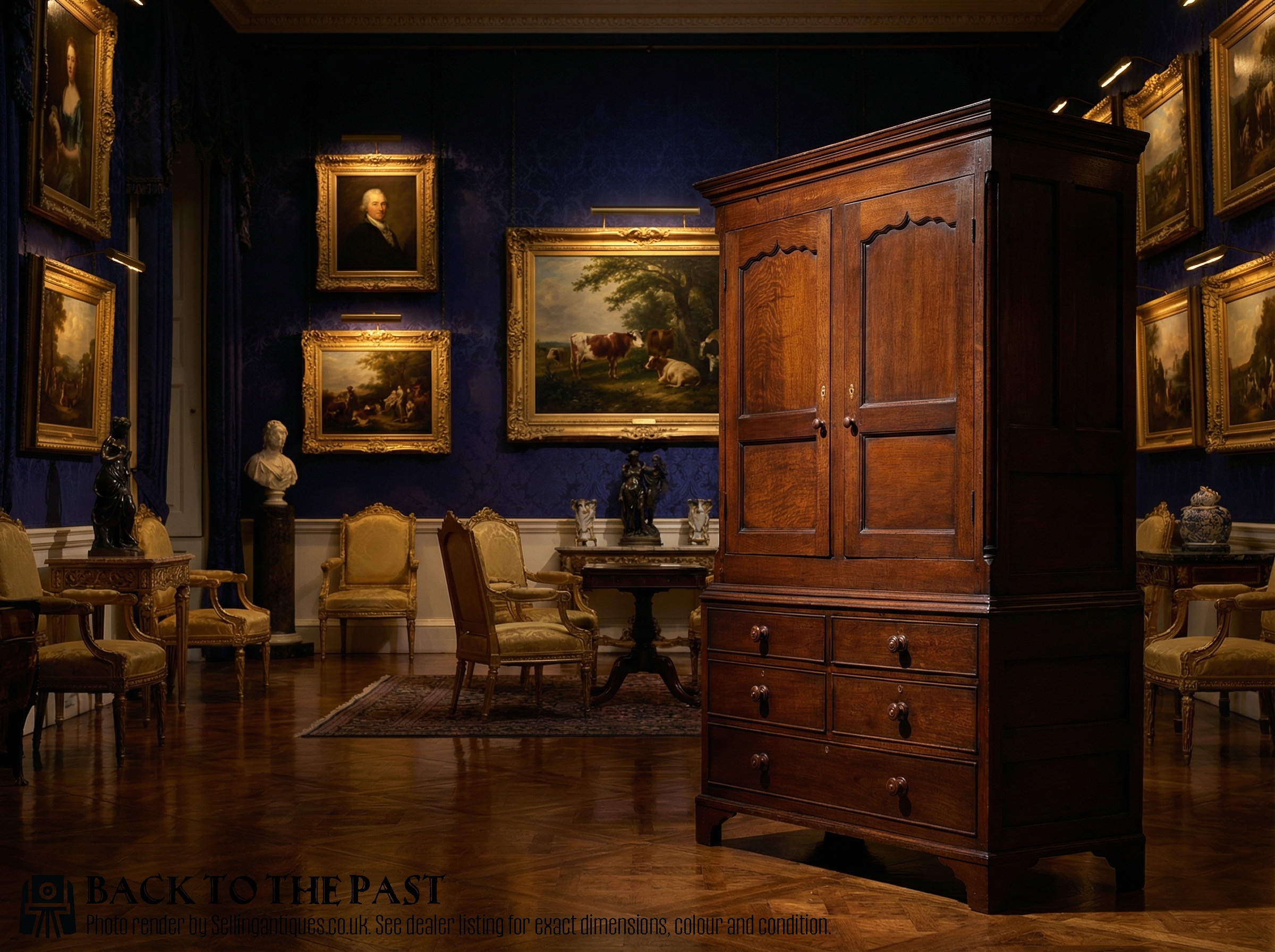
Oak Clothes Press Cupboard
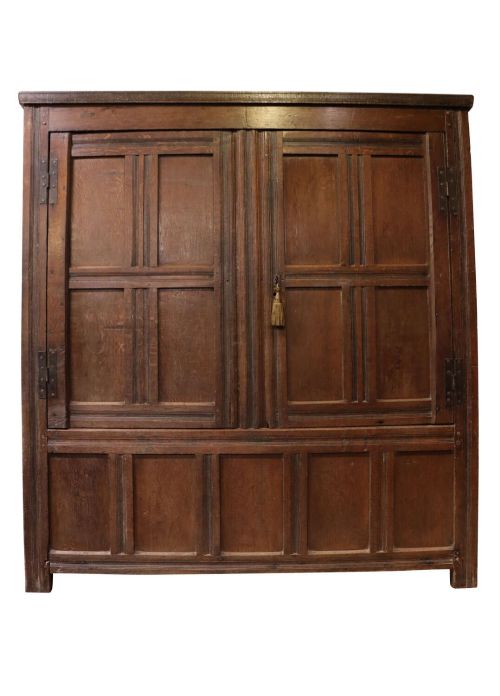
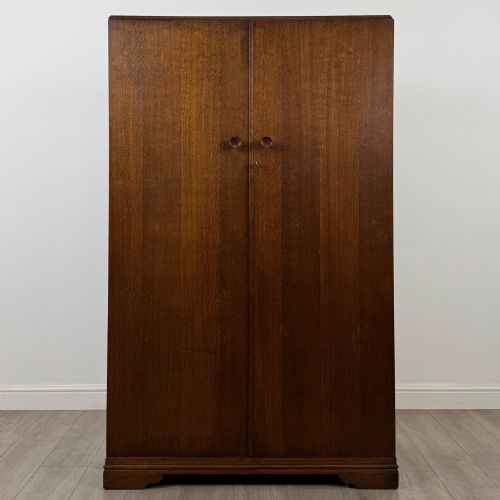
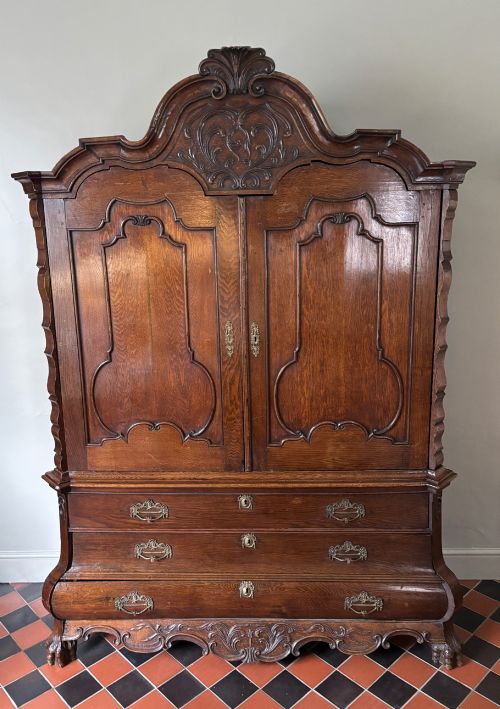
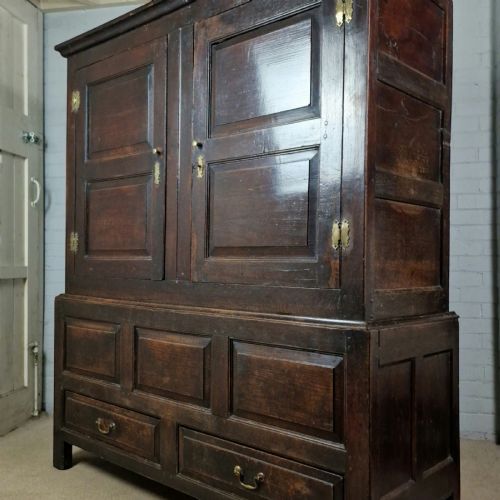
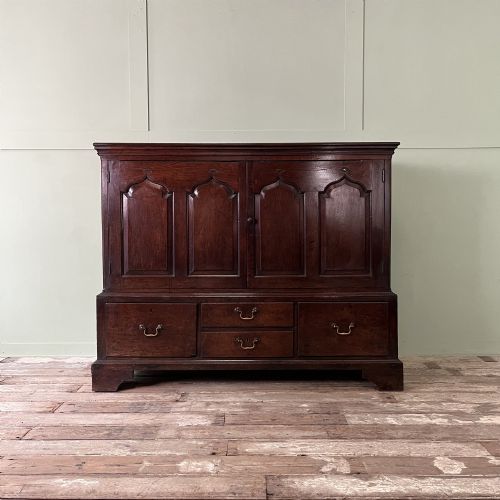
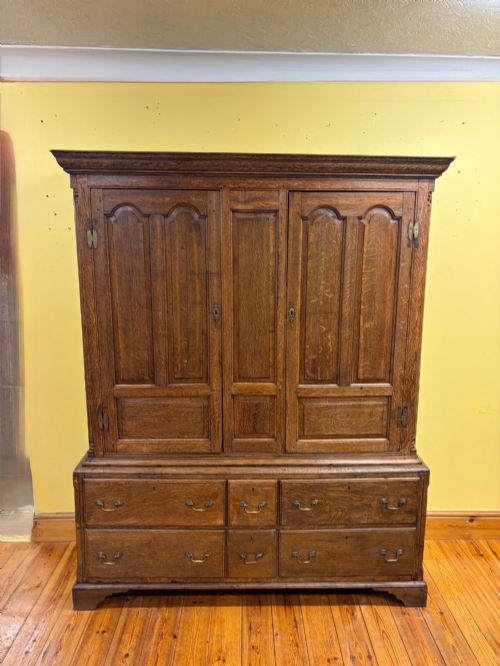
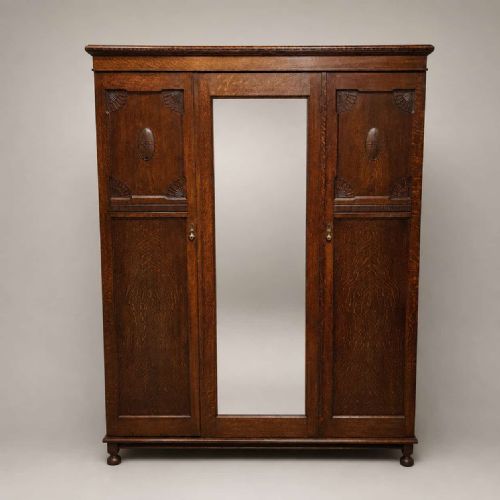
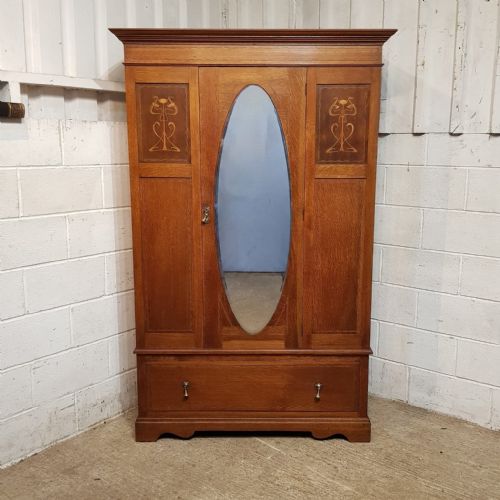
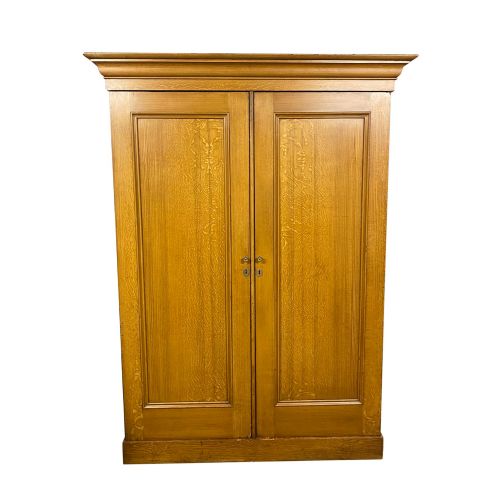
An oak clothes press cupboard is a substantial storage piece designed to hold linen, garments, and household provisions. When searching this phrase, a buyer encounters forms that range from low 18th-century Welsh country cupboards to tall Edwardian and Victorian wardrobes.
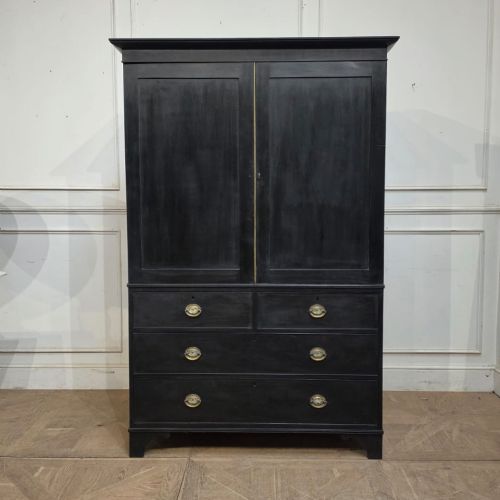
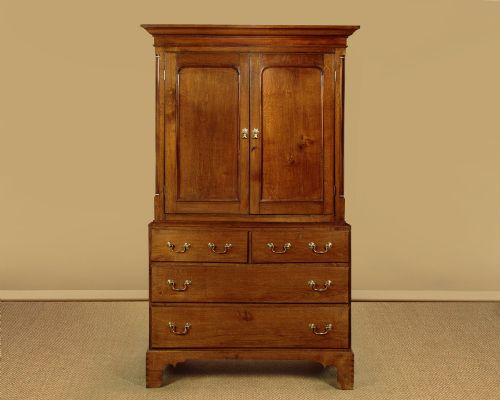
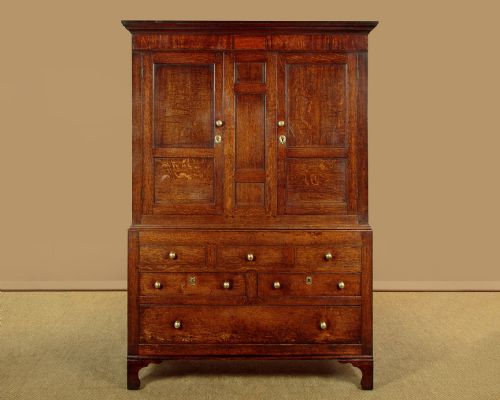
The regional pieces often show local vernacular character, particularly from Welsh workshops where domestic storage evolved from simple boarded boxes into grand architectural furniture. These domestic items combine upper hanging spaces or shelving with lower drawer sections, creating a practical footprint for everyday use.
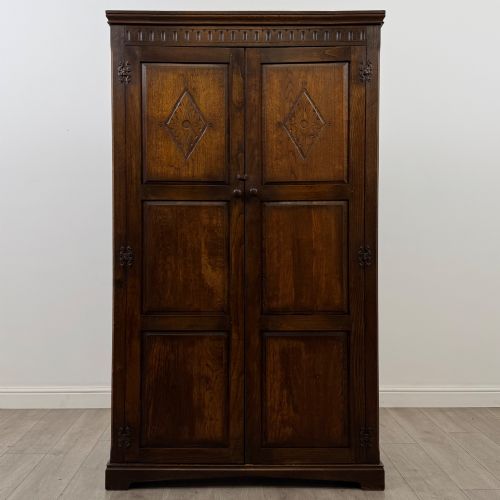
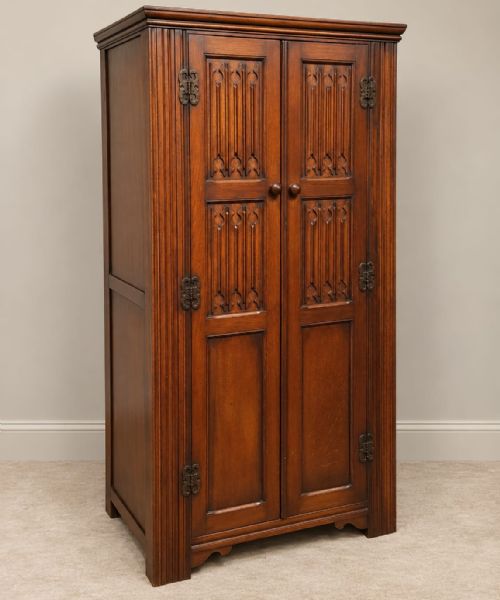
Later iterations shift toward compactum designs and fitted wardrobes from the 1900s and 1920s, reflecting changing household habits. Despite these chronological shifts, solid timber construction remains the consistent element uniting the various eras.
Materials and construction methods
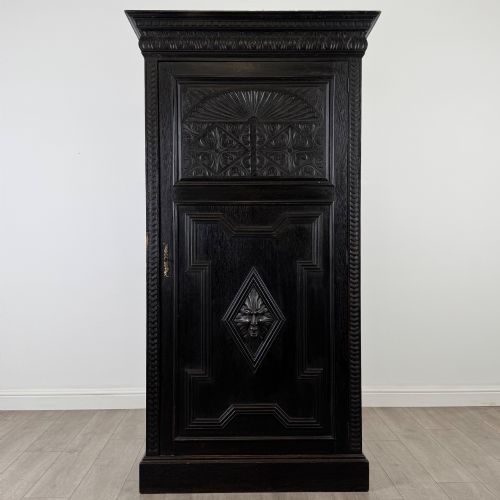
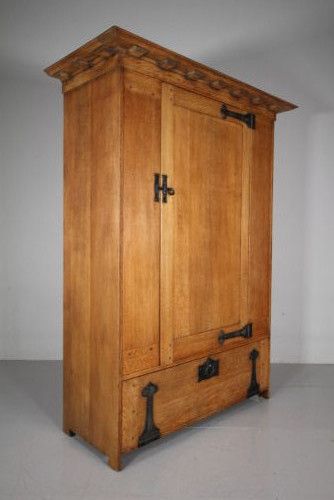
The primary material is solid oak, sometimes accented with brass hardware, glass panels, or iron fittings. Workshops also utilised pine for internal carcases and drawer linings, occasionally applying scumble paint or ebonised finishes to mimic different woods or achieve a fashionable dark surface.
Joinery techniques relied heavily on pegged mortise and tenon frames, panelled doors, and hand-cut dovetails for drawer construction. These traditional methods allowed the timber to expand and contract naturally with seasonal humidity changes without splitting the main structure.
Listings span from the 18th century through the Georgian, Victorian, and Edwardian eras, predominantly featuring solid oak alongside alternative elements like brass, glass, and scumble paint.
Distinctions in craftsmanship and condition
Quality rests in the selection of the timber, the crispness of any carved detailing, and the integrity of the original construction. Pieces with uncompromised proportions, original brass handles, and undisturbed patination stand apart from those altered or overly stripped.
The sophistication of the internal layout and the smoothness of drawer operation also signal a higher grade of manufacture. Simpler vernacular pieces derive their appeal from honest regional character and untouched surfaces, whereas later factory-produced examples rely on precise mechanical fittings and balanced veneering.
Maple & Co·Harris Lebus
The Oak Clothes Press Cupboard Glossary
- Linen press
- A tall piece of furniture designed to store folded sheets and table linens, typically featuring sliding trays behind upper doors and drawers below.
- Livery cupboard
- An old term for a storage cabinet used to keep food, candles, or garments, often associated with provincial or early country workshops.
- Compactum
- A fitted wardrobe configuration developed around 1900 that combines hanging space, shoe racks, and multiple drawers within a single unified cabinet.
- Scumble paint
- A decorative surface treatment applied to simulate richer wood grains or figures using semi-transparent coloured glazes dragged across a prepared base.
- Vernacular
- Furniture built by local country joiners using regional traditions rather than following metropolitan stylistic patterns.
Oak Clothes Press Cupboard: Frequently Asked Questions
What is an oak clothes press cupboard used for?
These pieces provide deep storage for folded garments, household linens, and hanging clothes. Their combination of internal shelves, sliding trays, and lower drawers accommodates diverse storage needs in a bedroom or hallway.
Historically, households relied on them to protect textiles from dust and dampness while keeping everyday items organised. Today, they serve the exact same practical function while adding historic character to modern interiors.
How do I date an oak press cupboard?
Dating relies on observing construction details, timber preparation, and stylistic cues. Early 18th-century examples often display hand-split panels, pegged joints, and heavy mouldings characteristic of regional country joinery.
Later Victorian and Edwardian pieces introduce machine-sawn timber, standardised hardware, and distinct revival styles such as Gothic or Arts and Crafts. Comparing the backboards and internal drawer linings provides further clues to the manufacturing decade.
Will an oak clothes press cupboard fit in a modern bedroom?
Many older cupboards are surprisingly modular or built in sections, such as separate upper press sections and lower drawer bases, which helps with moving them into rooms. Measuring ceiling height and access stairways is essential before purchase due to their solid timber weight and imposing proportions.
Internal depth can vary significantly between 18th-century linen presses and 20th-century wardrobes. Modern coat hangers may require angled placement in older, shallower depths.
What is the difference between a press cupboard and a wardrobe?
A traditional press cupboard specifically refers to a piece designed for folded textiles, featuring internal sliding trays or shelves behind the main upper doors. Wardrobes, by contrast, are primarily engineered for garments hung lengthwise on rails.
Over time, the terms began to overlap as cabinetmakers adapted older press designs to accommodate modern clothing habits. Many listings combine both functions by offering hanging space alongside traditional linen trays.