

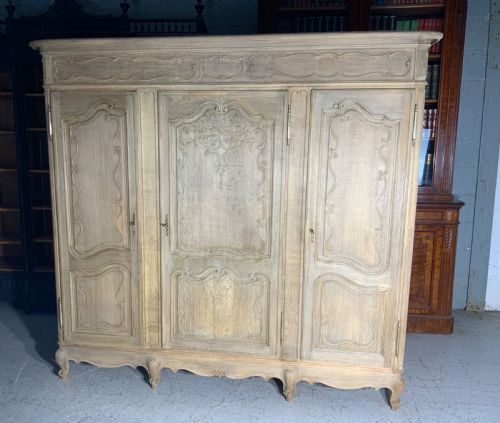
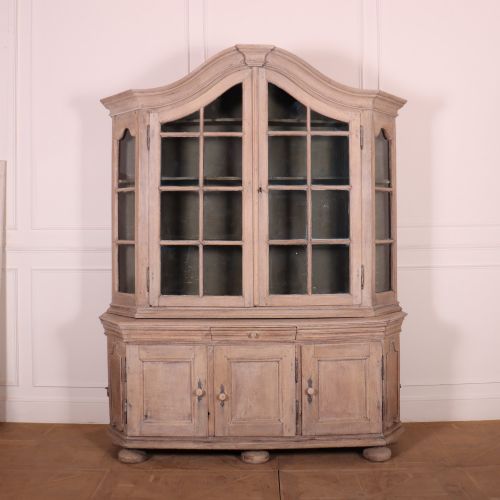
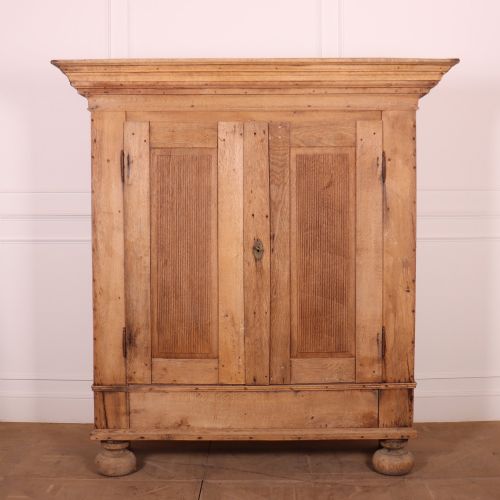
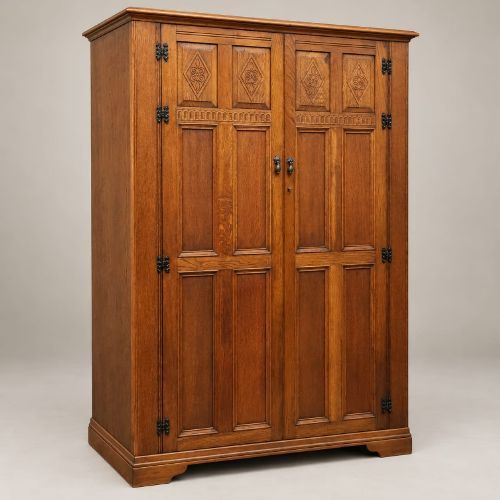
Vintage Oak Linen Press
A vintage oak linen press is a substantial storage piece built for household textiles, combining solid timber construction with practical shelving.
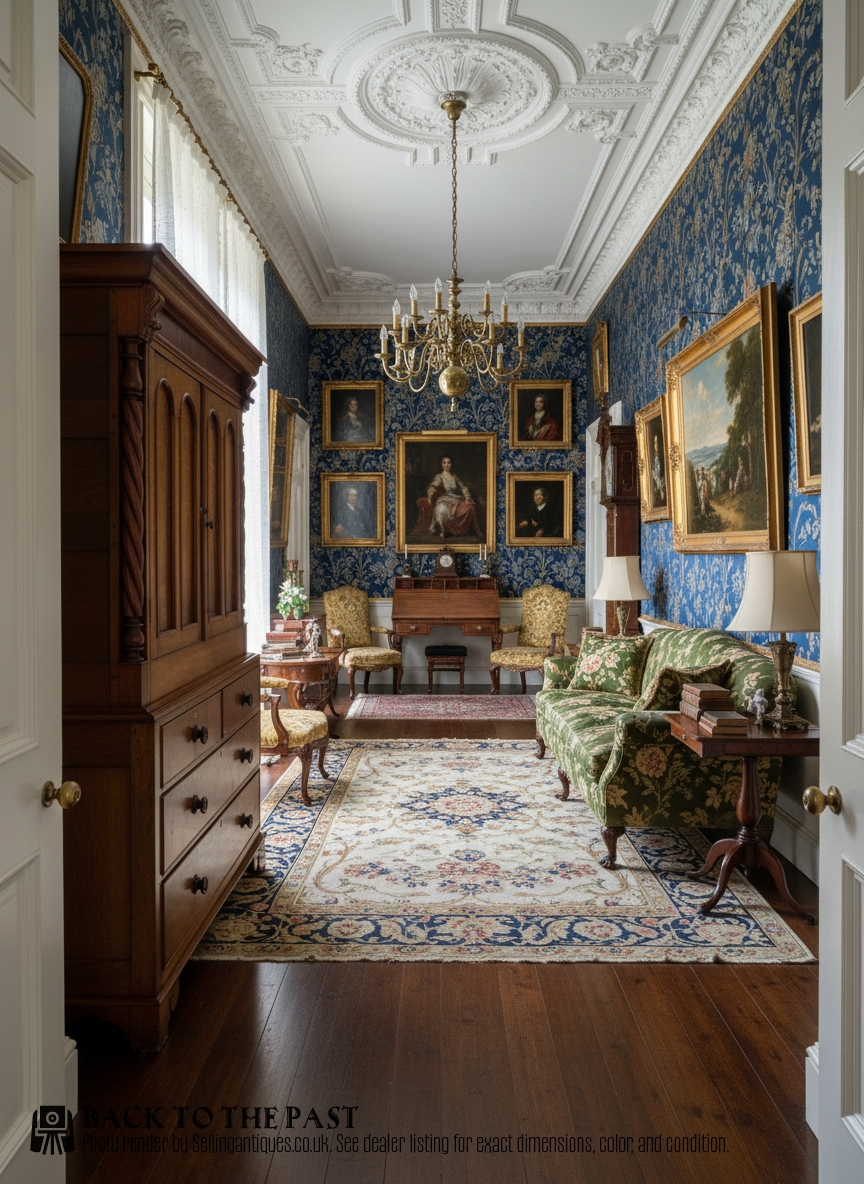
Vintage Oak Linen Press
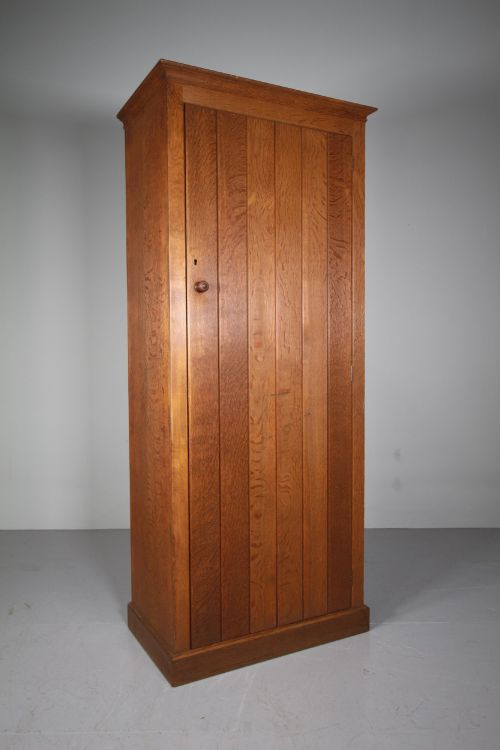
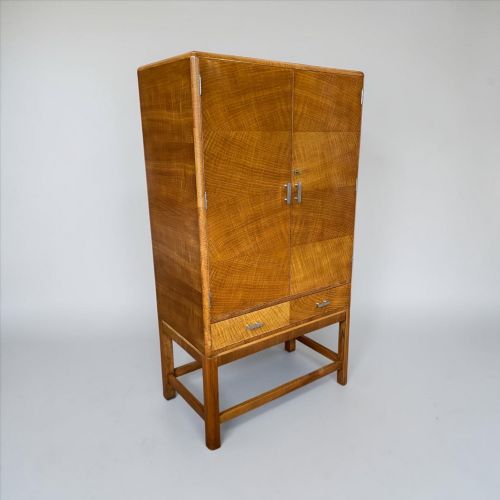
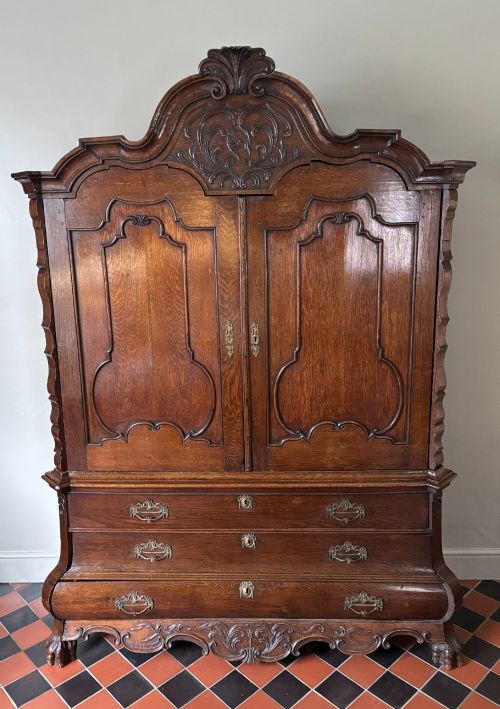
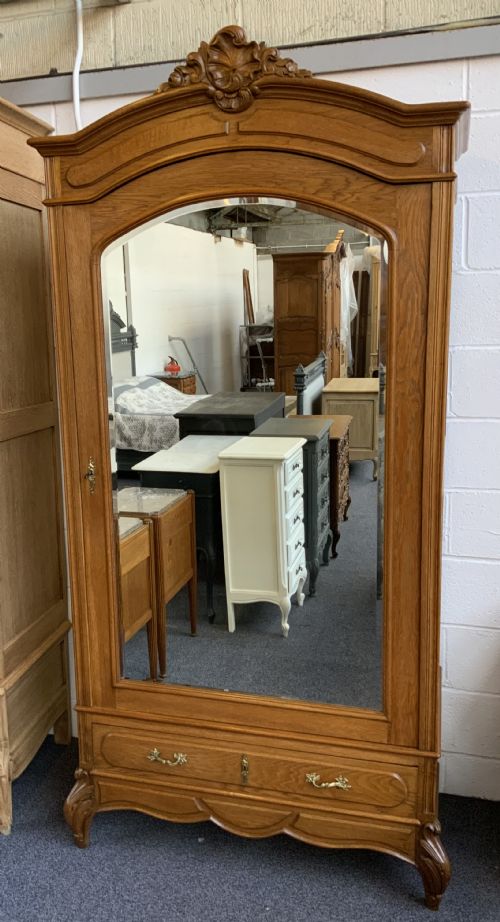
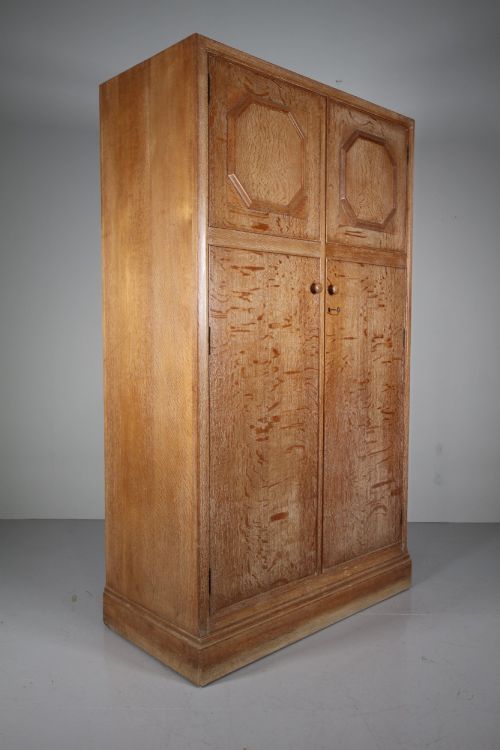
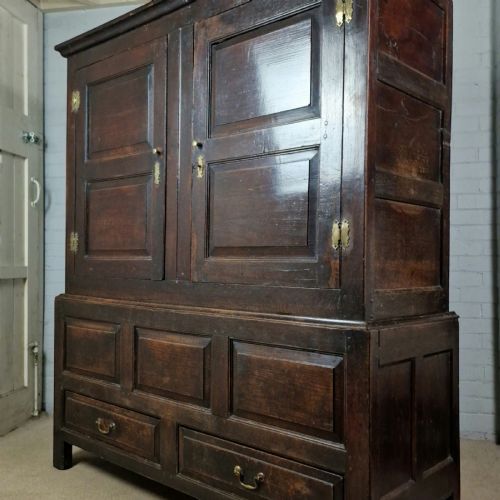
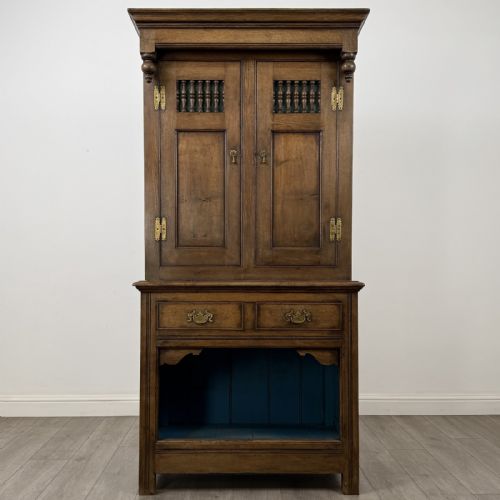
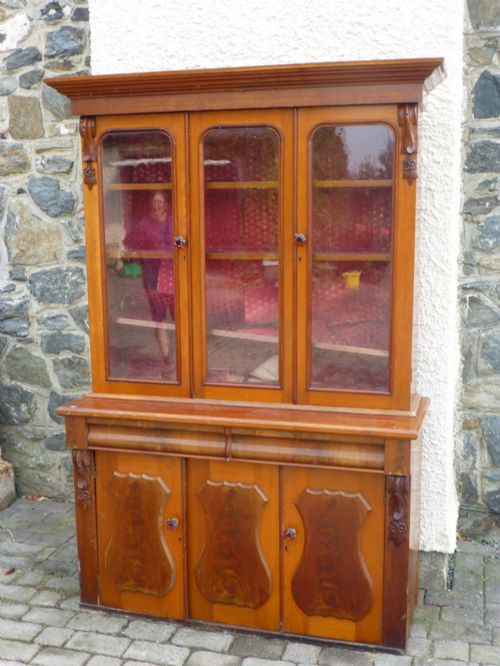
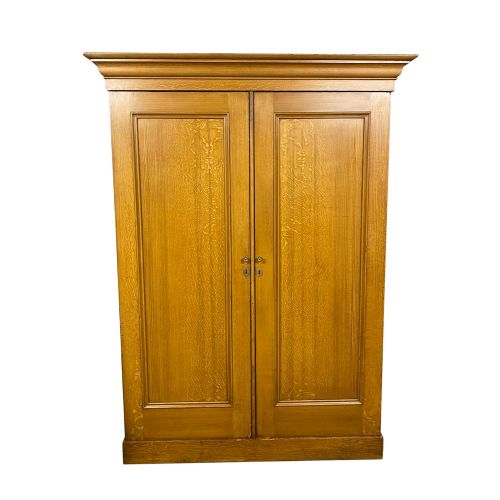
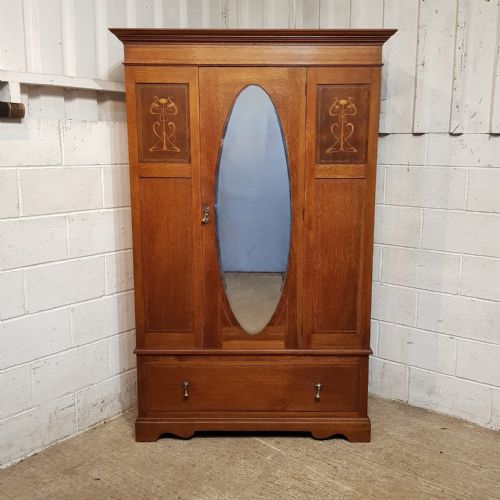
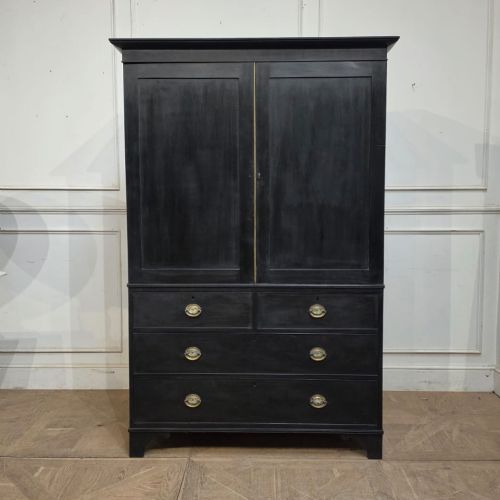
A vintage oak linen press provides deep storage for clothing and household fabrics, frequently appearing as tallboys, double wardrobes, and press cupboards. These pieces reflect diverse design influences, ranging from straightforward Victorian utility to the clean lines of the 1920s and 1930s.
The selections recorded on this page span several distinct periods, including the nineteenth century, the Victorian era, and early twentieth-century movements like Art Deco and the Cotswold School. Forms vary from traditional linen chests to flat pack armoires and gentleman's wardrobes.
Buyers seeking a vintage oak linen press will encounter both rustic regional interpretations and more formal cabinet work. Each item demonstrates how earlier generations solved the problem of storing folded garments and household linens before fitted bedroom furniture became standard.
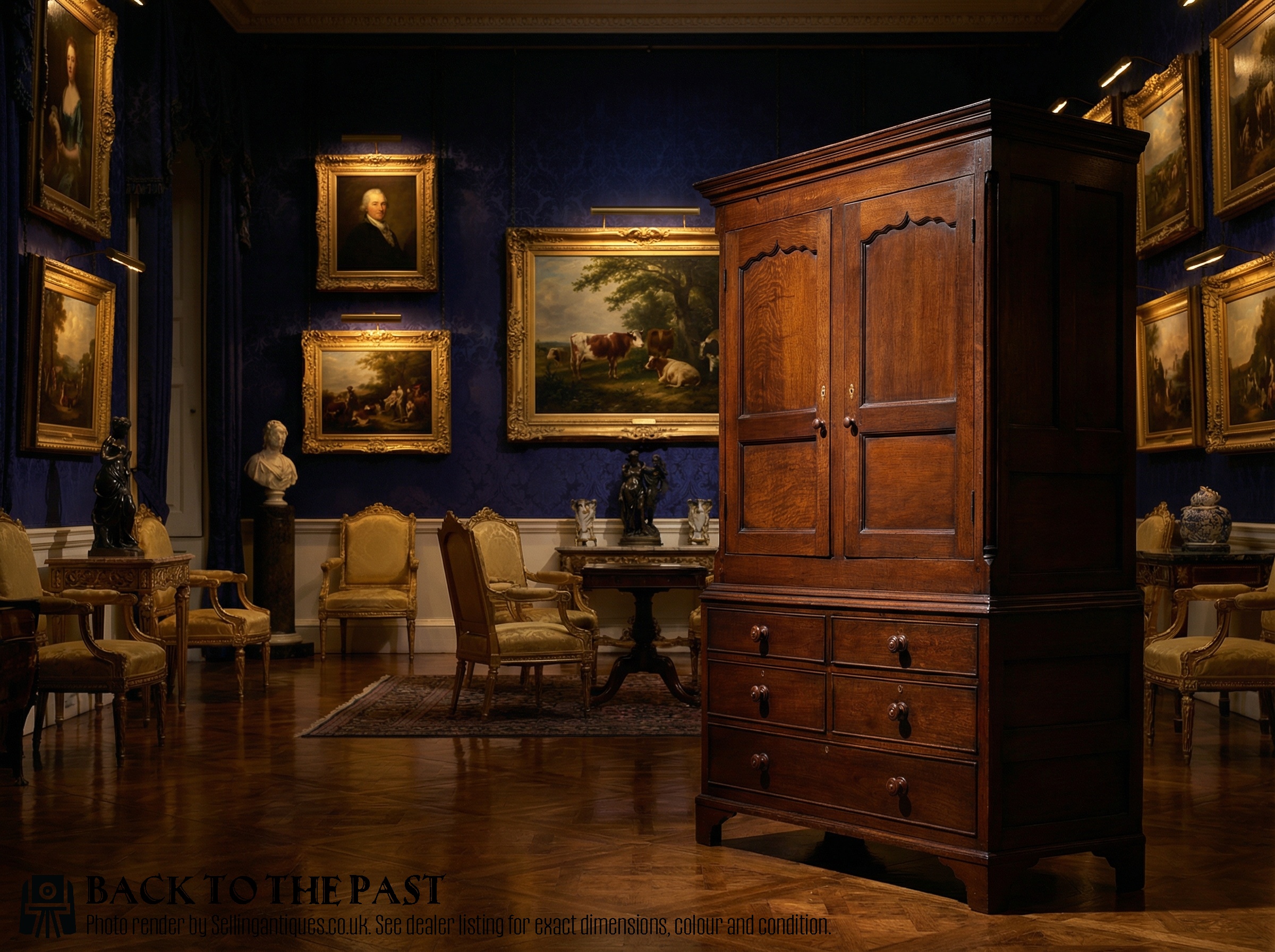
How They Were Made
These items rely heavily on solid oak timber, valued for its durability and prominent grain pattern. Joinery techniques connect heavy panels to form rigid carcasses capable of supporting internal shelving and hanging space.
Hardware elements such as hinges, handles, and locks are constructed from brass, iron, and other metals. These functional components are secured directly to the timber doors and drawers, contributing to the structural integrity of each press.
Vintage Oak Linen Press Retail Price Guide 2026
Typical asking prices for vintage oak linen press among the pieces listed under this phrase on Sellingantiques today, from the lower quarter to the upper quarter. They describe what is for sale here now, not the wider market.
One listed armoire arrives as an early flat pack, proving that frustrating assembly instructions are not a modern invention.
What Varies in Quality
Quality in these pieces is dictated by the selection of the timber and the precision of the joinery rather than surface decoration alone. Solid oak construction with well-fitted panel doors represents a higher standard of manufacture than simpler box forms.
The integration of original hardware, including metal hinges and locks, separates standard utilitarian pieces from finer examples. Proportion and balance across larger wardrobe and tallboy formats also define the upper tier of craftsmanship.
The Vintage Oak Linen Press Glossary
- Tallboy
- A tall storage cabinet combining wardrobe space with internal shelving or drawers. This configuration maximises vertical capacity in smaller rooms.
- Armoire
- A large freestanding wardrobe or cupboard with hinged doors. Antique versions often dismantle or flat pack for easier transport.
- Cotswold School
- An early twentieth-century design movement focusing on honest construction and traditional woodworking methods. Pieces in this style emphasise the natural qualities of solid timber.
- Panel
- A flat piece of wood fitted within a larger frame to accommodate seasonal wood movement. This technique prevents cracking as the oak expands and contracts.
Vintage Oak Linen Press: Frequently Asked Questions
What is a linen press used for?
A linen press serves as a dedicated storage unit for household textiles, blankets, and folded garments. The internal shelving or trays keep fabrics organised and accessible.
In modern homes, these pieces function effectively as bedroom wardrobes or hallway storage for bulky items.
How do I date an oak press?
Dating relies on examining the construction methods, hardware types, and prevailing design styles of the period. Hand-cut joinery and specific tool marks indicate earlier nineteenth-century manufacture.
Later pieces from the 1920s and 1930s often display cleaner geometric lines and machine-finished components associated with Art Deco or Arts and Crafts influences.
Are these presses difficult to move?
Most solid oak presses are heavy structures built from dense timber that require multiple people to lift. Some historical examples were designed to dismantle into sections for transport.
Checking the assembly method before moving ensures the frame and internal joints remain undamaged during relocation.
How do I care for antique oak?
Antique oak benefits from occasional applications of traditional beeswax to nourish the timber and maintain a soft lustre. Avoiding direct sunlight and sudden temperature changes protects the wood from splitting.
Regular dusting with a dry cloth prevents dirt accumulation within the grain patterns.