
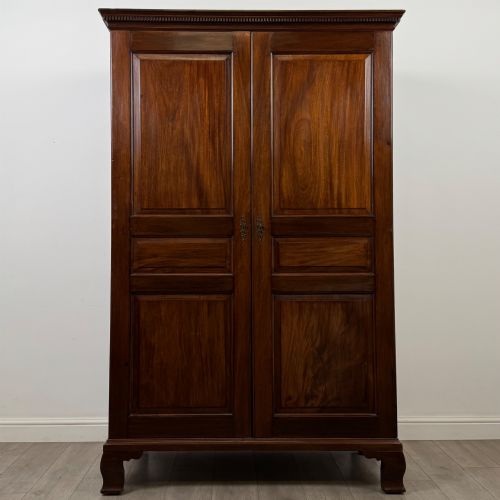
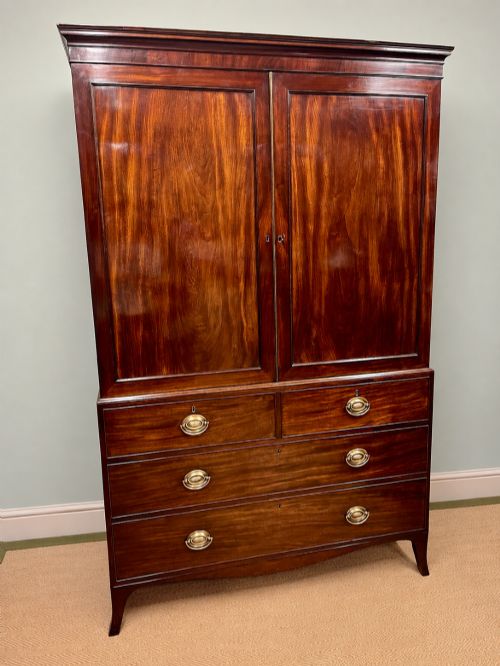
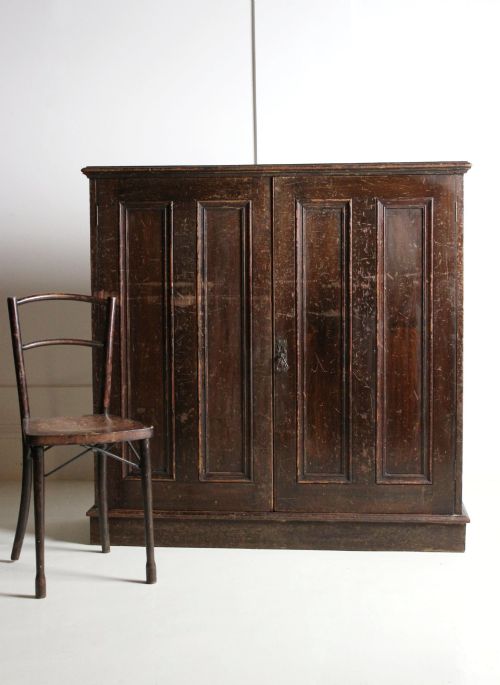
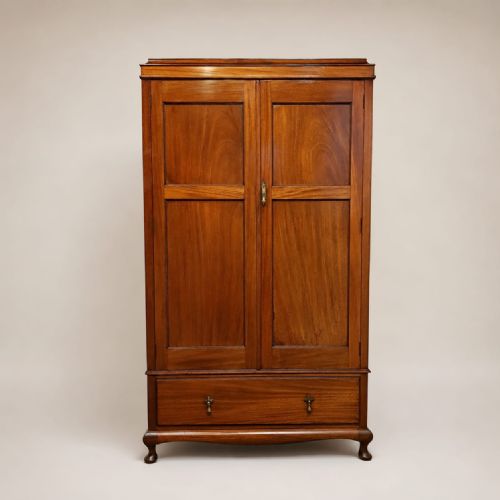

Dark Wood Press Cupboard
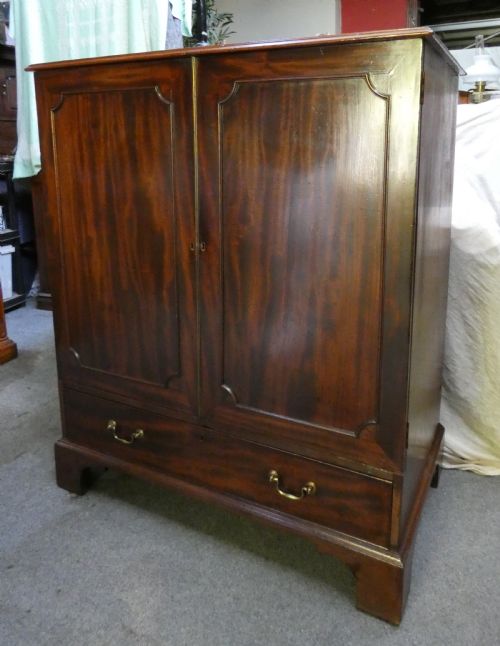
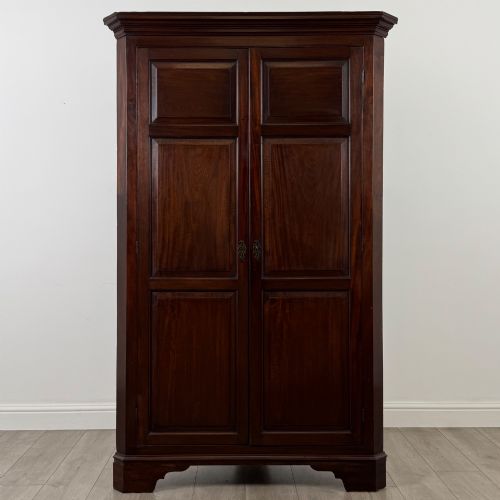
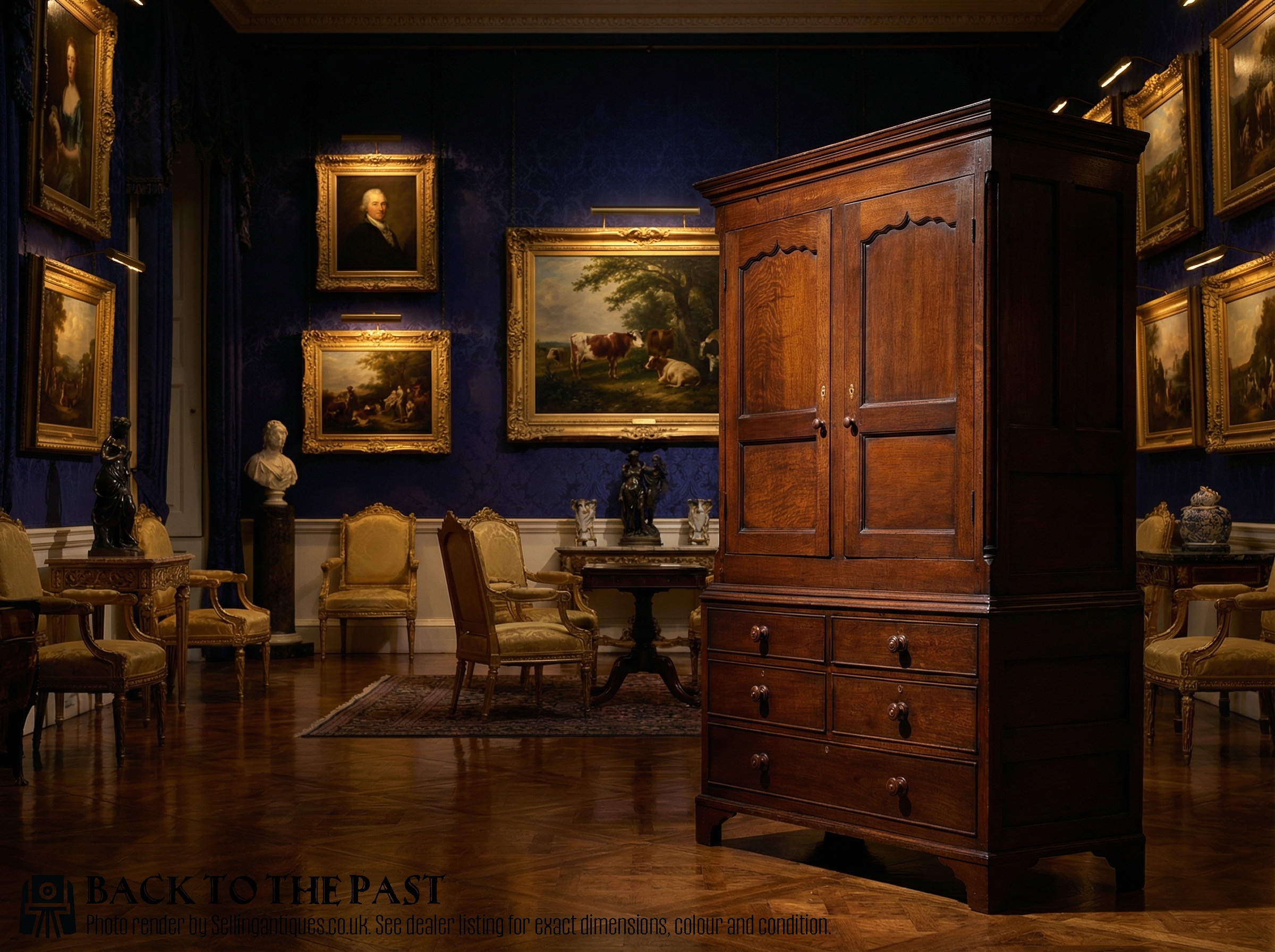
A dark wood press cupboard is a substantial storage piece built to hold household textiles and garments.
Dark Wood Press Cupboard
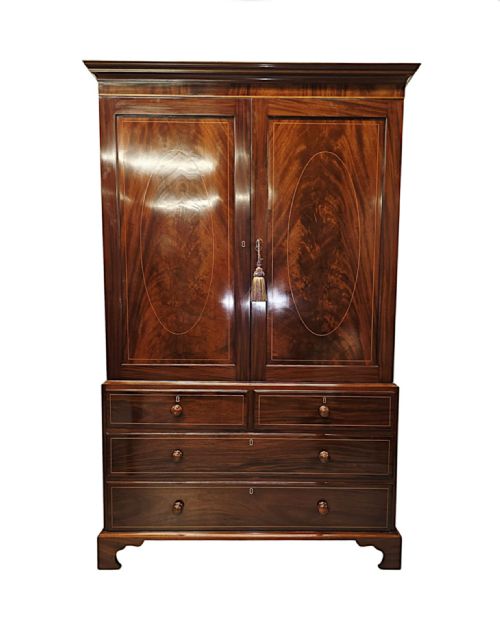
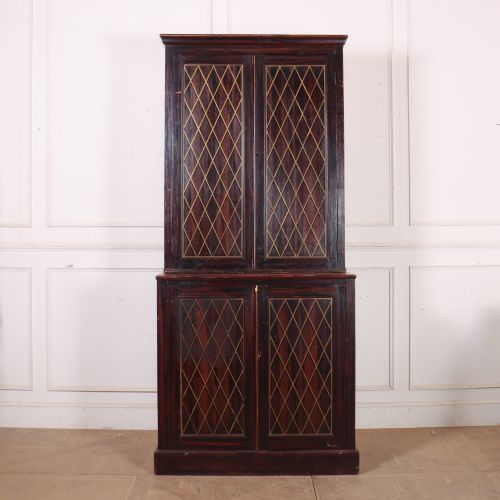
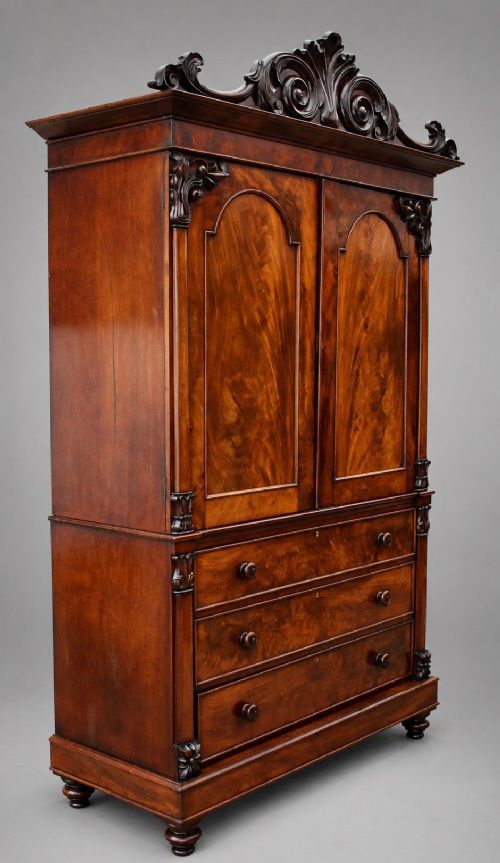
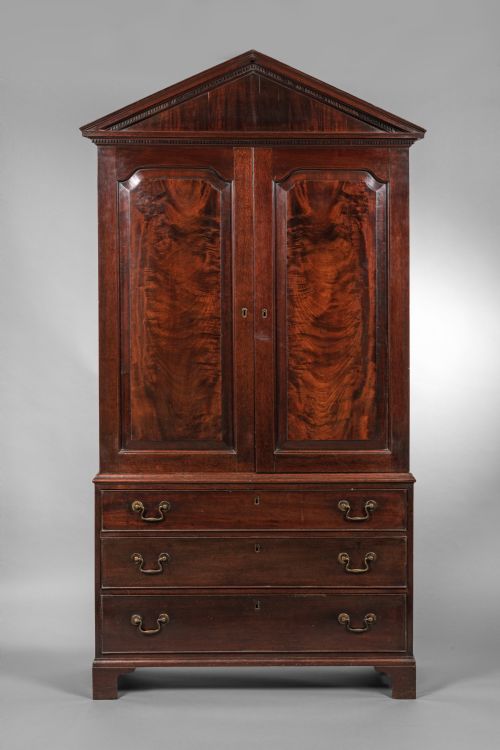
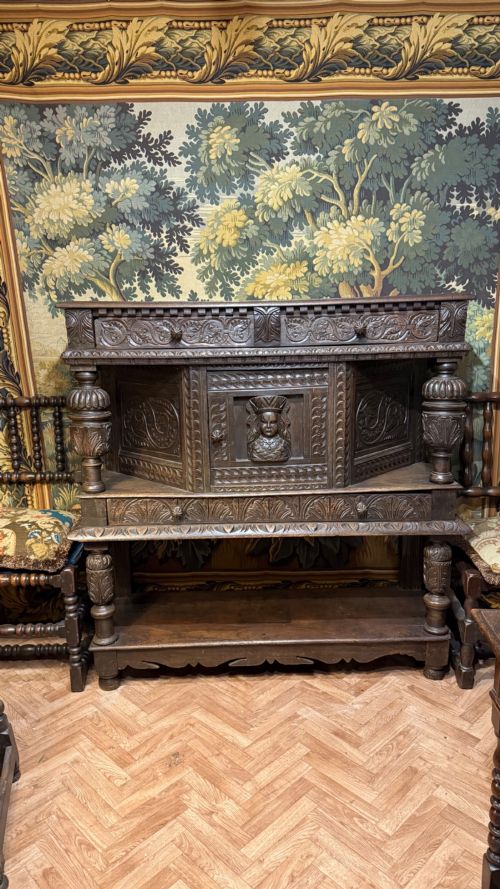
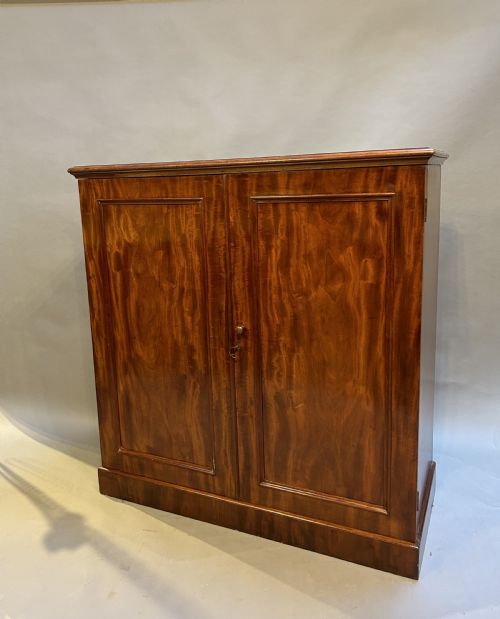
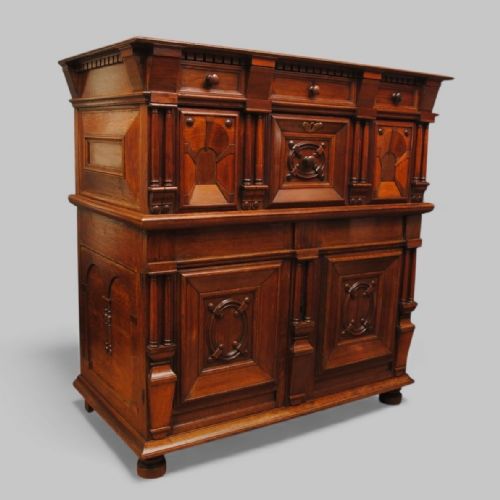
When searching for a dark wood press cupboard, buyers encounter large storage items designed for linen and clothing, appearing in forms such as linen presses, wardrobes, and tall cupboards. These pieces emerge predominantly from the eighteenth and nineteenth centuries, spanning Georgian, Regency, and Victorian periods.
The materials visible in these pieces lean heavily towards mahogany, oak, and walnut, often reflecting the specific cabinet-making traditions of their respective eras. Examples range from compact dwarf versions to grand breakfront wardrobes fitted with multiple doors.
Origins stretch across English workshops as well as continental European traditions, offering buyers a variety of regional interpretations in timber selection and construction.
How they were made
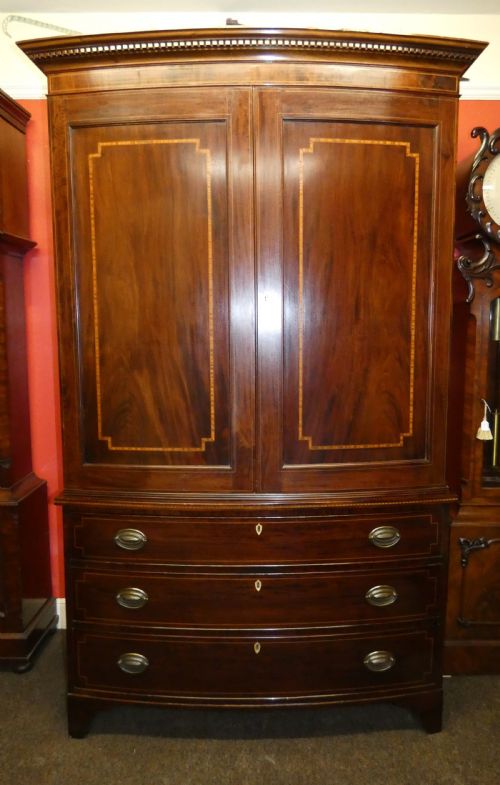
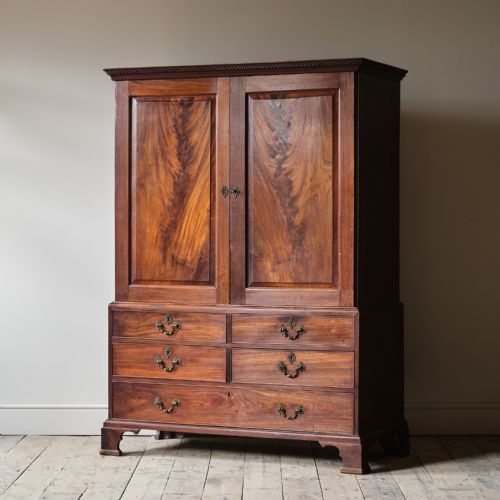
Cabinet makers utilised dense hardwoods such as mahogany, oak, and walnut for the primary carcases, frequently employing flame mahogany or satinwood veneers for decorative effect on drawer fronts and door panels. Crossbanding in rosewood and intricate marquetry inlay further embellished the structural timbers.
Brass fittings, including drop handles and escutcheons, complemented the dark wood surfaces, whilst internal sliding trays or hanging spaces provided the practical storage function required for household linens.
Dark Wood Press Cupboard Retail Price Guide 2026
Typical asking prices for dark wood press cupboard among the pieces listed under this phrase on Sellingantiques today, from the lower quarter to the upper quarter. They describe what is for sale here now, not the wider market.
Listings feature mahogany, oak, and walnut across eighteenth and nineteenth-century periods, including Georgian, Regency, and Victorian examples.
What varies in quality
The standard of a dark wood press cupboard rests on the selection of timber veneers and the precision of the cabinet work, particularly in the figuring of flame mahogany and the execution of crossbanding. Superior examples display thoughtful grain matching across large surfaces and refined detailing in cornices and panel mouldings.
Internal construction, from the dovetailing of sliding trays to the integrity of the timber carcase, dictates the enduring utility and structural stability of the piece over centuries.
Heals·Francis Brodie
The Dark Wood Press Cupboard Glossary
- Press cupboard
- A large piece of furniture featuring upper doors enclosing shelves or sliding trays for linen, set above a lower section of drawers. This traditional form was essential for storing folded textiles before hanging wardrobes became standard.
- Linen press
- A specialised cabinet designed specifically for the storage of household linen, typically containing sliding trays in the upper section. These trays kept textiles flat and orderly.
- Crossbanding
- A decorative technique where a border of veneer is applied around a central panel with the grain running at a right angle to the field. This method frames the primary timber of the doors or drawers.
- Flame mahogany
- A highly figured cut of mahogany showing a distinctive flame-like pattern across the wood grain. Cabinet makers reserved this premium veneer for prominent display surfaces.
- Breakfront
- A piece of furniture where the central section projects forward from the flanking wings. This architectural arrangement adds depth and visual rhythm to large wardrobes and bookcases.
Dark Wood Press Cupboard: Frequently Asked Questions
What is a dark wood press cupboard used for?
These cupboards served primarily to store household linens, folded garments, and textiles in the upper sliding tray section before modern wardrobes became common.
Today, they function well in bedrooms and living spaces for storing clothing, bedding, or media equipment while providing a strong architectural presence.
How do I date a dark wood press cupboard?
Dating relies on examining the structural timber, hardware, and stylistic details such as cornices, bracket feet, and veneer choices typical of Georgian, Regency, or Victorian cabinet-making.
Changes in drawer construction, such as hand-cut dovetails and secondary woods used internally, offer further clues to the period of manufacture.
Are these cupboards modular or one piece?
Many traditional press cupboards are built in two distinct sections, separating the upper cupboard from the lower drawer base to ease transport and placement.
Larger breakfront wardrobes and triple wardrobes often dismantle into modular components including a cornice, a central carcase, side sections, and a plinth.
How do I care for mahogany and walnut furniture?
Maintain these dark wood surfaces by keeping them away from direct heat sources and strong sunlight, which can dry out and fade the timber veneers over time.
Apply a traditional beeswax polish occasionally to nourish the wood and maintain the natural lustre of the polished surface.