

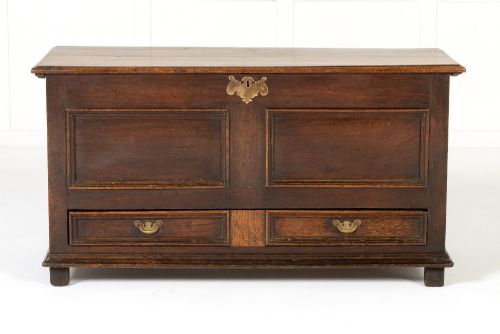


Oak Blanket Box Drawer
An oak blanket box drawer provides sturdy foundational storage, uniting the lid of a traditional chest with the lower drawer access of early domestic furniture.
Oak Blanket Box Drawer
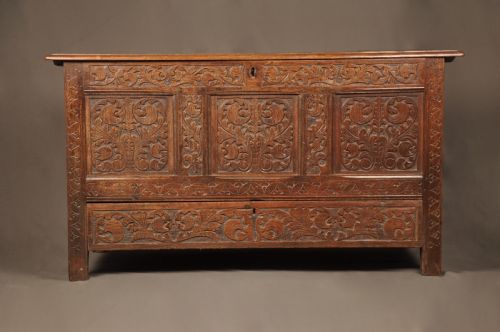
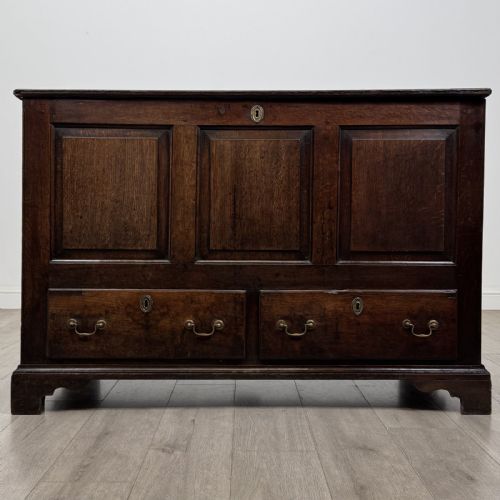
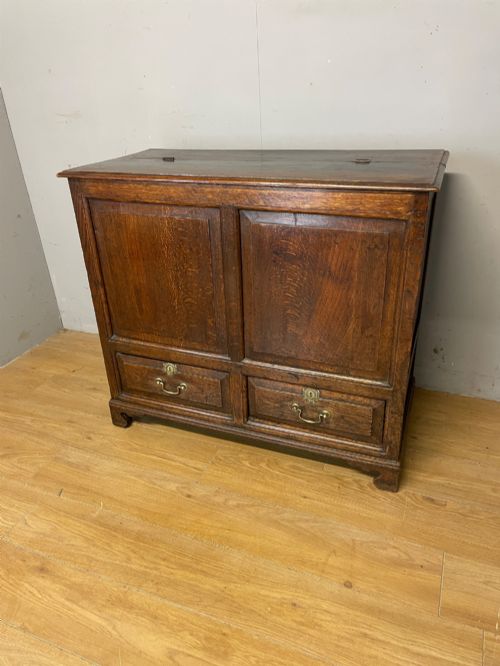
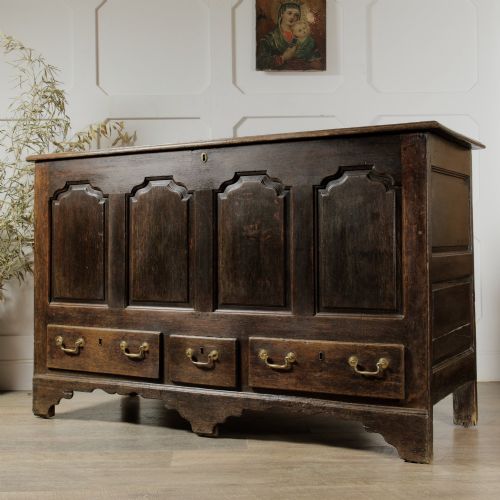
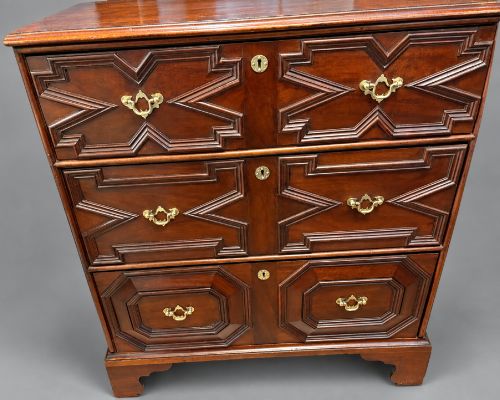
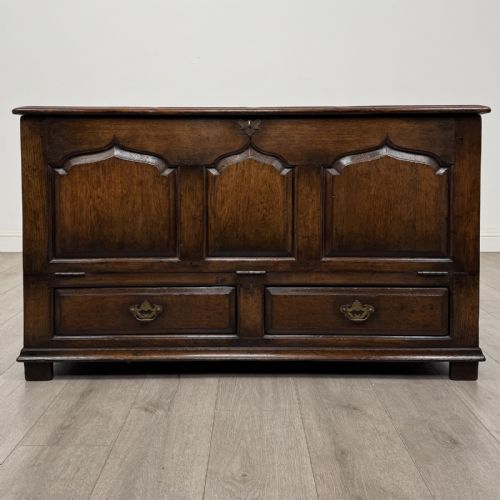
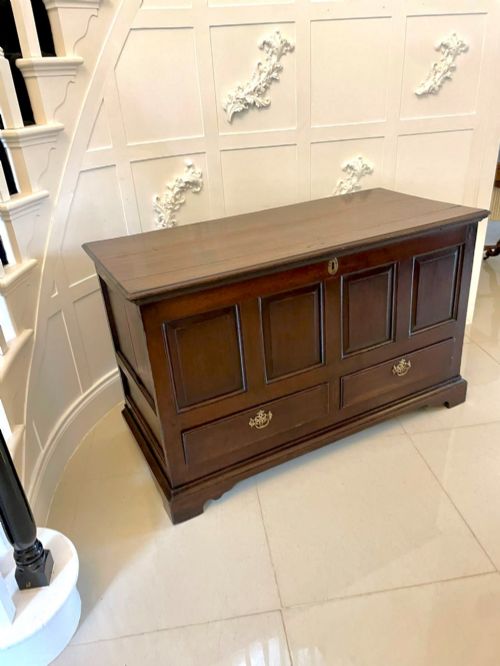
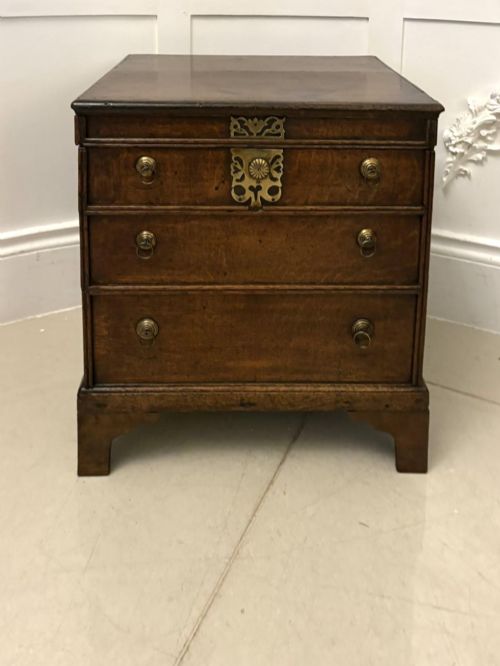
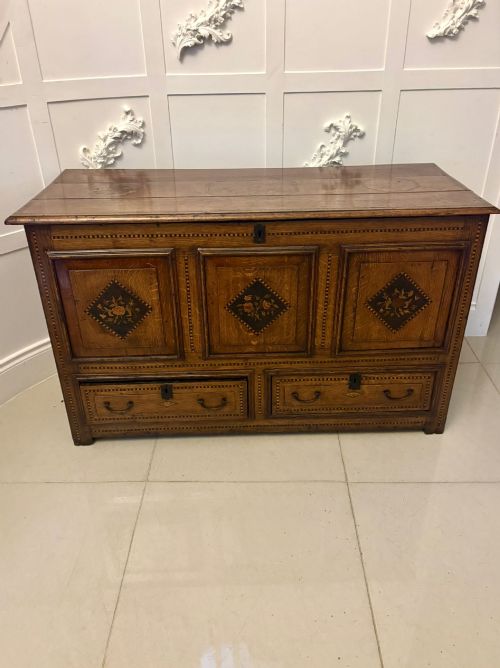
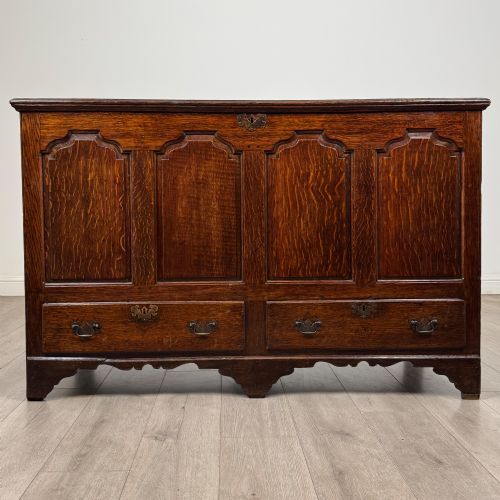
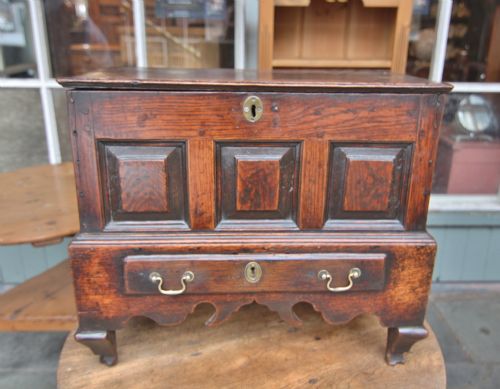
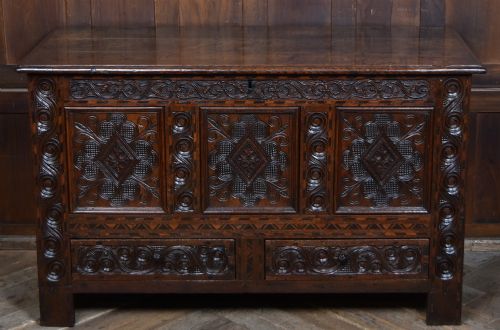
An oak blanket box drawer typically takes the form of a mule chest or coffer bach, combining a lift-top storage compartment above one or more base drawers. These pieces bridge the gap between simple blanket boxes and fully developed chests of drawers.
The selections span distinct periods including the seventeenth, eighteenth, and nineteenth centuries, alongside Georgian eras and Welsh vernacular traditions. Buyers encounter smaller miniature coffer baches as well as large panelled country house storage trunks.
Materials and construction
Solid oak forms the primary structural material across these pieces, frequently complemented by secondary timbers such as fruitwood and mahogany in decorative elements. Iron and brass hardware provide functional hinges, escutcheons, and drawer pulls.
Joinery methods rely on traditional panel construction, often featuring multiple panels on the front facade and lid. Marquetry and wood inlay appear on specific examples to decorate the primary oak surfaces.
Oak Blanket Box Drawer Retail Price Guide 2026
Typical asking prices for oak blanket box drawer among the pieces listed under this phrase on Sellingantiques today, from the lower quarter to the upper quarter. They describe what is for sale here now, not the wider market.
Listings feature solid oak and fruitwood pieces spanning the seventeenth to nineteenth centuries, alongside Georgian and Welsh vernacular styles.
Distinguishing quality levels
The standard of carving and surface ornamentation differentiates standard vernacular pieces from masterwork examples. Elements like Green Man carvings, intricate marquetry inlay, and panel moulding require high levels of joinery skill.
Proportion and the integrity of the original hardware also dictate overall worth. Examples retaining their early brass drop handles, hinges, and untouched patinated timber surfaces hold greater historical weight.
The Oak Blanket Box Drawer Glossary
- Mule chest
- A storage chest featuring one or more drawers set beneath the main lifting compartment. This form emerged when makers realised drawer access beneath the coffer lid was more practical.
- Coffer bach
- A Welsh term for a small box or miniature coffer, usually fitted with a single drawer below. These smaller versions served specialised domestic storage needs.
- Marquetry inlay
- Decorative patterns formed by fitting small pieces of contrasting wood into recessed sections of the primary oak surface. This technique adds pictorial or geometric enrichment.
- Panel construction
- A method of framing boards to allow for the natural expansion and contraction of timber. This technique prevents warping in large oak surfaces over centuries.
Oak Blanket Box Drawer: Frequently Asked Questions
What is a mule chest?
A mule chest combines a traditional trunk with a base drawer. It represents the evolutionary step between a simple coffer and a chest of drawers.
This layout allowed users to access folded linens or garments in the lower drawer without lifting the main top lid.
How do I date an oak chest?
Dating relies on observing construction techniques, hardware, and stylistic details like panel configurations. Seventeenth-century examples often display simpler joinery and pronounced peg construction.
Later eighteenth and nineteenth-century versions incorporate more refined mouldings, mahogany elements, and more sophisticated drawer runners.
Where were coffer baches made?
Coffer baches originate primarily from Welsh vernacular traditions. These smaller storage units served domestic households for precious items and linens.
Their regional workshop origins often display distinct local carving styles and specific proportions unique to Welsh cabinet makers.
How should I care for old oak?
Historic oak requires stable room environments away from direct heat sources and dramatic humidity shifts. Maintaining consistent conditions preserves the natural timber movement.
Applying occasional appropriate wax feeds the surface and maintains the historical patina without sealing the wood pores.