




Novelty Bronze Desk Accessory
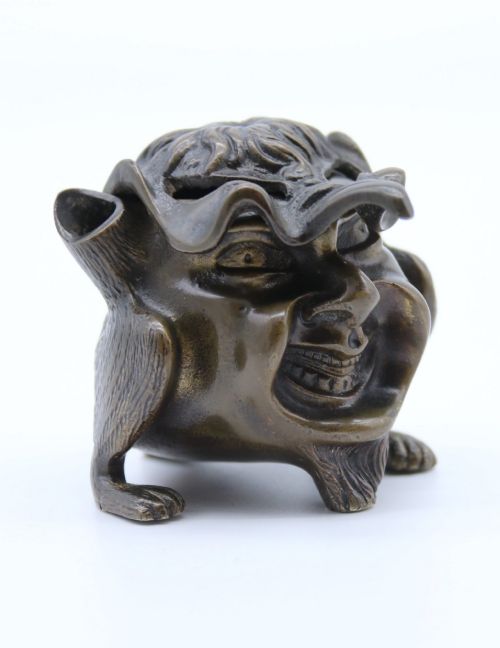
These novelty bronze desk accessories turn everyday writing tasks into charming sculptural displays of animals and figures.
Novelty Bronze Desk Accessory
A novelty bronze desk accessory serves a practical purpose on a writing table while taking the form of an animal, human figure or unusual object. When searching for a novelty bronze desk accessory, collectors encounter pieces ranging from practical inkwells and match strikers to table lighters and paperweights. The selection spans the Victorian period through to the Art Deco era, capturing a distinct taste for playful utility.
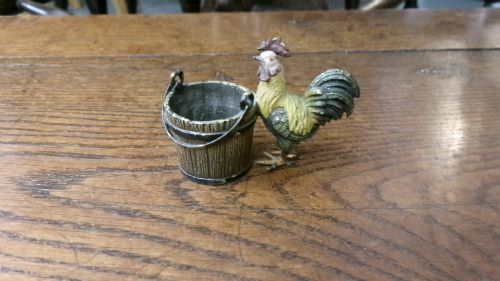
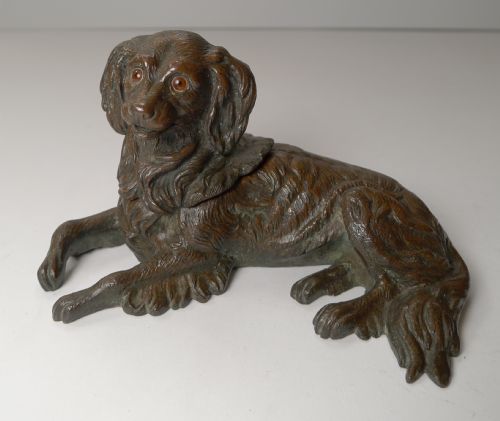
Animal figures dominate the form, with dogs, birds, monkeys and farm animals appearing frequently as inkwells and desk tidies. Pieces emerge from various European origins, including French, English and Austrian workshops, often rendered with whimsical details like glass eyes or painted surfaces. Desk sets and multi-inkwell stands offer larger domestic displays for the writing desk.
How they were made
Foundry workers cast these pieces using traditional bronze and ormolu techniques, often finishing surfaces with cold-painted pigments or gilding. Many items incorporate fitted glass inserts for inkwells or delicate glass eyes that bring the animal figures to life.
Makers utilised alternative metals such as spelter alongside genuine bronze, combining them with wood or cut crystal bases for stability and contrast. The hand-painted finishes on cold-painted metal required skilled application to capture realistic plumage, fur and costume details.
Periods represented span the nineteenth century, Victorian era, and the early decades of the twentieth century up to the Art Deco period.
What varies in quality
The preservation of original cold-painted surfaces and the presence of matching glass inserts or original glass eyes elevate a piece above standard production. Heavier casting weights and imaginative poses distinguish works produced by accomplished foundries from simpler decorative wares.
The Novelty Bronze Desk Accessory Glossary
- Cold-painted
- A method where non-fired paint is applied to bronze surfaces, often associated with Austrian animalier figures. The technique produces vibrant coloration but remains delicate and prone to rubbing over time.
- Ormolu
- Gilded bronze produced by applying a mercury and gold amalgam to the base metal before heating. This process creates a rich, durable golden finish popular on decorative desk items.
- Spelter
- A zinc alloy used as a cheaper alternative to bronze for figural castings. It is lighter in weight and softer than bronze, frequently requiring a bronze-coloured surface finish.
- Match striker
- A functional desk accessory featuring a textured surface designed for igniting safety matches. These objects often take sculptural or figural forms to match accompanying inkwells.
- Animalier
- A nineteenth-century artistic style focusing on the realistic depiction of animals. Sculptors working in this tradition studied animal anatomy closely for naturalistic bronzes.
Novelty Bronze Desk Accessory: Frequently Asked Questions
What is a novelty bronze desk accessory?
A novelty bronze desk accessory is a functional writing desk item shaped into a figurative or humorous design. These pieces combine utility with sculpture.
Common forms include inkwells modelled as animals, match strikers shaped like boots, and cigarette lighters depicting theatrical characters.
How do I date a bronze inkwell?
Dating relies on stylistic clues, manufacturing techniques and the materials combined with the bronze. Victorian pieces often feature naturalistic animal studies.
Later items from the Art Deco period embrace stylised geometric bases and figures dressed in contemporary or theatrical costumes.
Are these desk accessories made of solid bronze?
Many pieces are cast in solid bronze or gilt bronze, whilst others utilise alternative white metals like spelter. Ormolu gilding and cold-painted finishes frequently appear on the metal surface.
Examining the underside or interior helps reveal the base metal beneath surface patination and paint.
How were these items used on a desk?
Desk accessories served specific daily writing and smoking tasks in nineteenth and early twentieth-century offices and studies. Inkwells held liquid ink beneath hinged lids.
Match strikers and table lighters provided fire for cigars or pipes, while paperweights kept loose correspondence orderly.
What care do cold-painted bronzes require?
Cold-painted bronzes require dry cleaning with a soft brush to protect the delicate, unbaked paint layers from moisture and abrasion. Direct sunlight can also fade pigments.
Handling pieces by their solid metal parts rather than painted surfaces preserves the original finish.