


Antique Bronze Inkpot
An antique bronze inkpot is a heavy desk accessory for ink and quills, cast in metal and marble to anchor a writing table.
Antique Bronze Inkpot
An antique bronze inkpot is a functional desk accessory designed to hold wet ink for writing with pens and quills. The pieces found on this page span several centuries, reaching from the seventeenth century through the Victorian and Edwardian eras up to the Art Deco and Art Nouveau periods.
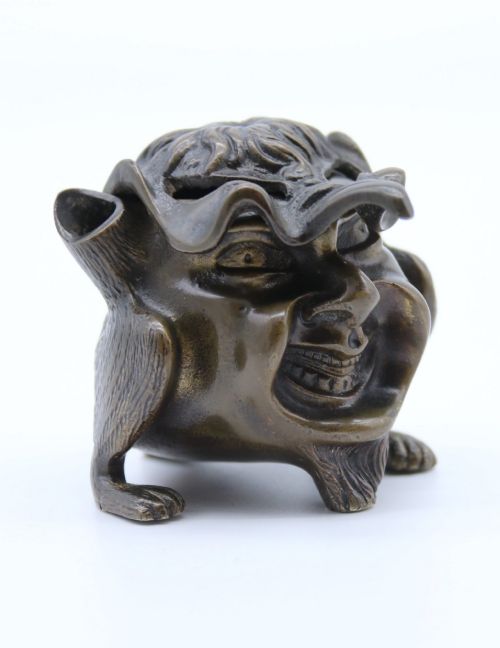
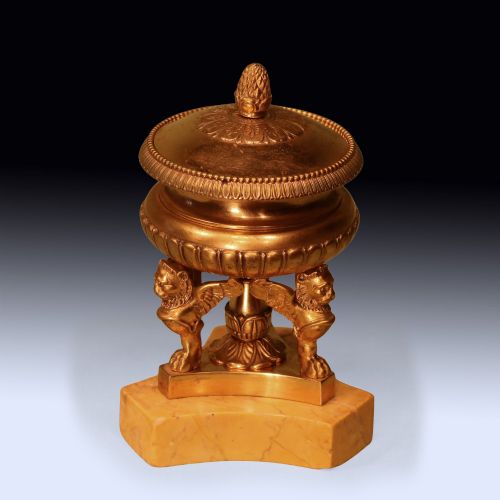
The forms vary widely across these periods, appearing as simple metal vessels, figural desk stands modeled as clowns or chicks, and mounted pairs on stone bases. French workshops produced many of the more sculptural examples seen here, incorporating materials like Sienna marble alongside the metalwork.
Buyers seeking an antique bronze inkpot will encounter various configurations, including single wells, double inkwells, and elaborate desk stands complete with pen rests. These items served a daily purpose in studies and offices before the invention of the fountain pen.
How they were made
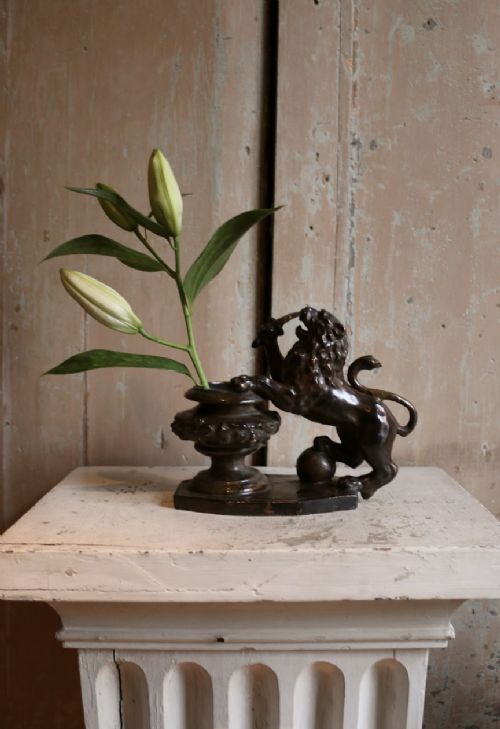
The primary material used is bronze, often worked as gilt bronze, ormolu, or patinated bronze, combined with structural elements like Sienna marble and cut crystal. Metal is cast into intricate shapes, depicting figural subjects such as grotesques and animals alongside abstract styles.
Surface treatments define much of the appearance, employing gilding and patination to alter the finish of the bronze. Stonework serves as a heavy base for metal vessels, providing stability on the desktop.
Listings feature items from the seventeenth century through to the Art Deco period of 1920.
What varies in quality
Quality in these pieces rests upon the precision of the casting and the crispness of the detail in figural subjects, from clowns to birds. Finer examples show careful attention to the chased surfaces of the bronze and the precise fit of the marble bases.
The integration of mixed materials, such as cut crystal glass containers within gilded metal mounts or ceramic elements, influences the character of the piece. The distinction lies in the ambition of the design and the skill required to execute complex cast forms.
Albert Marionnet·Jules Dalou
The Antique Bronze Inkpot Glossary
- Ormolu
- Gilded bronze, usually referring to furniture mounts and decorative objects from the eighteenth and nineteenth centuries. The technique involves applying a gold amalgam to a bronze base.
- Patinated bronze
- Metal that has been treated chemically or naturally to alter its surface colour and texture. This process highlights the underlying sculptural details of the casting.
- Sienna marble
- A yellow decorative limestone from Italy featuring dark veins and markings. It often forms the heavy rectangular or shaped base for nineteenth-century metal inkstands.
- Art Nouveau
- A decorative style from the late nineteenth and early twentieth centuries characterised by flowing, organic lines inspired by natural forms. Pieces from this era often feature whiplash curves and floral motifs.
- Inkstand
- A complete desk set holding one or more inkpots alongside accessories like pen rests and sanders. These larger desk furnishings were centrepieces for formal writing tables.
Antique Bronze Inkpot: Frequently Asked Questions
How do I date an antique inkpot?
Dating relies on the stylistic markers of periods such as Art Nouveau, Art Deco, or the Victorian era present in the casting design. Material combinations like ormolu on Sienna marble also point to specific nineteenth-century decades.
Examining the manufacturing techniques and the presence of maker signatures helps narrow the period of origin.
Were these inkpots used daily?
These pieces served as permanent fixtures on writing desks in studies, offices, and libraries. They held the ink required for dip pens and quills during everyday correspondence.
Many incorporate integrated pen rests to keep writing implements close at hand during use.
How should I display an inkpot?
An antique bronze inkpot suits placement on wooden desks, tables, or bookshelves as a decorative object. Their weight and contrasting materials make them effective focal points in a room.
Keeping them away from excessive moisture preserves the bronze surface and any associated marble or crystal components.