
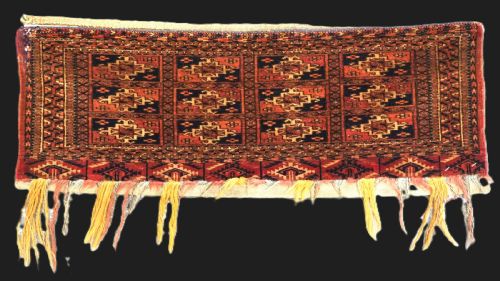


Nomadic Woven Trappings
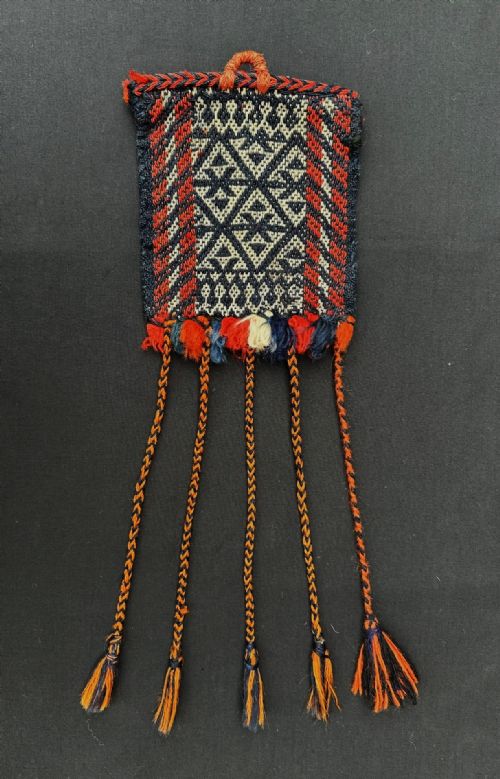
Nomadic woven trappings are utilitarian and ceremonial animal covers and bags made by tribal makers across Central Asia and Persia, prized for their saturated natural palettes and potent tribal iconography.
Nomadic Woven Trappings
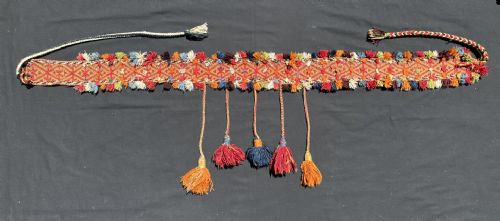
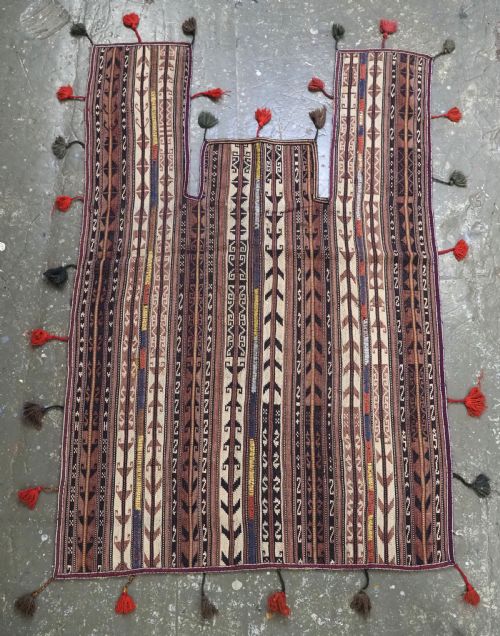
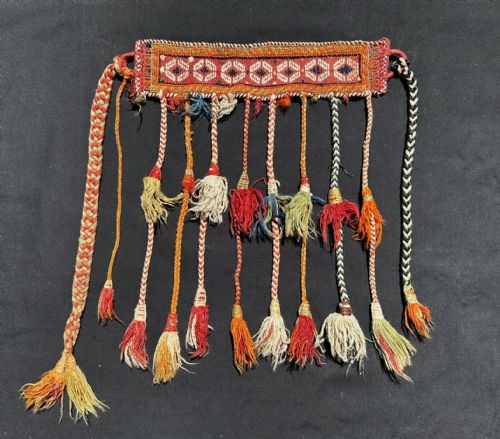
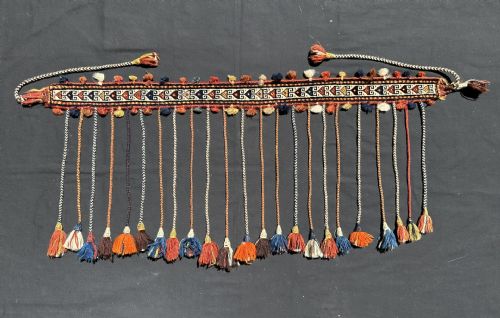
When buyers search for nomadic woven trappings, they encounter functional items created for tribal life, including camel and horse neck dress garments, saddle covers, horse blankets, and storage bags. These pieces originate from distinct tribal groups such as the Turkmen, Qashqai, Baluch, and Afshar across regions spanning Turkmenistan, Afghanistan, and Persia.
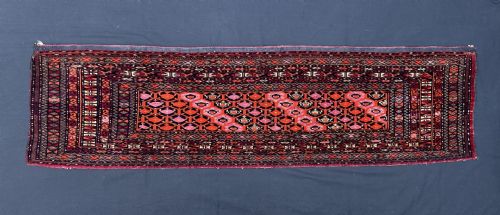
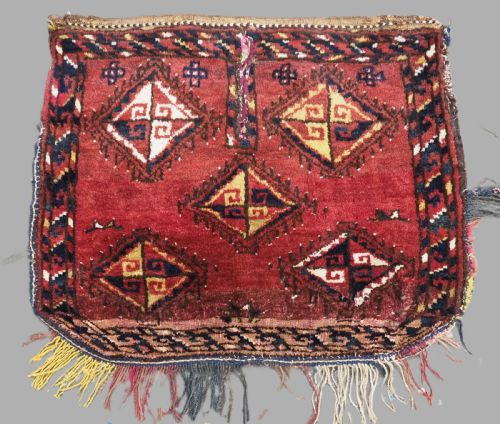
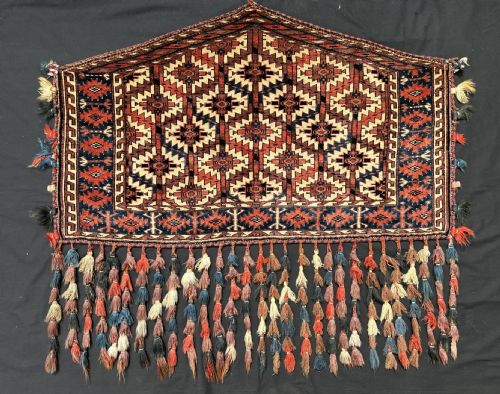
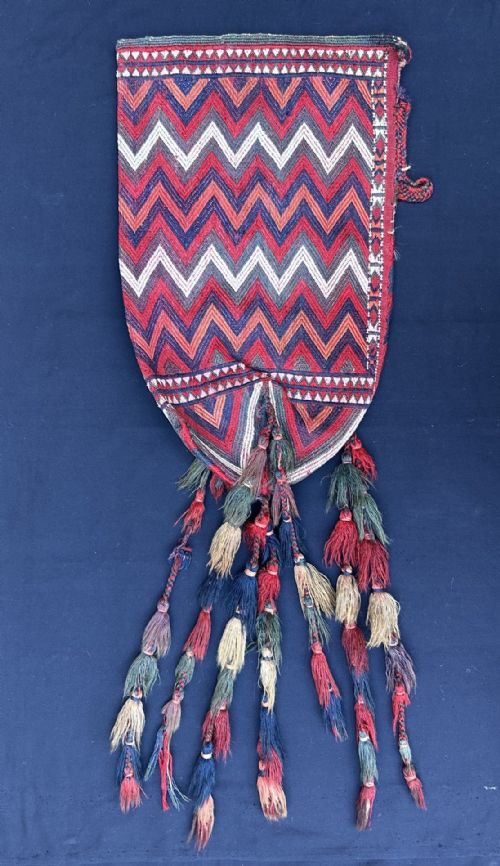
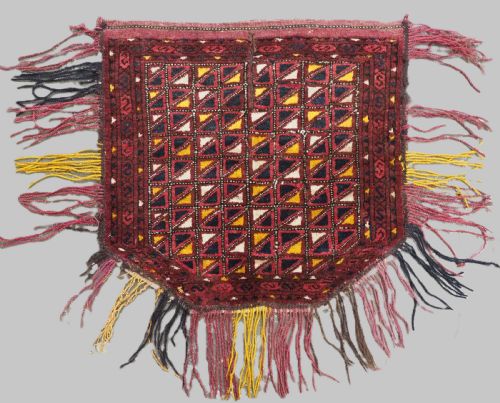
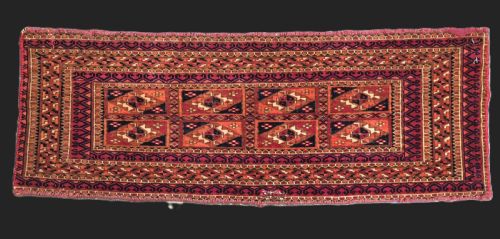
The selection on this page centres predominantly upon torbas, chuvals, and asmalyks originating from late nineteenth and early twentieth-century makers. These include utilitarian storage pieces alongside ceremonial animal decorations intended for weddings and transit.
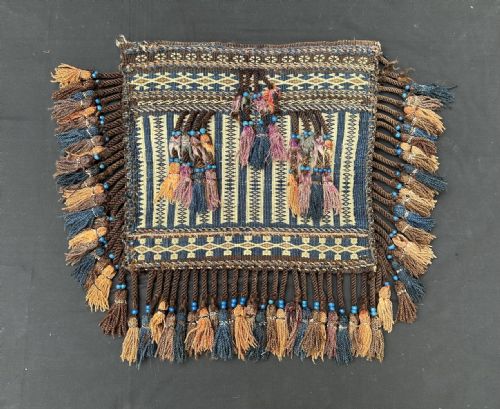
Forms vary from small dowry weavings and vanity bags to large horse blankets and tent furnishings. Each category reflects the specific utilitarian and ritual requirements of the tribe that produced it.
Assessing Quality
Knot density and structural fineness separate standard utility pieces from exceptional dowry weavings created for significant tribal ceremonies. Fine weave examples demonstrate meticulous technical control by the artisan.
The vibrancy and depth of the natural dyes directly influence the visual impact of the design elements. Consistency in wool preparation and palette saturation elevates certain tribal textiles above simpler utilitarian counterparts.
The listings demonstrate pieces produced between eighteen-fifty and nineteen-twenty across Turkmenistan, Afghanistan, and Persia.
The Nomadic Woven Trappings Glossary
- Torba
- A small storage bag produced by Turkmen tribes, traditionally utilised inside the yurt for household possessions. These items frequently display primary guls and detailed border work.
- Chuval
- A large storage sack woven by nomadic groups for bedding and heavy belongings during seasonal migrations. Their broad formats accommodate extensive repeating tribal motifs.
- Asmalyk
- A pentagonal ceremonial trapping mounted on wedding camels during marriage processions. These decorative pieces represent some of the most elaborate weaving achieved by tribal groups.
- Gul
- A medallion motif repeated across Turkmen carpets and trappings to signify specific tribal lineages. Each distinct pattern identifies the particular sub-tribe of the maker.
- Mafrash
- A rectangular storage container or bag face used in pairs within nomadic tents. They exhibit structural flat-weave or pile techniques tailored for heavy utility.
Nomadic Woven Trappings: Frequently Asked Questions
What are nomadic woven trappings?
These pieces comprise functional and ceremonial textiles created by tribal communities in Central Asia and Persia. They include animal covers for horses and camels, alongside storage bags utilised within nomadic tents.
Items range from large wedding trappings to small personal vanity bags. Each object served a specific domestic or ritual purpose within tribal daily life.
How were these trappings used?
Nomadic families utilised storage bags to organise household goods inside portable dwellings during migrations. Animal trappings served decorative and ceremonial functions during weddings and transit.
Large horse blankets and neck dress garments adorned mounts for special rituals. Smaller bags held personal possessions or dowry items.
How do I live with nomadic trappings?
These textiles adapt well to domestic environments as wall hangings or accent pieces on furniture. Their durable wool construction suits placement in low-traffic areas of the home.
Protecting the textiles from direct sunlight preserves the natural dyes. Gentle mounting supports the weight of older woven structures.