
Nomadic Wool Bag
When you search for a nomadic wool bag, you enter a world of utilitarian tribal weaving designed for portable lives across Persia, Central Asia and Afghanistan.

Nomadic Wool Bag
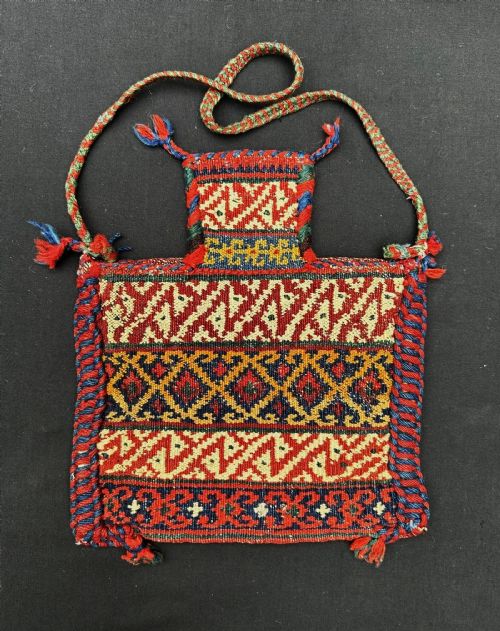
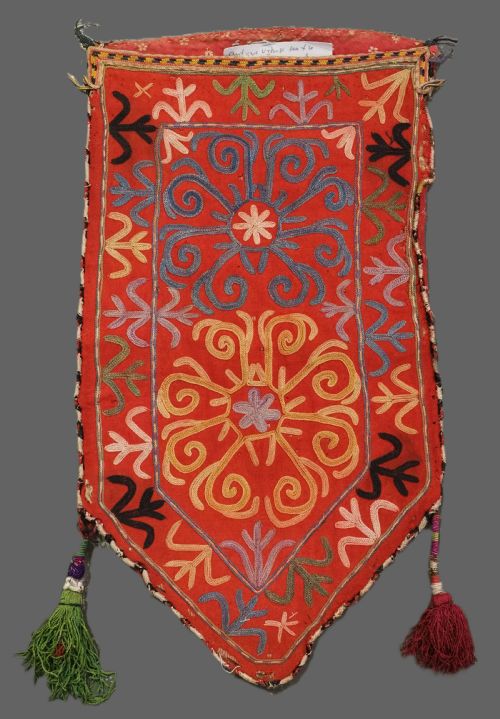
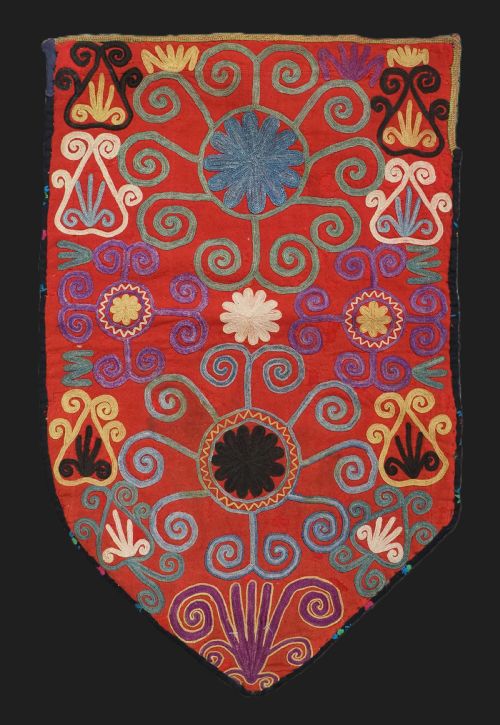
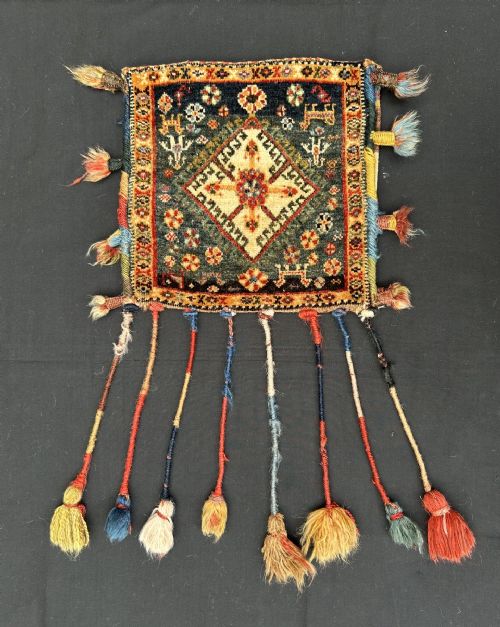
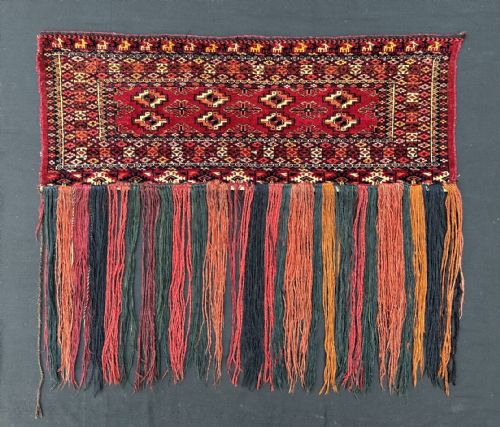
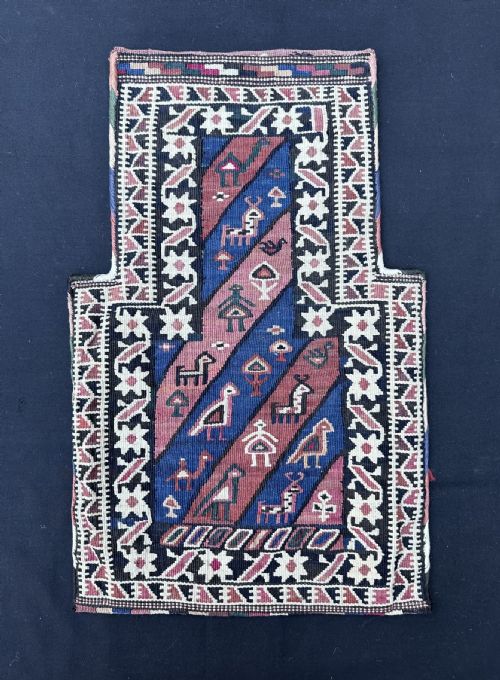
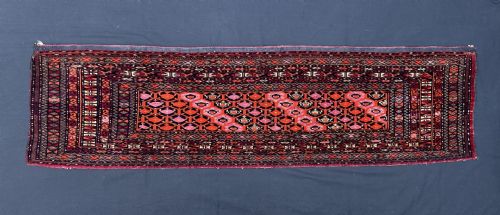
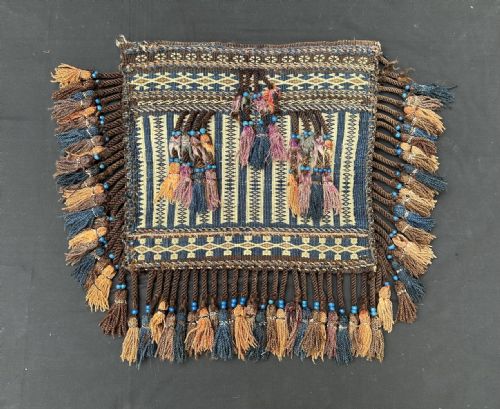
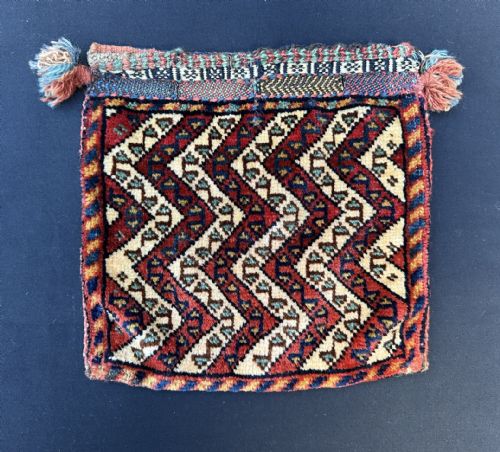
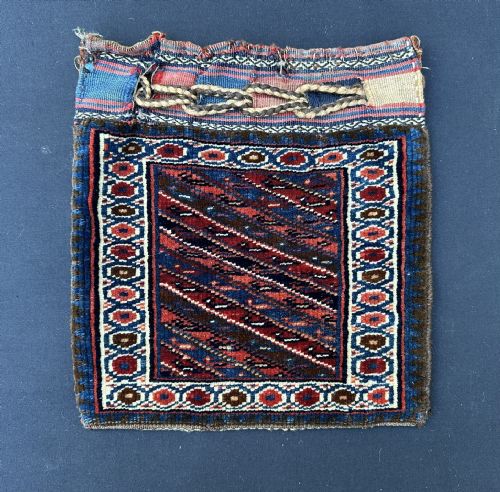
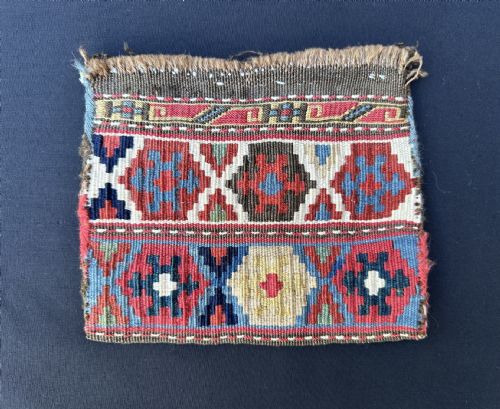
A nomadic wool bag encompasses functional containers woven by tribal groups for daily use, including storage sacks, salt bags, vanity pouches and saddle bags. The pieces encountered here span from the mid-nineteenth century into the early twentieth century, originating from regions such as Fars Province, Khorassan and the Trans-Caspian steppes.
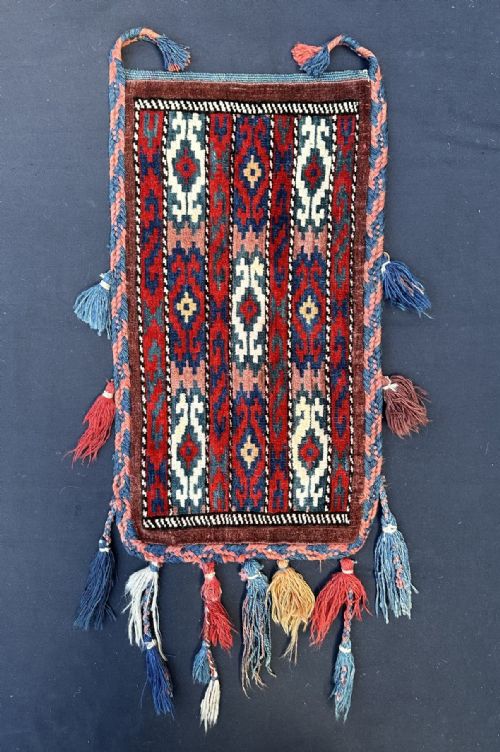
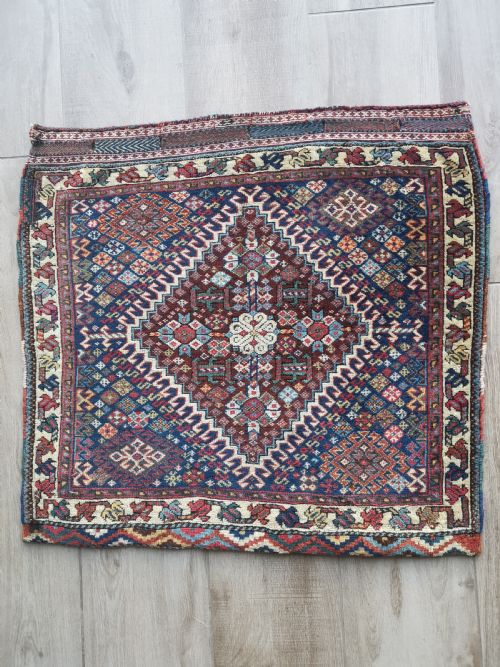
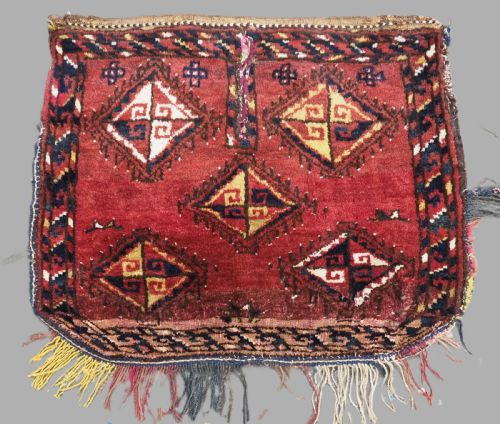
Specific regional forms frequently appear on this page, such as Turkmen chuvals and torbas, Qashqai saddle bags, and Baluch utility pouches. Each tribal confederacy utilised distinct structures and motifs to denote identity and practical purpose within pastoral households.
The materials reflect the pastoral environment, constructed primarily from wool and hand-spun wool, occasionally reinforced with cotton or silk foundations. Surface decoration sometimes incorporates cowrie shells and glass beads alongside natural dyes.
Materials and Construction
Weavers relied on hand-spun wool for its resilience and capacity to absorb natural dyes derived from local plants and minerals. This wool formed the dense pile and flat-weave structures necessary to withstand the rigours of transport and daily camp life.
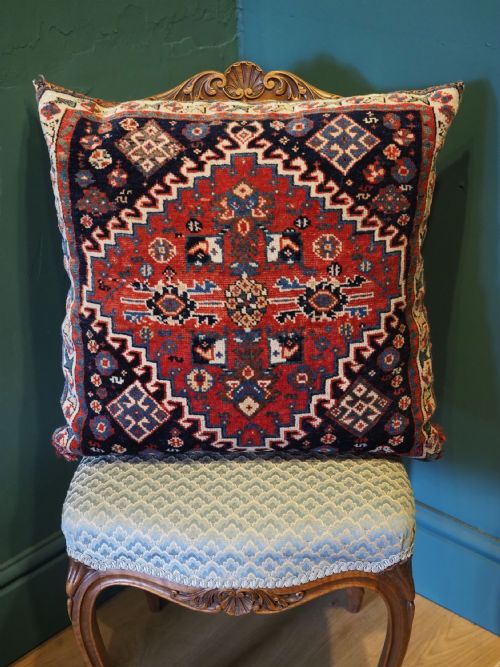
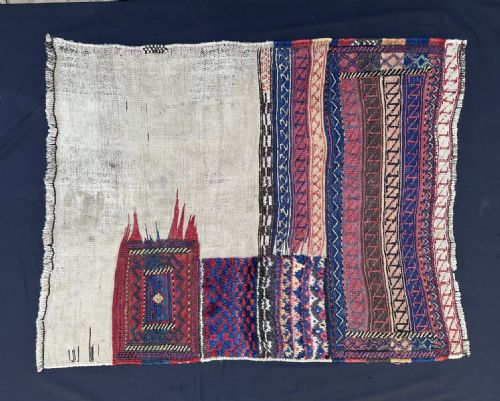
Techniques varied between pile knotting for cushion faces and durable flat-weave methods like Soumak or plain weave for the backs and sides of storage containers. Artisans occasionally integrated supplementary materials such as cotton for structural stability and silk for delicate highlights.
Nomadic Wool Bag Retail Price Guide 2026
Typical asking prices for nomadic wool bag among the pieces listed under this phrase on Sellingantiques today, from the lower quarter to the upper quarter. They describe what is for sale here now, not the wider market.
Several bags retain original cowrie shells and glass beads, once sewn on to ward off the evil eye during long desert migrations.
Evaluating the Weaving
Quality rests upon the fineness of the weave, the clarity of the natural dye palette, and the integrity of the remaining structure. Finer knot density and precise execution of tribal motifs distinguish superior examples from standard utility items.
The survival of original flat-weave backs, complete closures, and supplementary embellishments like glass beads or cowrie shells elevates the integrity of a piece. Artisanal skill appears in the balance of proportion and the disciplined rhythm of repeated tribal guls or geometric borders.
The Nomadic Wool Bag Glossary
- Chuval
- A large tent-storage bag used by Turkmen tribes for bedding and household possessions. These face pieces often display repeating gul motifs.
- Torba
- A smaller storage bag traditionally hung against the interior wall of a nomadic tent. They frequently served specific domestic functions within the tribal household.
- Chanteh
- A small tribal vanity bag or personal carrier used by nomads for holding small possessions. They often feature intricate pile work on the face.
- Gul
- A medallion or repeating octagonal motif used by Turkmen and other Central Asian tribes. Each design element often identifies a specific tribal lineage.
Nomadic Wool Bag: Frequently Asked Questions
How do I care for an antique tribal bag?
Protect the wool fibres by keeping the piece out of direct sunlight to prevent natural dye fading. Gentle vacuuming through a mesh screen removes dust without disturbing the weave.
Avoid chemical cleaners and consult a specialist textile conservator for washing or structural repairs.
How can I tell different tribal designs apart?
Tribal attribution relies on characteristic colour palettes, structural techniques and specific recurring motifs unique to groups like the Qashqai, Shahsevan or Turkmen. Examining the border arrangements and secondary colours often reveals the regional origin.
Familiarity with regional knotting styles and materials helps distinguish pieces from neighbouring geographical areas.
Are these bags complete with backs?
Some surviving examples retain their original flat-weave plain backs and closure systems, while others survive as bag-faces separated from their reverse sides. Both complete pieces and fragments hold distinct interest for collectors depending on their condition and structural integrity.