


Nomadic Persia Carpet
When you search for a nomadic persia carpet, you encounter hand-knotted tribal floor coverings made by various weaving groups across nineteenth and early twentieth-century Persia.
Nomadic Persia Carpet
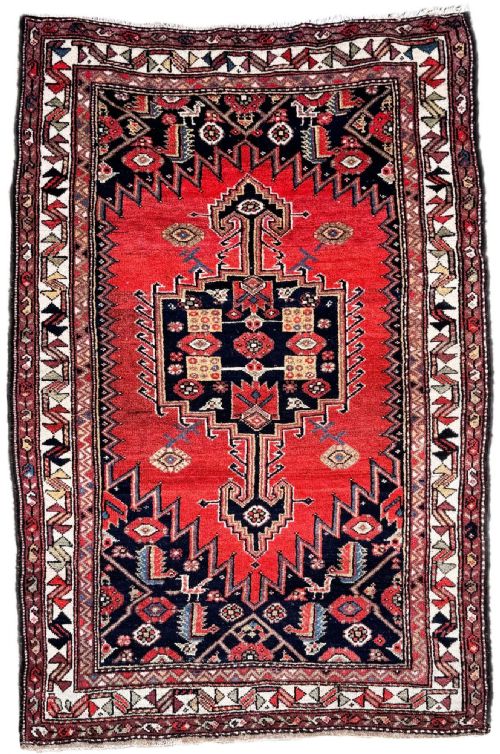
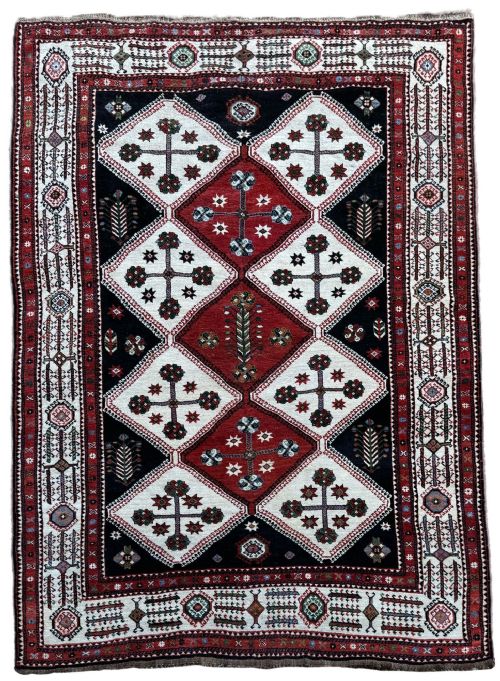
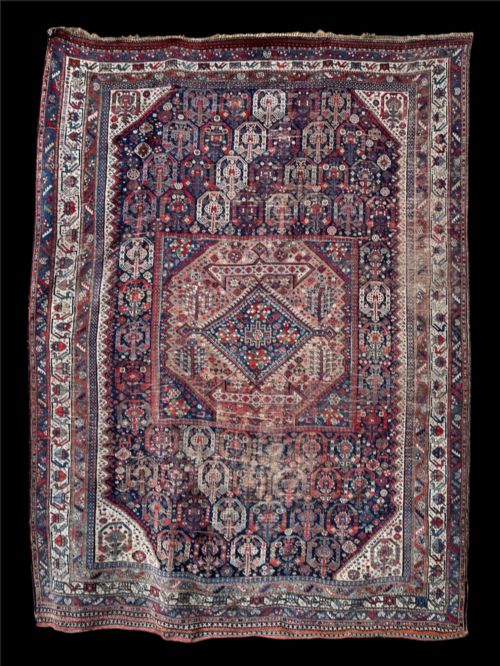
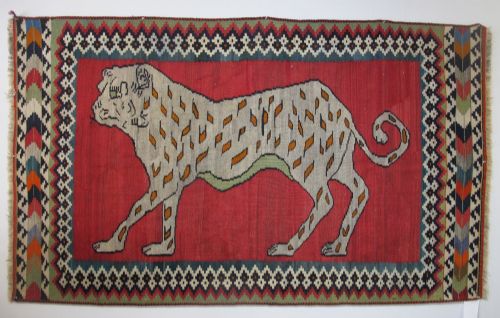
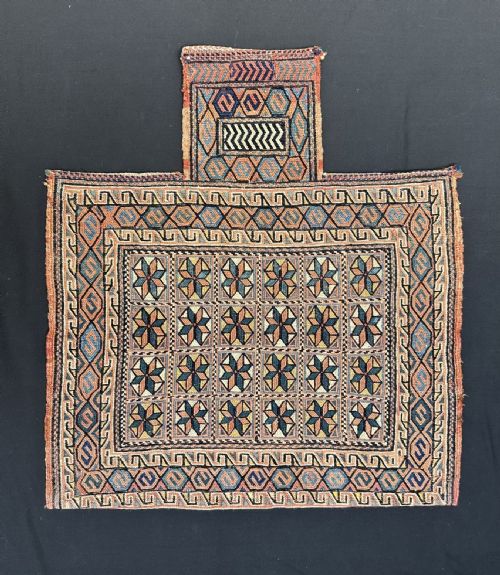
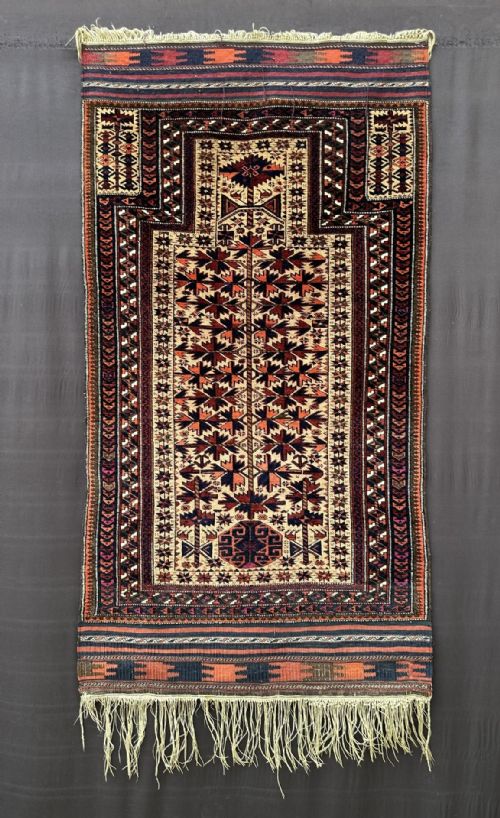
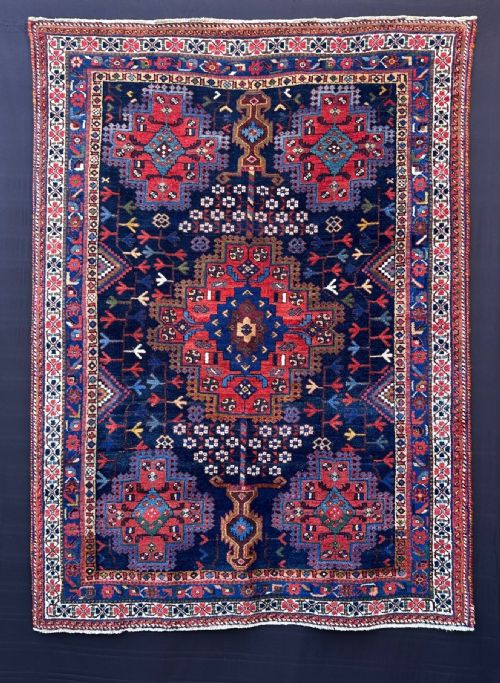
When searching for a nomadic persia carpet, a buyer discovers floor coverings and flatweaves produced by regional tribes such as the Qashqai, Khamseh, Afshar, Luri, and Baluch. These textiles range from compact saddlebags and prayer rugs to larger area carpets woven in southern, western, and eastern regions of the country.
The pieces on this page span the nineteenth century and the early decades of the twentieth century, reflecting traditional tribal patterns including geometric medallions, all-over repeating motifs, and figurative designs like lions or peacocks. They served practical domestic functions within nomadic and village life before entering the collector market.
Materials and construction
Weavers constructed these carpets predominantly using wool foundations and pile, occasionally incorporating cotton or camel hair for contrast and structural durability. The materials derived directly from local pastoral resources available to the specific tribes.
Makers utilised natural dyes to colour the wool, yielding rich palettes that evolved through vegetable and mineral mordants. These organic colourants create subtle tonal variations across the field of each rug over time.
Listings feature pieces spanning from the mid-nineteenth century up to the 1930s, utilising wool, cotton, camel hair, and natural dyes.
Variations in quality
The distinction between standard examples and superior pieces rests upon the precision of the knotting and the complexity of the tribal design. Finer specimens display tightly packed foundations and intricately resolved iconography such as specific regional guls or pictorial elements.
Condition and integrity of the original borders and selvedges also separate pieces within the range. Well-preserved examples retain their original dimensions and dye saturation without extensive restoration.
The Nomadic Persia Carpet Glossary
- Kilim
- A flatwoven textile produced without a pile, often utilised for floor coverings, covers, or utilitarian storage bags.
- Sofreh
- A specialised dining or spread kilim traditionally used by tribal groups for sharing meals.
- Gul
- A repeating medallion or octagonal motif characteristic of carpet designs associated with specific regional tribes.
- Ru Korssi
- A decorative cover traditionally placed over a low table enclosing a heat source during colder months.
Nomadic Persia Carpet: Frequently Asked Questions
How do I identify tribal carpets?
Tribal carpets are identified by their characteristic geometric motifs, asymmetric village structures, and regional colour palettes associated with specific groups like the Qashqai or Baluch.
These pieces often display abrash, which is the natural variation in dye shades caused by successive batches of wool or colourant during production.
Where were these textiles made?
The pieces originated across various provinces of Persia, including Fars in the south-west, Kerman, Luristan, and the north-eastern borderlands.
Different tribes migrated through or settled in these distinct geographical territories, imparting local design traits onto their weaving.
How should I care for a rug?
Protect antique tribal carpets from direct sunlight to prevent fading of the natural dyes, and rotate them periodically to ensure even wear.
Professional cleaning suited to antique wool textiles helps maintain the integrity of the natural fibres and foundation.
What is a saddlebag face?
A saddlebag face is the surviving front panel of a larger utilitarian animal bag originally used for transport during nomadic migrations.
Weavers decorated these small formats with dense tribal patterns, making them desirable decorative items for modern interiors.