


Luri Tribal Area Rug
These luri tribal area rug examples offer authentic West Persian weaving, bringing rich heritage patterns and enduring floor coverings into your home.
Luri Tribal Area Rug
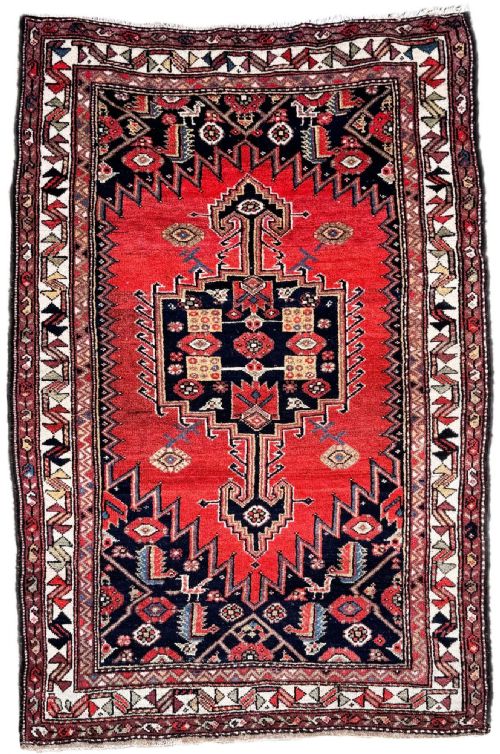
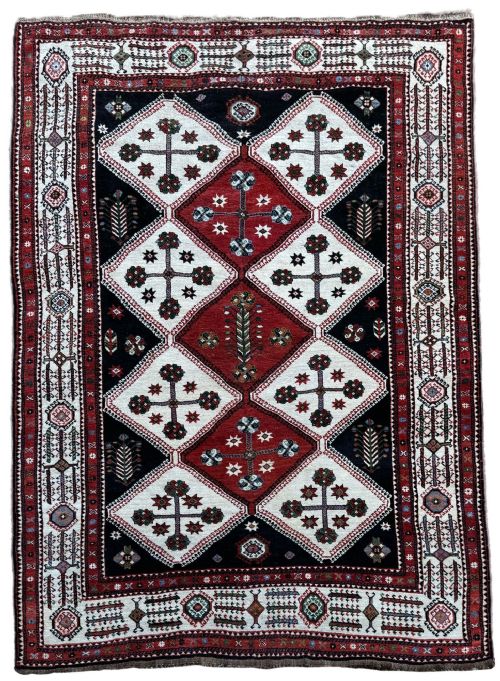
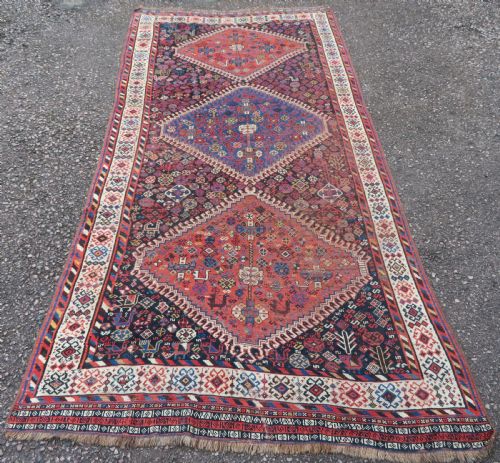
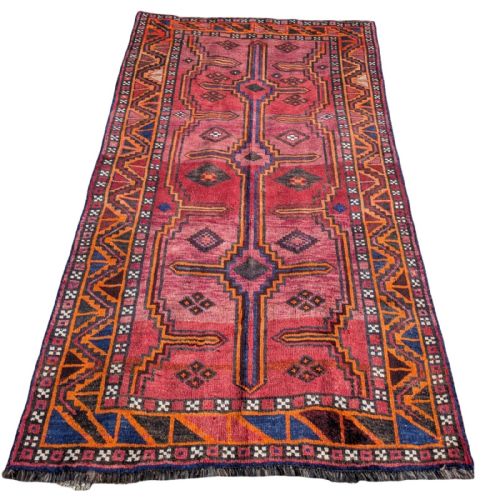
A luri tribal area rug originates from the nomadic and village weavers of Luristan in West Persia, capturing centuries of regional expression. These pieces range from compact saddle bag faces to larger formats such as kelteh rugs and full carpets.
Buyers encountering this selection will discover works spanning the late nineteenth century through to the early decades of the twentieth century. The designs frequently intersect with Qashqai and Khamseh stylistic traditions, reflecting shared tribal motifs across the region.
Formats vary significantly, from smaller nomadic floor coverings to substantial carpets measuring over three metres in length. Each rug embodies the distinct utilitarian and aesthetic choices of Luri weavers working within Persian traditions.
Materials and construction
The primary material found across these pieces is wool, often prepared as hand-spun wool to create durable, textured piles. This natural fibre provides the structural integrity necessary for nomadic floor coverings intended for heavy daily use.
Weavers employed traditional hand-weaving techniques passed down through generations in Luristan, resulting in sturdy foundations and dense pile surfaces. The use of hand-spun wool allows for subtle variations in texture and dye absorption across the surface of each carpet.
Listings feature pieces dated across the nineteenth century, 1880, 1890, 1900, 1920, and 1930, utilising wool and hand-spun wool.
Assessing quality in Luri weaving
Quality in a luri tribal area rug lies in the precision of the weave and the clarity of the design motifs. Finer examples display tightly packed knots and well-defined pictorial elements such as tree of life patterns, flowers, and birds.
The sophistication of the composition and the handling of secondary tribal influences, such as Qashqai or Khamseh interest, distinguish superior pieces. Structural integrity and the careful preservation of the original pile and borders further elevate a rug's standing.
The Luri Tribal Area Rug Glossary
- Luristan
- A mountainous region in West Persia historically inhabited by Luri tribes renowned for distinctive rug and carpet weaving. This geographical area defines the cultural origin of the pieces.
- Kelleh
- A large format rectangular rug, typically longer than a standard room-size rug, suited to specific traditional interior layouts. These elongated carpets provide impressive coverage.
- Saddle bag face
- The decorative front portion of a utilitarian animal transport bag, preserved and collected as a small-scale rug. These compact pieces showcase concentrated tribal designs.
- Hand-spun wool
- Yarn produced manually using a drop spindle or wheel, resulting in irregular thickness and varied dye uptake that gives antique carpets their characteristic warmth. This traditional preparation method underpins genuine nomadic textiles.
- Tree of life
- A symbolic pictorial motif representing creation and the connection between earth and heaven, frequently rendered in tribal carpets. This imagery appears across various regional weaving traditions.
Luri Tribal Area Rug: Frequently Asked Questions
Where were Luri rugs made?
These rugs were produced by nomadic and village weavers belonging to the Luri tribes residing in Luristan, located in West Persia. The region has a deep history of pastoral weaving traditions.
Production centres on specific tribal groups whose designs often share visual vocabulary with neighbouring nomadic confederations like the Qashqai and Khamseh.
How old are these carpets?
The pieces available range from the nineteenth century up to the 1930s, encompassing key periods of traditional tribal weaving.
Dates are determined through material analysis, construction methods, and stylistic comparison with established historical examples from Persian nomadic groups.
What is a saddle bag face?
A saddle bag face is the decorative exterior panel of a utilitarian double pouch used by nomads for transport on animals. Once separated from the back panel, these panels function as small decorative rugs.
They offer a concentrated display of tribal artistry and knotting technique within a compact rectangular format.
How do I care for an antique rug?
Care involves gentle vacuuming without a rotating brush and professional cleaning when necessary to protect the natural wool fibres. Keeping the rug out of direct, harsh sunlight preserves the natural dyes.
Using a suitable underlay prevents sliding and reduces friction between the floor and the antique foundation.