


Red Luri Rug
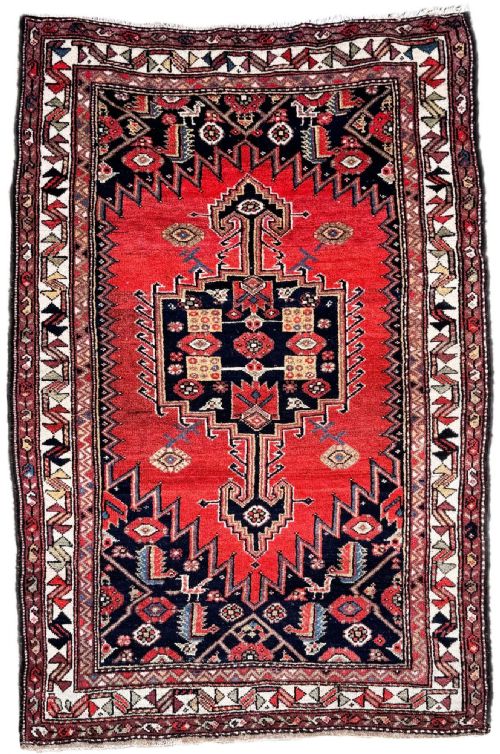
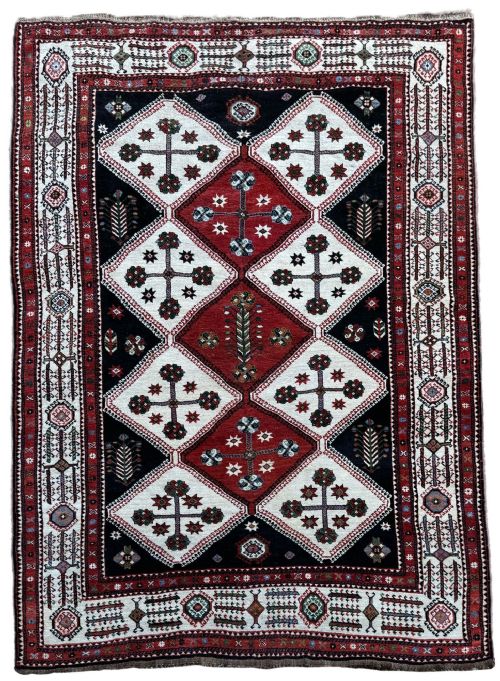
A red luri rug brings the robust tribal artistry of western Persia into a room through dense wool and saturated natural dyes.
Red Luri Rug
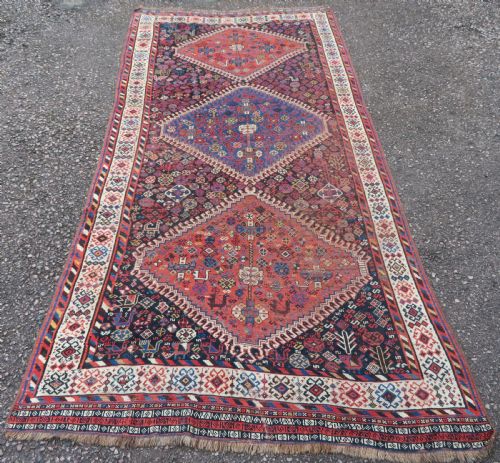
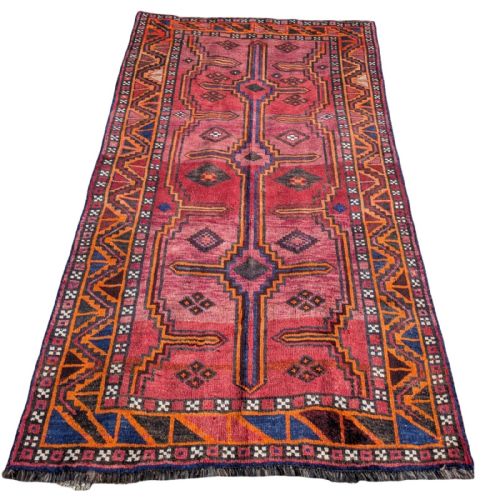
A red luri rug originates from the tribal groups of western Persia, specifically the Luristan region, and appears in various formats ranging from small bag faces to larger floor carpets. Buyers encounter traditional room-sized carpets alongside smaller nomadic formats like saddle bags and long runners.
The aesthetic is distinctly tribal and Persian, often incorporating geometric patterns, tree of life motifs, or depictions of birds and flowers. These textiles reflect the utilitarian and decorative output of nomadic and village weavers working across the nineteenth and early twentieth centuries.
What varies in quality
Quality rests in the fineness of the knotting and the crispness of the tribal design, which distinguishes standard utilitarian weaving from exceptional artistic output. Tighter construction and more articulate pictorial elements indicate superior craftsmanship.
The vibrancy and retention of the natural dyes also set pieces apart, as skilful colour mixing creates lasting richness across the field and borders. Balance in the composition and integrity of the original wool foundation complete the distinction.
Several rugs carry unexpected avian and floral visitors woven directly into the geometric tribal fields.
The Red Luri Rug Glossary
- Sofreh
- A flatwoven spread or cloth used by nomadic tribes for kneading dough and sharing meals. These utilitarian textiles often feature striking geometric designs.
- Kelleh
- A long, narrow format rug traditionally suited for specific architectural spaces within Persian homes. It shares the dense knotting of larger floor carpets.
- Saddle Bag
- A double-sided container used for transport on animals, often separated into individual bag faces by collectors. They display concentrated tribal motifs.
- Natural Dyes
- Colourants derived from plants, insects, and minerals rather than synthetic compounds. They produce organic tones that age with subtle variation.
- Pile
- The vertical or diagonal loops of yarn that form the soft surface of a knotted rug. It provides both texture and protection to the foundation.
Red Luri Rug: Frequently Asked Questions
Where do red luri rugs come from?
These rugs originate from the Luri tribes residing in Luristan and western Persia. The weavers produced them within nomadic and village settings.
The regional traditions incorporate distinct Persian tribal motifs and weaving techniques tied to the Chahar Mahal area and surrounding districts.
How do I care for an old tribal rug?
Protect the wool pile by placing the rug in areas with moderate foot traffic and avoiding direct, harsh sunlight. Regular gentle vacuuming without a beater bar removes trapped dust.
Professional cleaning suited to antique textiles preserves the natural dyes and hand-spun fibres over years of domestic use.
What is a saddle bag face?
A saddle bag face is the front panel of a utilitarian transport bag made by nomadic weavers. Collectors often frame or display these panels independently.
They concentrate complex tribal designs into a smaller format, offering a distinct glimpse into regional weaving patterns.
How can I tell the age of these rugs?
Age assessment relies on examining the hand-spun wool, the composition of the natural dyes, and the wear patterns across the pile. Stylistic markers also provide clues to the production era.
Pieces originating from the nineteenth and early twentieth centuries display structural characteristics distinct from later commercial weaving.