



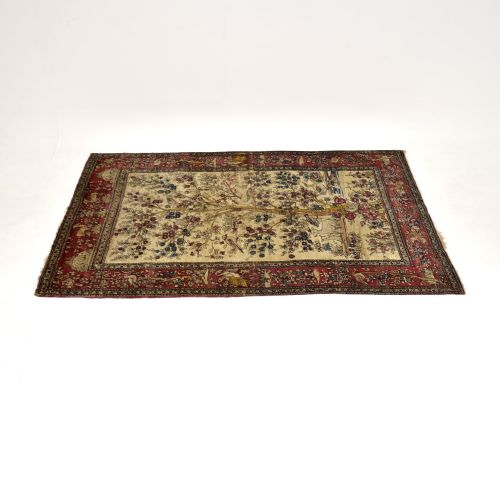

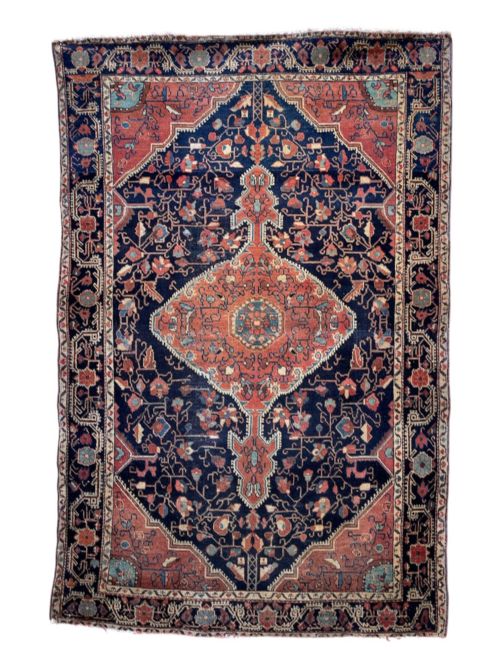
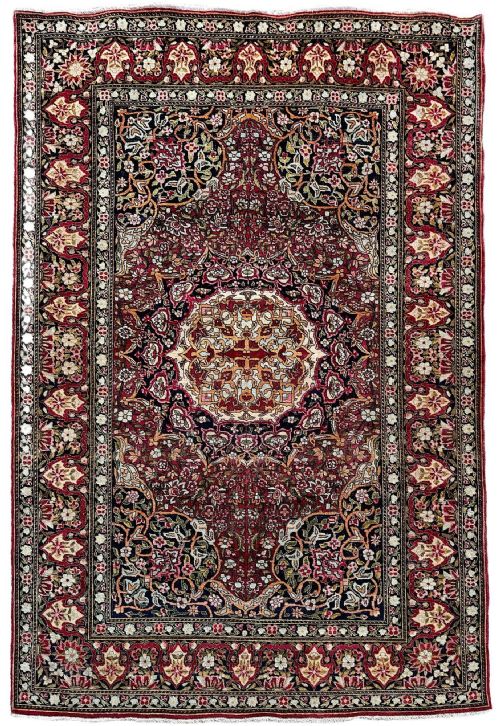

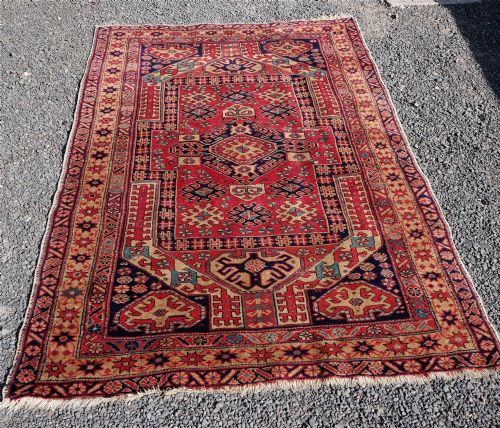
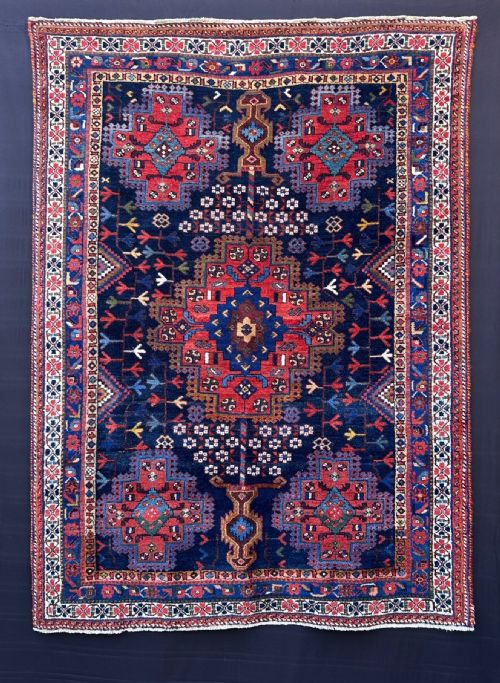
Traditional Red Persian Rug
A traditional red persian rug brings centuries of woven heritage into a room, offering rich botanical and geometric motifs rooted in village and city workshops.
Traditional Red Persian Rug
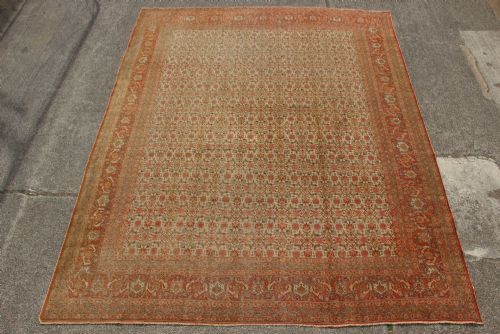
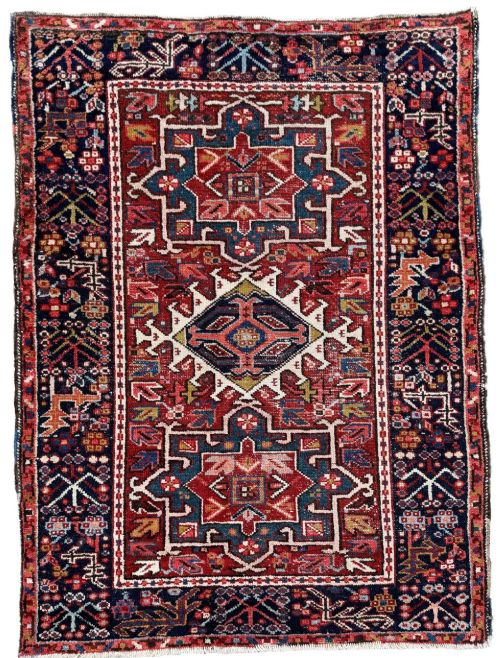
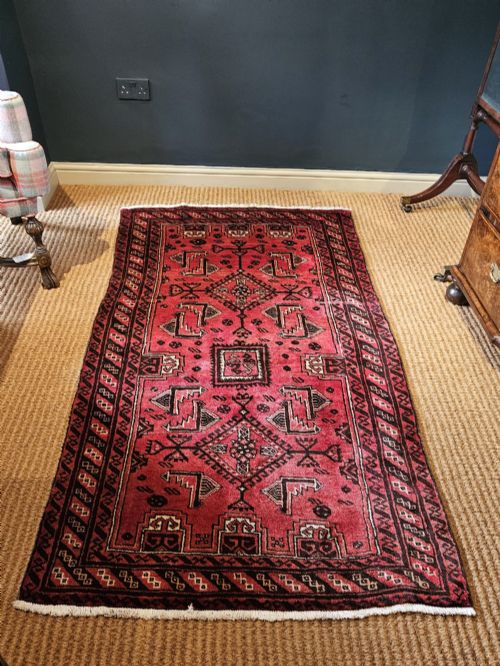
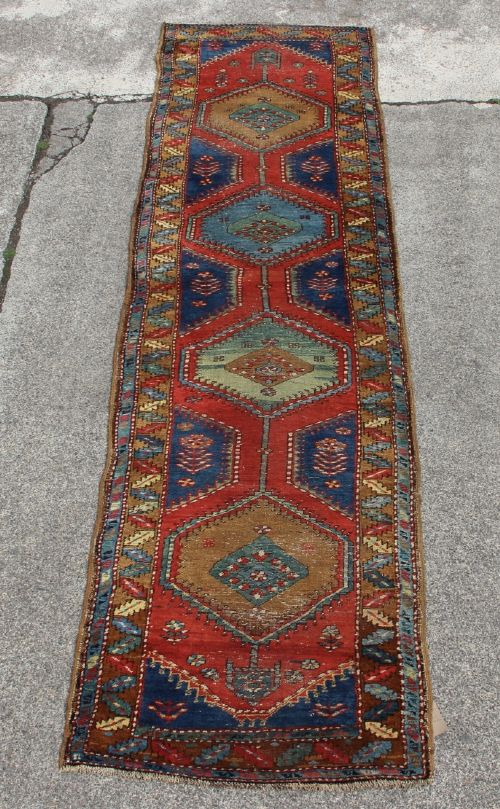
A traditional red persian rug encompasses hand-knotted floor coverings originating from various Persian regions, dating primarily from the nineteenth and twentieth centuries. Buyers encounter formats ranging from small hearth rugs and area sizes to long hallway runners and large carpets.
The selection reflects distinct regional weaving traditions, including Heriz, Saroukh, Bakhtiar, and Hamadan styles. These pieces showcase a spectrum of red hues, from deep rust and terracotta to vibrant crimson backgrounds.
Makers include both settled urban workshops and nomadic or village weavers working across regions like South Persia, Kurdistan, and Northwest provinces. Each piece translates local storytelling and motifs into enduring textile art.
How they were made
Construction relies heavily on durable wool foundations and pile, often complemented by cotton warps and wefts for structural stability. Certain finer examples incorporate silk highlights to accentuate specific details within the design.
Weavers employed manual hand-knotting techniques, securing wool loops tightly to the warp threads before shearing the pile to an even length. Natural dyes yielded the characteristic red ground colours that deepened gracefully with age.
Listings span periods from the nineteenth century through the 1960s, predominantly utilising wool and cotton.
What varies in quality
Knot density and structural tightness dictate the crispness of the pattern and the resilience of the pile under foot. Finer knotting allows intricate curvilinear medallions and complex floral sprays to render with exceptional clarity.
The quality of the wool and the depth of the dye work determine how the red background ages and maintains its lustre. Superior materials retain supple lanolin and resist heavy wear better than coarser alternatives.
Saroukh·Heriz·Bakhtiar·Isfahan·Kashan
The Traditional Red Persian Rug Glossary
- Medallion
- A central ornamental motif dominating the field of the rug. It often takes a circular, oval, or lobed geometric form.
- Warp
- The vertical threads stretched lengthwise on the loom that form the skeleton of the rug. Fringe ends typically consist of these exposed threads.
- Weft
- The horizontal threads passed alternately over and under the warp threads to hold the knots in place. They provide lateral stability to the woven structure.
- Pile
- The vertical tufts of wool, cotton, or silk that form the soft surface of the rug. Pile height varies depending on whether the rug was woven by nomadic or settled urban artisans.
- Heriz
- A style originating from a region in Northwest Persia known for bold geometric patterns and large central medallions. These rugs utilise durable wool suited for heavy domestic traffic.
Traditional Red Persian Rug: Frequently Asked Questions
How do I clean an antique rug?
Gentle surface brushing and professional specialist washing preserve the natural wool fibres and dyes.
Avoid harsh chemical detergents and heavy soaking to protect the integrity of the cotton and wool foundation.
Can I place a runner in a hallway?
Narrow formats serve well in hallways, entryways, and corridors where foot traffic benefits from a durable wool pile.
Utilising a quality underlay prevents slipping and cushions the textile against hard stone or wooden floors.
What causes the red colour variations?
Natural dyestuffs like madder root produce varying shades of red depending on the water, mordants, and local plant sources used.
Subtle shifts in tone across the rug, known as abrash, indicate natural dyeing processes rather than synthetic uniformity.
How do I distinguish regional styles?
Geometric designs with bold corners typically point towards Northwest weaving centres like Heriz or Bidjar.
Curvilinear floral sprays and intricate central medallions more commonly indicate production in cities such as Kashan or Isfahan.