




Nomadic Flatweave Textile
When you handle a nomadic flatweave textile, you touch the daily migration of tribal life preserved in wool.
Nomadic Flatweave Textile
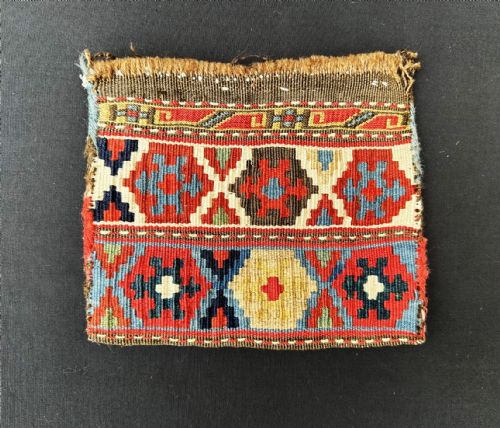
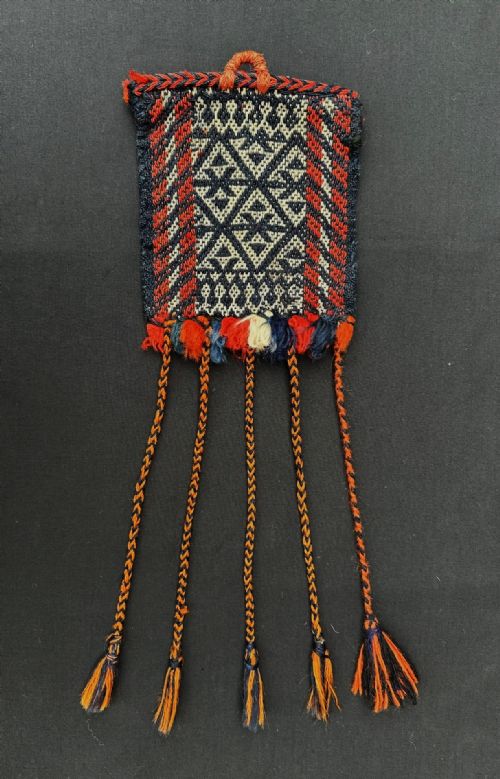
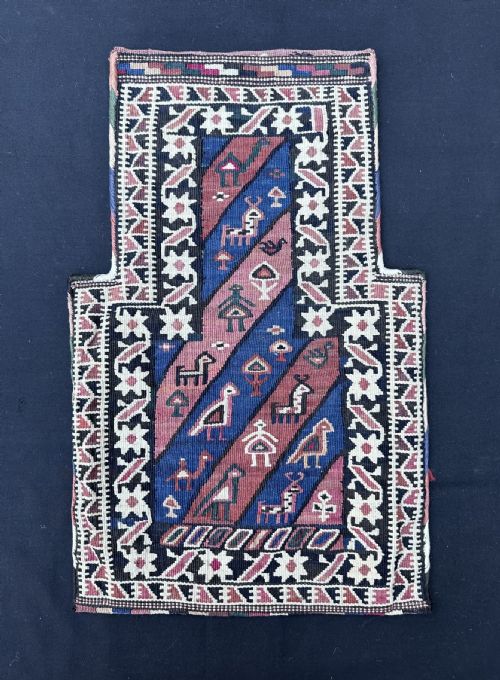
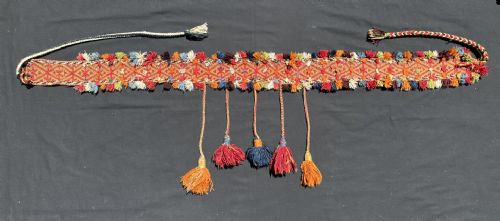
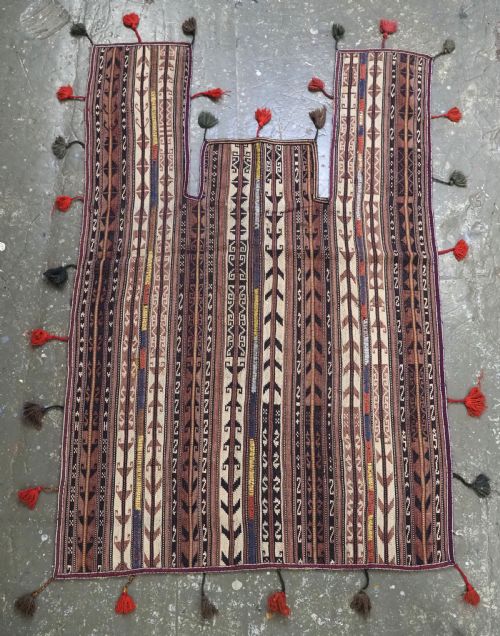
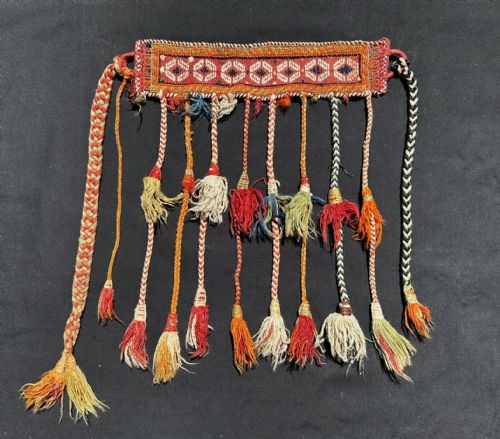
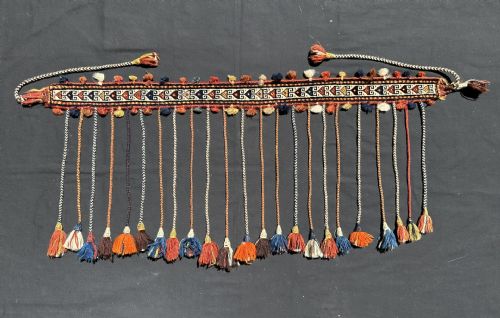
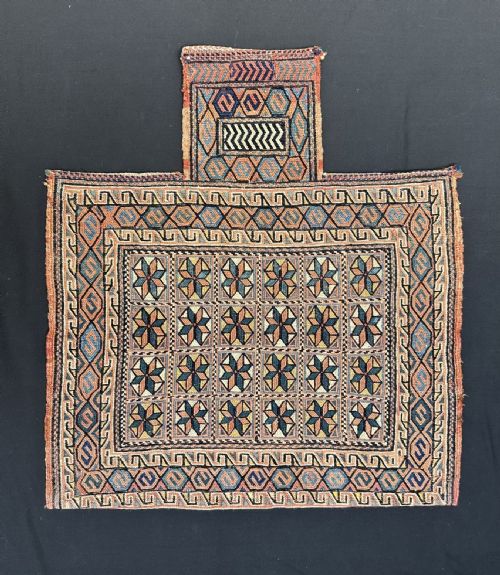
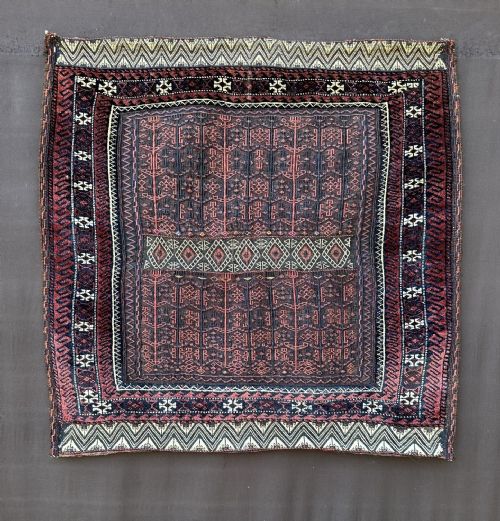
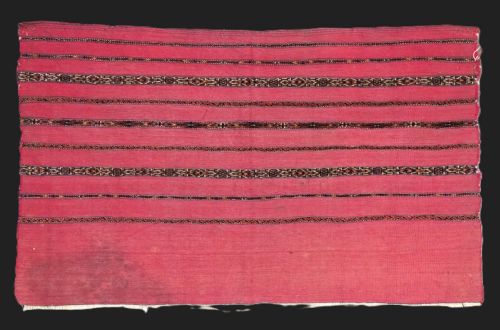
A nomadic flatweave textile encompasses utilitarian objects made by tribal groups across Persia, Central Asia, the Caucasus and Afghanistan. These items include salt-bags, bread sofreh, animal trappings, storage bags and smaller kilim panels.
Most examples originate from the late nineteenth and early twentieth centuries, spanning periods from the eighteen-fifties through to nineteen-twenty. Makers worked within specific confederacies and tribes, such as the Qashqai, Shahsevan, Afshar, Yomut and Baluch.
Buyers encounter utilitarian woven forms rather than static wall art. These pieces served practical functions in camps and tents, carrying provisions, spreading meal spaces or decorating pack animals.
Materials and construction
Weavers relied primarily on wool, frequently hand-spun, supplemented by cotton, goat hair and occasional silk elements. Natural dyes supplied the palette, creating deep tones across tribal designs.
Construction involved flatweave techniques without pile, producing supple structures suitable for folding and transport. Artisans incorporated structural details like cowrie shells, tassels and complete original backs.
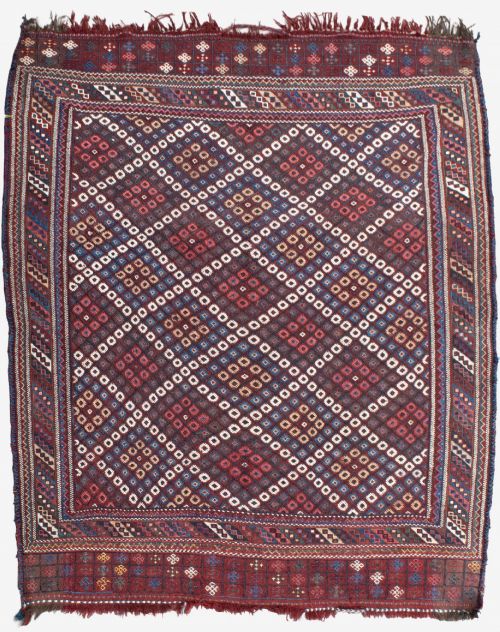
Panels often joined multiple narrow strips together to form larger cloths or storage bags. The resulting textiles combined structural durability with intricate graphic patterns native to specific regions.
Several bags retain original cowrie shells, once attached to ward off misfortune during long desert migrations.
Assessing quality
Quality rests on the integrity of the weave, the handling of natural dyes and the preservation of original elements such as backs, tassels and closure systems. Tightly compacted wefts and crisp geometric drawing indicate higher skill.
The sophistication of regional motifs and the precision of strip joining set exceptional utilitarian covers apart from simpler utility items. Handling rarer formats like complete storage bags or specialised horse decorations reveals greater tribal artistry.
Shahsevan Nomads·Yomut Turkmen·Lori Bakhtiari Tribes·Afshar Tribes
The Nomadic Flatweave Textile Glossary
- Sofreh
- A woven cloth utilised for dining, food preparation or bread making. These spreads formed a clean surface for meals inside the tent.
- Chuval
- A large face or storage bag produced by Turkmen tribes. They held household goods during seasonal migrations.
- Mafrash
- A rectangular storage bag or panel designed for bedding and clothing transport. Pairs of these bags rode on pack animals.
- Jajim
- A flatweave textile woven in narrow strips and joined together. They functioned as covers, blankets or decorative hangings.
- Soumac
- A wrapping technique producing a brocade-like surface on the face of the textile. This method adds texture and durability to bags and trappings.
Nomadic Flatweave Textile: Frequently Asked Questions
What is a sofreh used for?
A sofreh functioned as an eating cloth or spread placed on the ground during communal meals. Families used them to prepare dough and keep food clean within nomadic tents.
These textiles also served practical roles in daily camp life, folded away when not in service. Their dimensions and weaves reflect this direct domestic purpose.
How do I care for a flatweave textile?
Protect these textiles from direct sunlight to preserve natural dye colours over time. Gentle vacuuming through a mesh screen helps remove dust without stressing old wool.
Avoid hanging heavy pieces by single points to prevent distortion of the weave. Professional textile cleaning is recommended for heavier maintenance.
How are different tribal styles identified?
Tribal styles reveal themselves through specific structural formats, colour palettes and geometric motifs unique to each region. Yomut and Tekke pieces show distinct Central Asian medallion arrangements.
Persian tribal groups like the Qashqai and Afshar utilise characteristic animal decorations and specific field layouts. Comparing border designs and material choices clarifies the origin.
Were these items meant for daily use?
These objects served active roles in nomadic existence, carrying salt, bread and household gear during seasonal journeys. Animal trappings adorned horses and camels during ceremonies and transit.
Wear patterns and original repairs often document this active utilitarian history. The sturdy construction ensured they withstood the demands of camp life.