



Nineteenth Century Style Bronze
Nineteenth century style bronze pieces bring classical French and revival forms into domestic spaces through heavy metal casting and gilt mounts.
Nineteenth Century Style Bronze
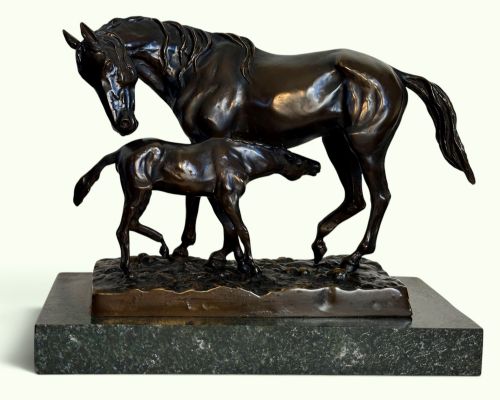
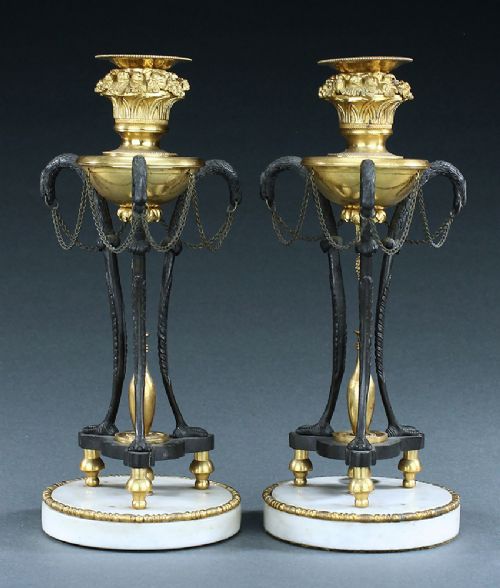
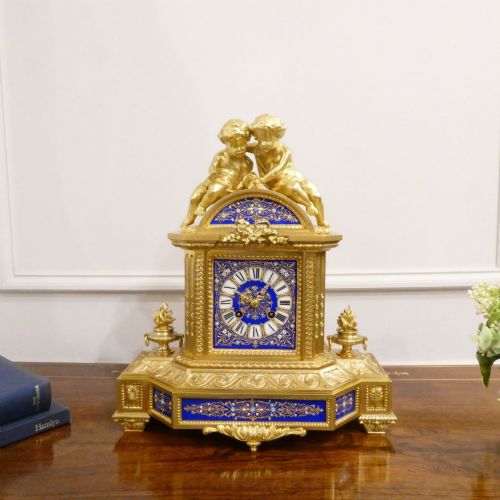
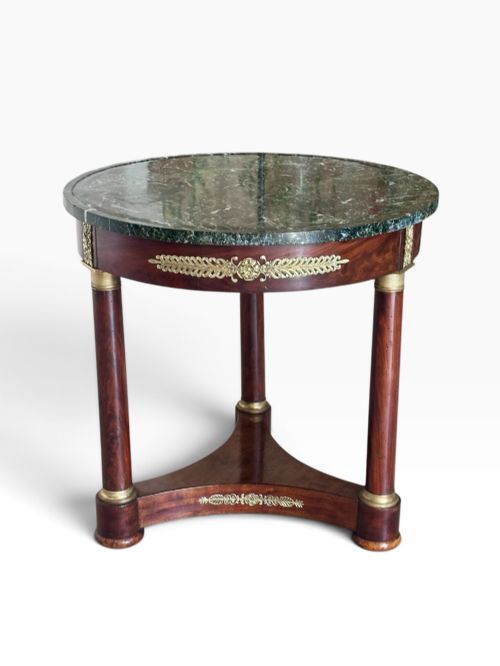
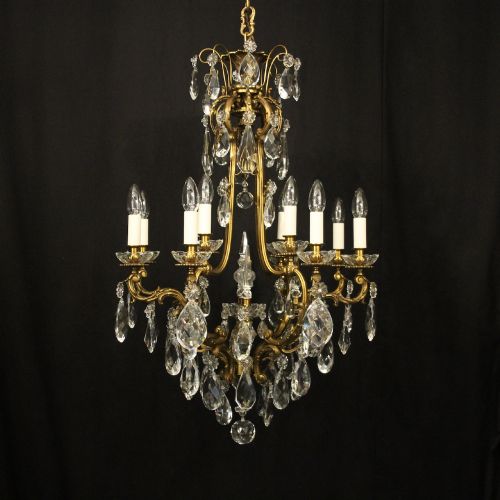
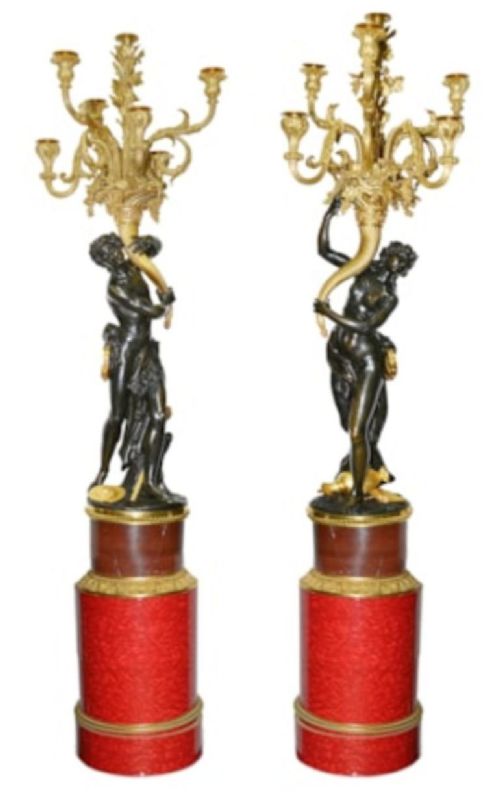
When you search for nineteenth century style bronze, you encounter heavy cast metalwork, often paired with contrasting materials like marble, porcelain, or glass. The pieces span functional items such as mantel clocks, candelabra, and centre tables, alongside decorative sculptures.
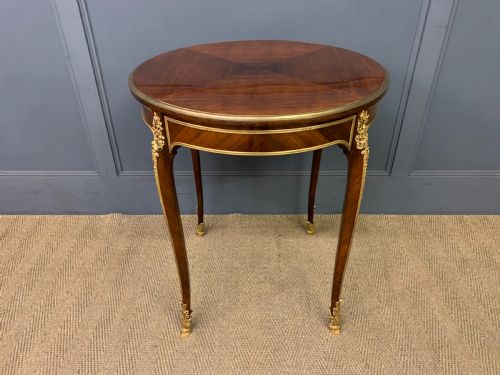
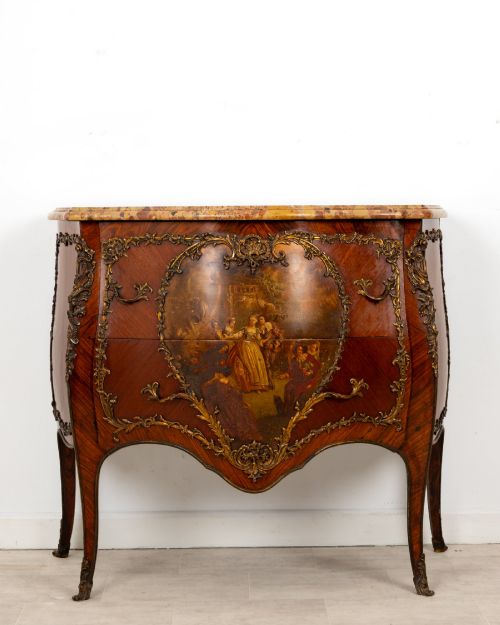
The versions most commonly met on this page originate from French workshops adhering to historic revival aesthetics, notably Louis XV, Louis XVI, and Napoleon III styles. These objects utilise gilt bronze and ormolu mounts to emulate earlier courtly furniture and decorative arts.
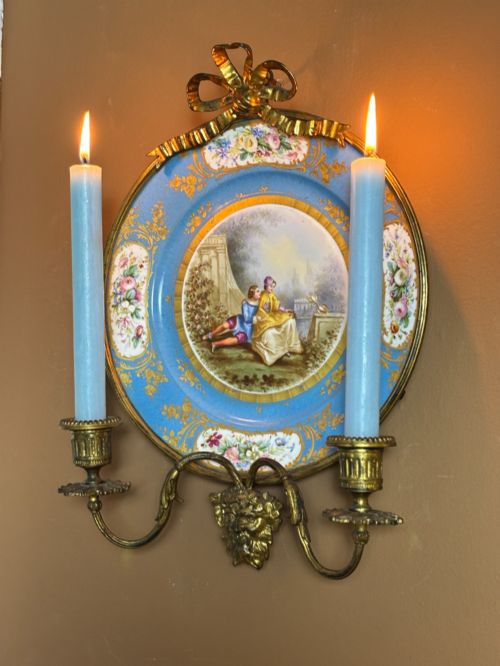
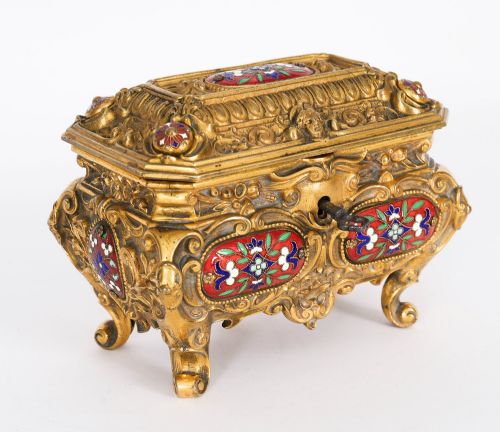
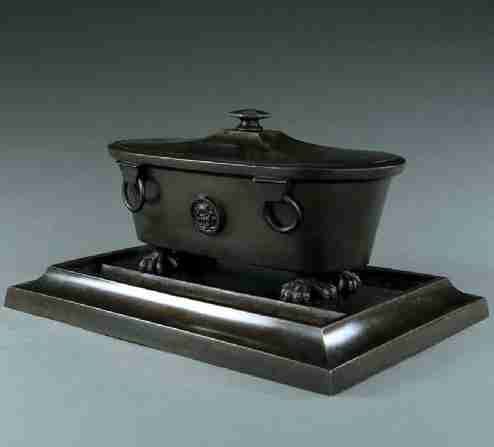
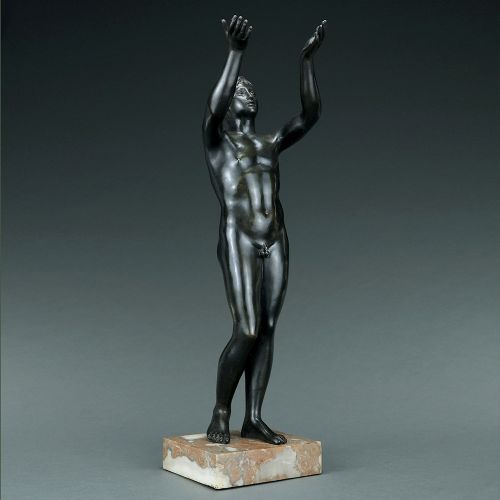
Makers and designers from the period also produced Grand Tour bronzes, depicting classical antiquities for domestic display. Alongside these sit occasional tables, wall sconces, and jewellery caskets incorporating intricate metalwork.
How they were made
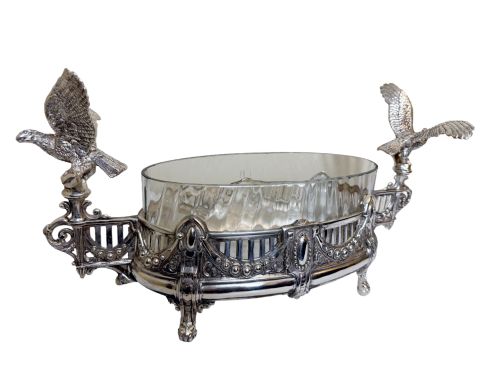
The foundational material is bronze, cast using traditional methods and frequently finished with mercury gilding to produce ormolu, or silvered for a distinct metallic sheen. Workshops combined this metalwork with dense hardwoods like mahogany, rosewood, and kingwood, as well as imported marbles.
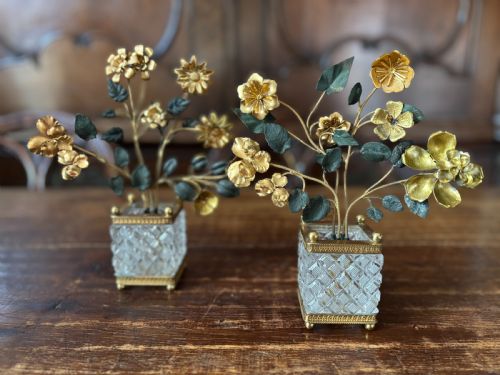
Decorative elements incorporate inserted panels of Sevres porcelain, cloisonne enamel, and cut crystal glass. Skilled artisans chiseled and chased the cast bronze surfaces by hand after removal from the mould to sharpen the botanical and figural details.
Nineteenth Century Style Bronze Retail Price Guide 2026
Typical asking prices for nineteenth century style bronze among the pieces listed under this phrase on Sellingantiques today, from the lower quarter to the upper quarter. They describe what is for sale here now, not the wider market.
The listings on this site feature nineteenth century pieces incorporating gilt bronze, ormolu, Sevres porcelain, and various marbles across clocks, tables, and candelabra.
What varies in quality
The distinction between ordinary and exceptional pieces lies primarily in the crispness of the chasing and the depth of the metal finishing. Superior items display sharp, undercut foliage and figures where every line remains clean.
Heavier gauge bronze and thicker layers of gilding differentiate better examples from lighter, mechanically cast substitutes. The integration of secondary materials, such as finely turned marble bases or intact hand-painted porcelain panels, elevates the standard of the whole object.
Christophe Fratin·Francois Linke·Achille Brocot·Edward Holmes Baldock·Etienne Lenoir
The Nineteenth Century Style Bronze Glossary
- Ormolu
- Gilt bronze produced by applying a mixture of gold and mercury to a bronze base and heating it. This historic technique creates a rich, matte golden surface.
- Grand Tour
- The nineteenth century practice where travellers collected classical bronzes and antiquities in Italy. These smaller replicas commemorated cultural education across Europe.
- Cassolette
- A decorative vessel shaped like a vase or urn, often featuring a reversible lid. It served alternately as a perfume burner or a candle holder.
- Gueridon
- A small circular table supported by a central pillar or figures. These pieces frequently feature marble tops and gilt bronze mounts.
- Chasing
- The manual tooling of cast metal using punches and hammers. Artisans utilise this process to refine surface textures and sharpen ornamental details.
Nineteenth Century Style Bronze: Frequently Asked Questions
What is nineteenth century style bronze?
Nineteenth century style bronze encompasses cast metal decorative objects, clocks, and furniture mounts produced in revival aesthetics. These pieces replicate or adapt earlier French court styles from the seventeenth and eighteenth centuries.
Craftsmen utilised techniques such as fire gilding and hand chasing to achieve rich decorative surfaces on clocks, candelabra, and tables.
How do I care for gilt bronze?
Gilt bronze requires gentle dusting with a soft, dry brush to prevent the accumulation of dirt in recessed chasing. Avoid liquid cleaners, polishes, and abrasive cloths, which can strip the thin gold layer from the metal underneath.
Stable indoor humidity helps preserve underlying materials like wood and marble that are frequently mounted alongside the bronze.
How are periods identified?
Periods are identified by examining stylistic motifs, casting techniques, and secondary materials used in construction. Louis XV and XVI revivals feature distinct scrollwork, asymmetry, or neoclassical symmetry respectively.
Maker signatures, registry marks, and specific clock movements provide chronological markers that narrow down the date of manufacture.
Where were these pieces used?
These items functioned primarily as decorative and utility objects within nineteenth century formal reception rooms and parlours. Mantel clocks and candelabra sat atop fireplace surrounds as matching garniture sets.
Centre tables and vitrines occupied the middle of grand rooms or displayed collections of smaller valuables like jewellery caskets.