

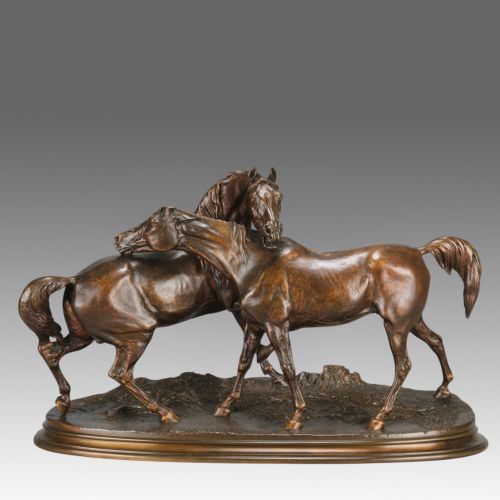


Equine Bronze Ornament
These pieces capture equine bronze ornament at its finest, offering solid weight and dynamic modelling for the serious collector.
Equine Bronze Ornament
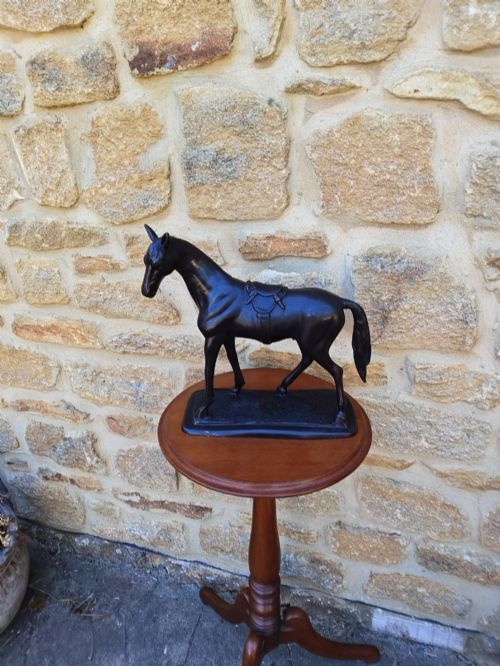
An equine bronze ornament represents horses in various forms, spanning naturalistic studies and stylised interpretations. When searching for an equine bronze ornament, buyers encounter works ranging from compact desk sculptures to substantial life-size garden or hall figures.
The pieces on this page draw from distinct eras, notably the nineteenth century and the early twentieth century. Common stylistic approaches include French Animalier, Art Deco, and French Baroque Revival, alongside pieces originating from Chinese and Japanese traditions.
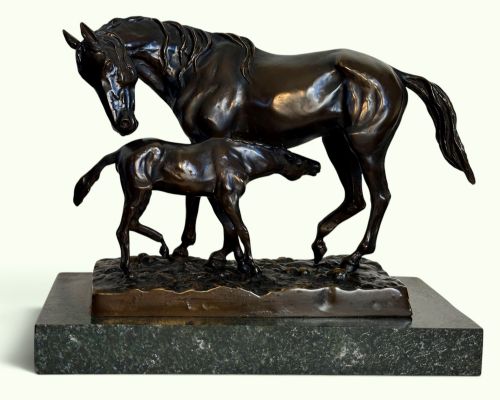
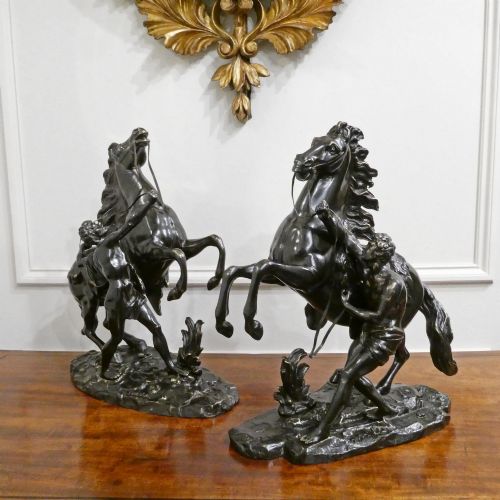
Makers and designers referenced in the evidence include Christophe Fratin, Coustou, P J Mêne, and Pierre Jules. Forms vary from single stallions and mares with foals to paired groupings like the Marly horses.
Materials and construction
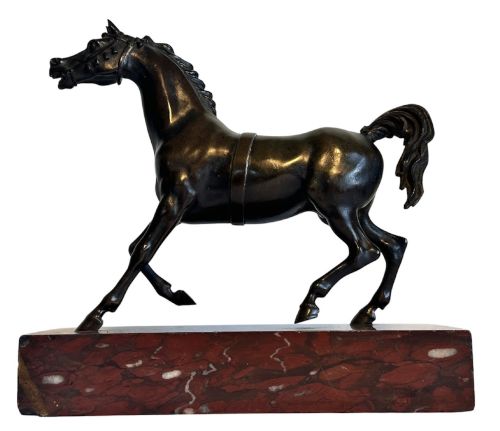
These items rely primarily on cast bronze, supplemented by related metals such as brass and bronzed metal. Many sculptures feature a dark patina or patinated bronze finish to accentuate muscular definition and texture.
Mounting is a key element of construction, with several figures anchored to integral or added bases made of marble or onyx. The casting methods produce durable, heavy objects capable of standing independently or upon dedicated furniture.
Equine Bronze Ornament Retail Price Guide 2026
Typical asking prices for equine bronze ornament among the pieces listed under this phrase on Sellingantiques today, from the lower quarter to the upper quarter. They describe what is for sale here now, not the wider market.
Several horses are permanently caught mid-prance, requiring zero feed yet demanding prime mantelpiece real estate.
Assessing quality
Quality rests upon the fidelity of the casting and the crispness of the chisel work applied after the metal leaves the mould. Finer examples display meticulous attention to anatomical accuracy, capturing tension in the muscles and spirit in the stance.
The depth and consistency of the dark patina or surface finish contribute significantly to visual success. Additionally, the quality of the supporting stone base, such as polished marble or onyx, elevates the overall presence of the piece.
Christophe Fratin·Coustou·P J Mêne·Pierre Jules
The Equine Bronze Ornament Glossary
- Animalier
- A nineteenth-century artistic movement focusing on the realistic portrayal of animals. Practitioners utilised bronze to capture kinetic energy and anatomical precision.
- Patina
- The surface coloration and sheen developed naturally over time or applied via chemical treatment. A dark patina is frequently utilised on these bronzes to enhance depth.
- Marly Horses
- Monumental sculptural groups depicting rearing horses restrained by handlers. The motif originates from classical French public sculpture.
- Cast Bronze
- Metal shaped by pouring molten alloy into a mould. This traditional method allows for intricate detail and substantial weight.
Equine Bronze Ornament: Frequently Asked Questions
What is an equine bronze ornament?
An equine bronze ornament is a metal sculpture depicting horses, created in various styles from realism to Art Deco. These pieces range from nineteenth-century Animalier studies to twentieth-century decorative figures.
Collectors prize them for their sculptural presence and the skill required in metal casting.
How do I identify the period?
Period identification relies on stylistic cues, casting techniques, and specific signatures or foundry marks on the base. Nineteenth-century pieces often reflect French Animalier realism, while early twentieth-century examples lean towards Art Deco or modernist interpretations.
Examining the base material, such as marble or onyx, also aids in dating the work.
Where should I display these?
These ornaments require a stable, level surface capable of supporting considerable weight, especially pieces mounted on marble or onyx bases. Placing them on sturdy desks, console tables, or pedestals ensures both safety and optimal viewing angles.
Keep them away from direct moisture and extreme temperature fluctuations to preserve the bronze surface.
How do I care for bronze?
Care involves gentle dusting with a soft, dry cloth to prevent particulate buildup on the surface. Avoid chemical cleaners or polishes that can strip the original patina.
Occasional light waxing by a specialist can help protect the metal finish over time.