

Nineteenth Century Portrait Art
Nineteenth century portrait art captures individual likenesses through oil on canvas, delicate watercolours, and ink drawings that anchor a room with human presence.
Nineteenth Century Portrait Art
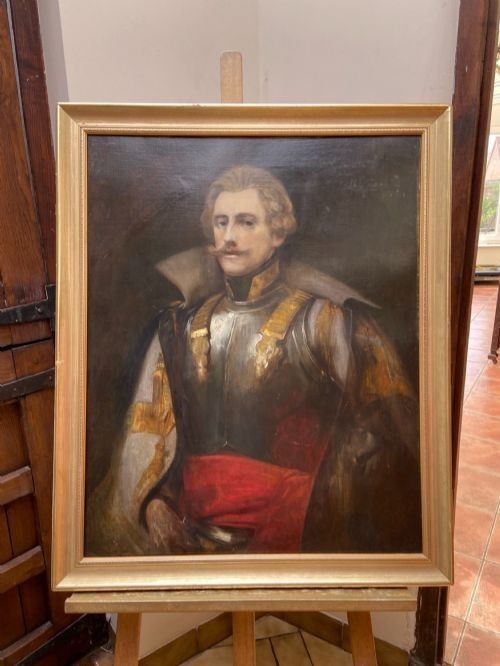
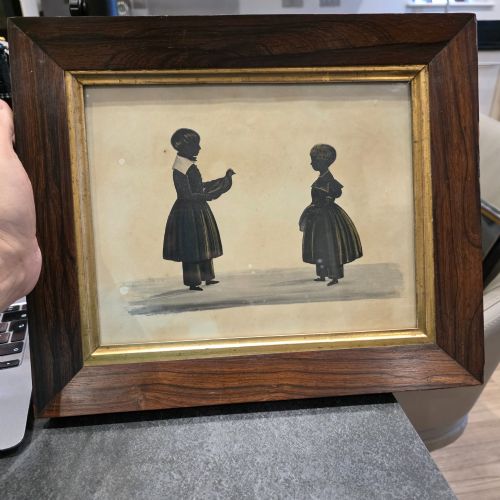
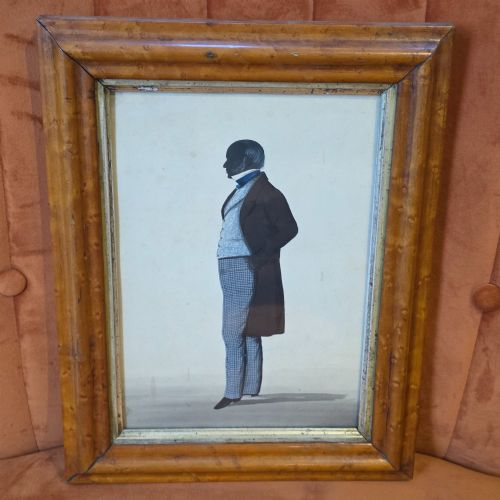
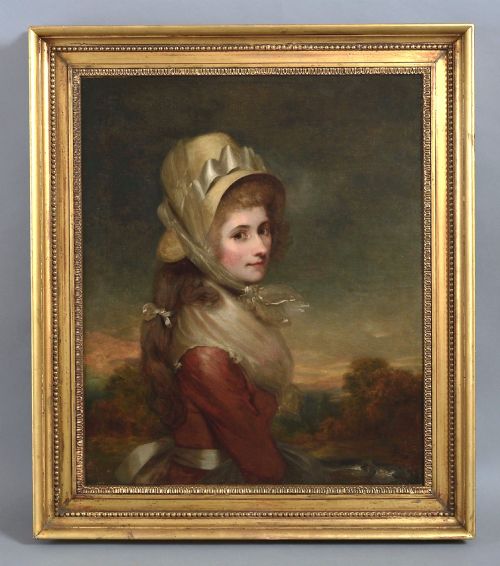
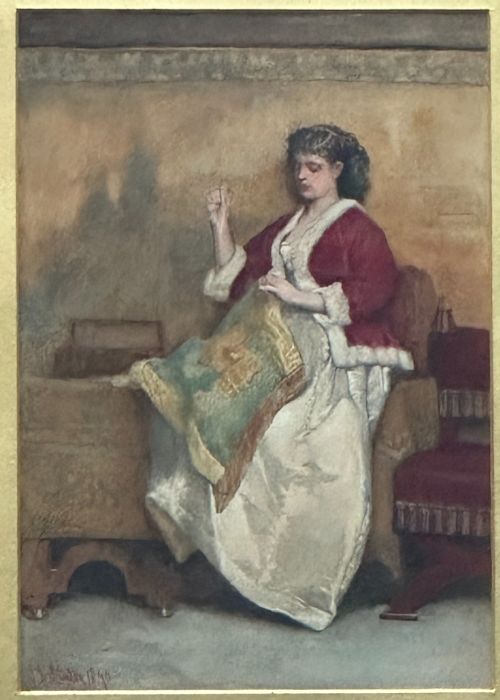
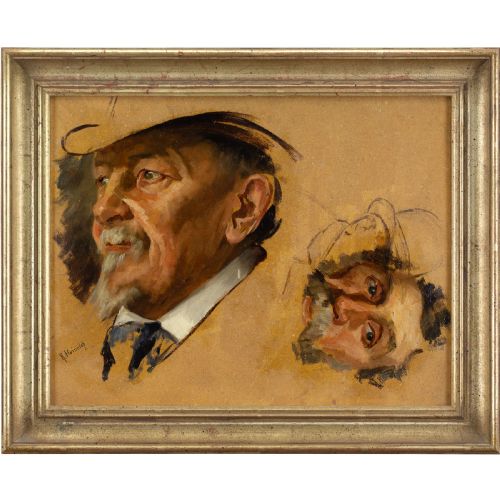
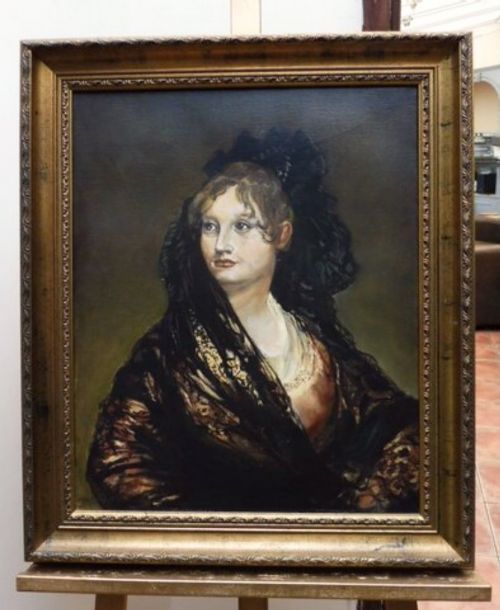
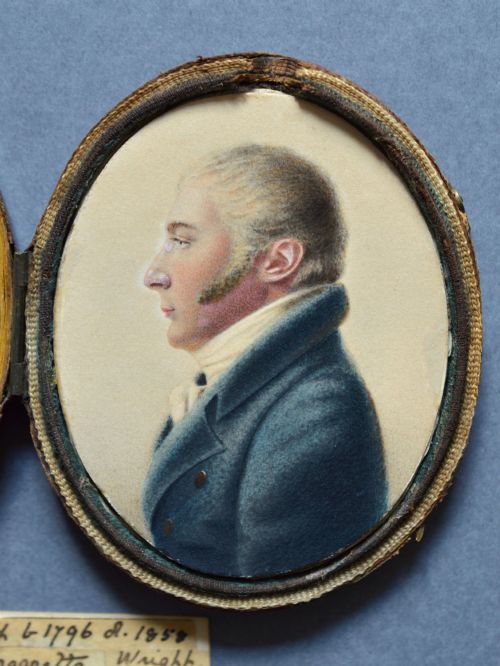
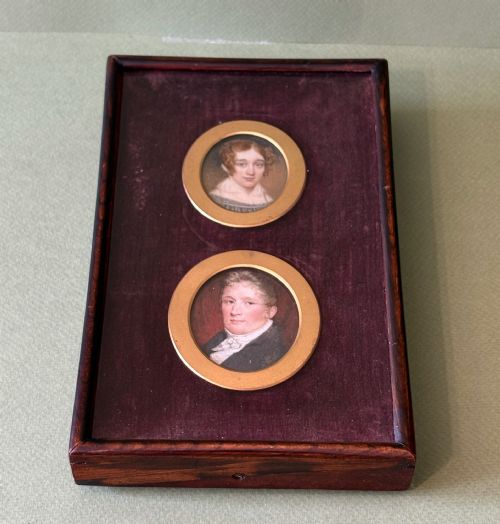
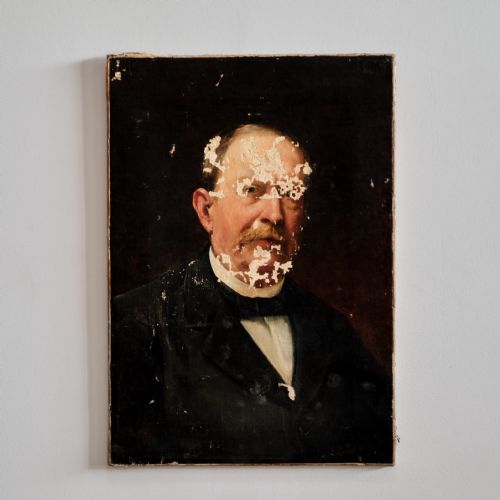
Nineteenth century portrait art encompasses oil paintings, framed watercolours, detailed drawings, and silhouette miniatures produced across the Victorian, Regency, and broader nineteenth century periods. These works record the likenesses of military officers, gentlefolk, children, and artists, often framed in wood or giltwood.
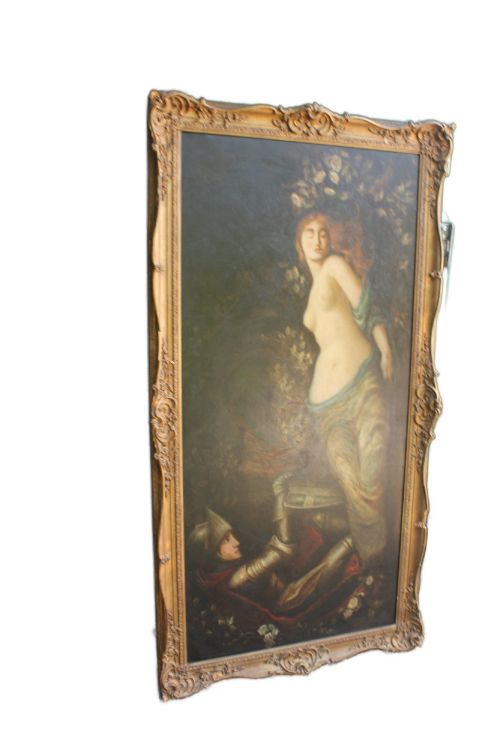
On this page, you will most frequently encounter framed oil paintings on canvas and paper-based watercolours or drawings from British and French schools. These pieces range from intimate portrait miniatures to large canvases depicting single sitters or genre scenes.
How they were made
Enclosing these works required substantial framing, utilising wood, giltwood, and gold leaf to protect the surface and enhance the visual weight of the artwork. Silhouette works employ hand-cut paper mounted behind glass, whilst sculptural pieces utilise bronze.
Listings for nineteenth century portrait art feature oil on canvas, paper, watercolours, and giltwood frames across Victorian and Regency periods.
What varies in quality
The distinction between ordinary and exceptional nineteenth century portrait art lies in the handling of the subject's expression and the precision of the medium. Finer works display confident brushwork in oil or delicate ink control in watercolours, capturing the psychological depth of the sitter rather than a mere mechanical likeness.
Materials also dictate the tier of the piece, with heavier giltwood frames, pure gold leaf, and stable canvas supports elevating the physical presence of the artwork. Lesser examples may exhibit heavy restoration, flat lighting, or hurried execution by anonymous regional workshops.
Sir Martin Archer Shee·Sir James Dromgole Linton·Francisco José de Goya y Lucientes·Thomas John Horsley·Sir Thomas Lawrence·Carl Haag·Charles Stuart Forbes·Hubard Gallery·William Oliver·John C D Engleheart·Edwardian·André Charles Voillemot·George Bernard O'Neill·Kitagawa Utamaro·Thomas Edward Roberts
The Nineteenth Century Portrait Art Glossary
- Silhouette
- A solid dark profile of a person, typically cut from paper or painted, popular for portraiture before the widespread use of photography.
- Giltwood
- Wood that has been coated with gold leaf or gold paint, frequently used for nineteenth century picture frames.
- Portrait Miniature
- A very small painting or portrait, often executed on ivory, paper, or vellum and housed in a protective case or frame.
- Gouache
- An opaque watercolour paint consisting of pigment, water, and a binding agent, used to create dense matte areas of colour in drawings.
Nineteenth Century Portrait Art: Frequently Asked Questions
How do I identify a nineteenth century portrait?
Look closely at the materials, clothing styles, and framing techniques typical of the period, such as oil on canvas or hand-cut silhouettes. Signatures, artist stamps, and inscriptions on the reverse often provide direct clues to the date of creation.
Compare the sitter's attire and hairstyle against historical fashion plates from the Regency or Victorian eras. Examining the stretcher bars on canvases or the paper type in watercolours also helps confirm the age of the piece.
Where were these portraits displayed?
Nineteenth century portraits primarily hung in the reception rooms, parlours, and private studies of domestic homes to display family lineage or social standing. Smaller miniatures were kept in personal chambers or carried as keepsakes.
Public institutions and military messes also commissioned large portraits to honour officers, civic leaders, and artists. Today, they function similarly as focal points in residential interiors.
What is the difference between an oil painting and a watercolour portrait?
Oil paintings utilise pigments suspended in drying oils applied to canvas, wood panels, or zinc, offering rich textures and deep colour layering. Watercolours use water-soluble pigments on paper, resulting in a luminous, translucent finish.
Oils generally require sturdier frames and are less sensitive to light than works on paper. Watercolours demand protective glass framing to guard the delicate paper substrate against atmospheric damage.