




Dark Blue Coat Portrait
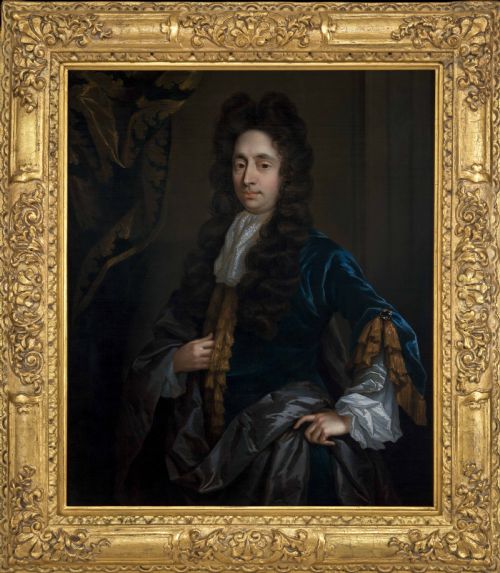
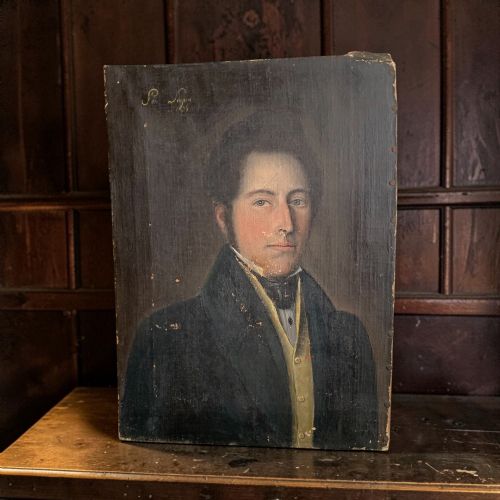
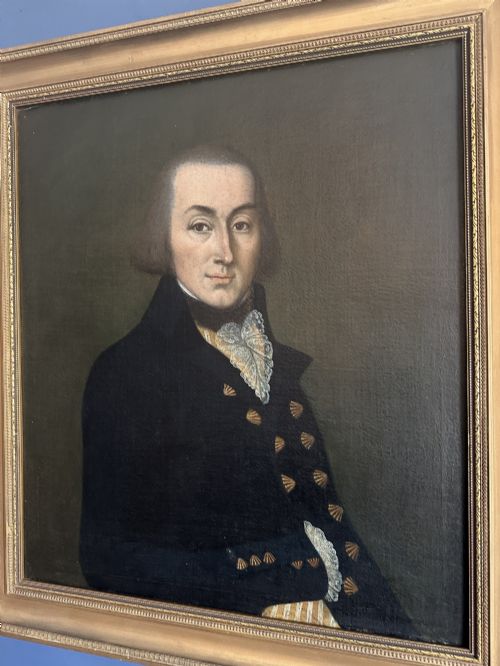
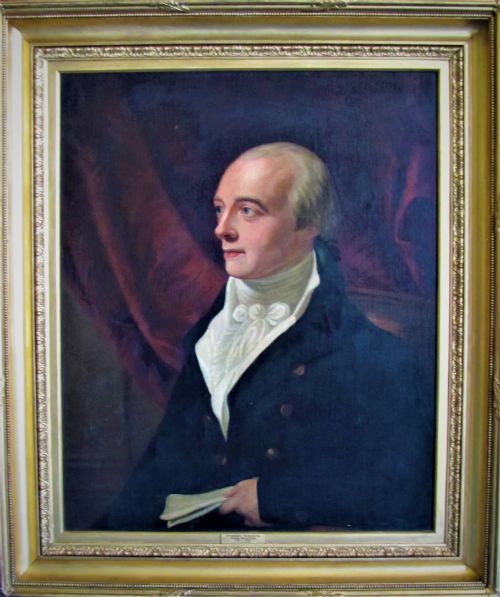
These dark blue coat portrait works capture historical sitters in formal attire, offering a direct window into past centuries through accomplished oil painting.
Dark Blue Coat Portrait
When you search for a dark blue coat portrait, you are looking at oil paintings depicting sitters wearing distinctive dark blue garments, ranging from gentlemen and military figures to musicians and political subjects. These works primarily span the eighteenth century, the Georgian era, the Regency period, and the nineteenth century, including both full-scale canvases and smaller miniature formats.
The pieces on this page originate from English and French schools, encompassing works by named artists, circle attributions, and anonymous portraitists. You will encounter depictions of specific historical figures such as admirals, prime ministers, and inventors alongside unidentified gentlemen, boys, and young musicians in military dress.
The forms vary from intimate miniature oil paintings on wood panel to substantial oil on canvas works housed in giltwood frames. Each painting records the fashion of dark blue coats through distinct regional and period painting traditions.
Materials and Technique
These works are executed using oil paint applied to prepared canvas or wood panels, utilising the pigment handling characteristic of eighteenth and nineteenth-century European fine art. Artists built up the composition through layered glazes and opaque applications to render the deep tones of the dark blue coats and the subtle flesh tints of the sitters.
Many of these paintings retain their original or period giltwood and gilt wood frames, which complement the canvas dimensions and protect the edges of the panel or stretcher. The physical support often bears the marks of age, from traditional canvas weaves to solid timber panels used by portrait painters of the period.
Some portrait subjects wore their dark blue coats so stiffly buttoned it is a wonder they managed to sit still for the artist.
What Varies in Quality
Quality in these dark blue coat portrait examples rests upon the fidelity of likeness, the anatomical correctness in rendering the sitter's hands and face, and the sureness of brushwork in the handling of fabric. Superior works demonstrate a confident command of light across the dark blue textiles and background elements.
The distinction between standard studio production and masterwork output involves the depth of characterisation in the subject's expression and the preservation of the original paint surface. The integration of period framing and the documented attribution to a recognised painter or established circle also elevate the standing of an individual piece.
Sir Thomas Lawrence PRA·Francesco Renaldi·George Francis Joseph·James Latham·Lemuel Francis Abbott
The Dark Blue Coat Portrait Glossary
- Oil paint
- A slow-drying medium consisting of pigments suspended in a drying oil, typically linseed oil. This medium allows for smooth blending and rich depth of colour in historical portraiture.
- Canvas
- A heavy woven fabric used as a surface for oil paintings, stretched across a wooden frame. It became the standard support for fine art portraits from the eighteenth century onward.
- Giltwood
- Wood that has been carved and covered with a thin layer of gold leaf or gilt powder. It is commonly found on the decorative frames enclosing these historical portraits.
- Miniature painting
- A small-scale portrait executed with fine detail on panel, copper, or ivory. These compact works require specialist brushwork and precision.
- Panel
- A flat piece of wood used as a rigid support for oil painting prior to and alongside stretched canvas. Wooden panels often provide a smooth surface for detailed eighteenth-century compositions.
Dark Blue Coat Portrait: Frequently Asked Questions
What is a dark blue coat portrait?
A dark blue coat portrait is an oil painting from the eighteenth or nineteenth century depicting a subject dressed in a dark blue garment. These pieces record the attire of gentlemen, military personnel, and public figures.
Such works range from large canvas paintings to small miniature panels created by British and European portraitists.
How do I date a portrait?
Dating a portrait relies on examining the sitter's costume, particularly the cut of the dark blue coat, lapels, and cravat. Hairstyles and painting techniques also provide chronological markers.
Comparison with documented works by the same artist or school helps narrow down the period of execution.
Where should I hang these paintings?
These oil paintings suit traditional interior spaces with stable temperature and humidity levels away from direct sunlight. Placing them on interior walls protects the canvas and giltwood frame from environmental damage.
Pairing them with period furniture enhances the historical character of the room.
What is a miniature oil portrait?
A miniature oil portrait is a small-scale painting executed on wood panel or another firm support. They were often produced for private display or personal remembrance.
Despite their small size, these works maintain the same oil painting techniques seen in larger canvases.